Department of Anatomy, Yong Loo Lin School of Medicine, National University of Singapore, Singapore, 119260, Singapore.
Neurobiology Programme, Life Sciences Institute, National University of Singapore, Singapore, 119260, Singapore.
Neuromolecular Med. 2021 Mar;23(1):184-198. doi: 10.1007/s12017-020-08620-4. Epub 2020 Oct 16.
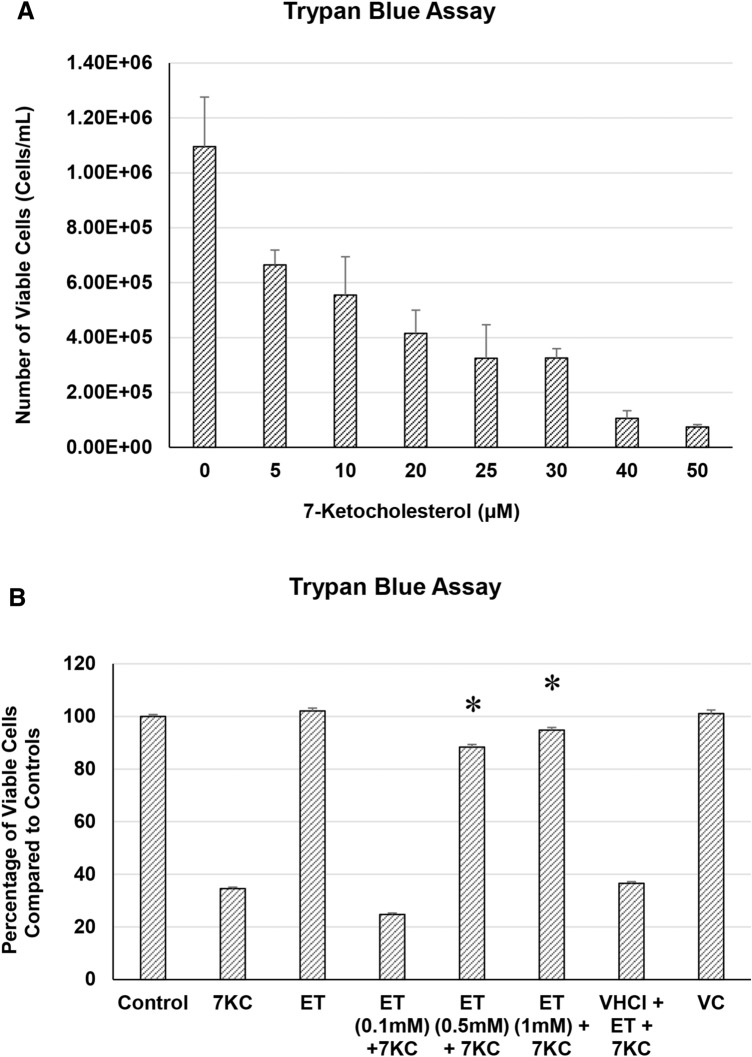
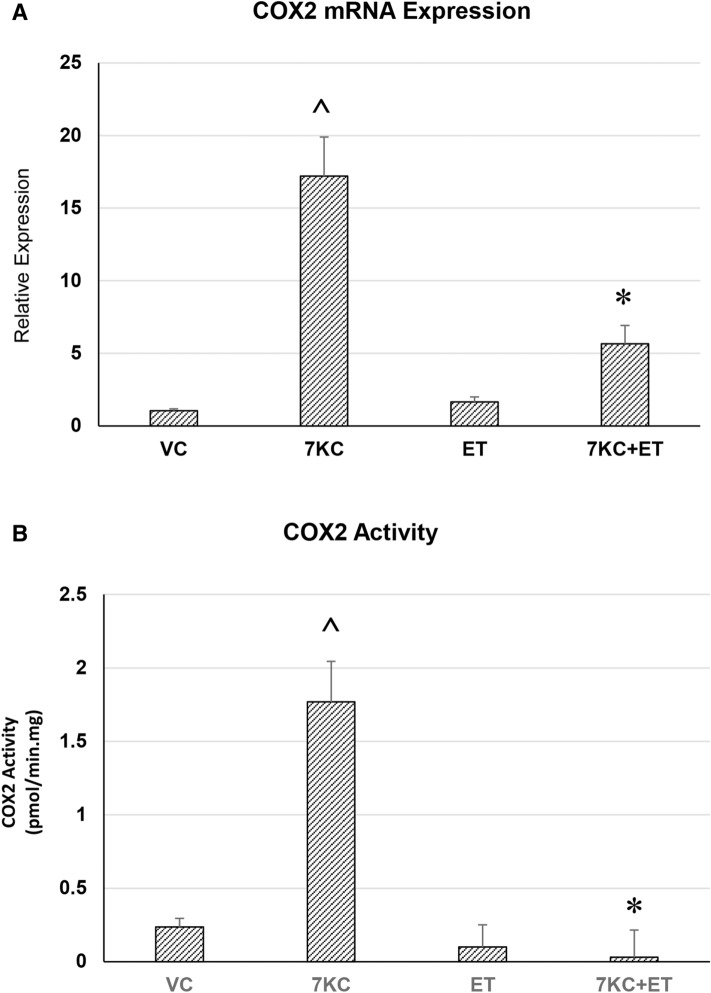
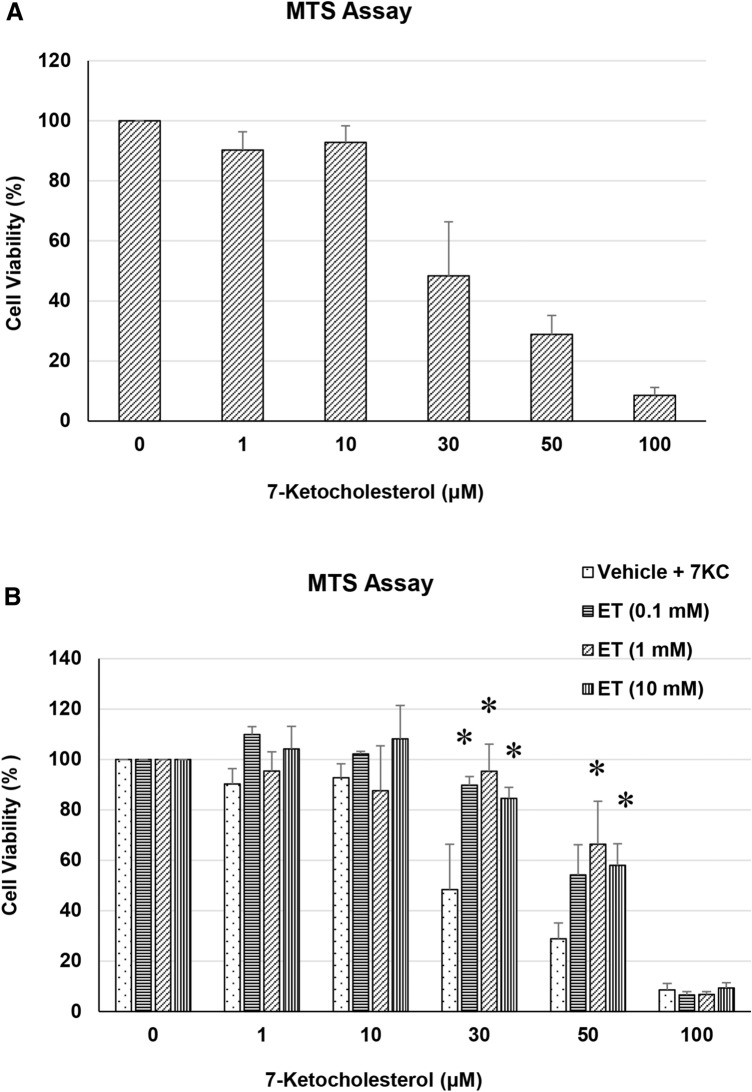
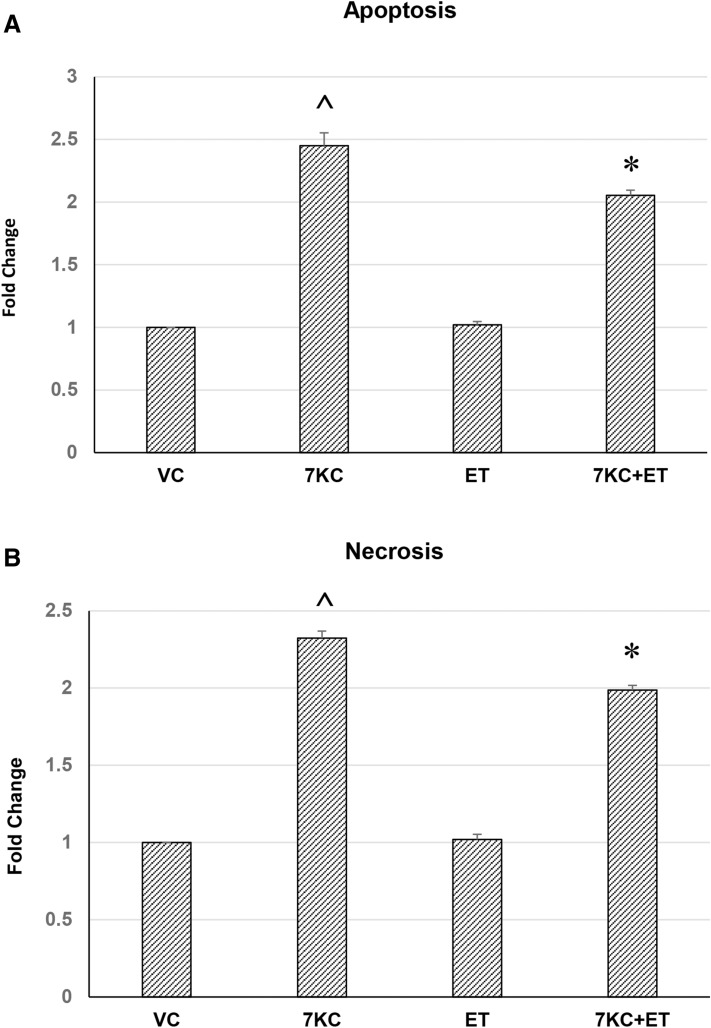
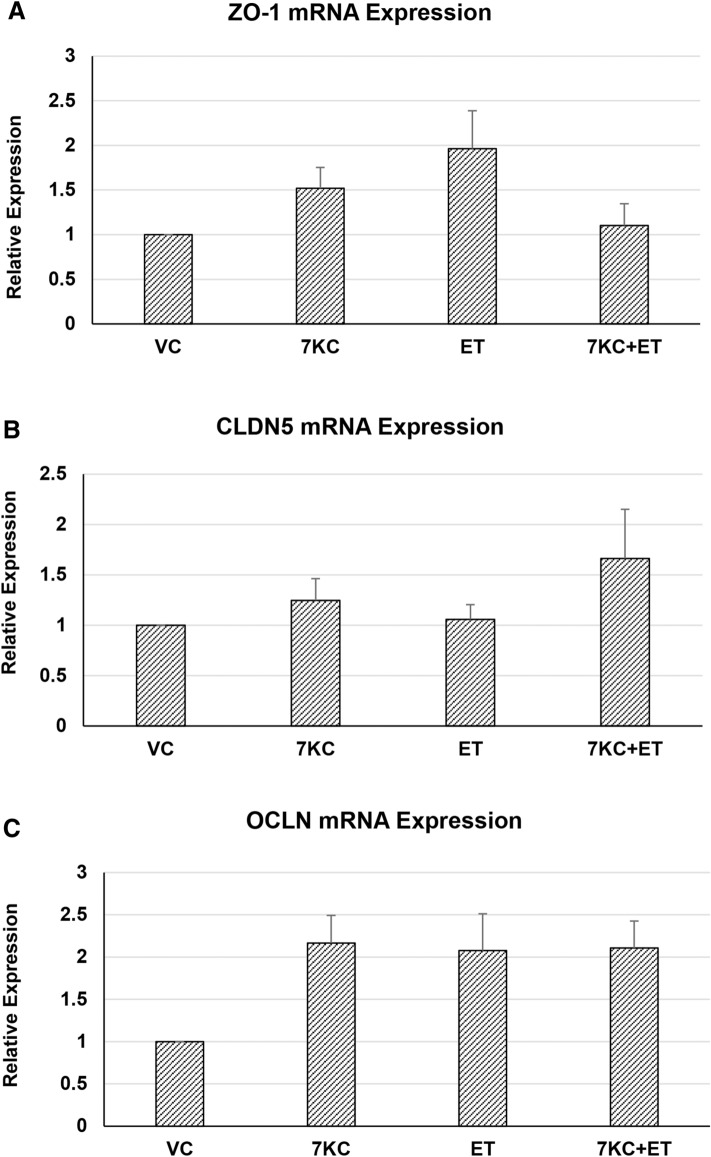
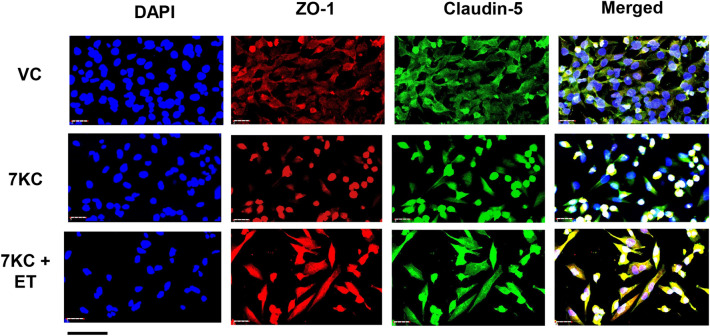
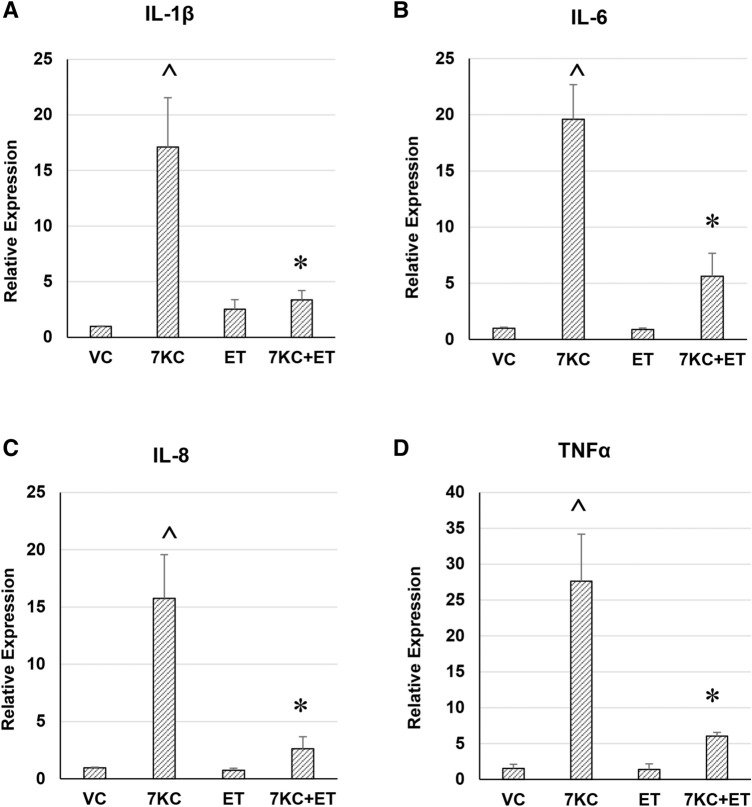
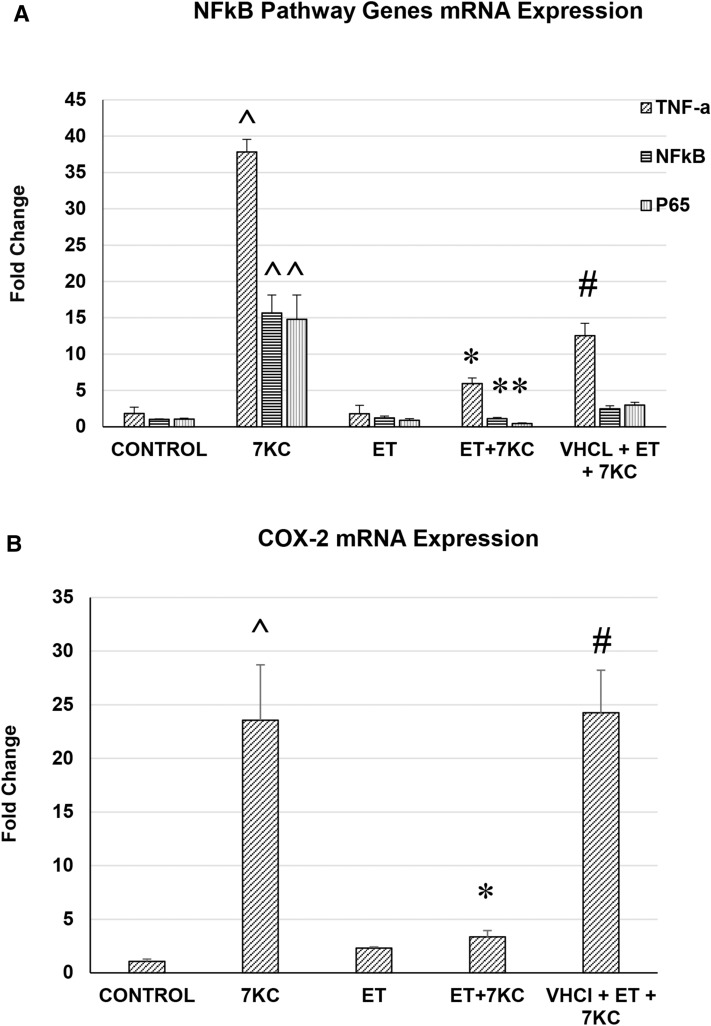
Ergothioneine (ET) is a naturally occurring antioxidant that is synthesized by non-yeast fungi and certain bacteria. ET is not synthesized by animals, including humans, but is avidly taken up from the diet, especially from mushrooms. In the current study, we elucidated the effect of ET on the hCMEC/D3 human brain endothelial cell line. Endothelial cells are exposed to high levels of the cholesterol oxidation product, 7-ketocholesterol (7KC), in patients with cardiovascular disease and diabetes, and this process is thought to mediate pathological inflammation. 7KC induces a dose-dependent loss of cell viability and an increase in apoptosis and necrosis in the endothelial cells. A relocalization of the tight junction proteins, zonula occludens-1 (ZO-1) and claudin-5, towards the nucleus of the cells was also observed. These effects were significantly attenuated by ET. In addition, 7KC induces marked increases in the mRNA expression of pro-inflammatory cytokines, IL-1β IL-6, IL-8, TNF-α and cyclooxygenase-2 (COX2), as well as COX2 enzymatic activity, and these were significantly reduced by ET. Moreover, the cytoprotective and anti-inflammatory effects of ET were significantly reduced by co-incubation with an inhibitor of the ET transporter, OCTN1 (VHCL). This shows that ET needs to enter the endothelial cells to have a protective effect and is unlikely to act via extracellular neutralizing of 7KC. The protective effect on inflammation in brain endothelial cells suggests that ET might be useful as a nutraceutical for the prevention or management of neurovascular diseases, such as stroke and vascular dementia. Moreover, the ability of ET to cross the blood-brain barrier could point to its usefulness in combatting 7KC that is produced in the CNS during neuroinflammation, e.g. after excitotoxicity, in chronic neurodegenerative diseases, and possibly COVID-19-related neurologic complications.
ergothioneine (ET) 是一种天然存在的抗氧化剂,由非酵母真菌和某些细菌合成。ET 不是动物(包括人类)合成的,但可以从饮食中大量摄取,尤其是从蘑菇中摄取。在目前的研究中,我们阐明了 ET 对 hCMEC/D3 人脑血管内皮细胞系的影响。患有心血管疾病和糖尿病的患者的内皮细胞暴露于高水平的胆固醇氧化产物 7-酮胆固醇(7KC),据认为这一过程介导了病理性炎症。7KC 诱导内皮细胞的细胞活力呈剂量依赖性下降,并增加细胞凋亡和坏死。紧密连接蛋白 zonula occludens-1 (ZO-1) 和 claudin-5 也向细胞核重定位。这些作用被 ET 显著减弱。此外,7KC 诱导促炎细胞因子 IL-1β、IL-6、IL-8、TNF-α 和环氧化酶 2 (COX2) 的 mRNA 表达以及 COX2 酶活性显著增加,而 ET 则显著降低这些表达。此外,ET 的细胞保护和抗炎作用被 OCTN1 (VHCL) 抑制剂的共孵育显著降低。这表明 ET 需要进入内皮细胞才能发挥保护作用,不太可能通过细胞外中和 7KC 发挥作用。ET 对脑内皮细胞炎症的保护作用表明,ET 可能作为一种营养保健品,用于预防或治疗神经血管疾病,如中风和血管性痴呆。此外,ET 穿过血脑屏障的能力可能表明其在对抗神经炎症期间 CNS 中产生的 7KC 有用,例如在兴奋性毒性后、在慢性神经退行性疾病中,以及可能在与 COVID-19 相关的神经系统并发症中。