Department of Neurological Surgery, Vickie and Jack Farber Institute for Neuroscience, Thomas Jefferson University, Philadelphia, PA, United States.
Department of Neurological Surgery, Vickie and Jack Farber Institute for Neuroscience, Thomas Jefferson University, Philadelphia, PA, United States.
J Clin Neurosci. 2020 Sep;79:60-66. doi: 10.1016/j.jocn.2020.07.005. Epub 2020 Jul 7.
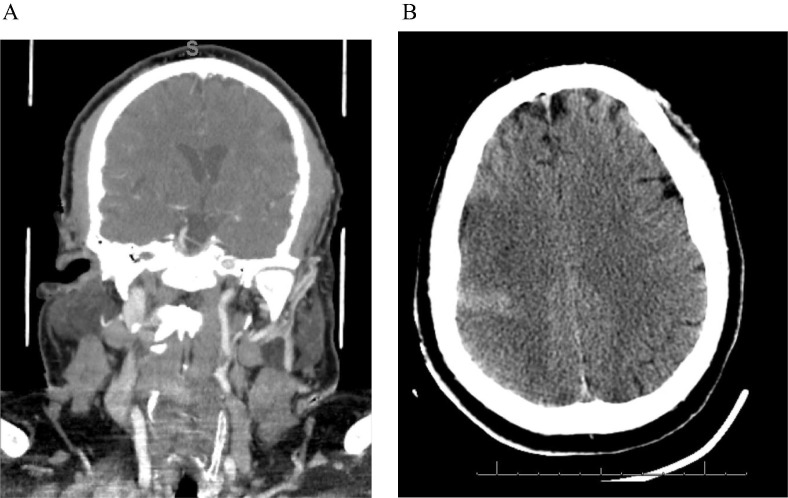
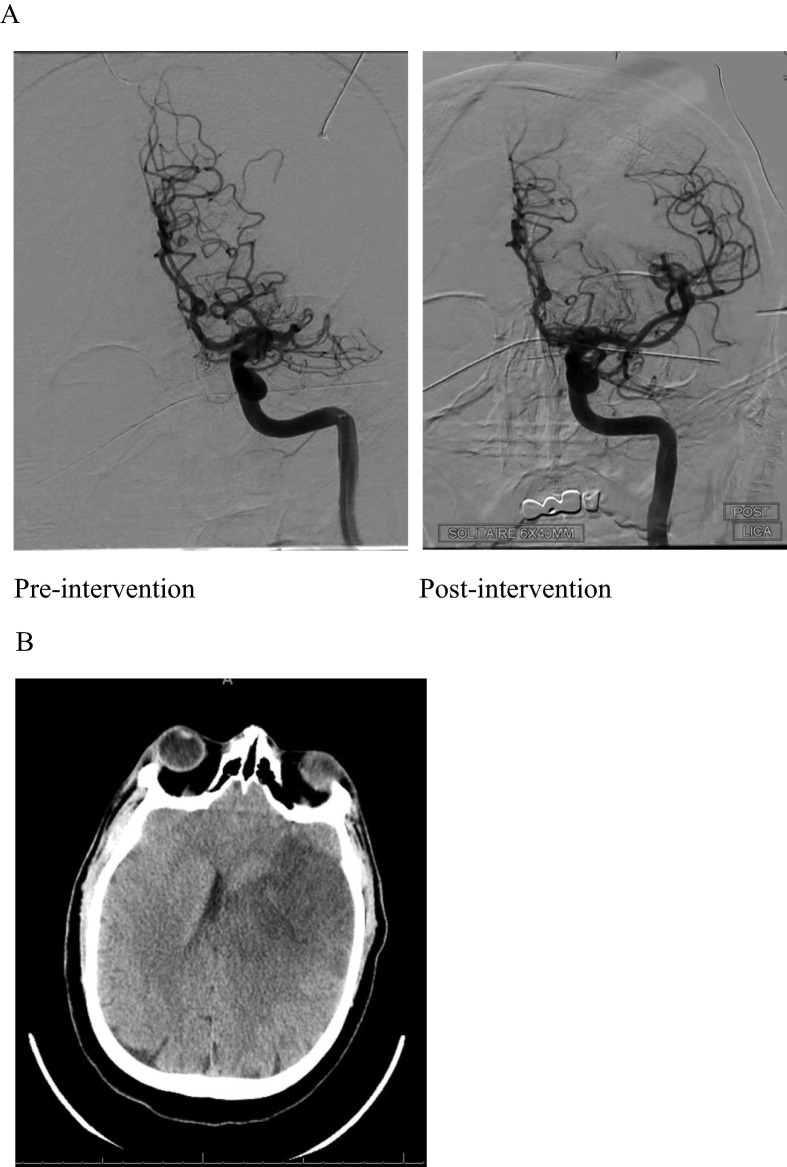
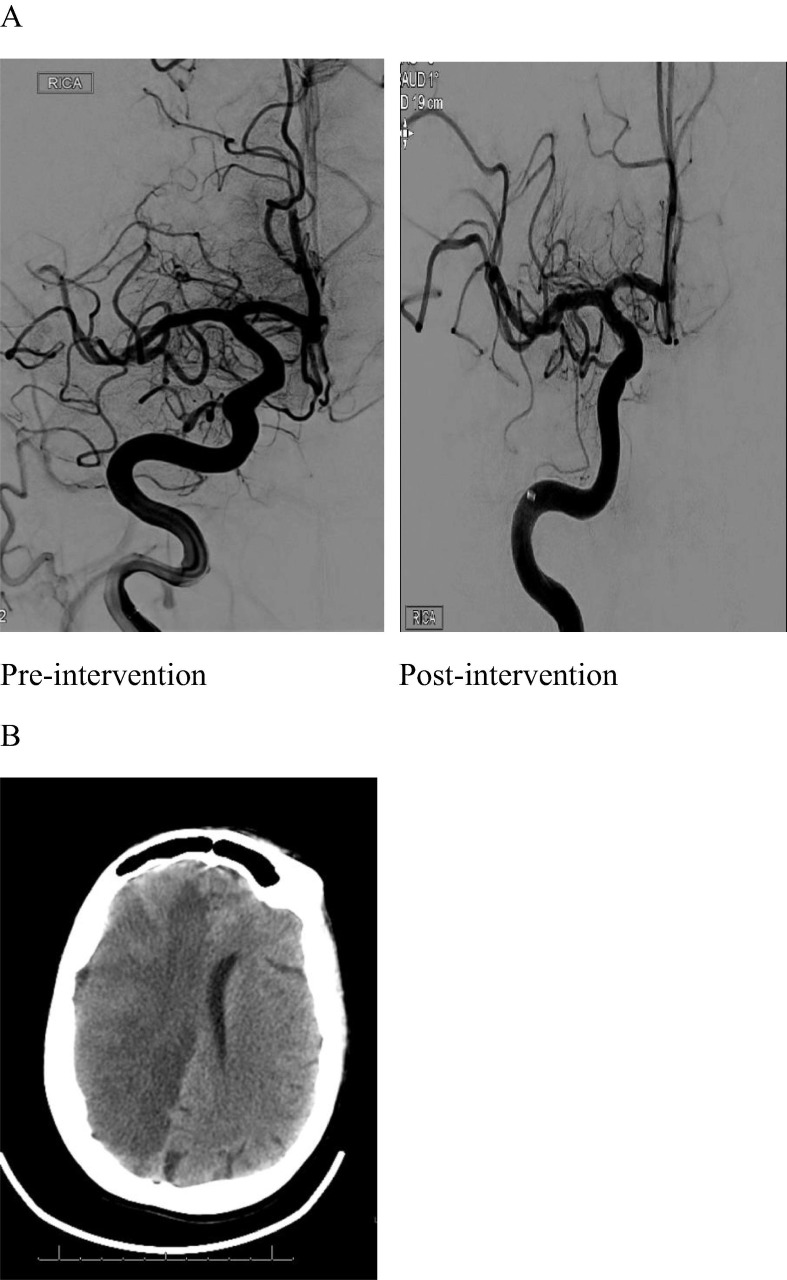
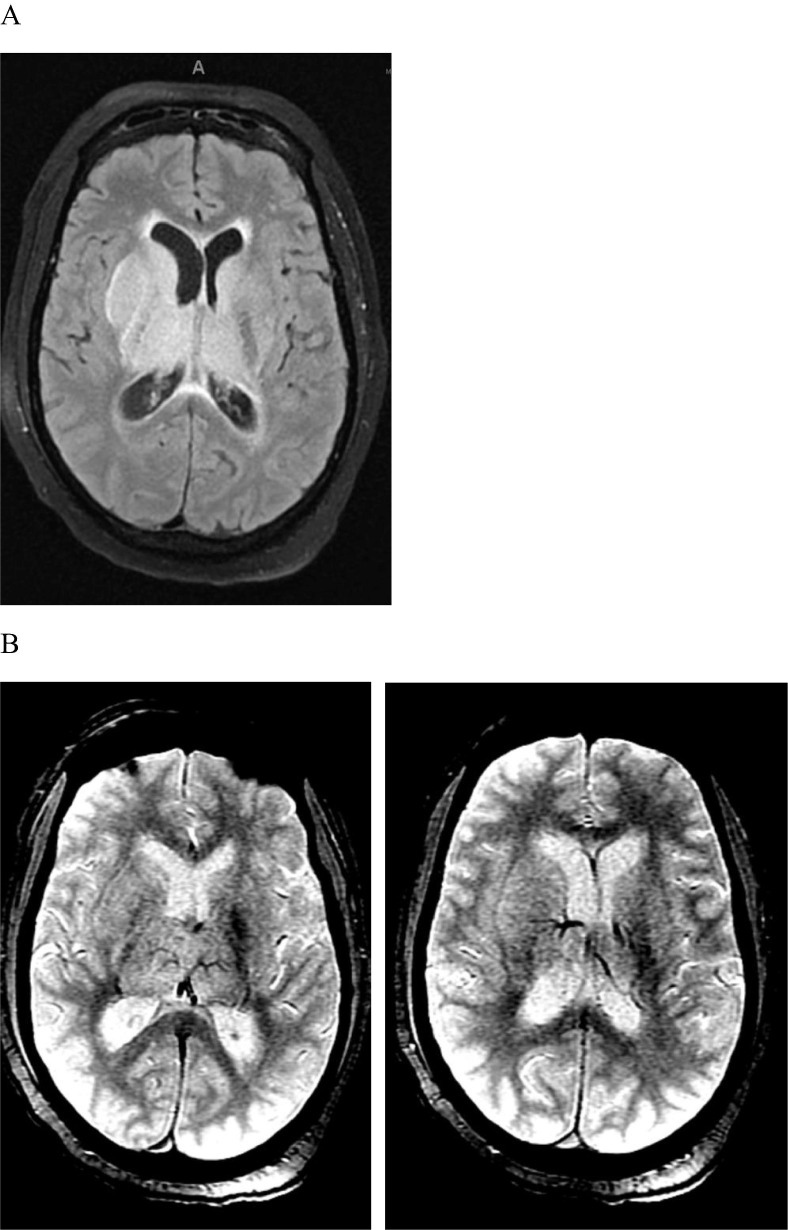
Coronavirus disease 2019 (COVID-19) is a global pandemic that causes flu-like symptoms. There is a growing body of evidence suggesting that both the central and peripheral nervous systems can be affected by SARS-CoV-2, including stroke. We present three cases of arterial ischemic strokes and one venous infarction from a cerebral venous sinus thrombosis in the setting of COVID-19 infection who otherwise had low risk factors for stroke.
We retrospectively reviewed patients presenting to a large tertiary care academic US hospital with stroke and who tested positive for COVID-19. Medical records were reviewed for demographics, imaging results and lab findings.
There were 3 cases of arterial ischemic strokes and 1 case of venous stroke: 3 males and 1 female. The mean age was 55 (48-70) years. All arterial strokes presented with large vessel occlusions and had mechanical thrombectomy performed. Two cases presented with stroke despite being on full anticoagulation.
It is important to recognize the neurological manifestations of COVID-19, especially ischemic stroke, either arterial or venous in nature. Hypercoagulability and the cytokine surge are perhaps the cause of ischemic stroke in these patients. Further studies are needed to understand the role of anticoagulation in these patients.
2019 年冠状病毒病(COVID-19)是一种全球性大流行疾病,可引起类似流感的症状。越来越多的证据表明,SARS-CoV-2 可影响中枢和外周神经系统,包括中风。我们报告了 COVID-19 感染患者中的 3 例动脉缺血性中风和 1 例静脉梗死,其中包括来自脑静脉窦血栓形成的静脉梗死,这些患者中风的其他危险因素较低。
我们回顾性分析了在一家大型三级护理学术美国医院就诊并 COVID-19 检测呈阳性的中风患者。对病历进行了人口统计学、影像学结果和实验室检查结果的审查。
有 3 例动脉缺血性中风和 1 例静脉性中风:3 名男性和 1 名女性。平均年龄为 55 岁(48-70 岁)。所有动脉性中风均表现为大血管闭塞,并进行了机械血栓切除术。尽管进行了充分抗凝治疗,但仍有 2 例发生中风。
认识 COVID-19 的神经表现很重要,尤其是动脉性或静脉性缺血性中风。高凝状态和细胞因子激增可能是这些患者发生缺血性中风的原因。需要进一步的研究来了解这些患者抗凝治疗的作用。