Al Heialy Saba, Hachim Mahmood Yaseen, Senok Abiola, Gaudet Mellissa, Abou Tayoun Ahmad, Hamoudi Rifat, Alsheikh-Ali Alawi, Hamid Qutayba
College of Medicine, Mohammed Bin Rashid University of Medicine and Health Sciences, Dubai, United Arab Emirates.
Meakins-Christie Laboratories, Research Institute of the McGill University Health Center, Montreal, QC, Canada.
Front Physiol. 2020 Sep 18;11:555039. doi: 10.3389/fphys.2020.555039. eCollection 2020.
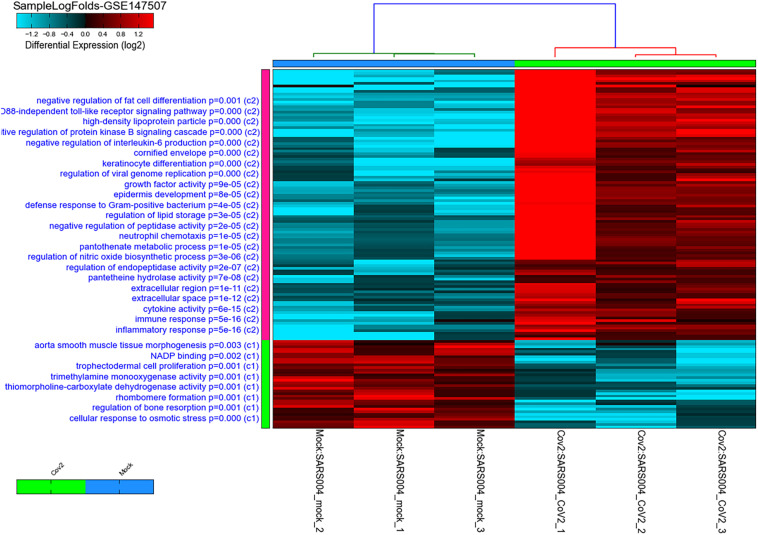
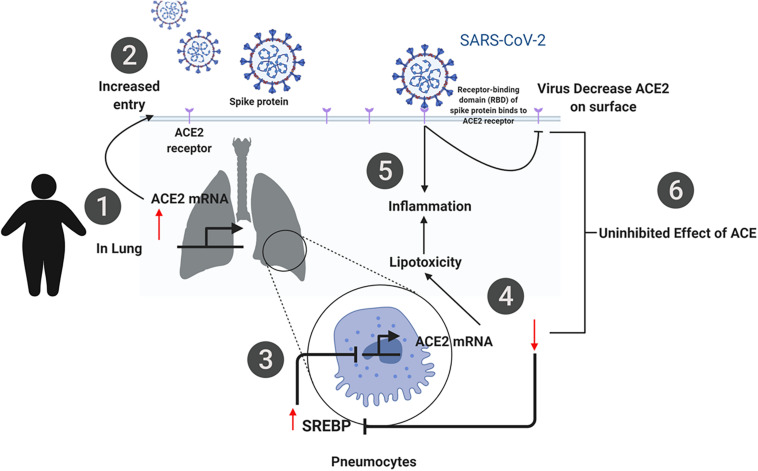
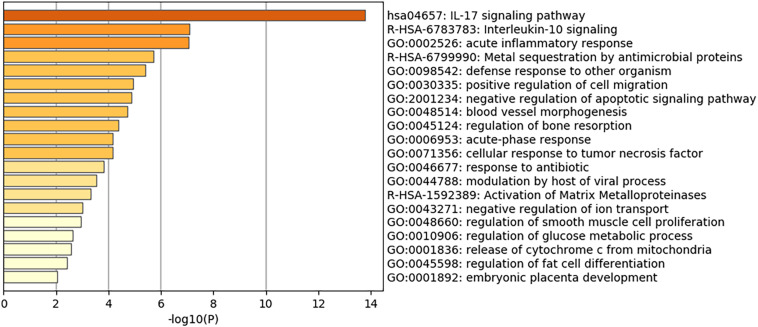
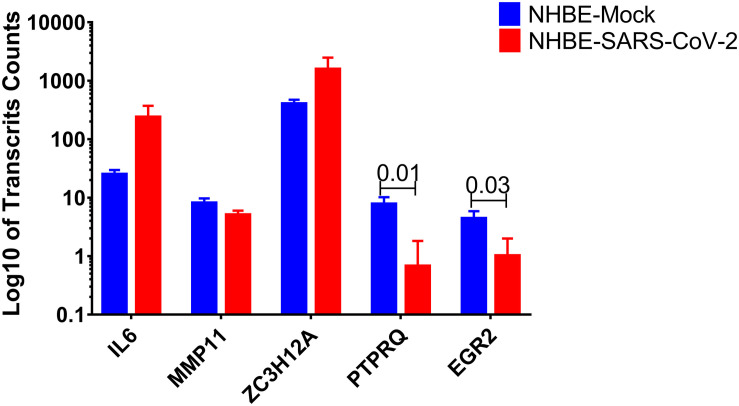
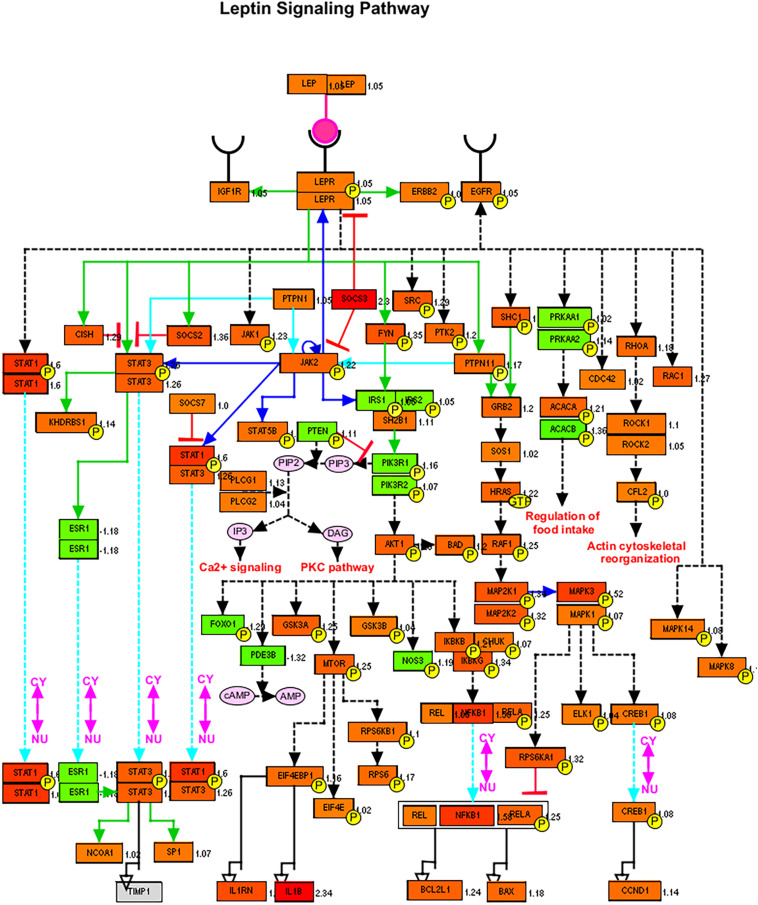
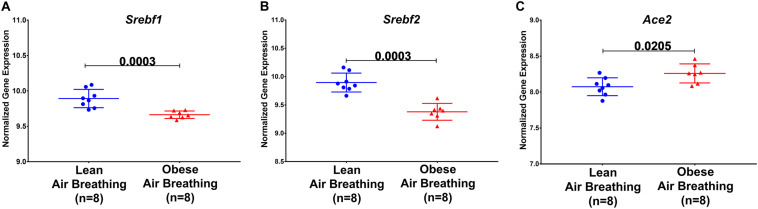
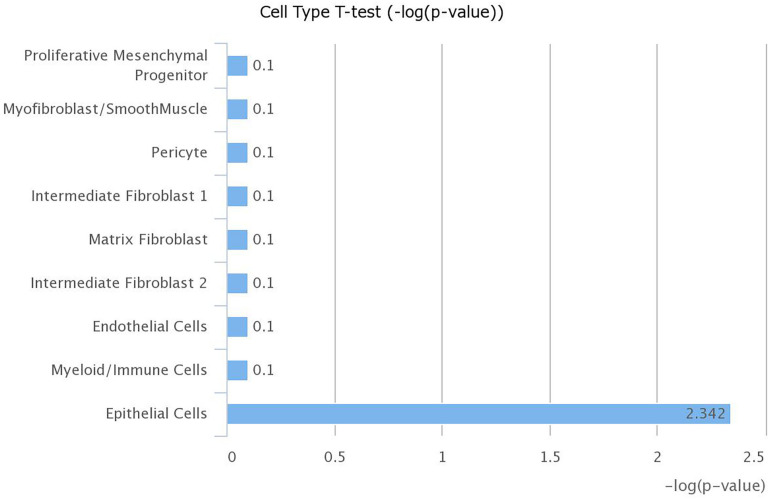
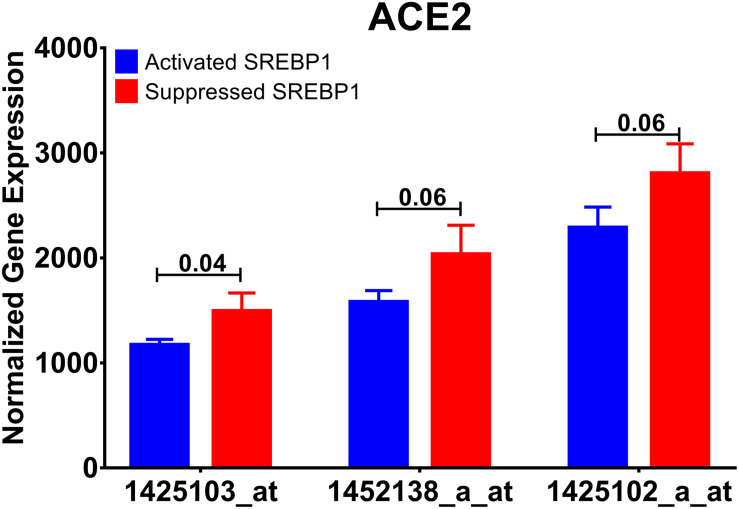
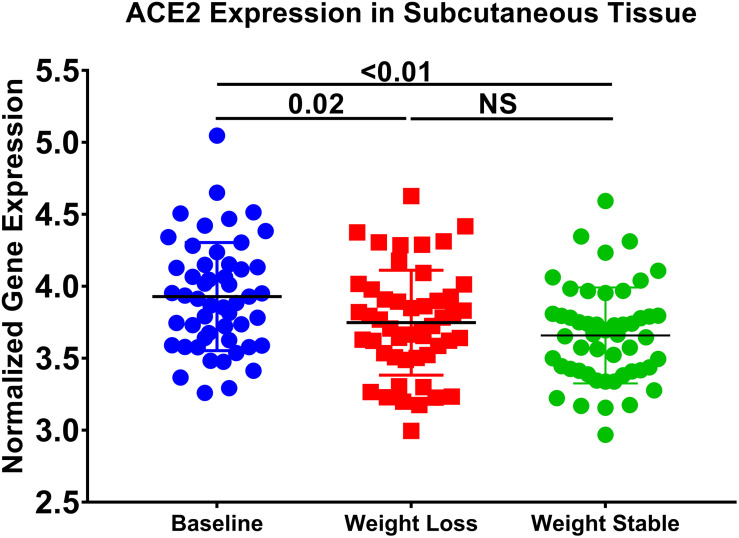
The ongoing COVID-19 pandemic is caused by the novel coronavirus SARS-CoV-2. Age, smoking, obesity, and chronic diseases such as cardiovascular disease and diabetes have been described as risk factors for severe complications and mortality in COVID-19. Obesity and diabetes are usually associated with dysregulated lipid synthesis and clearance, which can initiate or aggravate pulmonary inflammation and injury. It has been shown that for viral entry into the host cell, SARS-CoV-2 utilizes the angiotensin-converting enzyme 2 (ACE2) receptors present on the cells. We aimed to characterize how SARS-CoV-2 dysregulates lipid metabolism pathways in the host and the effect of dysregulated lipogenesis on the regulation of ACE2, specifically in obesity. In our study, through the re-analysis of publicly available transcriptomic data, we first found that lung epithelial cells infected with SARS-CoV-2 showed upregulation of genes associated with lipid metabolism, including the gene, which is involved in the regulation of inflammation and inhibition of leptin signaling. This is of interest as viruses may hijack host lipid metabolism to allow the completion of their viral replication cycles. Furthermore, a dataset using a mouse model of diet-induced obesity showed a significant increase in expression in the lungs, which negatively correlated with the expression of genes that code for sterol response element-binding proteins 1 and 2 (SREBP). Suppression of showed a significant increase in expression in the lung. Moreover, expression in human subcutaneous adipose tissue can be regulated through changes in diet. Validation of the data revealed a higher expression of and in lung epithelial cells from obese subjects compared to non-obese subjects. To our knowledge this is the first study to show upregulation of ACE2 and TMPRSS2 in obesity. and results suggest that the dysregulated lipogenesis and the subsequently high ACE2 expression in obese patients might be the mechanism underlying the increased risk for severe complications in those patients when infected by SARS-CoV-2.
持续的新冠疫情是由新型冠状病毒SARS-CoV-2引起的。年龄、吸烟、肥胖以及心血管疾病和糖尿病等慢性疾病被认为是新冠病毒感染出现严重并发症和死亡的风险因素。肥胖和糖尿病通常与脂质合成及清除失调有关,这会引发或加重肺部炎症和损伤。研究表明,SARS-CoV-2利用细胞表面的血管紧张素转换酶2(ACE2)受体进入宿主细胞。我们旨在研究SARS-CoV-2如何扰乱宿主的脂质代谢途径,以及脂质生成失调对ACE2调节的影响,特别是在肥胖人群中的影响。在我们的研究中,通过重新分析公开的转录组数据,我们首先发现感染SARS-CoV-2的肺上皮细胞中与脂质代谢相关的基因上调,包括参与炎症调节和抑制瘦素信号的基因。这一点很有意思,因为病毒可能会劫持宿主的脂质代谢以完成其病毒复制周期。此外,一个使用饮食诱导肥胖小鼠模型的数据集显示,肺部的表达显著增加,这与编码固醇调节元件结合蛋白1和2(SREBP)的基因表达呈负相关。抑制显示肺部的表达显著增加。此外,人类皮下脂肪组织中的表达可通过饮食变化来调节。对数据的验证显示,与非肥胖受试者相比,肥胖受试者的肺上皮细胞中ACE2和TMPRSS2的表达更高。据我们所知,这是第一项显示肥胖人群中ACE2和TMPRSS2上调的研究。和结果表明,肥胖患者脂质生成失调以及随后ACE2高表达可能是这些患者感染SARS-CoV-2后出现严重并发症风险增加的潜在机制。