School of Medical Instrumentation, Shanghai University of Medicine & Health Sciences, 257 Tianxiong Road, Shanghai, 201318, China.
Department of Intensive Care Medicine, Zhongshan Hospital, Fudan University, 180 Fenglin Road, Shanghai, 200032, China.
Ann Biomed Eng. 2020 Dec;48(12):3003-3013. doi: 10.1007/s10439-020-02648-0. Epub 2020 Oct 19.
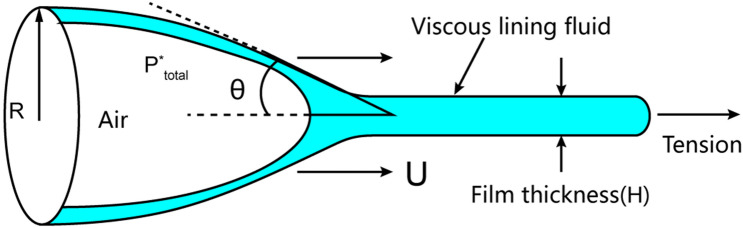
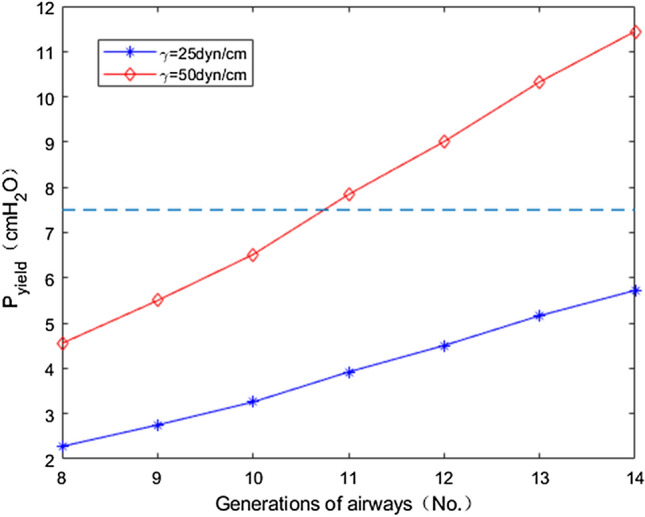
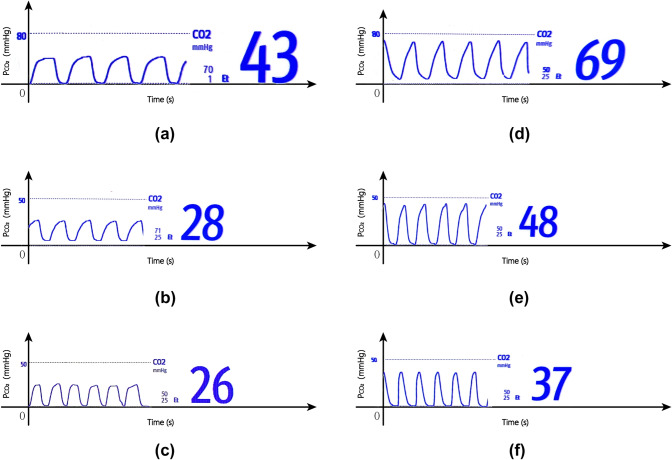
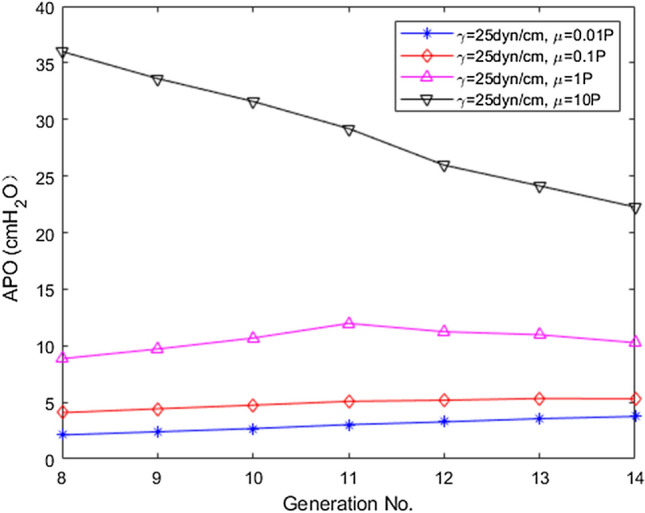
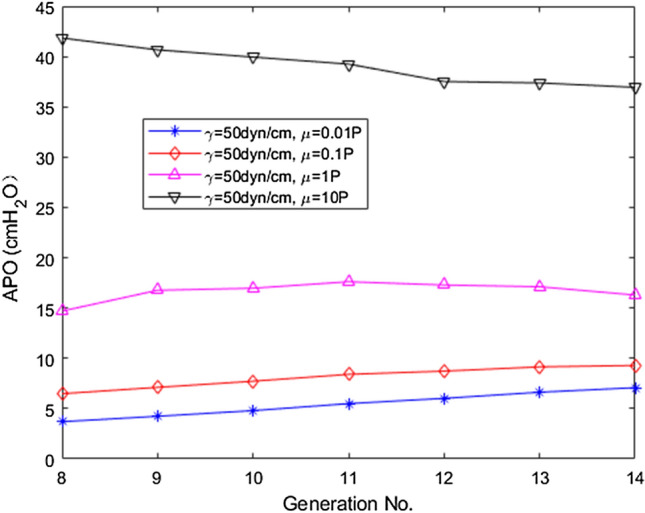
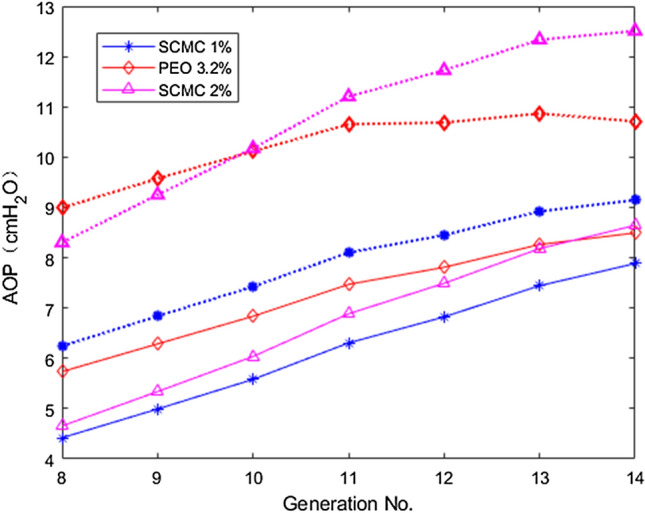
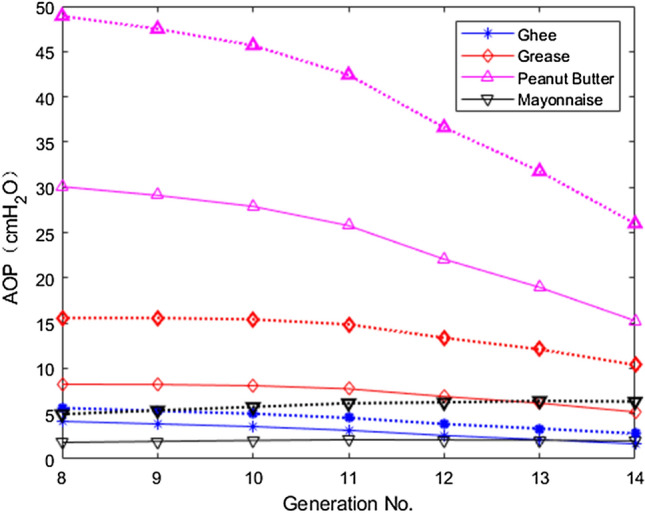
In patients with critically ill COVID-19 pneumonia, lower airways are filled with plenty of highly viscous exudates or mucus, leading to airway occlusion. The estimation of airway opening pressures and effective mucus clearance are therefore two issues that clinicians are most concerned about during mechanical ventilation. In this study we retrospectively analyzed respiratory data from 24 critically ill patients with COVID-19 who received invasive mechanical ventilation and recruitment maneuver at Jinyintan Hospital in Wuhan, China. Among 24 patients, the mean inspiratory plateau pressure was 52.4 ± 4.4 cmHO (mean ± [SD]). Particularly, the capnograms presented an upward slope during the expiratory plateau, indicting the existence of airway obstruction. A computational model of airway opening was subsequently introduced to investigate possible fluid dynamic mechanisms for the extraordinarily high inspiratory plateau pressures among these patients. Our simulation results showed that the predicted airway opening pressures could be as high as 40-50 cmHO and the suction pressure could exceed 20 kPa as the surface tension and viscosity of secretion simulants markedly increased, likely causing the closures of the distal airways. We concluded that, in some critically ill patients with COVID-19, limiting plateau pressure to 30 cmHO may not guarantee the opening of airways due to the presence of highly viscous lower airway secretions, not to mention spontaneous inspiratory efforts. Active airway humidification and effective expectorant drugs are therefore strongly recommended during airway management.
在患有危重症 COVID-19 肺炎的患者中,下呼吸道充满了大量高粘性渗出物或黏液,导致气道阻塞。因此,气道开放压的评估和有效黏液清除是机械通气期间临床医生最关心的两个问题。在这项研究中,我们回顾性分析了来自在中国武汉金银潭医院接受有创机械通气和募集手法的 24 例 COVID-19 危重症患者的呼吸数据。在 24 例患者中,平均吸气平台压为 52.4±4.4 cmH2O(平均值±[标准差])。特别是,呼气平台期的呼气末二氧化碳描记图呈现向上的斜率,表明存在气道阻塞。随后引入了气道开口的计算模型,以研究这些患者中异常高吸气平台压的可能流体动力学机制。我们的模拟结果表明,预测的气道开口压力可能高达 40-50 cmH2O,并且当分泌物模拟物的表面张力和粘度明显增加时,抽吸压力可能超过 20 kPa,可能导致远端气道关闭。我们得出结论,在一些患有 COVID-19 的危重症患者中,由于存在高粘性的下呼吸道分泌物,将平台压限制在 30 cmH2O 可能无法保证气道开放,更不用说自主吸气努力了。因此,强烈建议在气道管理期间进行积极的气道湿化和有效的祛痰药物治疗。