Save Sight Institute, Discipline of Ophthalmology, Sydney Medical School, University of Sydney, Sydney, NSW, 2000, Australia.
Department of Ophthalmology, West Virginia University, Morgantown, WV, 26506, USA.
Cell Death Dis. 2020 Oct 20;11(10):885. doi: 10.1038/s41419-020-03103-7.
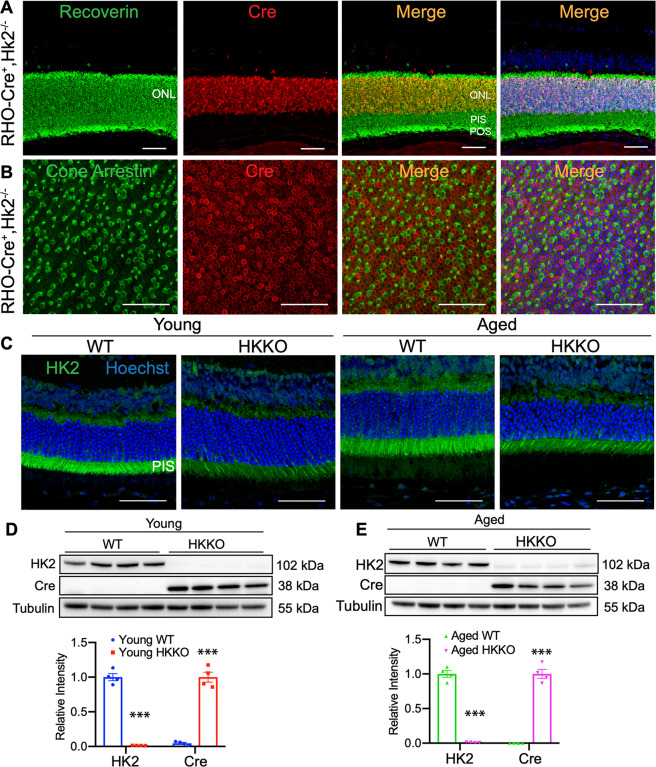
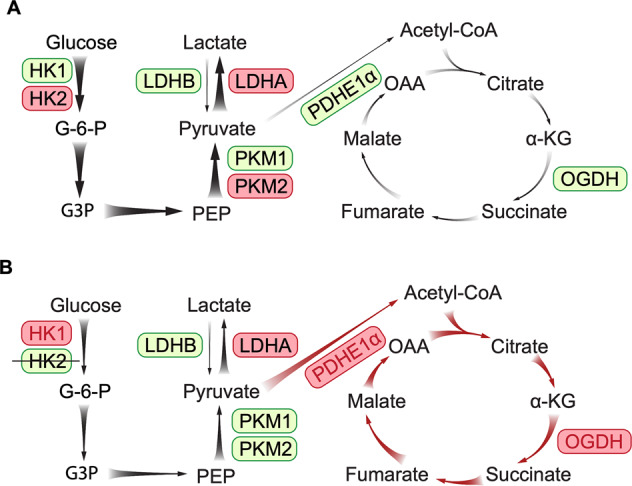
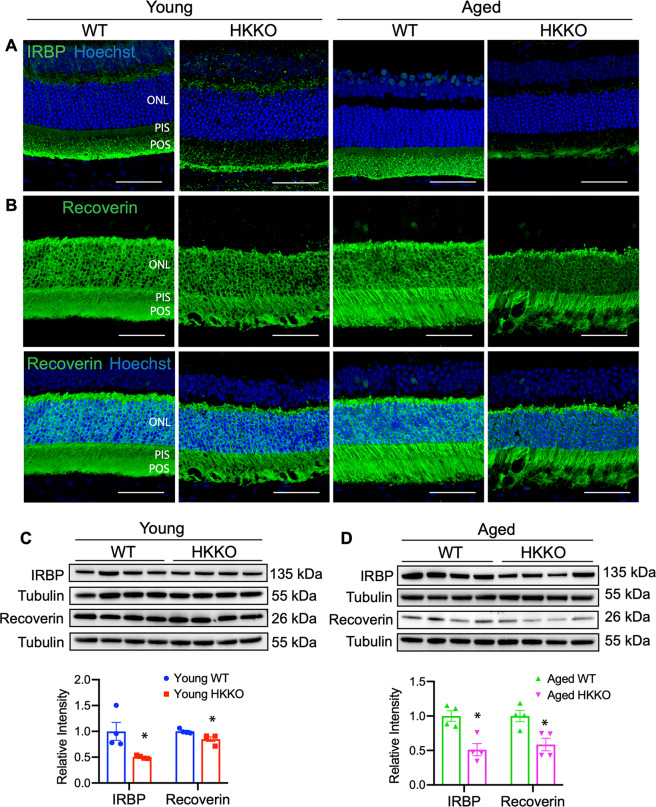
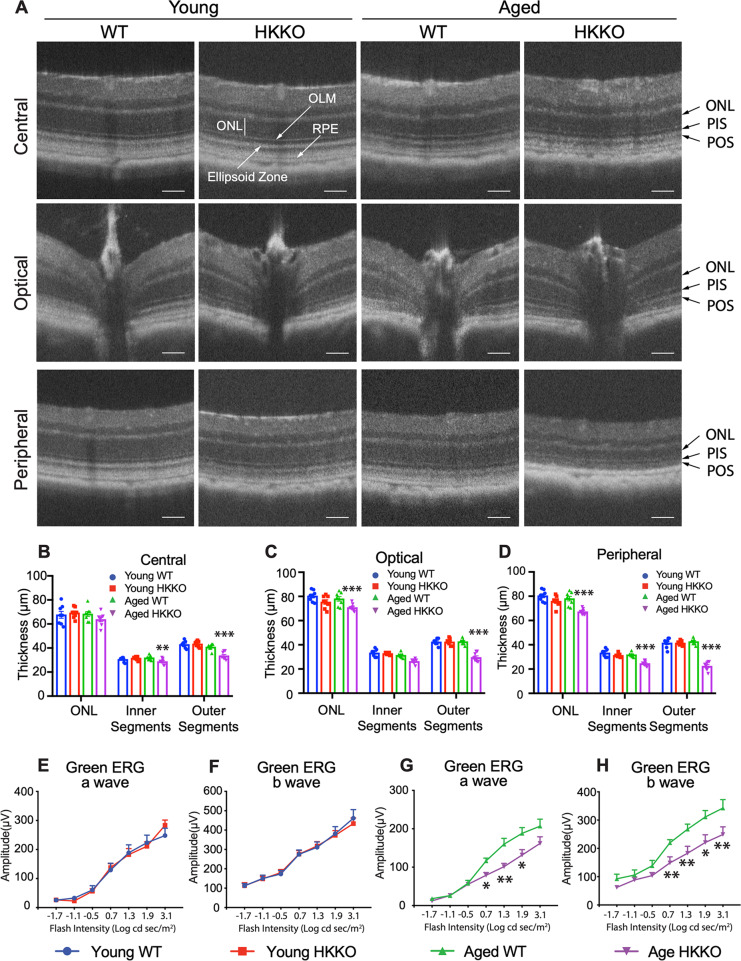
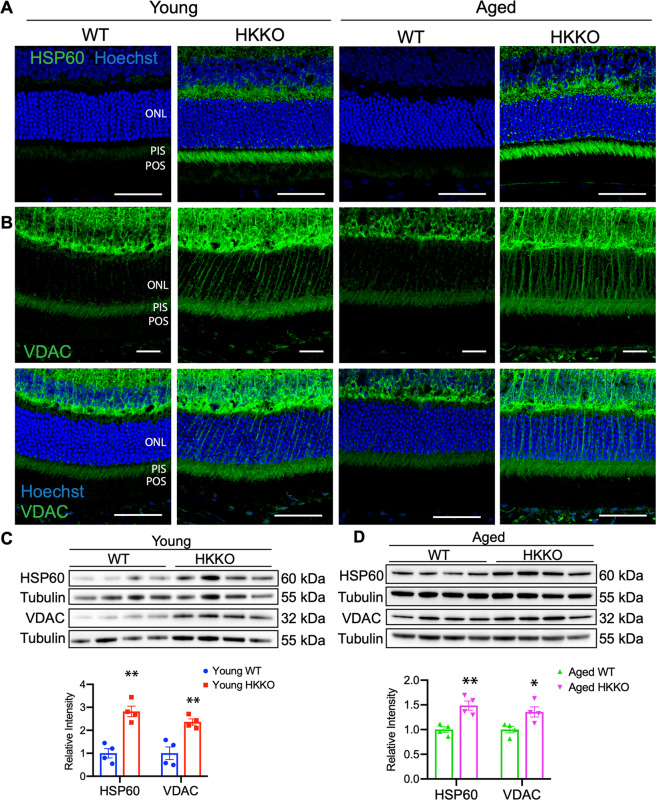
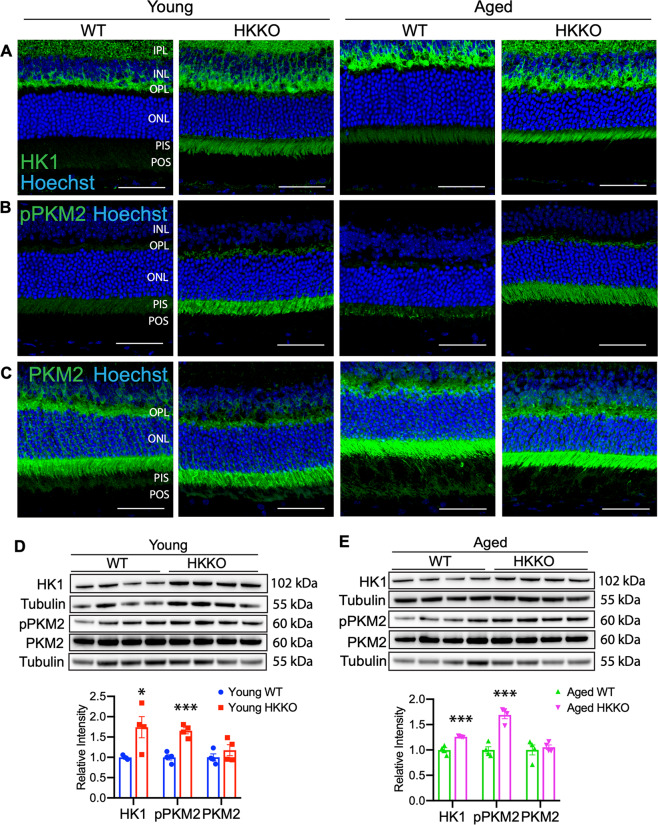
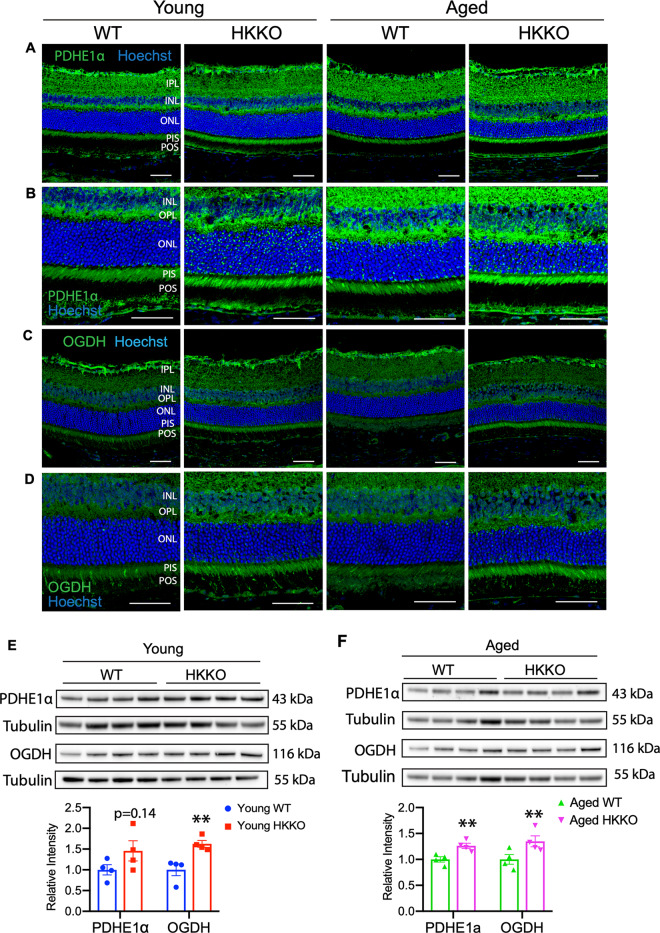
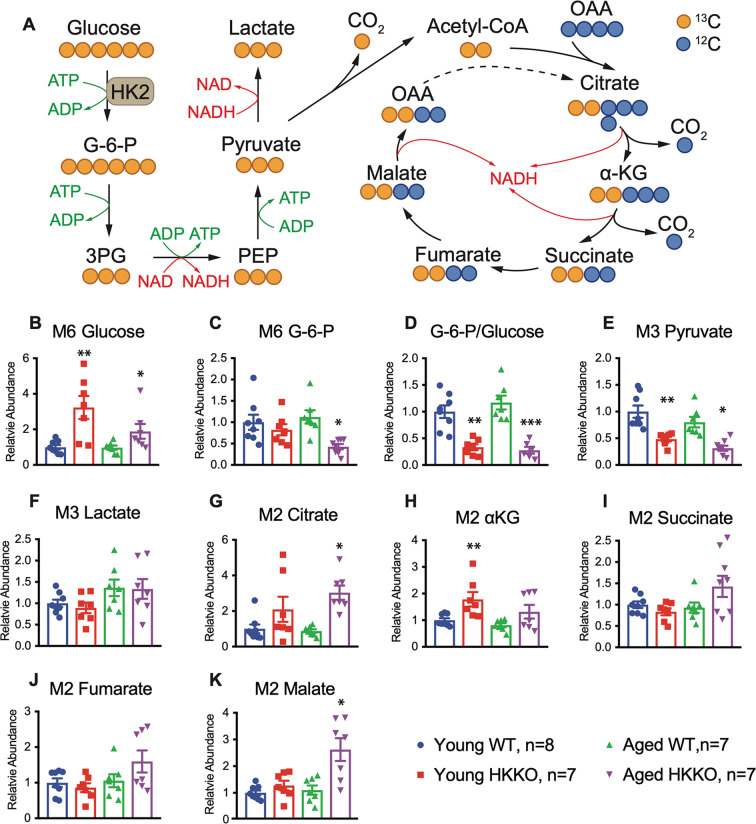
Photoreceptors, the primary site of phototransduction in the retina, require energy and metabolites to constantly renew their outer segments. They preferentially consume most glucose through aerobic glycolysis despite possessing abundant mitochondria and enzymes for oxidative phosphorylation (OXPHOS). Exactly how photoreceptors balance aerobic glycolysis and mitochondrial OXPHOS to regulate their survival is still unclear. We crossed rhodopsin-Cre mice with hexokinase 2 (HK2)-floxed mice to study the effect of knocking down HK2, the first rate-limiting enzyme in glycolysis, on retinal health and metabolic remodeling. Immunohistochemistry and Western blots were performed to study changes in photoreceptor-specific proteins and key enzymes in glycolysis and the tricarboxylic acid (TCA) cycle. Changes in retinal structure and function were studied by optical coherence tomography and electroretinography. Mass spectrometry was performed to profile changes in C-glucose-derived metabolites in glycolysis and the TCA cycle. We found that knocking down HK2 in rods led to age-related photoreceptor degeneration, evidenced by reduced expression of photoreceptor-specific proteins, age-related reductions of the outer nuclear layer, photoreceptor inner and outer segments and impaired electroretinographic responses. Loss of HK2 in rods led to upregulation of HK1, phosphorylation of pyruvate kinase muscle isozyme 2, mitochondrial stress proteins and enzymes in the TCA cycle. Mass spectrometry found that the deletion of HK2 in rods resulted in accumulation of C-glucose along with decreased pyruvate and increased metabolites in the TCA cycle. Our data suggest that HK2-mediated aerobic glycolysis is indispensable for the maintenance of photoreceptor structure and function and that long-term inhibition of glycolysis leads to photoreceptor degeneration.
光感受器是视网膜光转导的主要部位,需要能量和代谢物来不断更新其外节。尽管它们拥有丰富的线粒体和氧化磷酸化(OXPHOS)所需的酶,但它们仍然优先通过有氧糖酵解来消耗大部分葡萄糖。光感受器如何平衡有氧糖酵解和线粒体 OXPHOS 以调节其存活仍不清楚。我们将视紫红质-Cre 小鼠与己糖激酶 2(HK2)-条件敲除小鼠进行杂交,以研究敲低糖酵解的第一限速酶 HK2 对视网膜健康和代谢重塑的影响。通过免疫组织化学和 Western blot 研究了光感受器特异性蛋白和糖酵解及三羧酸(TCA)循环关键酶的变化。通过光相干断层扫描和视网膜电图研究了视网膜结构和功能的变化。通过质谱分析研究了糖酵解和 TCA 循环中 C-葡萄糖衍生代谢物的变化。我们发现敲低 rods 中的 HK2 会导致与年龄相关的光感受器变性,这表现在光感受器特异性蛋白表达减少、外核层、光感受器内外节随年龄缩小以及视网膜电图反应受损。rod 中的 HK2 缺失会导致 HK1 上调、丙酮酸激酶肌肉同工酶 2磷酸化、线粒体应激蛋白和 TCA 循环中的酶上调。质谱分析发现,rod 中 HK2 的缺失导致 C-葡萄糖的积累,同时丙酮酸减少,TCA 循环中的代谢物增加。我们的数据表明,HK2 介导的有氧糖酵解对于维持光感受器的结构和功能是必不可少的,而长期抑制糖酵解会导致光感受器变性。