Sun Binmei, Zhou Xin, Chen Changming, Chen Chengjie, Chen Kunhao, Chen Muxi, Liu Shaoqun, Chen Guoju, Cao Bihao, Cao Fanrong, Lei Jianjun, Zhu Zhangsheng
Key Laboratory of Biology and Genetic Improvement of Horticultural Crops (South China), Ministry of Agriculture and Rural Affairs, College of Horticulture, South China Agricultural University, Guangzhou, 510642 China.
Jiangxi Agricultural Engineering College, Zhangshu, 331200 Jiangxi China.
Hortic Res. 2020 Oct 1;7(1):162. doi: 10.1038/s41438-020-00381-2. eCollection 2020.
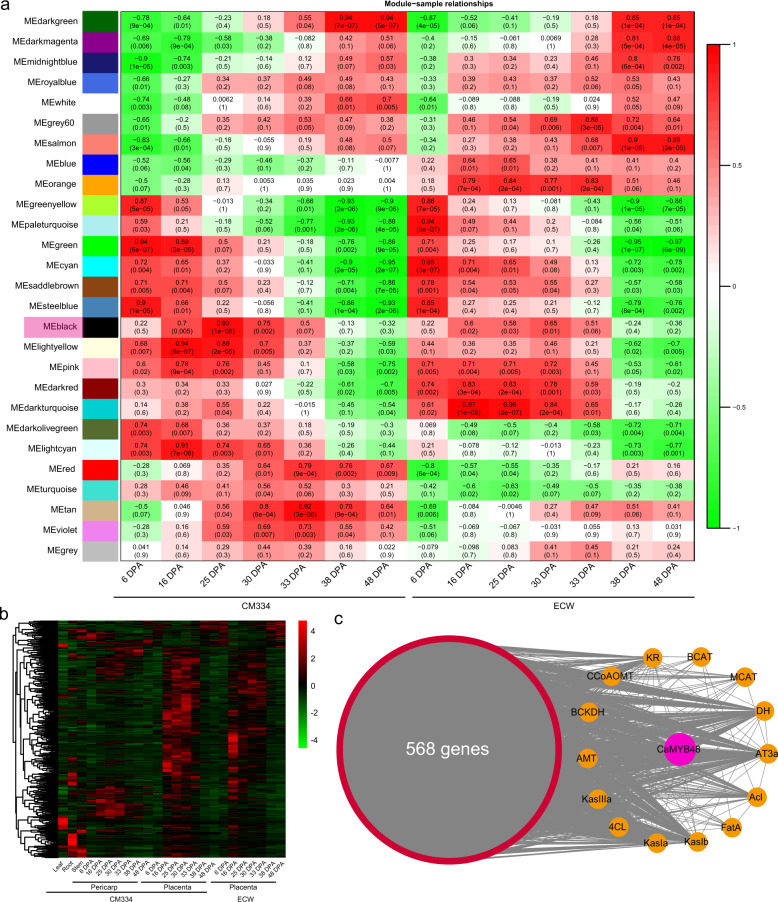
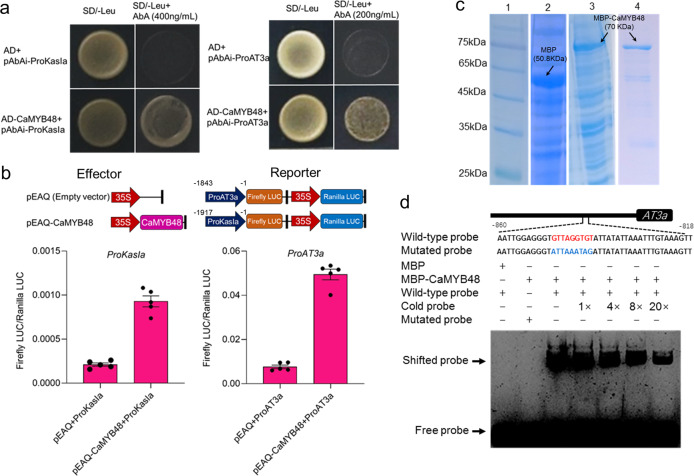
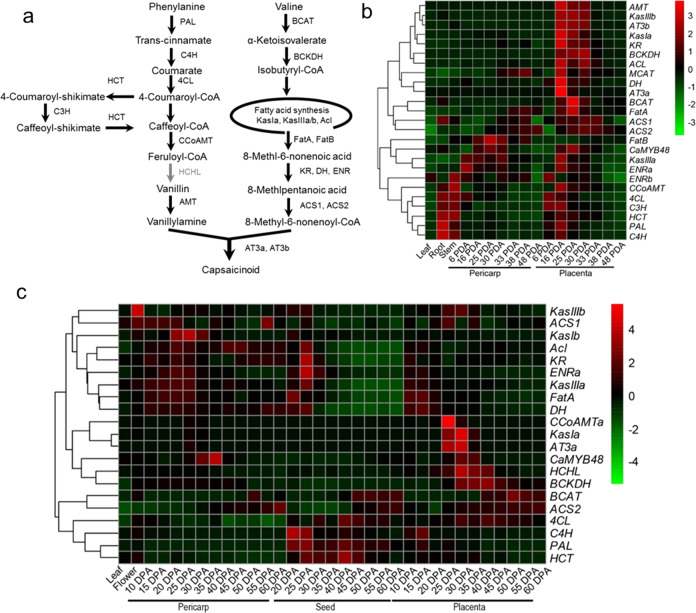
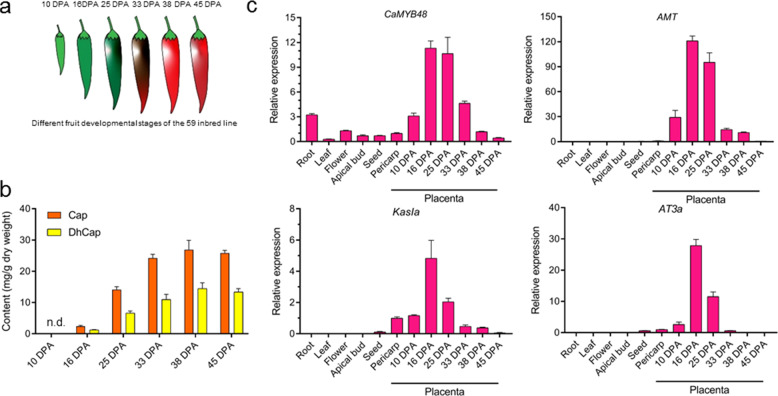
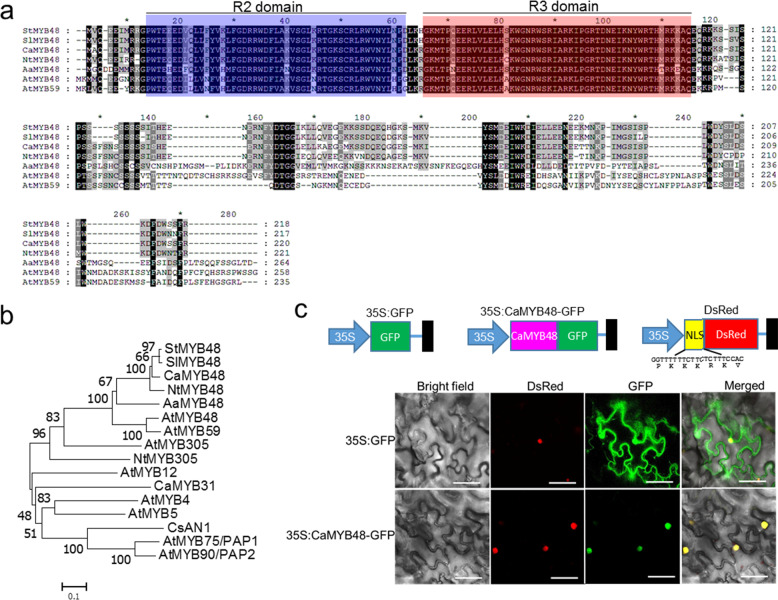
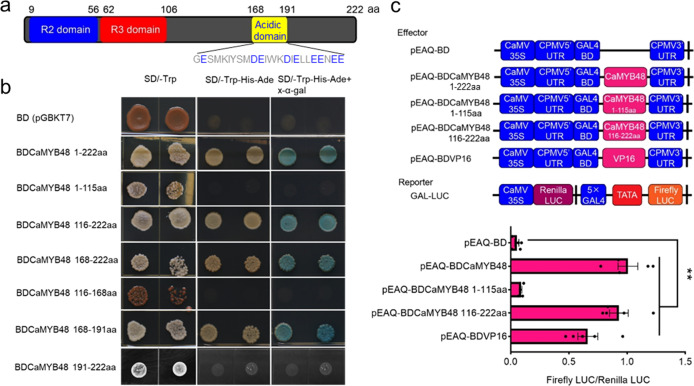
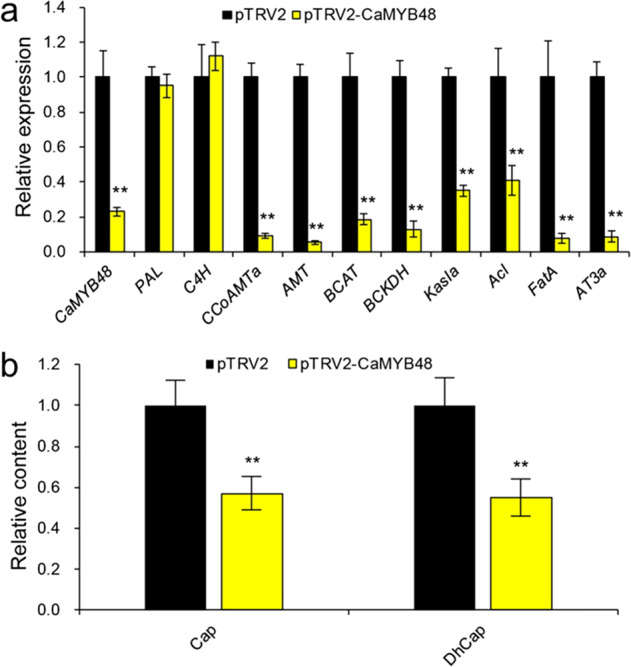
Plant biosynthesis involves numerous specialized metabolites with diverse chemical natures and biological activities. The biosynthesis of metabolites often exclusively occurs in response to tissue-specific combinatorial developmental cues that are controlled at the transcriptional level. Capsaicinoids are a group of specialized metabolites that confer a pungent flavor to pepper fruits. Capsaicinoid biosynthesis occurs in the fruit placenta and combines its developmental cues. Although the capsaicinoid biosynthetic pathway has been largely characterized, the regulatory mechanisms that control capsaicinoid metabolism have not been fully elucidated. In this study, we combined fruit placenta transcriptome data with weighted gene coexpression network analysis (WGCNA) to generate coexpression networks. A capsaicinoid-related gene module was identified in which the MYB transcription factor CaMYB48 plays a critical role in regulating capsaicinoid in pepper. Capsaicinoid biosynthetic gene (CBG) and CaMYB48 expression primarily occurs in the placenta and is consistent with capsaicinoid biosynthesis. CaMYB48 encodes a nucleus-localized protein that primarily functions as a transcriptional activator through its C-terminal activation motif. CaMYB48 regulates capsaicinoid biosynthesis by directly regulating the expression of CBGs, including and . Taken together, the results of this study indicate ways to generate robust networks optimized for the mining of CBG-related regulators, establishing a foundation for future research elucidating capsaicinoid regulation.
植物生物合成涉及众多具有不同化学性质和生物活性的特殊代谢产物。代谢产物的生物合成通常仅在转录水平控制的组织特异性组合发育线索的响应下发生。辣椒素类物质是赋予辣椒果实辛辣味道的一类特殊代谢产物。辣椒素类物质的生物合成发生在果实胎座中,并结合其发育线索。尽管辣椒素类物质的生物合成途径已得到很大程度的表征,但控制辣椒素类物质代谢的调控机制尚未完全阐明。在本研究中,我们将果实胎座转录组数据与加权基因共表达网络分析(WGCNA)相结合以生成共表达网络。鉴定出一个与辣椒素类物质相关的基因模块,其中MYB转录因子CaMYB48在调控辣椒中的辣椒素类物质方面起关键作用。辣椒素类物质生物合成基因(CBG)和CaMYB48的表达主要发生在胎座中,并且与辣椒素类物质的生物合成一致。CaMYB48编码一种定位于细胞核的蛋白质,其主要通过其C端激活基序作为转录激活因子发挥作用。CaMYB48通过直接调控包括 和 在内的CBG的表达来调控辣椒素类物质的生物合成。综上所述,本研究结果表明了生成针对CBG相关调控因子挖掘进行优化稳健网络的方法,为未来阐明辣椒素类物质调控的研究奠定了基础。