Nass Sara R, Hahn Yun K, McLane Virginia D, Varshneya Neil B, Damaj M Imad, Knapp Pamela E, Hauser Kurt F
Department of Pharmacology and Toxicology, Virginia Commonwealth University, Medical College of Virginia (MCV) Campus, Richmond, P.O. Box 980613, VA, 23298-0613, USA.
Department of Anatomy and Neurobiology, Virginia Commonwealth University, Medical College of Virginia (MCV) Campus, P.O. Box 980709, Richmond, VA, 23298-0709, USA.
Brain Behav Immun Health. 2020 May;5. doi: 10.1016/j.bbih.2020.100077. Epub 2020 Apr 29.
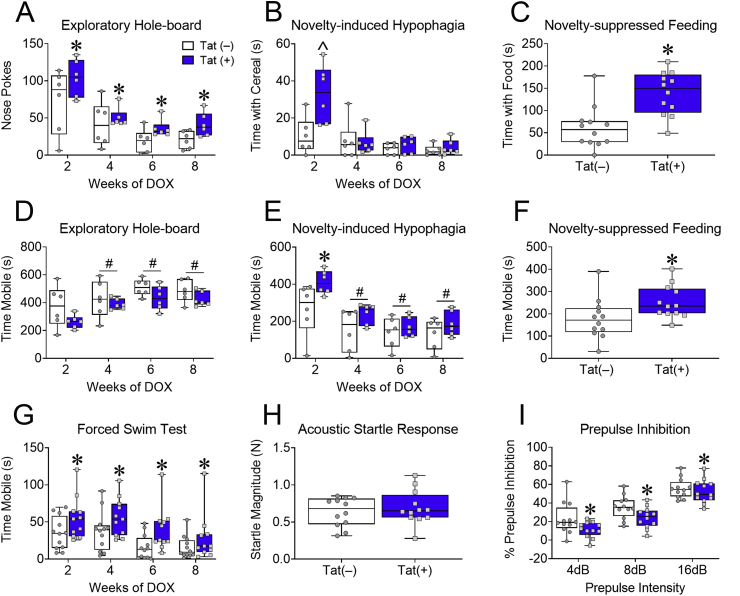
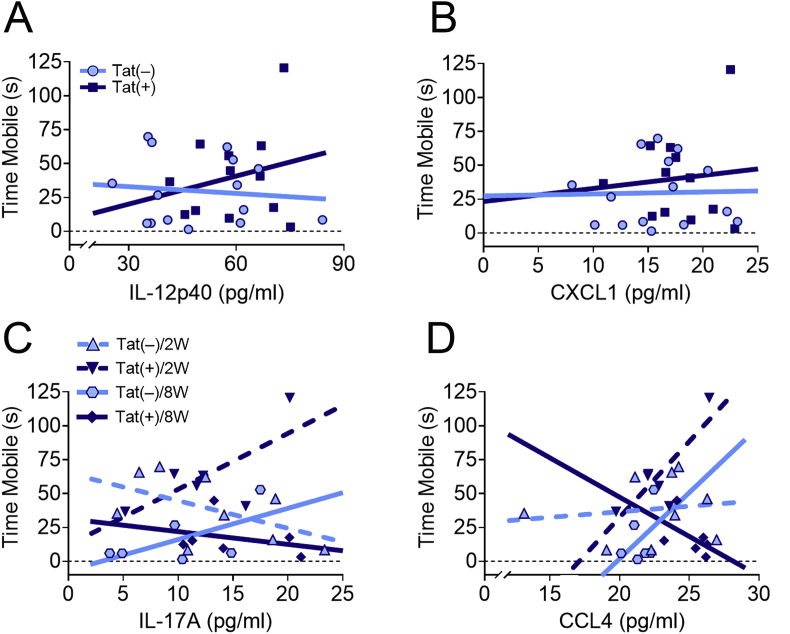
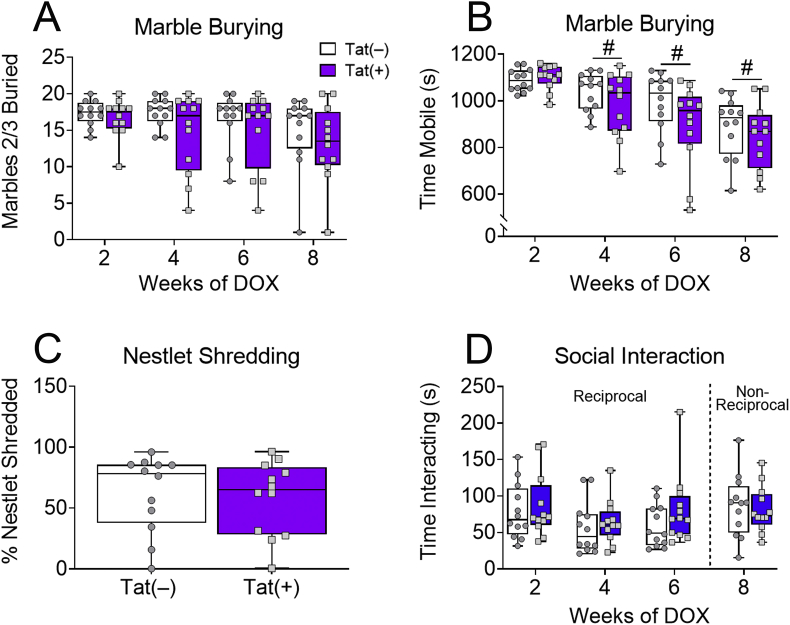
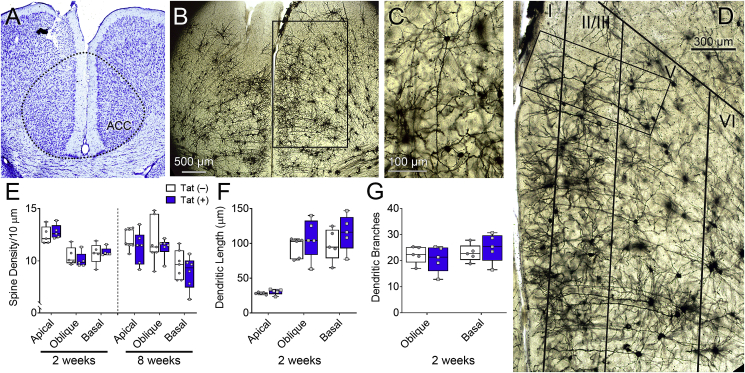
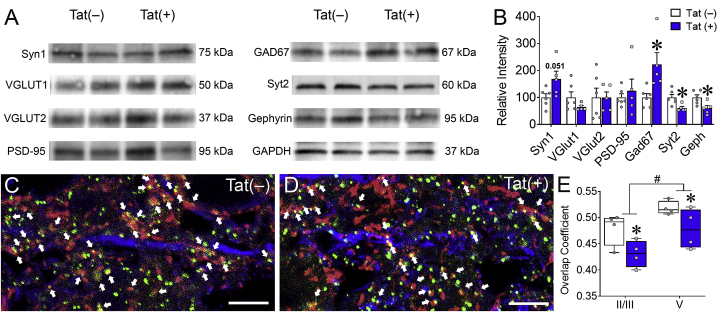
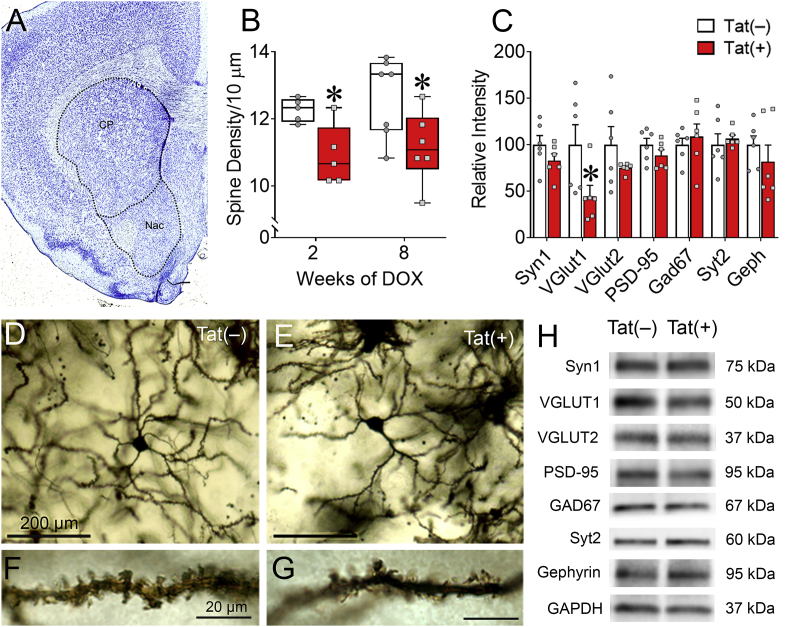
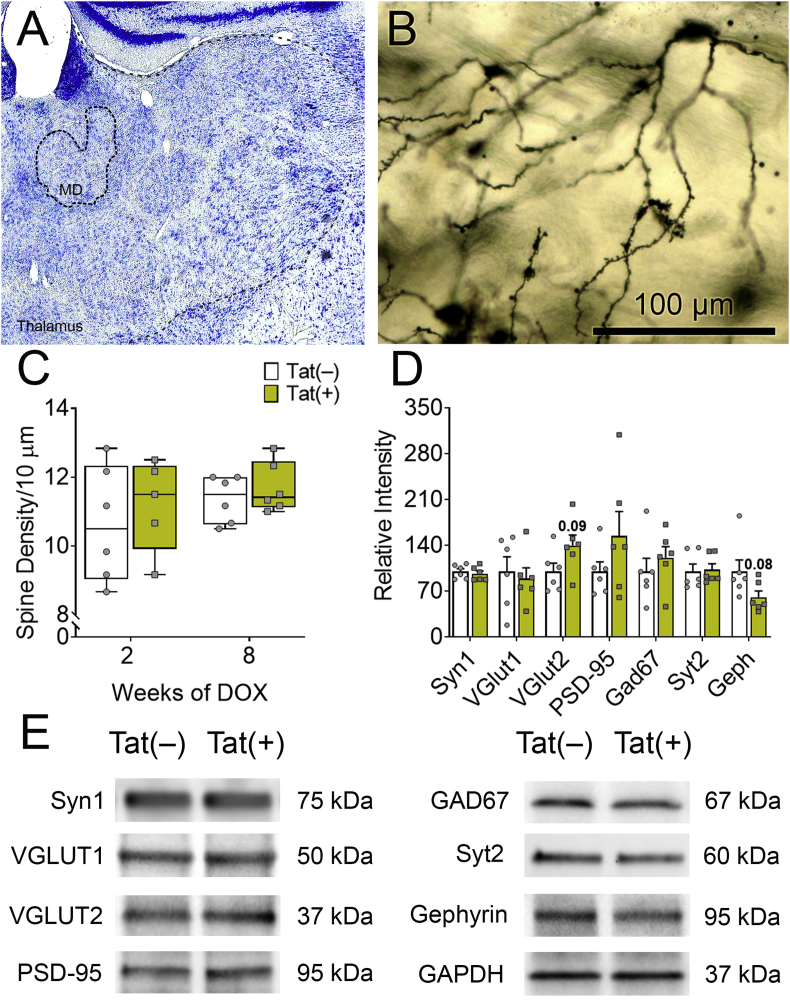
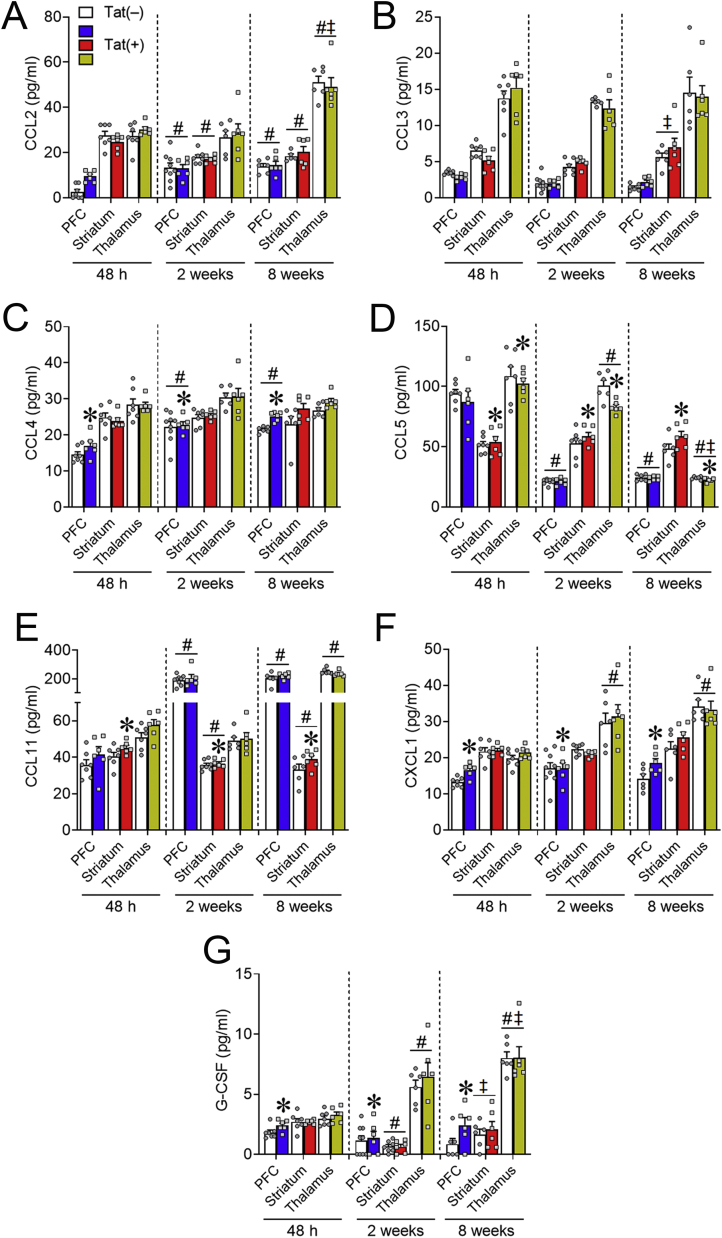
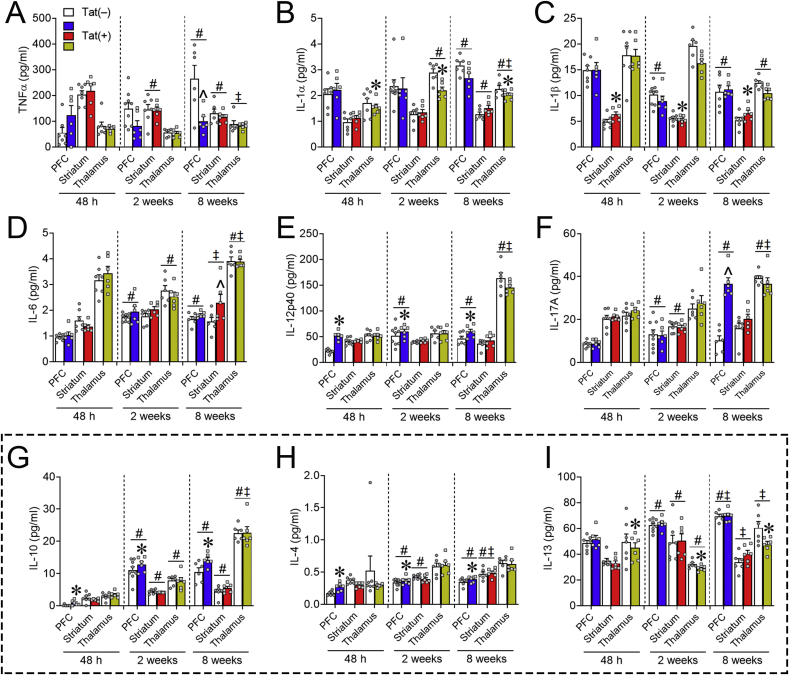
HIV-1 selectively disrupts neuronal integrity within specific brain regions, reflecting differences in viral tropism and/or the regional differences in the vulnerability of distinct neuronal subpopulations within the CNS. Deficits in prefrontal cortex (PFC)-mediated executive function and the resultant loss of behavioral control are a particularly debilitating consequence of neuroHIV. To explore how HIV-1 disrupts executive function, we investigated the effects of 48 h, 2 and/or 8 weeks of HIV-1 Tat exposure on behavioral control, synaptic connectivity, and neuroimmune function in the anterior cingulate cortex (ACC) and associated cortico-basal ganglia (BG)-thalamocortical circuitry in adult, Tat transgenic male mice. HIV-1 Tat exposure increased novelty-exploration in response to novel food, flavor, and environmental stimuli, suggesting that Tat triggers increased novelty-exploration in situations of competing motivation (e.g., drive to feed or explore vs. fear of novel, brightly lit open areas). Furthermore, Tat induced adaptability in response to an environmental stressor and pre-attentive filtering deficits. The behavioral insufficiencies coincided with decreases in the inhibitory pre- and post-synaptic proteins, synaptotagmin 2 and gephyrin, respectively, in the ACC, and alterations in specific pro- and anti-inflammatory cytokines out of 23 assayed. The interaction of Tat exposure and the resultant time-dependent, selective alterations in CCL4, CXCL1, IL-12p40, and IL-17A levels in the PFC predicted significant decreases in adaptability. Tat decreased dendritic spine density and cortical VGLUT1 inputs, while increasing IL-1β, IL-6, CCL5, and CCL11 in the striatum. Alternatively, IL-1α, CCL5, and IL-13 were decreased in the mediodorsal thalamus despite the absence of synaptic changes. Thus, HIV-1 Tat appears to uniquely and systematically disrupt immune regulation and the inhibitory and excitatory synaptic balance throughout the ACC-BG-thalamocortical circuitry resulting in a loss of behavioral control.
HIV-1选择性地破坏特定脑区的神经元完整性,这反映了病毒嗜性的差异和/或中枢神经系统内不同神经元亚群易损性的区域差异。前额叶皮质(PFC)介导的执行功能缺陷以及随之而来的行为控制丧失是神经HIV的一个特别使人衰弱的后果。为了探究HIV-1如何破坏执行功能,我们研究了在成年Tat转基因雄性小鼠中,HIV-1 Tat暴露48小时、2周和/或8周对前扣带回皮质(ACC)以及相关皮质-基底神经节(BG)-丘脑皮质回路中的行为控制、突触连接和神经免疫功能的影响。HIV-1 Tat暴露增加了对新食物、新味道和环境刺激的新奇探索,这表明Tat在存在相互竞争动机的情况下(例如,进食或探索的驱动力与对新奇、明亮开放区域的恐惧)引发了更多的新奇探索。此外,Tat诱导了对环境应激源的适应性以及前注意过滤缺陷。行为缺陷与ACC中抑制性突触前和突触后蛋白(分别为突触结合蛋白2和gephyrin)的减少以及所检测的23种促炎和抗炎细胞因子中的特定细胞因子的改变同时出现。Tat暴露与PFC中CCL4、CXCL1、IL-12p40和IL-17A水平随时间的选择性改变之间的相互作用预示着适应性会显著降低。Tat降低了树突棘密度和皮质VGLUT1输入,同时增加了纹状体中的IL-1β、IL-6、CCL5和CCL11。另外,尽管没有突触变化,但在背内侧丘脑IL-1α、CCL5和IL-13减少。因此,HIV-1 Tat似乎独特且系统性地破坏了整个ACC-BG-丘脑皮质回路中的免疫调节以及抑制性和兴奋性突触平衡,导致行为控制丧失。