Dorothy M. Davis Heart and Lung Research Institute, College of Medicine, The Ohio State University, 473 W. 12th Avenue, Columbus, OH 43210, USA.
College of Nursing, The Ohio State University, Columbus, OH, USA.
Cardiovasc Res. 2021 Jan 1;117(1):85-95. doi: 10.1093/cvr/cvaa293.
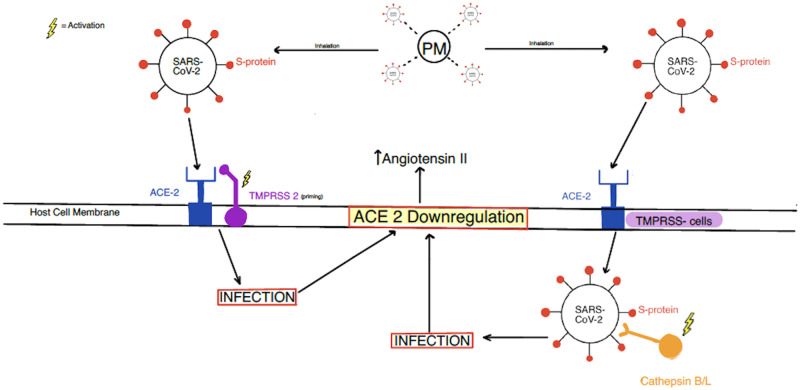
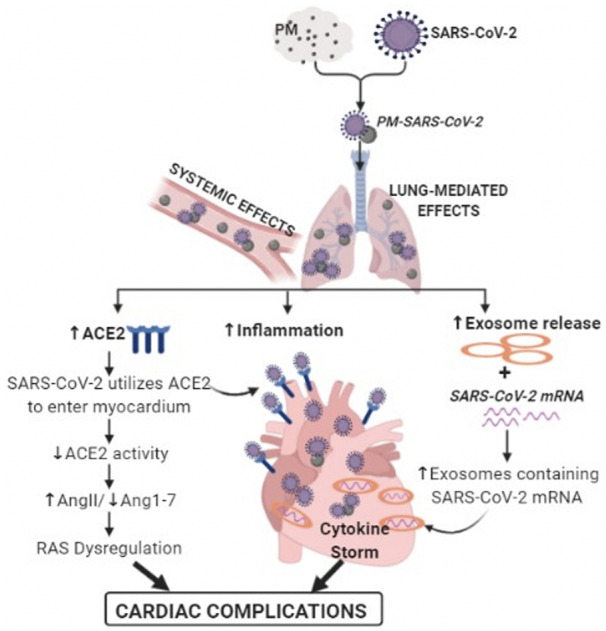
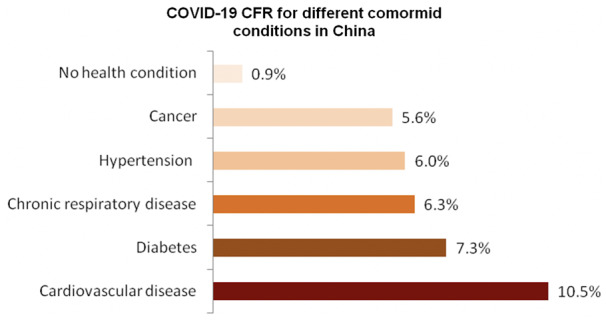
The coronavirus disease 2019 (COVID-19) caused by severe acute respiratory syndrome coronavirus 2 (SARS-CoV-2) has rapidly grown into a pandemic. According to initial reports, the lungs were thought to be the primary target, but recent case studies have shown its reach can extend to other organs including the heart and blood vessels. The severity of cardiac complications of COVID-19 depends on multiple underlying factors, with air pollutant exposure being one of them, as reported by several recent studies. Airborne particulate matter (PM) attracts heightened attention due to its implication in various diseases, especially respiratory and cardiovascular diseases. Inhaled PM not only carries microorganisms inside the body but also elicits local and systemic inflammatory responses resulting in altering the host's immunity and increasing susceptibility to infection. Previous and recent studies have documented that PM acts as a 'carrier' for the virus and aids in spreading viral infections. This review presents the mechanisms and effects of viral entry and how pollution can potentially modulate pathophysiological processes in the heart. We aimed to concisely summarize studies examining cardiovascular outcomes in COVID-19 patients and postulate on how PM can influence these outcomes. We have also reviewed evidence on the use of renin-angiotensin system inhibitors, namely angiotensin-converting enzyme inhibitors and angiotensin receptor blockers, in patients with COVID-19. The interplay of pollution and SARS-CoV-2 is essential to understanding the effects of accentuated cardiovascular effects of COVID-19 and deserves in-depth experimental investigations.
由严重急性呼吸综合征冠状病毒 2 (SARS-CoV-2) 引起的 2019 年冠状病毒病 (COVID-19) 迅速蔓延成为大流行。根据初步报告,肺部被认为是主要靶器官,但最近的病例研究表明,它的影响范围可以扩展到包括心脏和血管在内的其他器官。COVID-19 的心脏并发症的严重程度取决于多个潜在因素,其中包括空气污染物暴露,正如几项最近的研究报告的那样。空气中的颗粒物 (PM) 由于其与各种疾病的关联,尤其是呼吸道和心血管疾病,引起了人们的高度关注。吸入的 PM 不仅在体内携带微生物,还会引发局部和全身炎症反应,从而改变宿主的免疫力并增加感染的易感性。以前和最近的研究已经记录到 PM 充当病毒的“载体”,并有助于传播病毒感染。本综述介绍了病毒进入的机制和影响,以及污染如何潜在地调节心脏的病理生理过程。我们旨在简明地总结研究 COVID-19 患者的心血管结局,并推测 PM 如何影响这些结局。我们还回顾了在 COVID-19 患者中使用肾素-血管紧张素系统抑制剂(即血管紧张素转换酶抑制剂和血管紧张素受体阻滞剂)的证据。污染和 SARS-CoV-2 的相互作用对于理解 COVID-19 加剧的心血管影响至关重要,值得进行深入的实验研究。