Department of Molecular Biology, University of Texas Southwestern Medical Center, 6000 Harry Hines Boulevard, Dallas, TX, 75390, USA.
Hamon Center for Regenerative Science and Medicine, University of Texas Southwestern Medical Center, 6000 Harry Hines Boulevard, Dallas, TX, 75390, USA.
Mol Neurodegener. 2020 Oct 21;15(1):61. doi: 10.1186/s13024-020-00411-6.
Alzheimer's disease (AD) is an adult-onset mental disorder with aging as a major risk factor. Early and progressive degeneration of basal forebrain cholinergic neurons (BFCNs) contributes substantially to cognitive impairments of AD. An aging-relevant cell model of BFCNs will critically help understand AD and identify potential therapeutics. Recent studies demonstrate that induced neurons directly reprogrammed from adult human skin fibroblasts retain aging-associated features. However, human induced BFCNs (hiBFCNs) have yet to be achieved.
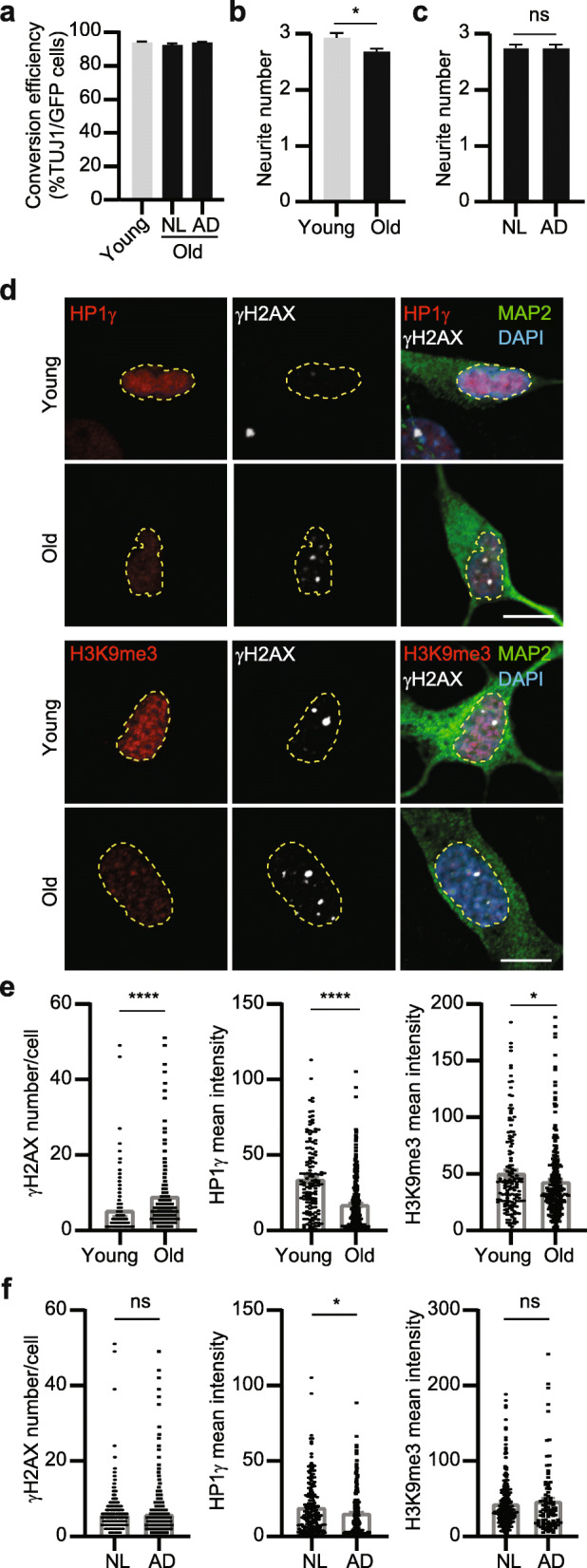
We examined a reprogramming procedure for the generation of aging-relevant hiBFCNs through virus-mediated expression of fate-determining transcription factors. Skin fibroblasts were obtained from healthy young persons, healthy adults and sporadic AD patients. Properties of the induced neurons were examined by immunocytochemistry, qRT-PCR, western blotting, and electrophysiology.
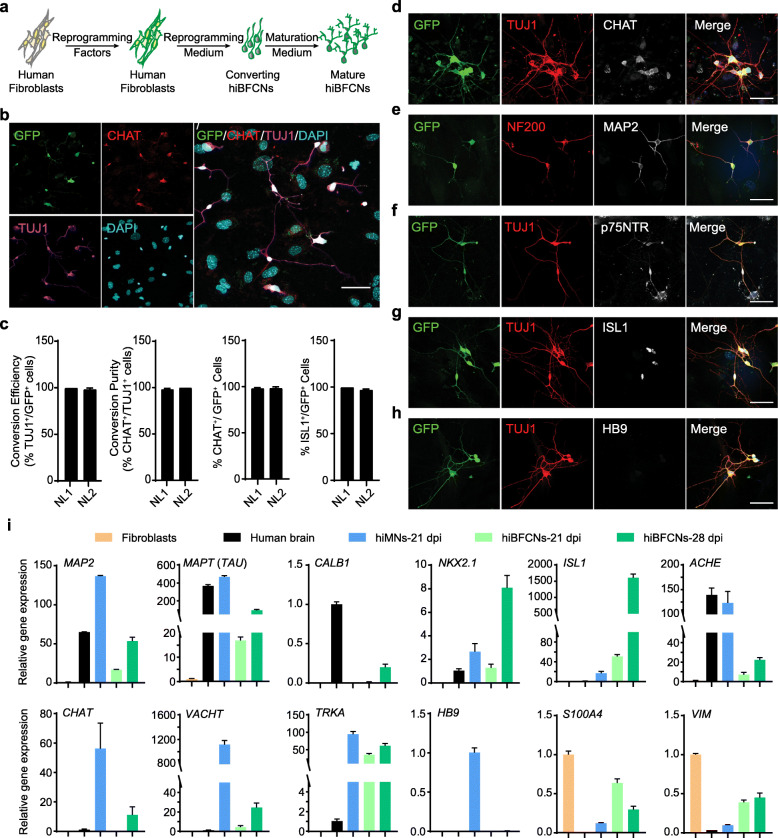
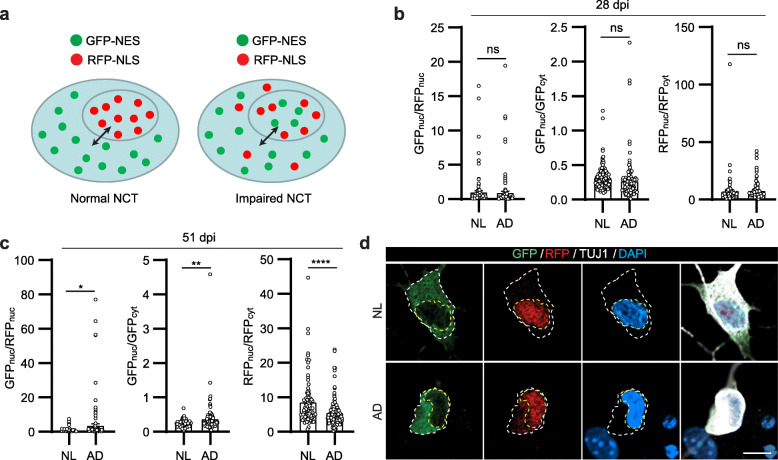
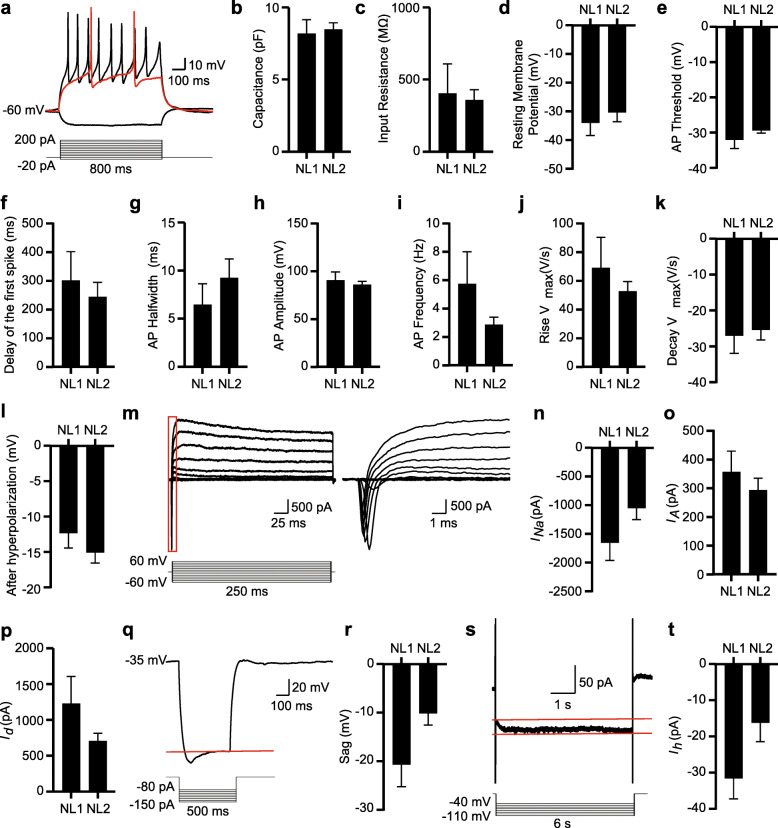
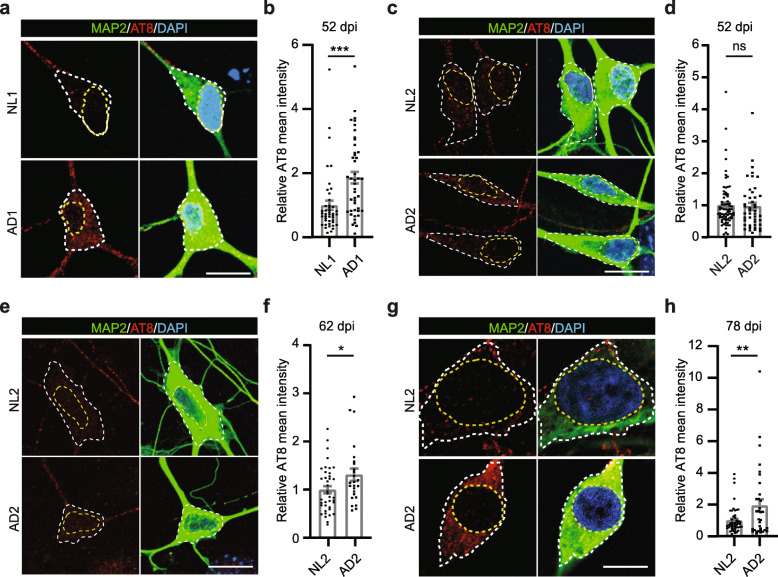
We established a protocol for efficient generation of hiBFCNs from adult human skin fibroblasts. They show electrophysiological properties of mature neurons and express BFCN-specific markers, such as CHAT, p75NTR, ISL1, and VACHT. As a proof-of-concept, our preliminary results further reveal that hiBFCNs from sporadic AD patients exhibit time-dependent TAU hyperphosphorylation in the soma and dysfunctional nucleocytoplasmic transport activities.
Aging-relevant BFCNs can be directly reprogrammed from human skin fibroblasts of healthy adults and sporadic AD patients. They show promises as an aging-relevant cell model for understanding AD pathology and may be employed for therapeutics identification for AD.
阿尔茨海默病(AD)是一种成年发病的精神障碍,衰老为主要危险因素。基底前脑胆碱能神经元(BFCNs)的早期和进行性退化是 AD 认知障碍的主要原因。与衰老相关的 BFCN 细胞模型将有助于深入了解 AD 并确定潜在的治疗方法。最近的研究表明,直接从成人皮肤成纤维细胞重编程诱导的神经元保留了与衰老相关的特征。然而,尚未实现人类诱导的 BFCN(hiBFCN)。
我们通过病毒介导的命运决定转录因子表达,检查了一种产生与衰老相关的 hiBFCN 的重编程程序。皮肤成纤维细胞取自健康年轻人、健康成年人和散发性 AD 患者。通过免疫细胞化学、qRT-PCR、western blot 和电生理学检查诱导神经元的特性。
我们建立了一种从成人皮肤成纤维细胞高效产生 hiBFCN 的方案。它们表现出成熟神经元的电生理特性,并表达 BFCN 特异性标志物,如 CHAT、p75NTR、ISL1 和 VACHT。作为概念验证,我们的初步结果进一步表明,来自散发性 AD 患者的 hiBFCN 在体内出现时间依赖性 TAU 过度磷酸化和核质转运功能障碍。
可以直接从健康成年人和散发性 AD 患者的皮肤成纤维细胞中重编程产生与衰老相关的 BFCN。它们作为了解 AD 病理学的与衰老相关的细胞模型具有广阔的应用前景,并且可能被用于 AD 的治疗方法的鉴定。