Špaček Jan, Karalkar Nilesh, Fojta Miroslav, Wang Joseph, Benner Steven A
Department of Biophysical Chemistry and Molecular Oncology Institute of Biophysics of the Czech Academy of Sciences, Královopolská 135, 612 65 Brno, The Czech Republic.
Department of NanoEngineering, University of California San Diego, La Jolla, CA 92093, USA.
Electrochim Acta. 2020 Dec 1;362. doi: 10.1016/j.electacta.2020.137210. Epub 2020 Oct 5.
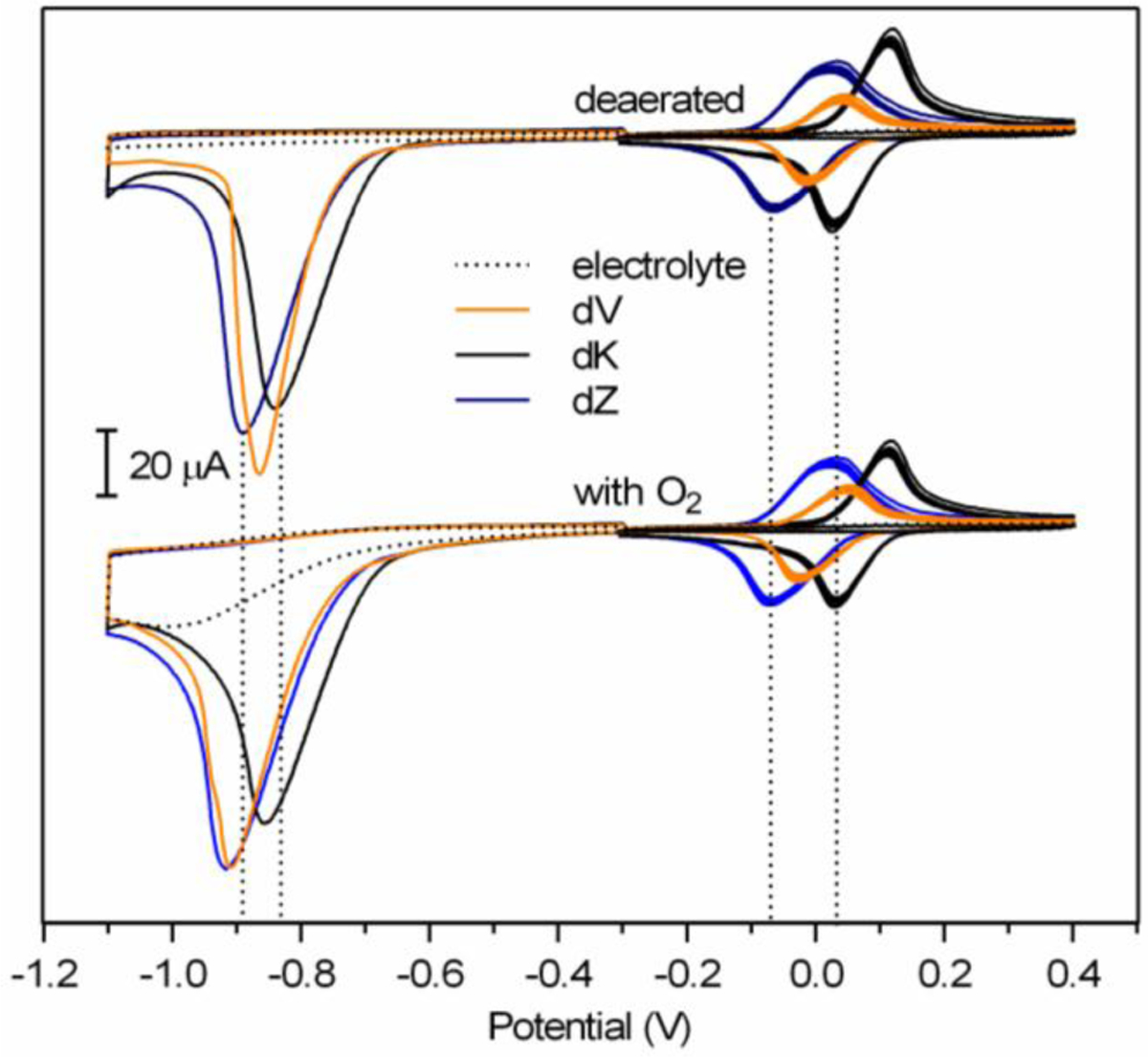
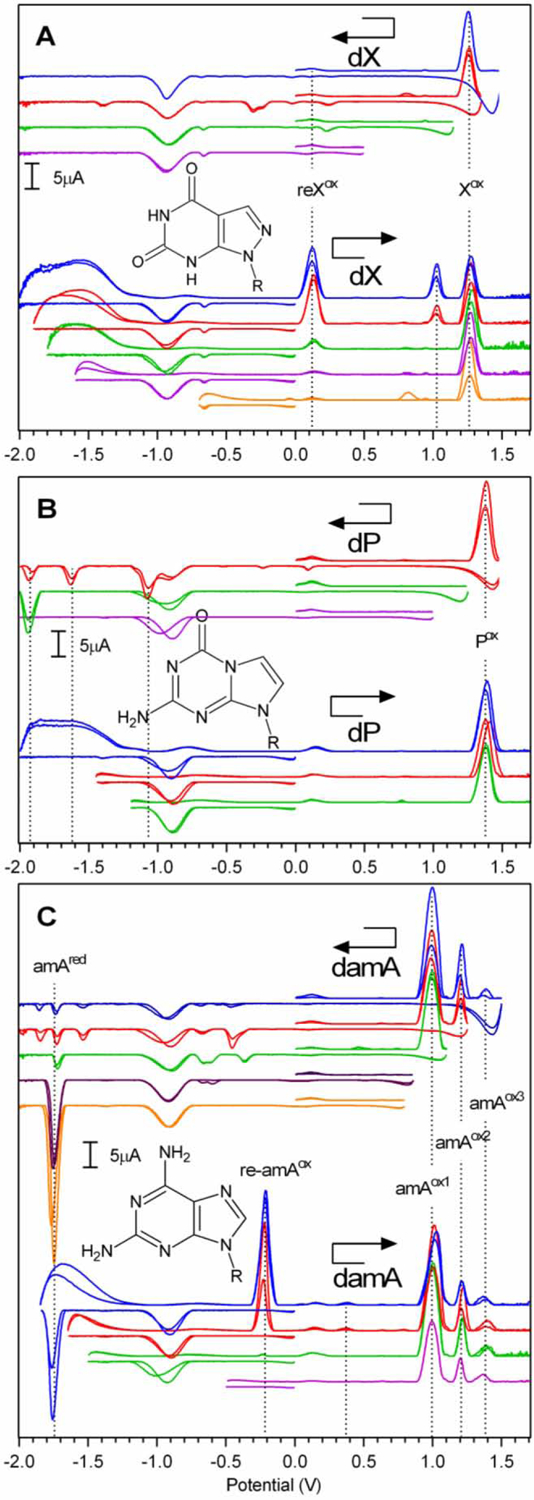
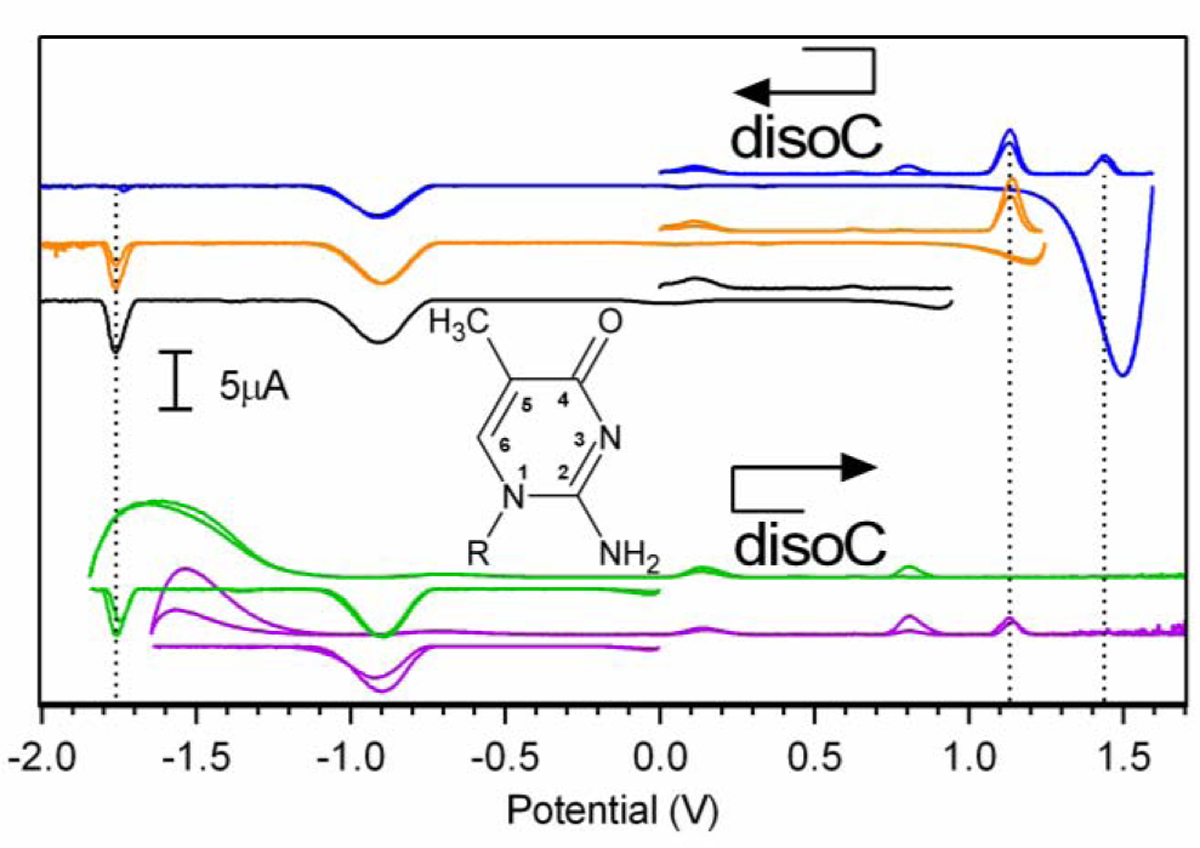
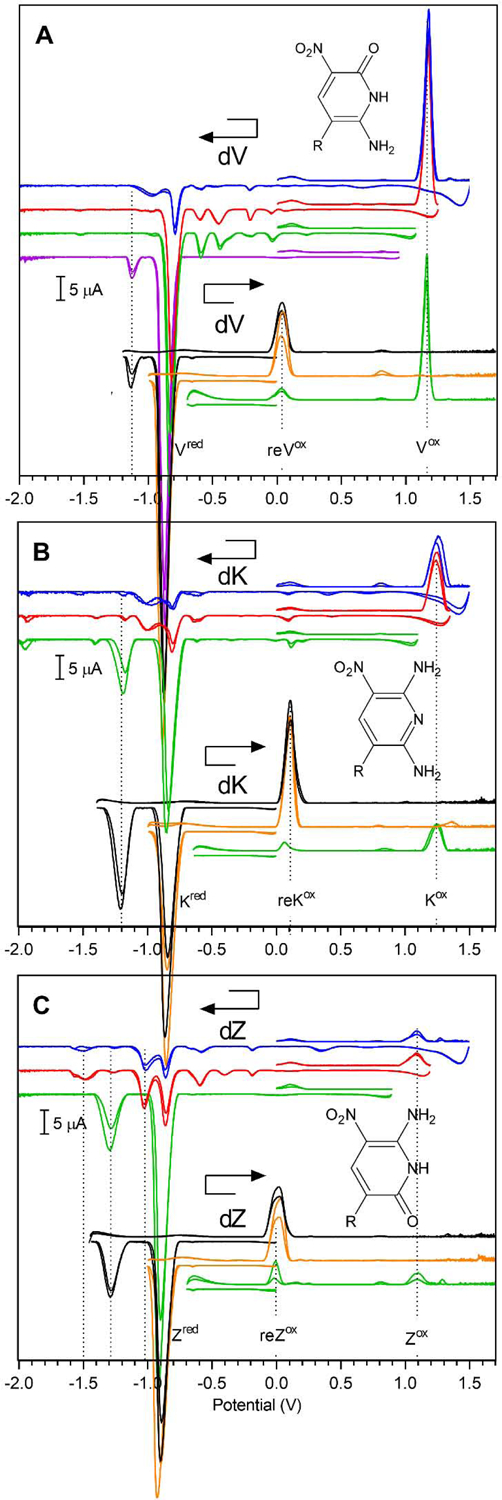
Recently we showed the reduction and oxidation of six natural 2'-deoxynucleosides in the presence of the ambient oxygen using the very broad potential window of a pyrolytic graphite electrode (PGE). Using the same procedure, 2'-deoxynucleoside analogs (dNs) that are parts of an artificially expanded genetic information system (AEGIS) were analyzed. Seven of the eight tested AEGIS dNs provided specific signals (voltammetric redox peaks). These signals, described here for the first time, will be used in future work to analyze DNA built from expanded genetic alphabets, helping to further develop AEGIS technology and its applications. Comparison of the electrochemical behavior of unnatural dNs with the previously documented behaviors of natural dNs also provides insights into the mechanisms of their respective redox processes.
最近,我们利用热解石墨电极(PGE)非常宽的电位窗口,展示了在环境氧气存在下六种天然2'-脱氧核苷的还原和氧化过程。采用相同的程序,对作为人工扩展遗传信息系统(AEGIS)一部分的2'-脱氧核苷类似物(dNs)进行了分析。所测试的八个AEGIS dNs中的七个产生了特定信号(伏安氧化还原峰)。这些首次在此描述的信号将在未来的工作中用于分析由扩展遗传字母构建的DNA,有助于进一步开发AEGIS技术及其应用。将非天然dNs的电化学行为与先前记录的天然dNs的行为进行比较,也为它们各自氧化还原过程中的机制提供了见解。