Department of Microbiology and Immunology, Indiana University School of Medicine, 950 West Walnut Street, R2-302, Indianapolis, IN, 46202-5181, USA.
Cleveland Cord Blood Center, Cleveland, OH, USA.
Stem Cell Rev Rep. 2021 Feb;17(1):253-265. doi: 10.1007/s12015-020-10056-z. Epub 2020 Oct 21.
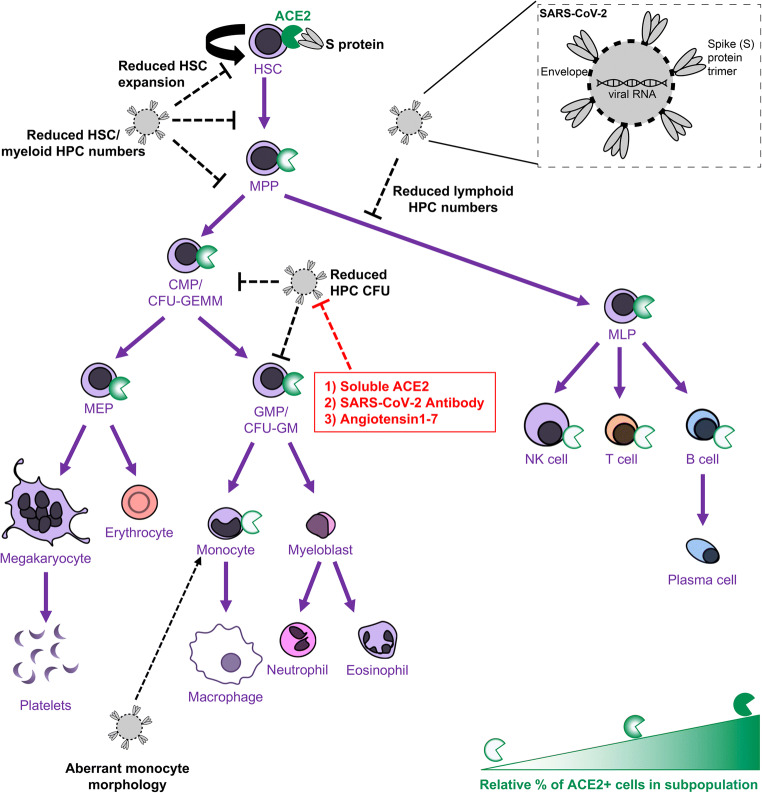
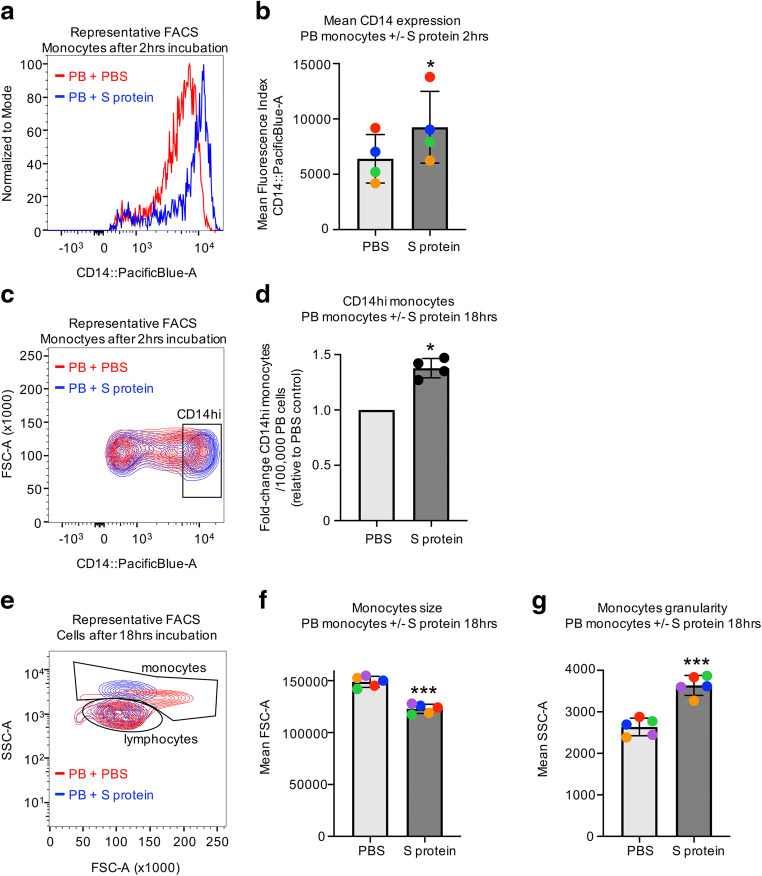
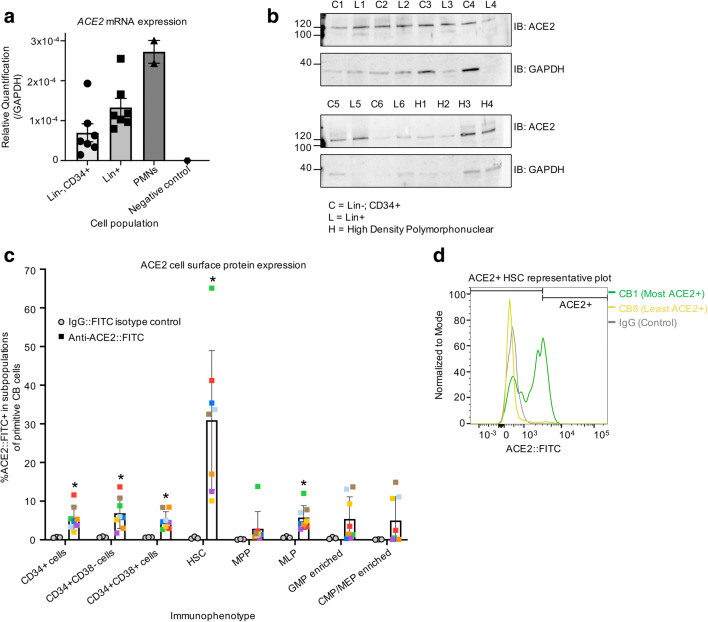
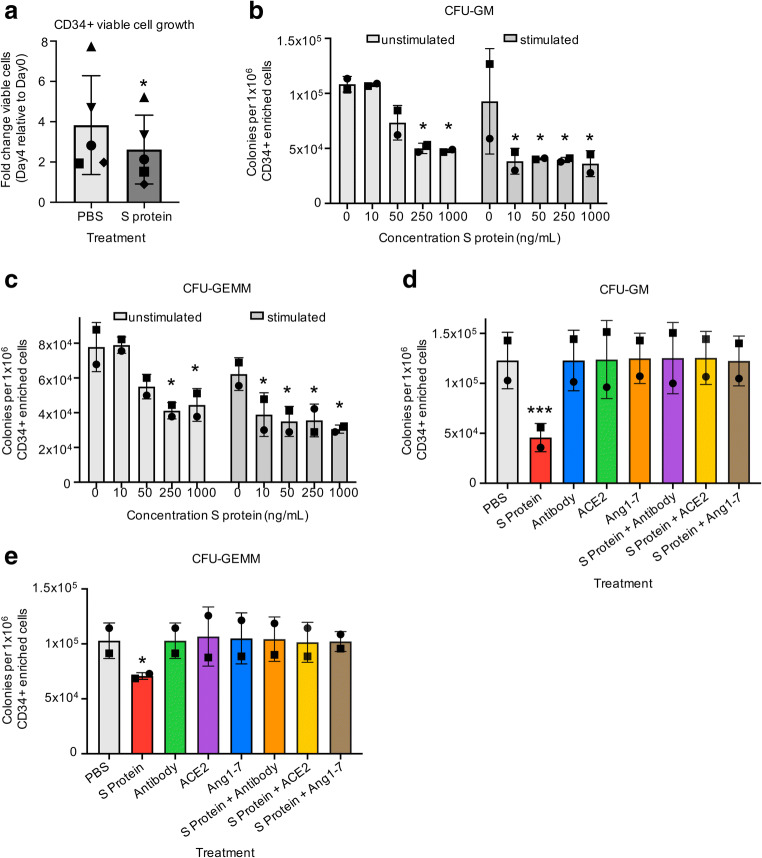
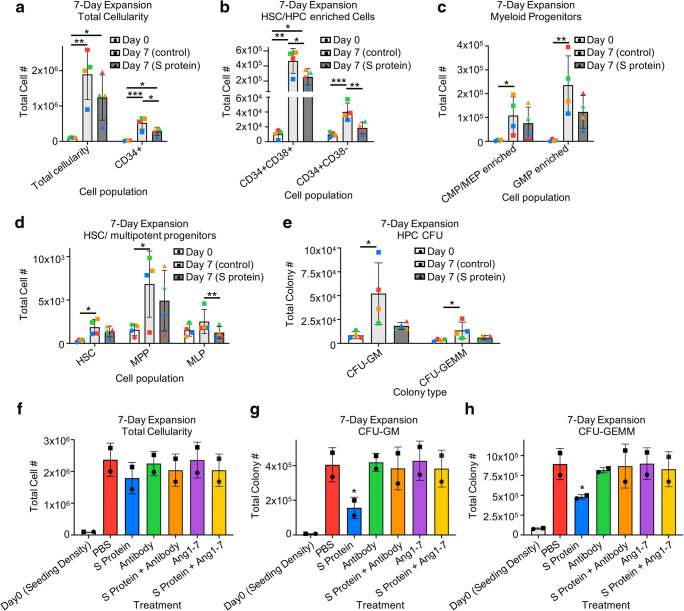
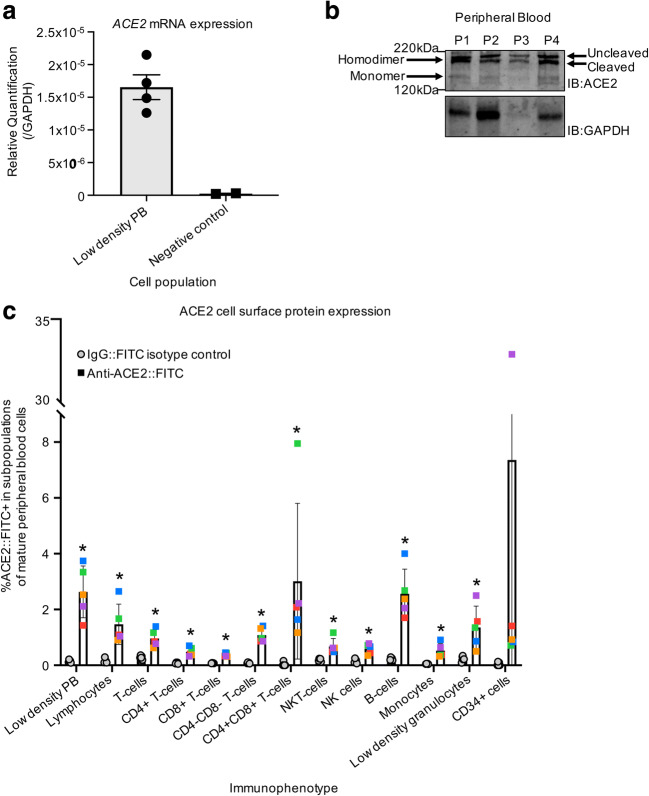
Despite evidence that SARS-CoV-2 infection is systemic in nature, there is little known about the effects that SARS-CoV-2 infection or exposure has on many host cell types, including primitive and mature hematopoietic cells. The hematopoietic system is responsible for giving rise to the very immune cells that defend against viral infection and is a source of hematopoietic stem cells (HSCs) and progenitor cells (HPCs) which are used for hematopoietic cell transplantation (HCT) to treat hematologic disorders, thus there is a strong need to understand how exposure to the virus may affect hematopoietic cell functions. We examined the expression of ACE2, to which SARS-CoV-2 Spike (S) protein binds to facilitate viral entry, in cord blood derived HSCs/HPCs and in peripheral blood derived immune cell subtypes. ACE2 is expressed in low numbers of immune cells, higher numbers of HPCs, and up to 65% of rigorously defined HSCs. We also examined effects of exposing HSCs/HPCs and immune cells to SARS-CoV-2 S protein ex vivo. HSCs and HPCs expand less effectively and have less functional colony forming capacity when grown with S protein, while peripheral blood monocytes upregulate CD14 expression and show distinct changes in size and granularity. That these effects are induced by recombinant S protein alone and not the infectious viral particle suggests that simple exposure to SARS-CoV-2 may impact HSCs/HPCs and immune cells via S protein interactions with the cells, regardless of whether they can be infected. These data have implications for immune response to SARS-CoV-2 and for HCT. Graphical Abstract • Human HSCs, HPCs, and immune cells express ACE2 on the cell surface, making them potentially susceptible to SARS-CoV-2 infection. • SARS-CoV-2 S protein, which binds to ACE2, induces defects in the colony forming capacity of human HPC and inhibits the expansion of HSC/HPC subpopulations ex vivo. These effects can be at least partially neutralized by treatment with SARS-CoV-2 targeting antibody, recombinant human ACE2, or Angiotensin1-7. • S protein also induces aberrant morphological changes in peripheral blood derived monocytes ex vivo. • Thus, there are many different manners in which SARS-CoV-2 virus may impact the functional hematopoietic system, which has important implications for hematological manifestations of COVID-19 (i.e. thrombocytopenia and lymphopenia), immune response, and hematopoietic stem cell transplant in the era of COVID-19.
尽管有证据表明,SARS-CoV-2 感染是全身性的,但人们对 SARS-CoV-2 感染或暴露对许多宿主细胞类型(包括原始和成熟的造血细胞)的影响知之甚少。造血系统负责产生抵御病毒感染的免疫细胞,是造血干细胞(HSCs)和祖细胞(HPCs)的来源,这些细胞可用于造血细胞移植(HCT)来治疗血液系统疾病,因此,人们强烈需要了解接触病毒如何影响造血细胞功能。我们检查了 ACE2 的表达,ACE2 是 SARS-CoV-2 刺突(S)蛋白结合以促进病毒进入的受体,在脐血来源的 HSCs/HPCs 和外周血来源的免疫细胞亚型中均有表达。ACE2 在免疫细胞中的表达数量较少,在 HPC 中的表达数量较多,在严格定义的 HSCs 中表达数量高达 65%。我们还检查了 SARS-CoV-2 S 蛋白体外暴露对 HSCs/HPC 和免疫细胞的影响。当与 S 蛋白一起生长时,HSCs 和 HPC 的扩增效果较差,且功能集落形成能力较低,而外周血单核细胞上调 CD14 表达,并表现出明显的大小和颗粒度变化。这些作用是由重组 S 蛋白单独诱导的,而不是感染性病毒颗粒诱导的,这表明,无论它们是否能被感染,简单地暴露于 SARS-CoV-2 可能通过 S 蛋白与细胞的相互作用影响 HSCs/HPC 和免疫细胞。这些数据对 SARS-CoV-2 的免疫反应和 HCT 具有重要意义。图表摘要 • 人类 HSCs、HPC 和免疫细胞在细胞表面表达 ACE2,使它们容易受到 SARS-CoV-2 感染。 • 与 ACE2 结合的 SARS-CoV-2 S 蛋白,诱导人 HPC 的集落形成能力缺陷,并抑制 HSC/HPC 亚群的体外扩增。这些作用至少可以部分中和用 SARS-CoV-2 靶向抗体、重组人 ACE2 或血管紧张素 1-7 治疗。 • S 蛋白还诱导外周血来源的单核细胞体外出现异常形态变化。 • 因此,SARS-CoV-2 病毒可能以多种不同方式影响功能性造血系统,这对 COVID-19 的血液学表现(即血小板减少症和淋巴细胞减少症)、免疫反应以及 COVID-19 时代的造血干细胞移植具有重要意义。