Research Center Borstel, Schleswig-Holstein, Germany.
PLoS Negl Trop Dis. 2020 Oct 22;14(10):e0008704. doi: 10.1371/journal.pntd.0008704. eCollection 2020 Oct.
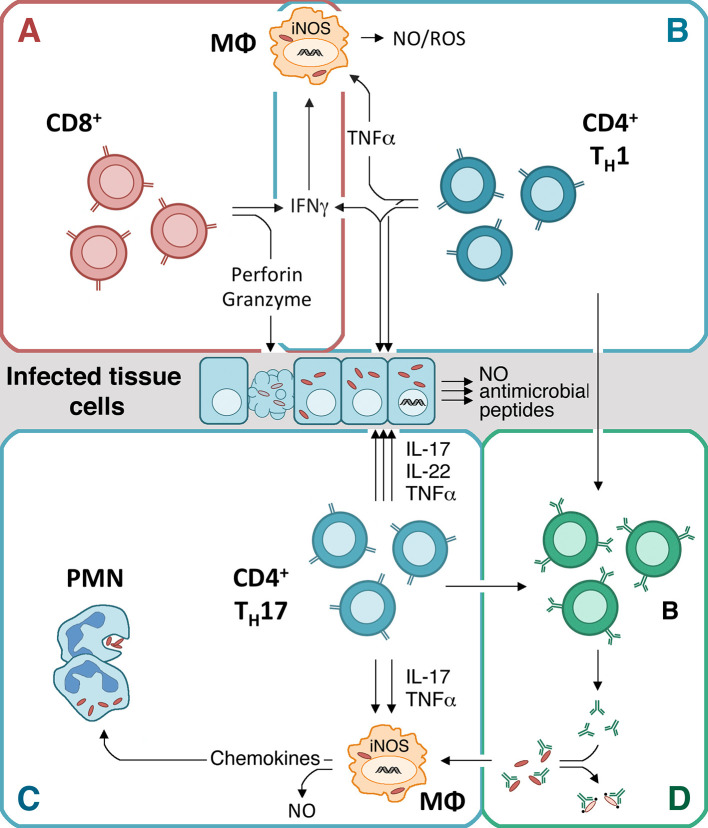
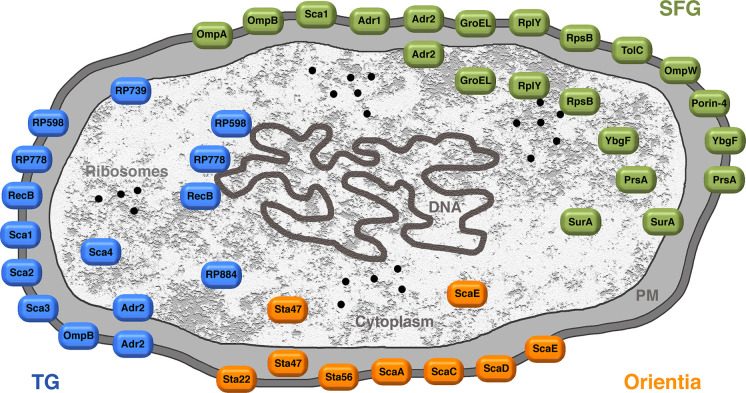
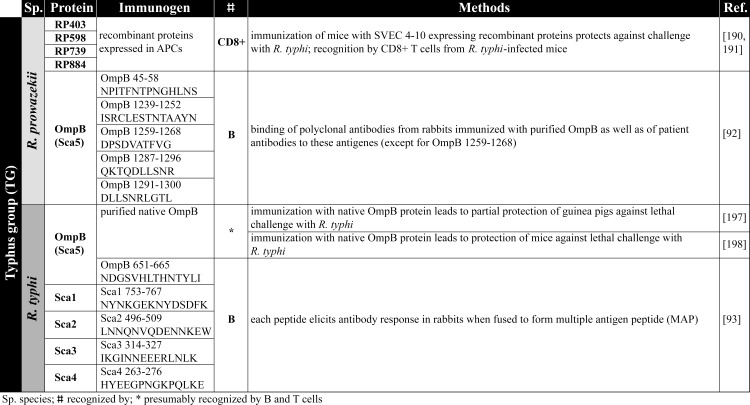
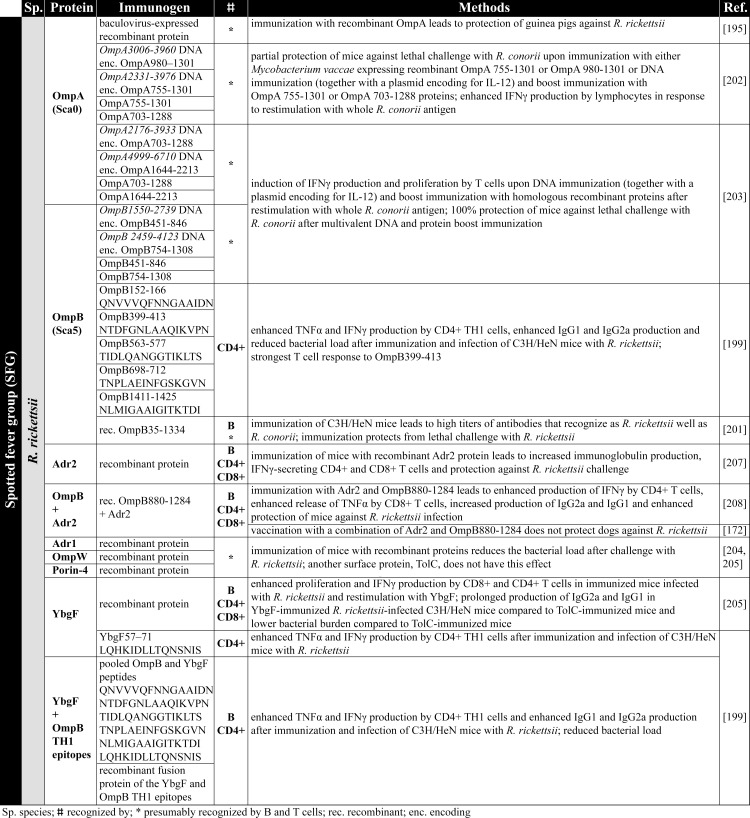
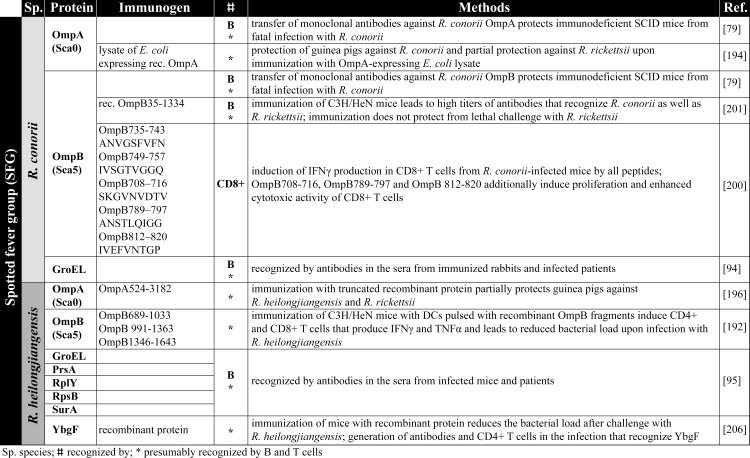
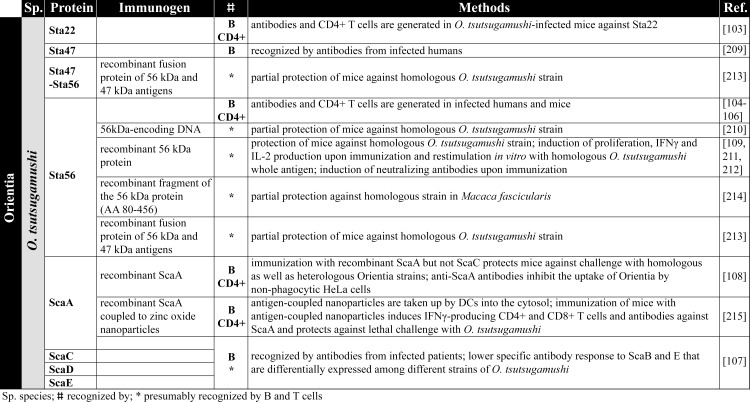
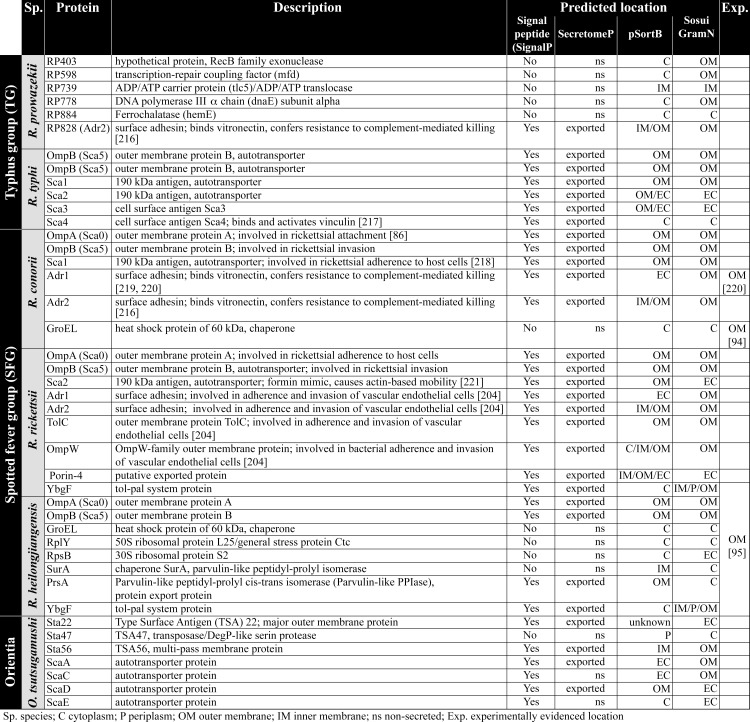
Over the last decades, rickettsioses are emerging worldwide. These diseases are caused by intracellular bacteria. Although rickettsioses can be treated with antibiotics, a vaccine against rickettsiae is highly desired for several reasons. Rickettsioses are highly prevalent, especially in poor countries, and there are indications of the development of antibiotic resistance. In addition, some rickettsiae can persist and cause recurrent disease. The development of a vaccine requires the understanding of the immune mechanisms that are involved in protection as well as in immunopathology. Knowledge about these immune responses is accumulating, and efforts have been undertaken to identify antigenic components of rickettsiae that may be useful as a vaccine. This review provides an overview on current knowledge of adaptive immunity against rickettsiae, which is essential for defense, rickettsial antigens that have been identified so far, and on vaccination strategies that have been used in animal models of rickettsial infections.
在过去的几十年中,立克次体病在全球范围内不断出现。这些疾病是由细胞内细菌引起的。虽然立克次体病可以用抗生素治疗,但出于多种原因,人们非常希望有一种针对立克次体的疫苗。立克次体病非常普遍,尤其是在贫穷国家,而且有迹象表明抗生素耐药性正在发展。此外,一些立克次体可以持续存在并导致反复发作的疾病。疫苗的开发需要了解参与保护和免疫病理学的免疫机制。关于这些免疫反应的知识正在不断积累,人们已经努力确定可能作为疫苗有用的立克次体的抗原成分。这篇综述概述了针对立克次体的适应性免疫的现有知识,这对立克次体的防御至关重要,以及迄今为止已确定的立克次体抗原,以及在立克次体感染的动物模型中使用的疫苗接种策略。