
早期口腔鳞状细胞癌前哨淋巴结活检成像的新进展
New Developments in Imaging for Sentinel Lymph Node Biopsy in Early-Stage Oral Cavity Squamous Cell Carcinoma.
作者信息
Mahieu Rutger, de Maar Josanne S, Nieuwenhuis Eliane R, Deckers Roel, Moonen Chrit, Alic Lejla, Ten Haken Bennie, de Keizer Bart, Bree Remco de
机构信息
Department of Head and Neck Surgical Oncology, University Medical Center Utrecht, University of Utrecht, 3584 CX Utrecht, The Netherlands.
Division of Imaging and Oncology, University Medical Center Utrecht, University of Utrecht, 3584 CX Utrecht, The Netherlands.
出版信息
Cancers (Basel). 2020 Oct 20;12(10):3055. doi: 10.3390/cancers12103055.
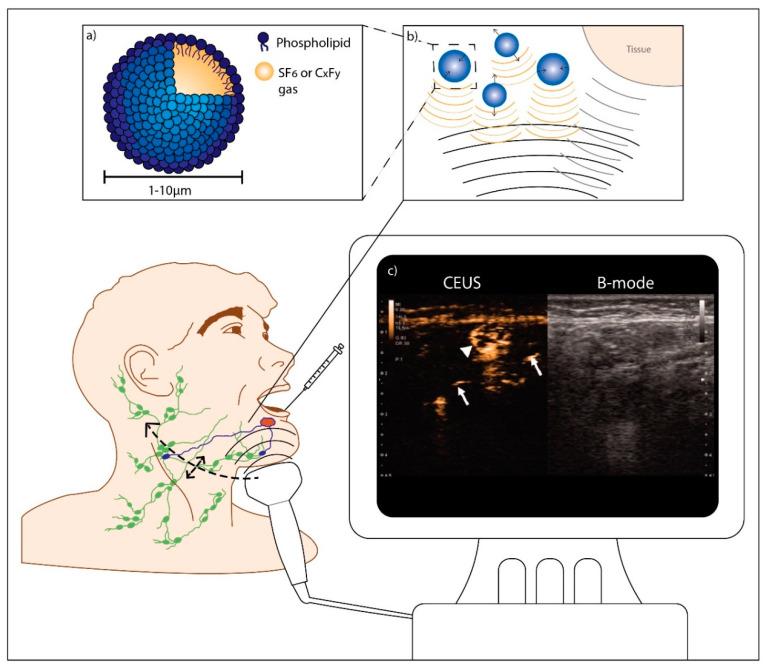
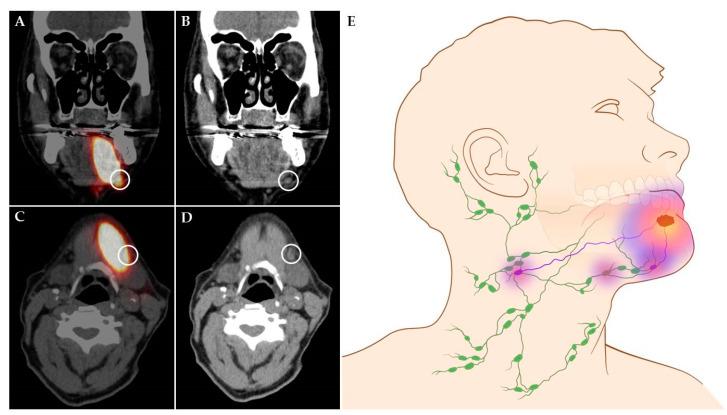
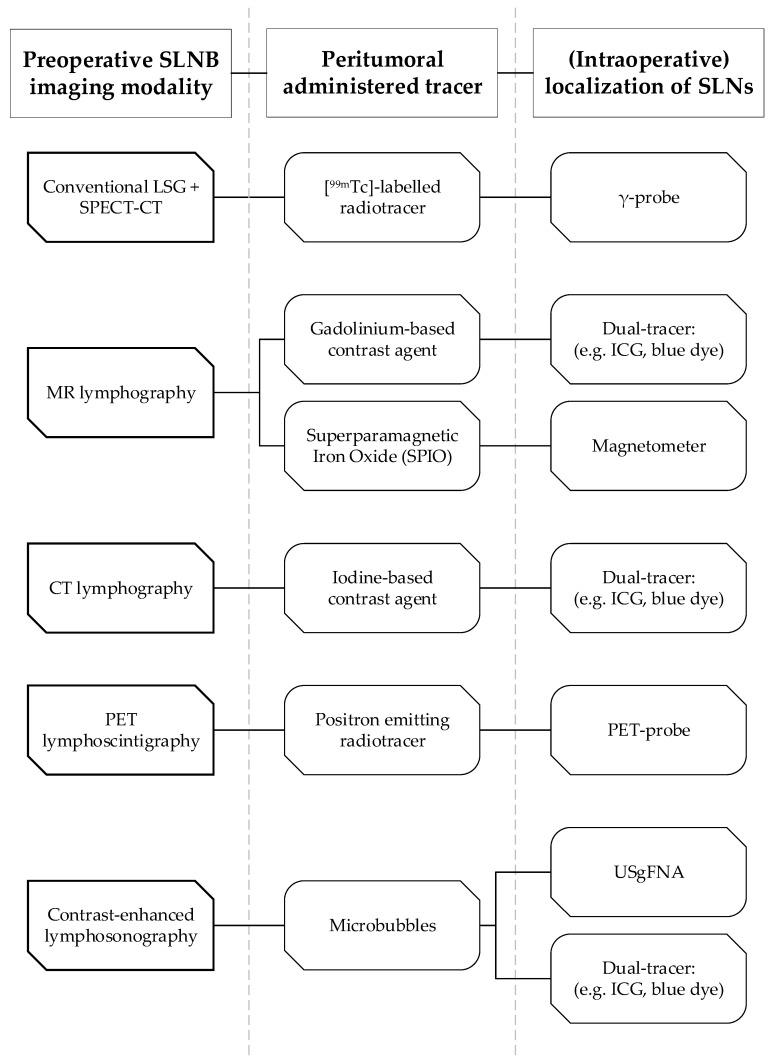
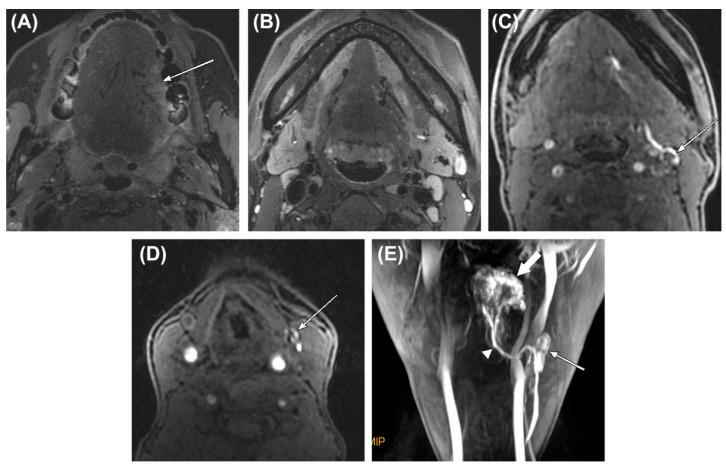
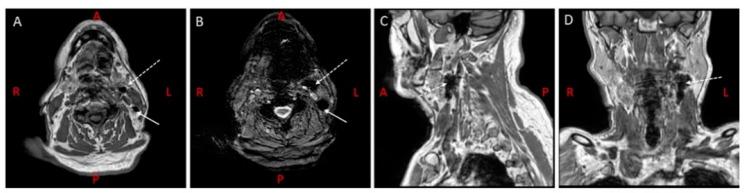
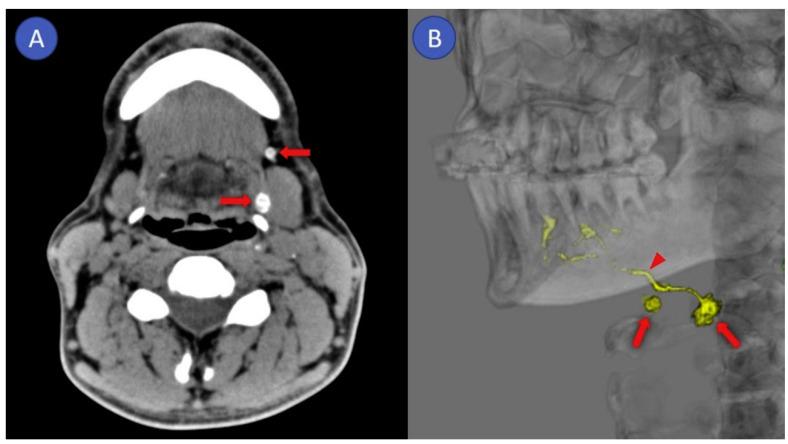
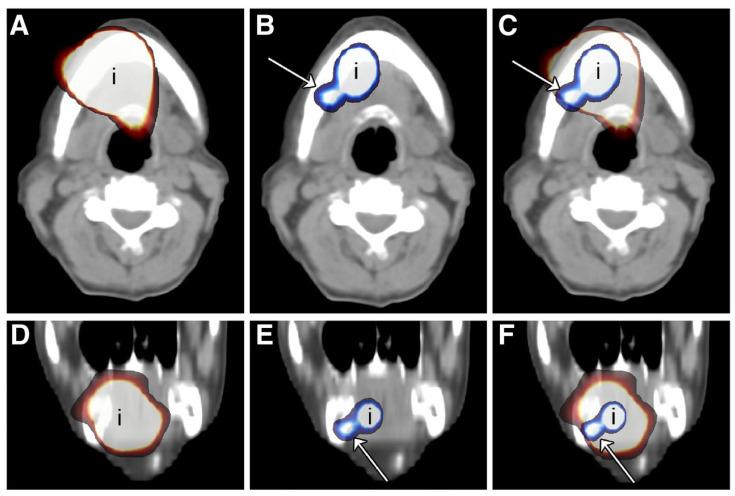
Sentinel lymph node biopsy (SLNB) is a diagnostic staging procedure that aims to identify the first draining lymph node(s) from the primary tumor, the sentinel lymph nodes (SLN), as their histopathological status reflects the histopathological status of the rest of the nodal basin. The routine SLNB procedure consists of peritumoral injections with a technetium-99m [Tc]-labelled radiotracer followed by lymphoscintigraphy and SPECT-CT imaging. Based on these imaging results, the identified SLNs are marked for surgical extirpation and are subjected to histopathological assessment. The routine SLNB procedure has proven to reliably stage the clinically negative neck in early-stage oral squamous cell carcinoma (OSCC). However, an infamous limitation arises in situations where SLNs are located in close vicinity of the tracer injection site. In these cases, the hotspot of the injection site can hide adjacent SLNs and hamper the discrimination between tracer injection site and SLNs (shine-through phenomenon). Therefore, technical developments are needed to bring the diagnostic accuracy of SLNB for early-stage OSCC to a higher level. This review evaluates novel SLNB imaging techniques for early-stage OSCC: MR lymphography, CT lymphography, PET lymphoscintigraphy and contrast-enhanced lymphosonography. Furthermore, their reported diagnostic accuracy is described and their relative merits, disadvantages and potential applications are outlined.
前哨淋巴结活检(SLNB)是一种诊断性分期程序,旨在识别原发肿瘤的首个引流淋巴结,即前哨淋巴结(SLN),因为其组织病理学状态反映了淋巴结区域其余部分的组织病理学状态。常规的SLNB程序包括在肿瘤周围注射99m锝[Tc]标记的放射性示踪剂,随后进行淋巴闪烁显像和SPECT-CT成像。根据这些成像结果,对识别出的SLN进行标记以便手术切除,并进行组织病理学评估。常规的SLNB程序已被证明能可靠地对早期口腔鳞状细胞癌(OSCC)临床上阴性的颈部进行分期。然而,在前哨淋巴结位于示踪剂注射部位附近的情况下会出现一个众所周知的局限性。在这些病例中,注射部位的热点可能会掩盖相邻的前哨淋巴结,并妨碍区分示踪剂注射部位和前哨淋巴结(穿透现象)。因此,需要技术发展将早期OSCC的SLNB诊断准确性提高到更高水平。本综述评估了用于早期OSCC的新型SLNB成像技术:磁共振淋巴造影、CT淋巴造影、PET淋巴闪烁显像和对比增强淋巴超声检查。此外,还描述了它们报告的诊断准确性,并概述了它们的相对优点、缺点和潜在应用。
 Zotero 插件