Laboratory of Immunology and Signal Transduction, Chaminade University, Honolulu, Hawai'i, USA.
Medicinal Plant Garden, Kitasato University, 1-15-1 Kitasato, Minami-ku, Sagamihara, 252-0373, Kanagawa, Japan.
J Ethnopharmacol. 2021 Mar 1;267:113477. doi: 10.1016/j.jep.2020.113477. Epub 2020 Oct 21.
Traditional pharmacopeias have been developed by multiple cultures and evaluated for efficacy and safety through both historical/empirical iteration and more recently through controlled studies using Western scientific paradigms and an increasing emphasis on data science methodologies for network pharmacology. Traditional medicines represent likely sources of relatively inexpensive drugs for symptomatic management as well as potential libraries of new therapeutic approaches. Leveraging this potential requires hard evidence for efficacy that separates science from pseudoscience.
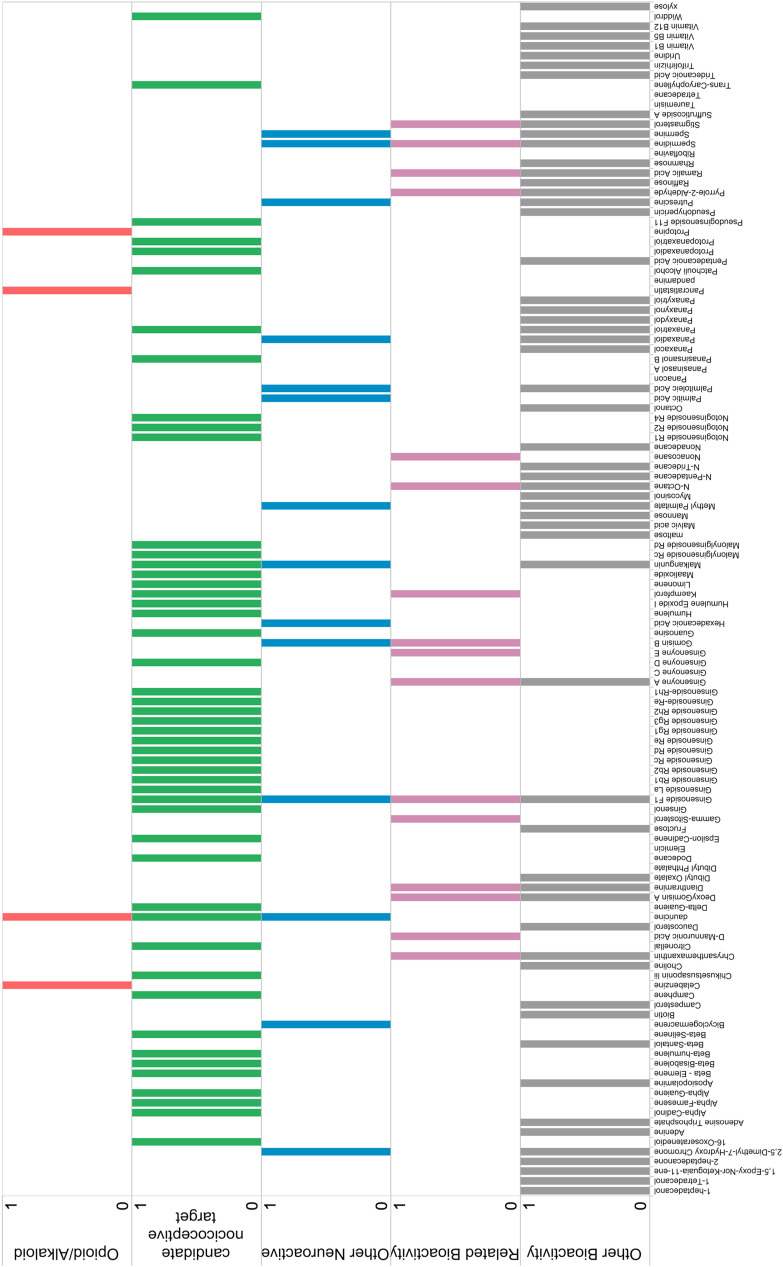
We performed a review of non-Western medical systems and developed case studies that illustrate the epistemological and practical translative barriers that hamper their transition to integration with Western approaches. We developed a new data analytics approach, in silico convergence analysis, to deconvolve modes of action, and potentially predict desirable components of TM-derived formulations based on computational consensus analysis across cultures and medical systems.
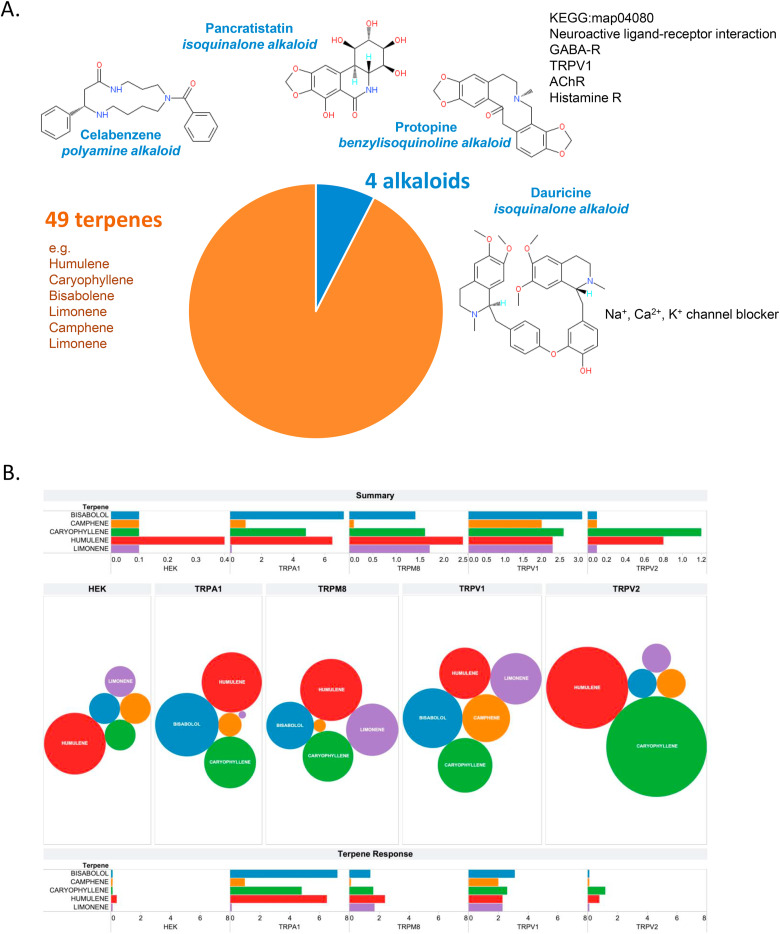
Abstraction, simplification and altered dose and delivery modalities were identified as factors that influence actual and perceived efficacy once a medicine is moved from a non-Western to Western setting. Case studies on these factors highlighted issues with translation between non-Western and Western epistemologies, including those where epistemological and medicinal systems drive markets that can be epicenters for zoonoses such as the novel Coronavirus. The proposed novel data science approach demonstrated the ability to identify and predict desirable medicinal components for a test indication, pain.
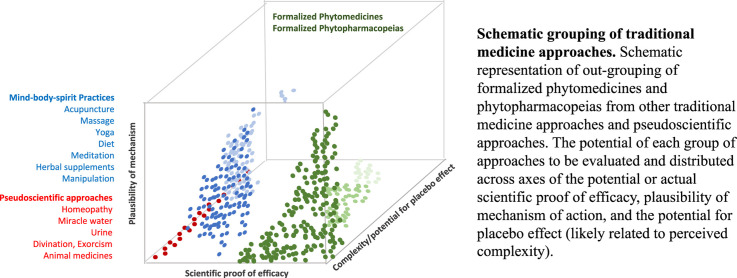
Relegation of traditional therapies to the relatively unregulated nutraceutical industry may lead healthcare providers and patients to underestimate the therapeutic potential of these medicines. We suggest three areas of emphasis for this field: First, vertical integration and embedding of traditional medicines into healthcare systems would subject them to appropriate regulation and evidence-based practice, as viable integrative implementation mode. Second, we offer a new Bradford-Hill-like framework for setting research priorities and evaluating efficacy, with the goal of rescuing potentially valuable therapies from the nutraceutical market and discrediting those that are pseudoscience. Third, data analytics pipelines offer new capacity to generate new types of TMS-inspired medicines that are rationally-designed based on integrated knowledge across cultures, and also provide an evaluative framework against which to test claims of fidelity and efficacy to TMS made for nutraceuticals.
传统药理学是由多种文化发展而来的,其疗效和安全性通过历史/经验迭代以及最近使用西方科学范式和越来越强调数据科学方法进行的网络药理学控制研究进行了评估。传统药物可能是用于对症治疗的相对廉价药物的来源,也是新治疗方法的潜在宝库。利用这种潜力需要有疗效的有力证据,将科学与伪科学区分开来。
我们对非西方医学体系进行了综述,并进行了案例研究,说明了阻碍其与西方方法融合的认识论和实际翻译障碍。我们开发了一种新的数据分析方法,即计算趋同分析,以分解作用模式,并根据跨文化和医学体系的计算共识分析,潜在地预测基于 TM 衍生配方的理想成分。
一旦药物从非西方环境转移到西方环境,就会发现抽象、简化以及改变剂量和给药方式等因素会影响实际和感知的疗效。这些因素的案例研究强调了非西方和西方认识论之间翻译的问题,包括那些认识论和医学体系驱动市场的情况,这些市场可能成为新出现的冠状病毒等人畜共患病的中心。所提出的新型数据科学方法证明了能够识别和预测针对测试适应症(疼痛)的理想药物成分的能力。
将传统疗法降级为相对不受监管的营养保健品行业可能会导致医疗保健提供者和患者低估这些药物的治疗潜力。我们建议该领域应重点关注以下三个方面:首先,将传统药物垂直整合并纳入医疗保健系统,将使它们受到适当的监管和循证实践的约束,作为可行的整合实施模式。其次,我们提供了一个类似于布拉德福德-希尔的新框架,用于设定研究重点和评估疗效,目的是从营养保健品市场中拯救潜在有价值的疗法,并驳斥那些伪科学的疗法。第三,数据分析管道提供了新的能力,可以生成基于跨文化综合知识理性设计的新型 TMS 启发药物,并且还提供了一个评估框架,可用于测试针对营养保健品的 TMS 保真度和疗效的主张。