Zhao Bin, Qu Xiusheng, Lv Xin, Wang Qingdong, Bian Deqiang, Yang Fan, Zhao Xingwang, Ji Zhiwu, Ni Jian, Fu Yan, Xin Guorong, Yu Haitao
Department of Proctology, First Affiliated Hospital of Jiamusi University, Jiamusi, China.
Department of Chemoradiotherapy, First Affiliated Hospital of Jiamusi University, Jiamusi, China.
Front Genet. 2020 Sep 15;11:572983. doi: 10.3389/fgene.2020.572983. eCollection 2020.
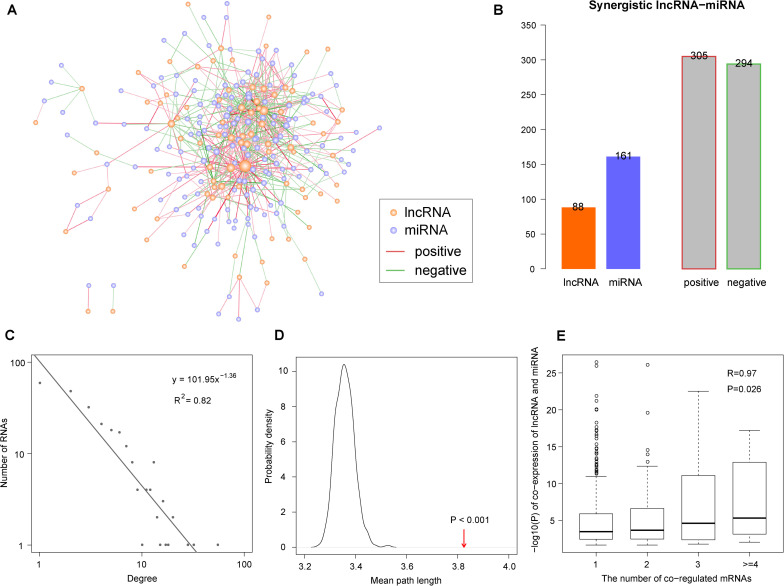
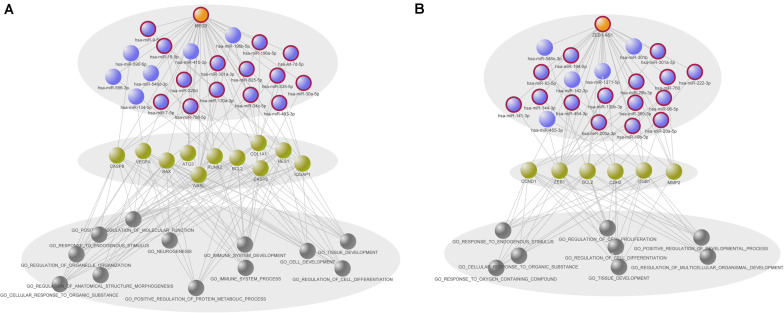
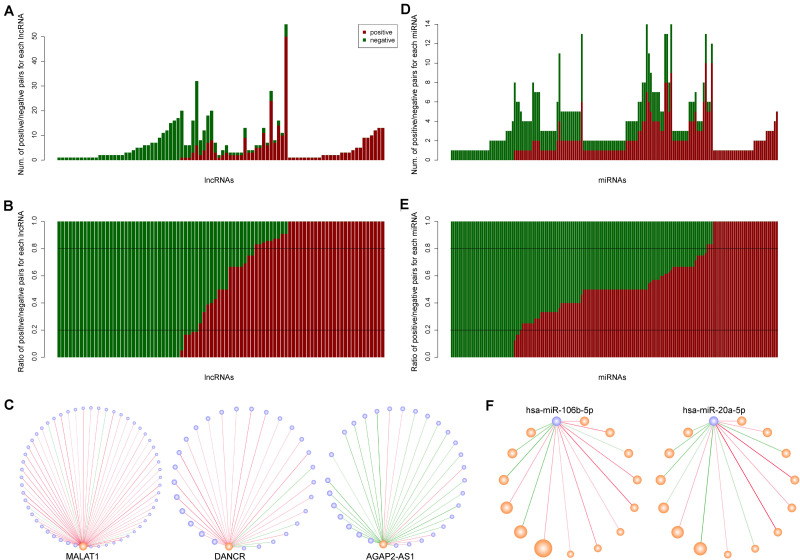
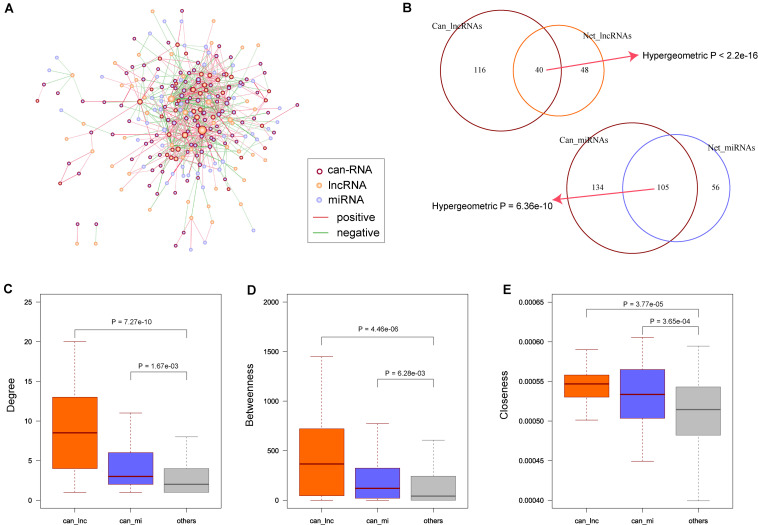
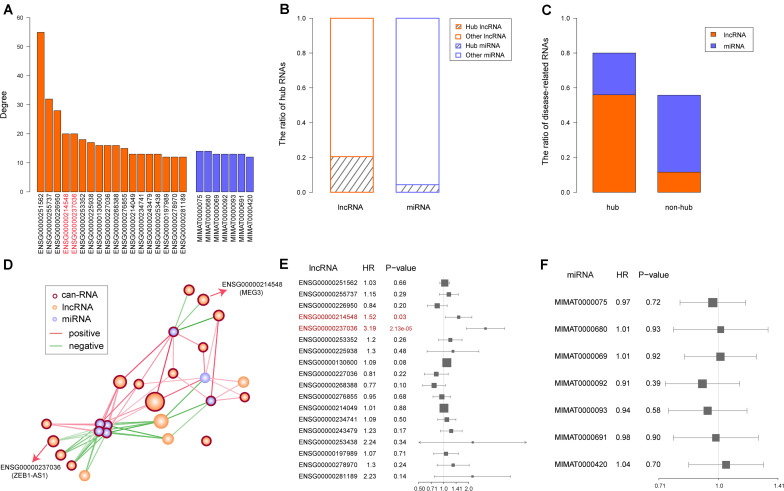
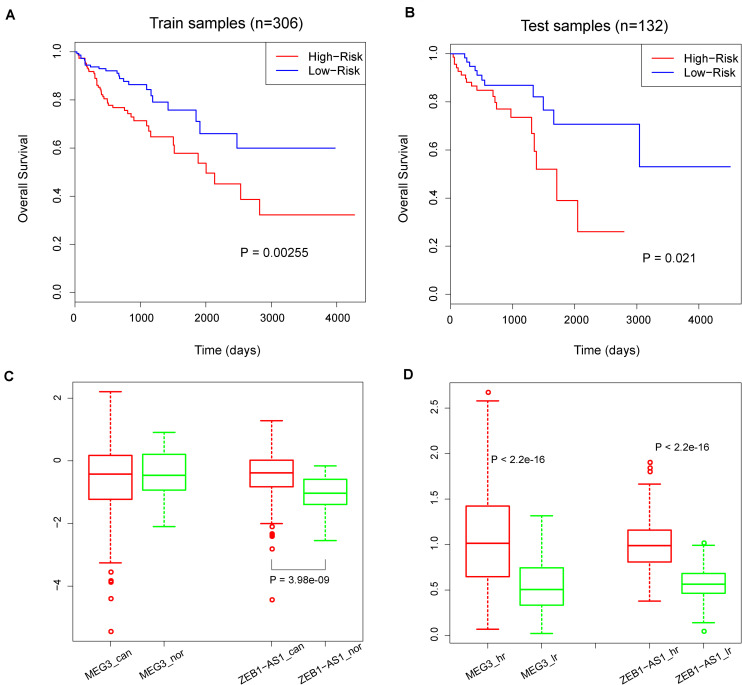
Non-coding RNAs such as long non-coding RNAs (lncRNAs) and microRNAs (miRNAs) have been found to be indispensable factors in carcinogenesis and cancer development. Numerous studies have explored the regulatory functions of these molecules and identified the synergistic interactions among lncRNAs or miRNAs, while those between lncRNAs and miRNAs remain to be investigated. In this study, we constructed and characterized an lncRNA-miRNA synergistic network following a four-step approach by integrating the regulatory pairs and expression profiles. The synergistic interactions with more shared regulatory mRNAs were found to have higher interactional intensity. Through the analysis of nodes in the network, we found that lncRNAs played roles that are more central and had similar synergistic interactions with their neighbors when compared with miRNAs. In addition, known colon adenocarcinoma (COAD)-related RNAs were found to be enriched in this synergistic network, with higher degrees, betweenness, and closeness. Finally, we proposed a risk score model to predict the clinical outcome for COAD patients based on two prognostic hub lncRNAs, MEG3 and ZEB1-AS1. Moreover, the hierarchical networks of these two lncRNAs could contribute to the understanding of the biological mechanism of tumorigenesis. For each lncRNA-miRNA interaction in the hub-related subnetwork and two hierarchical networks, we performed RNAup method to evaluate their binding energy. Our results identified two important lncRNAs with prognostic roles in colon cancer and dissected their regulatory mechanism involving synergistic interaction with miRNAs.
长链非编码RNA(lncRNA)和微小RNA(miRNA)等非编码RNA已被发现是癌症发生和发展中不可或缺的因素。众多研究探讨了这些分子的调控功能,并确定了lncRNA或miRNA之间的协同相互作用,而lncRNA与miRNA之间的相互作用仍有待研究。在本研究中,我们通过整合调控对和表达谱,采用四步法构建并表征了lncRNA-miRNA协同网络。发现与更多共享调控mRNA具有协同相互作用的那些相互作用具有更高的相互作用强度。通过对网络中的节点进行分析,我们发现与miRNA相比,lncRNA发挥着更核心的作用,并且与其相邻节点具有相似的协同相互作用。此外,发现已知的结肠腺癌(COAD)相关RNA在该协同网络中富集,具有更高的度、介数和紧密性。最后,我们基于两个预后关键lncRNA,MEG3和ZEB1-AS1,提出了一个风险评分模型来预测COAD患者的临床结局。此外,这两个lncRNA的层次网络有助于理解肿瘤发生的生物学机制。对于枢纽相关子网和两个层次网络中的每个lncRNA-miRNA相互作用,我们采用RNAup方法评估它们的结合能。我们的结果鉴定了两个在结肠癌中具有预后作用的重要lncRNA,并剖析了它们涉及与miRNA协同相互作用的调控机制。