Department of Orthopedic Surgery, The Second Affiliated Hospital of Guangzhou University of Chinese Medicine, No. 111 Dade Road, Guangzhou, Guangdong 510120, China.
Guangzhou University of Chinese Medicine, No. 12, Jichang Road, Baiyun District, Guangzhou 510405, China.
Oxid Med Cell Longev. 2020 Oct 8;2020:3949575. doi: 10.1155/2020/3949575. eCollection 2020.
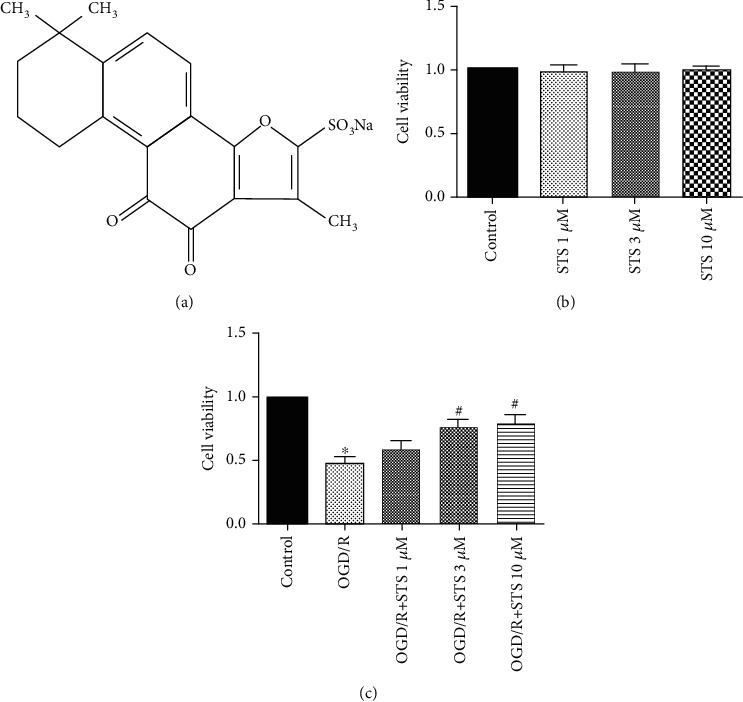
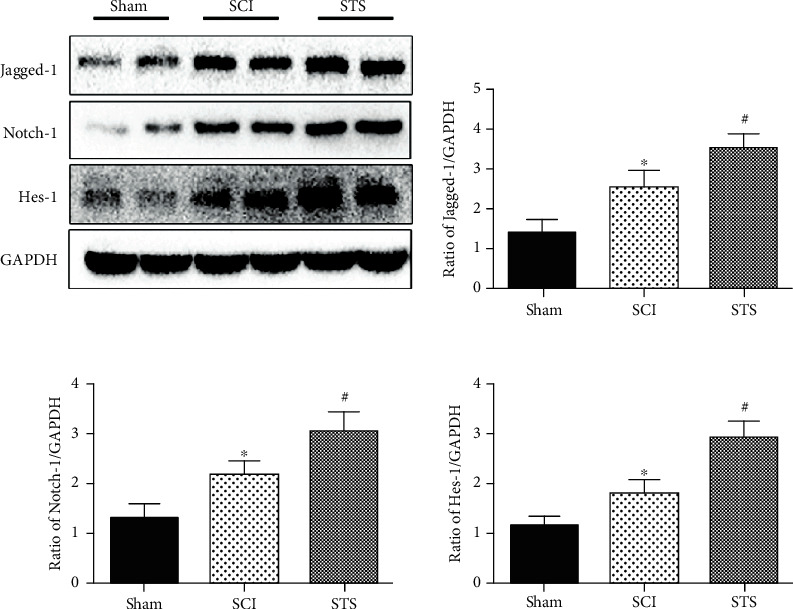
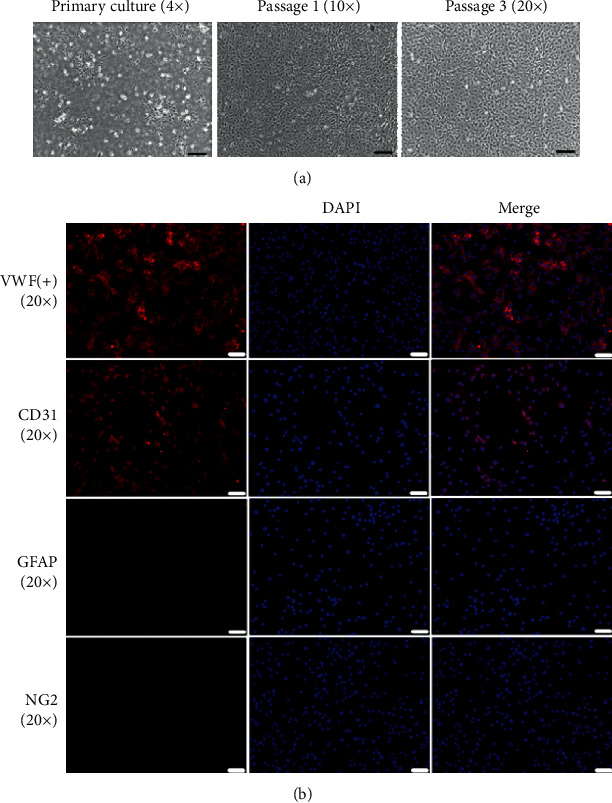
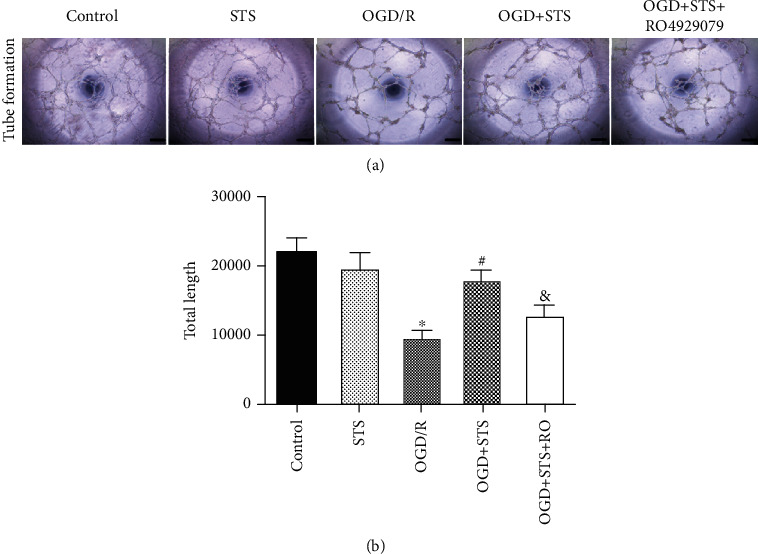
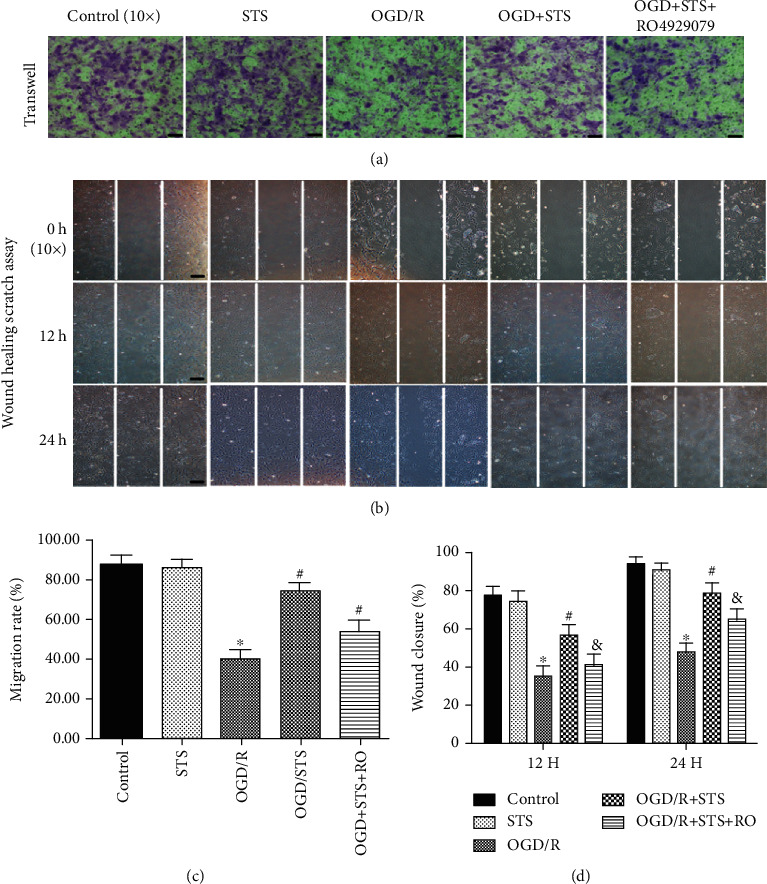
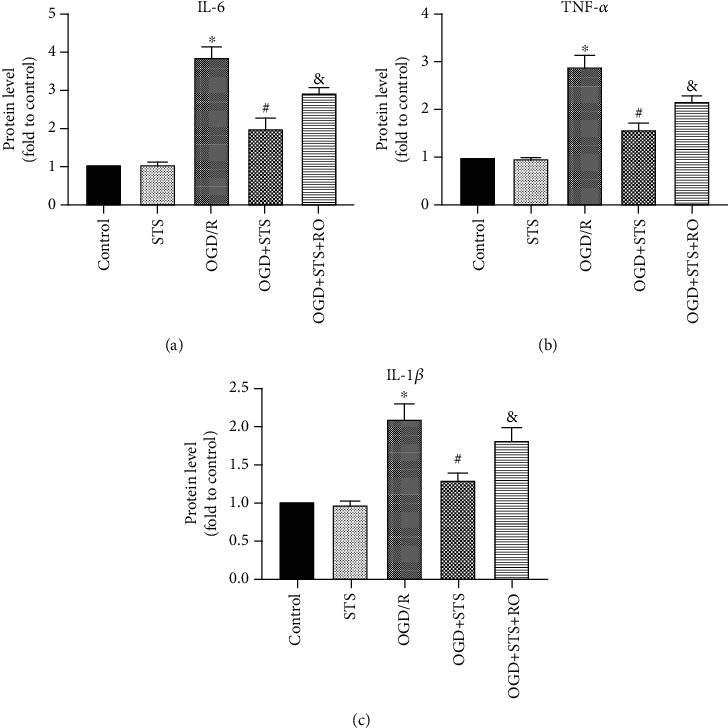
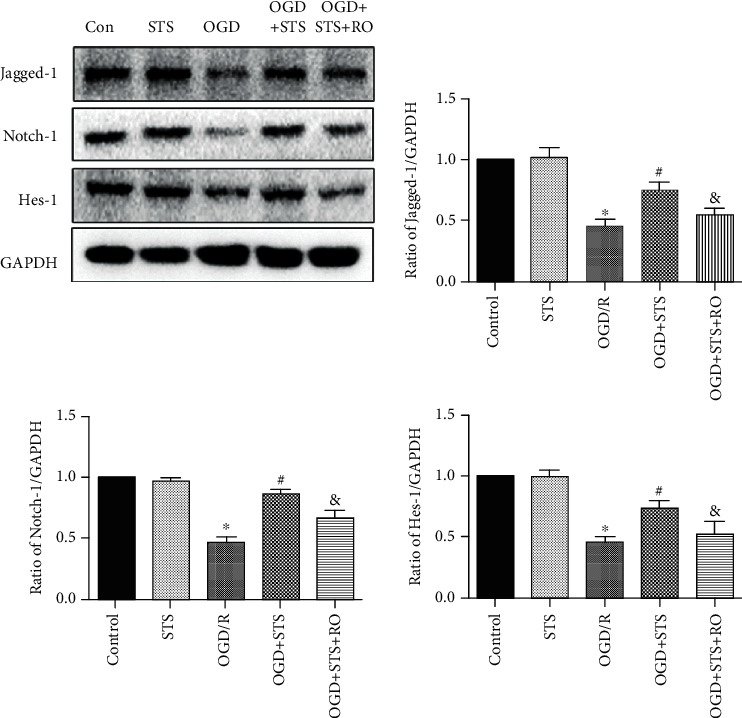
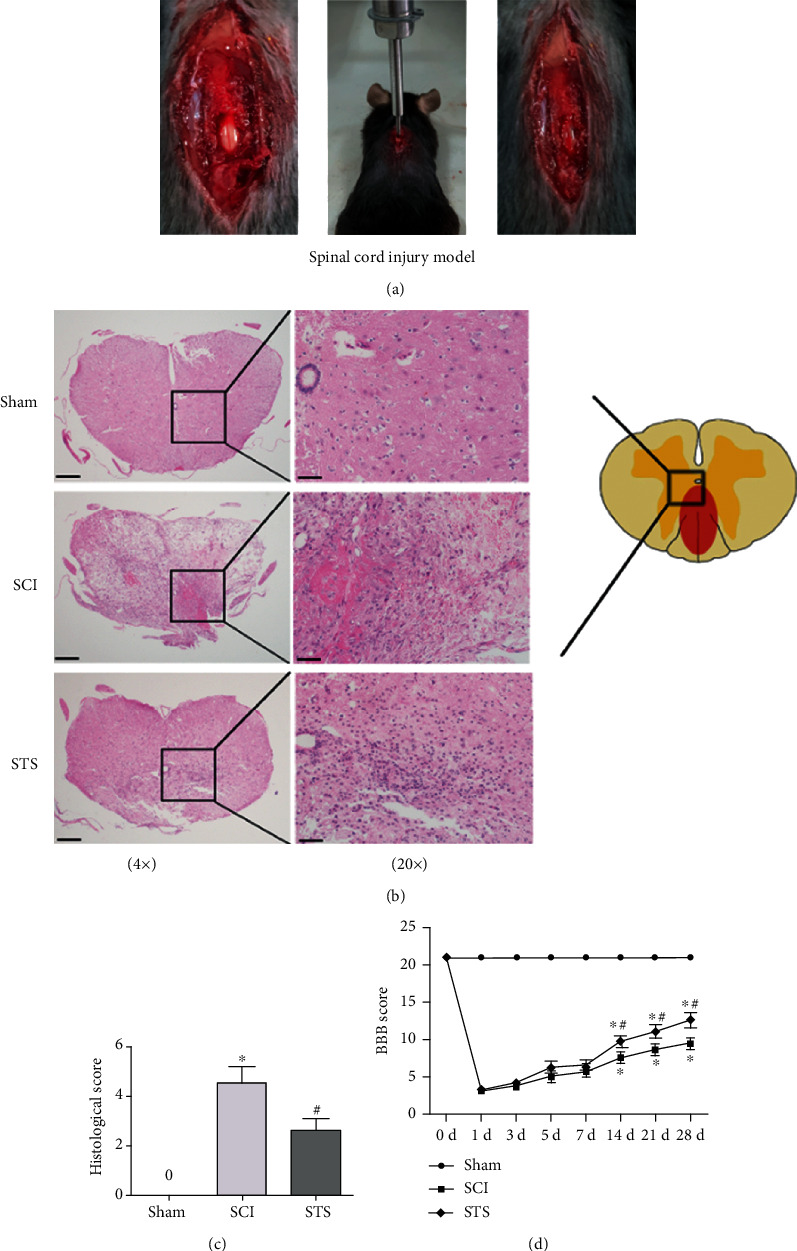
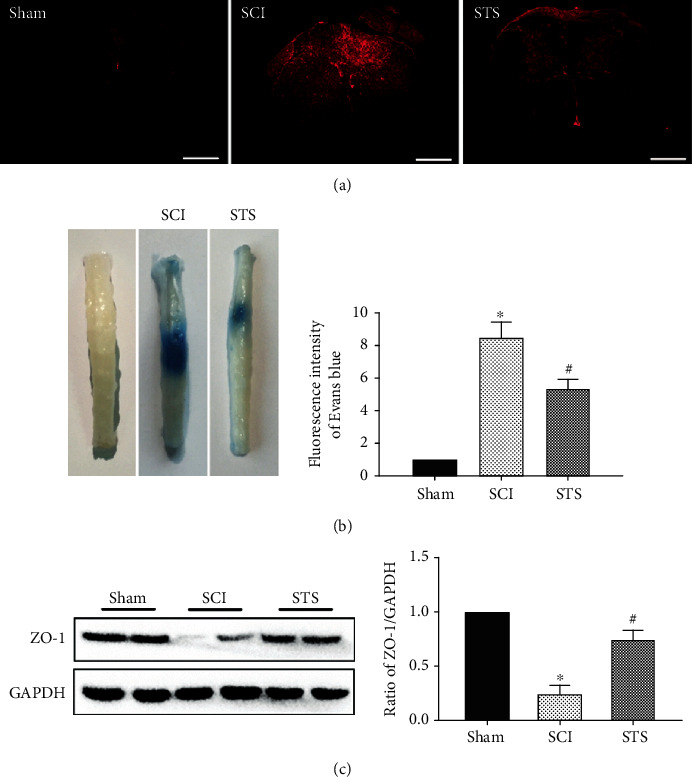
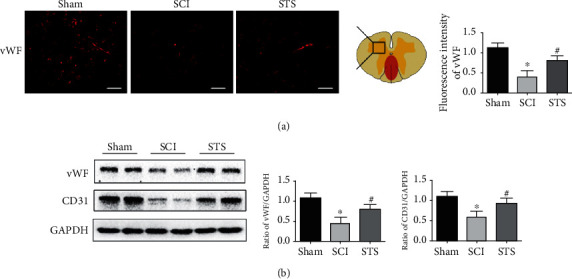
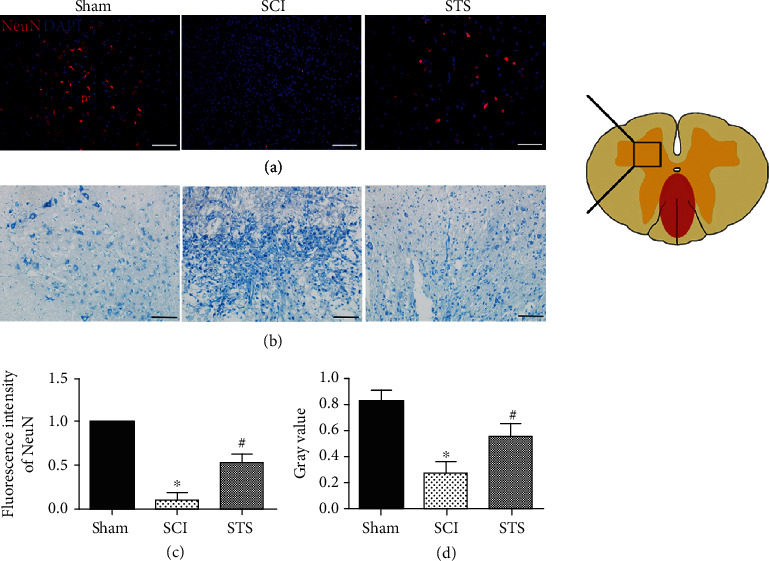
Spinal cord microcirculation involves functioning endothelial cells at the blood spinal cord barrier (BSCB) and maintains normal functioning of spinal cord neurons, axons, and glial cells. Protection of both the function and integrity of endothelial cells as well as the prevention of BSCB disruption may be a strong strategy for the treatment of spinal cord injury (SCI) cases. Sodium Tanshinone IIA silate (STS) is used for the treatment of coronary heart disease and improves microcirculation. Whether STS exhibits protective effects for SCI microcirculation is not yet clear. The purpose of this study is to investigate the protective effects of STS on oxygen-glucose deprivation- (OGD-) induced injury of spinal cord endothelial cells (SCMECs) and to explore effects on BSCB and neurovascular protection . SCMECs were treated with various concentrations of STS (1 M, 3 M, and 10 M) for 24 h with or without OGD-induction. Cell viability, tube formation, migration, and expression of Notch signaling pathway components were evaluated. Histopathological evaluation (H&E), Nissl staining, BSCB permeability, and the expression levels of von Willebrand Factor (vWF), CD31, NeuN, and Notch signaling pathway components were analyzed. STS was found to improve SCMEC functions and reduce inflammatory mediators after OGD. STS also relieved histopathological damage, increased zonula occludens-1 (ZO-1), inhibited BSCB permeability, rescued microvessels, protected motor neuromas, and improved functional recovery in a SCI model. Moreover, we uncovered that the Notch signaling pathway plays an important role during these processes. These results indicated that STS protects microcirculation in SCI, which may be used as a therapeutic strategy for SCI in the future.
脊髓微循环涉及血脊髓屏障 (BSCB) 处发挥功能的内皮细胞,并维持脊髓神经元、轴突和神经胶质细胞的正常功能。保护内皮细胞的功能和完整性,防止 BSCB 破坏,可能是治疗脊髓损伤 (SCI) 病例的有力策略。丹参酮 IIA 磺酸钠 (STS) 用于治疗冠心病并改善微循环。STS 是否对 SCI 微循环具有保护作用尚不清楚。本研究旨在探讨 STS 对氧葡萄糖剥夺 (OGD) 诱导的脊髓内皮细胞 (SCMEC) 损伤的保护作用,并探讨其对血脑屏障和神经血管保护的影响。用不同浓度的 STS (1μM、3μM 和 10μM) 处理 SCMEC 24 小时,有或没有 OGD 诱导。评估细胞活力、管形成、迁移和 Notch 信号通路成分的表达。进行组织病理学评估 (H&E)、尼氏染色、BSCB 通透性以及血管性血友病因子 (vWF)、CD31、NeuN 和 Notch 信号通路成分的表达水平分析。STS 被发现可以改善 OGD 后 SCMEC 的功能并减少炎症介质。STS 还减轻了组织病理学损伤,增加了紧密连接蛋白-1 (ZO-1),抑制了 BSCB 通透性,挽救了微血管,保护了运动神经元,并改善了 SCI 模型中的功能恢复。此外,我们发现 Notch 信号通路在这些过程中起着重要作用。这些结果表明,STS 保护 SCI 中的微循环,这可能是未来 SCI 的一种治疗策略。