Institute of Medicinal Biotechnology, Chinese Academy of Medical Sciences and Peking Union Medical College, Beijing 100050, China.
Key Laboratory of Uighur Medicine of Xinjiang Uygur Autonomous Region, Xinjiang Institute of Materia Medica, Urumqi, 830004, China.
Biomed Res Int. 2020 Oct 9;2020:5939715. doi: 10.1155/2020/5939715. eCollection 2020.
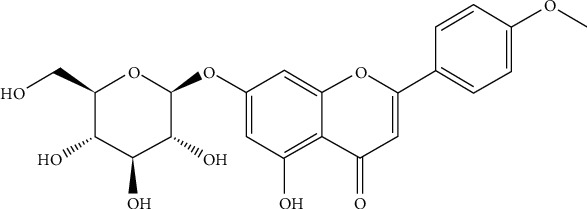
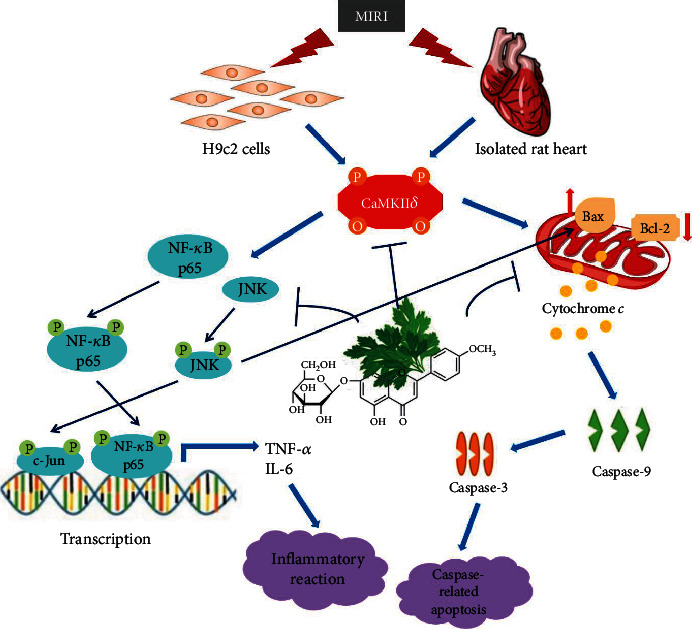
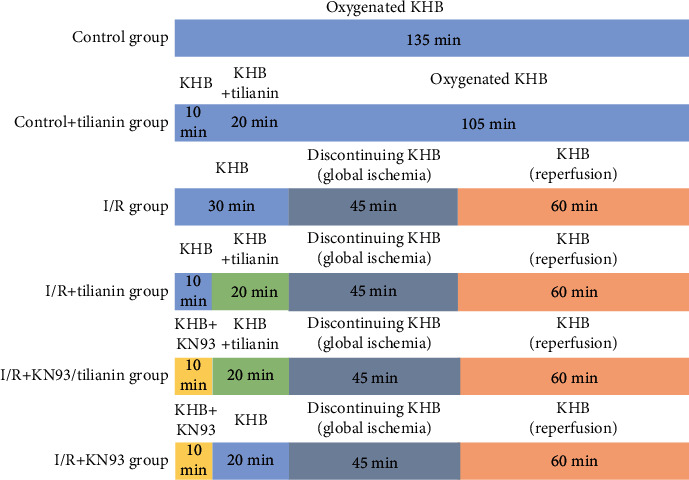
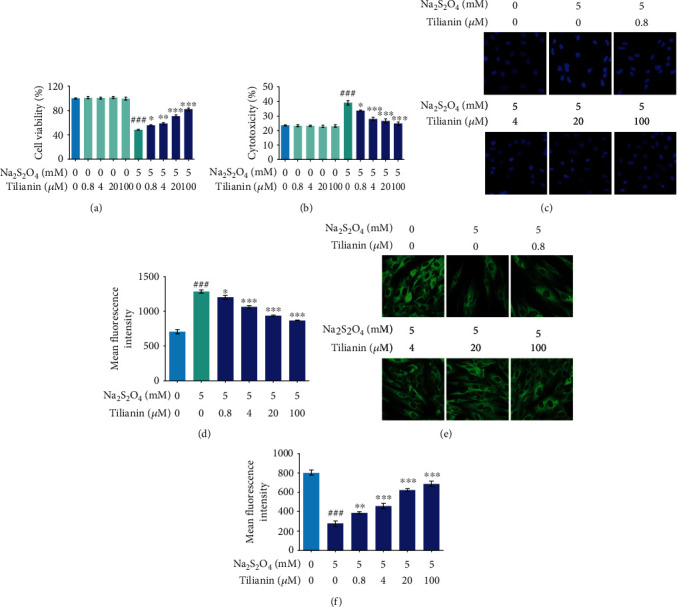
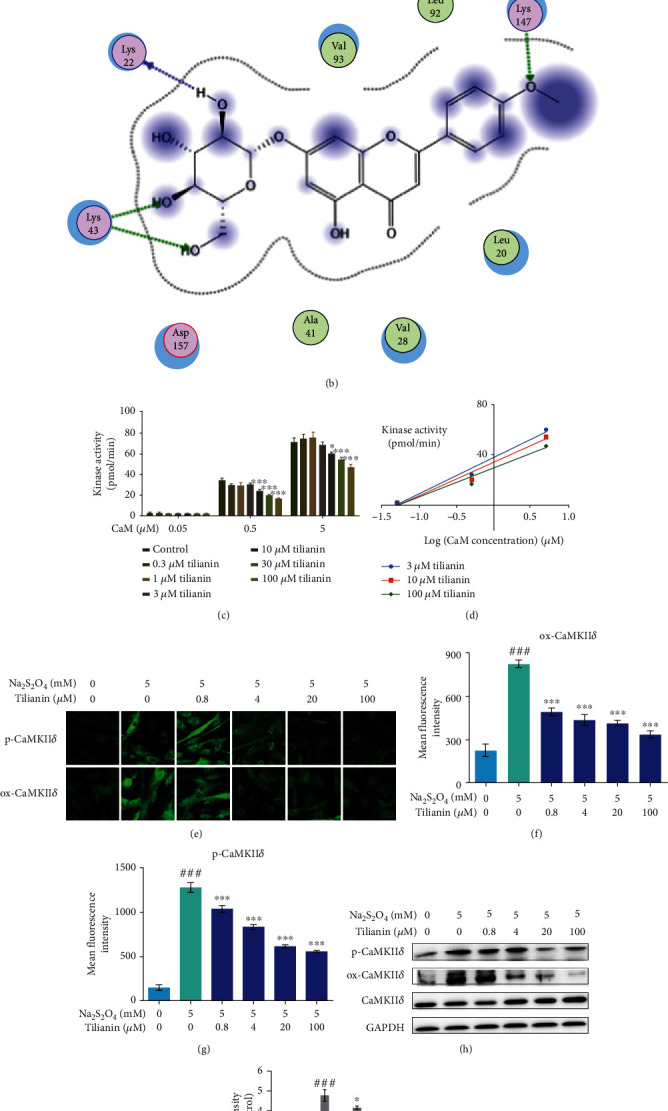
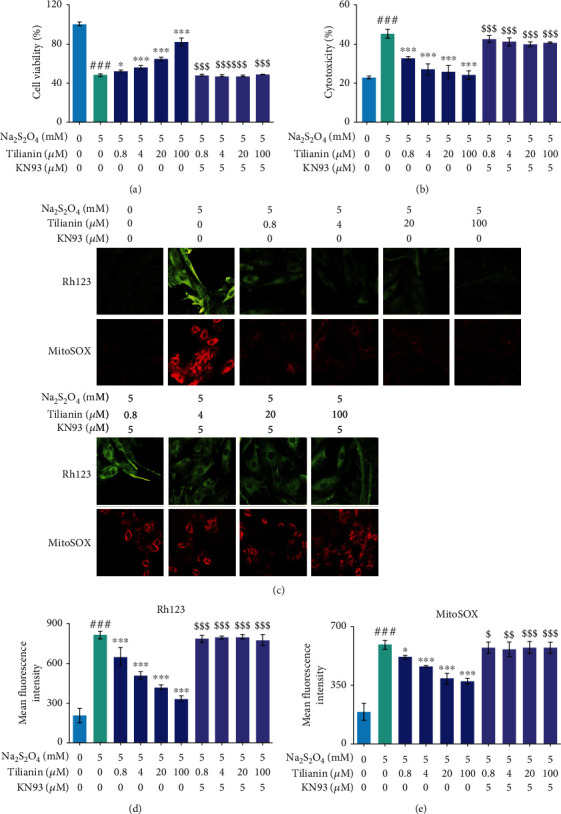
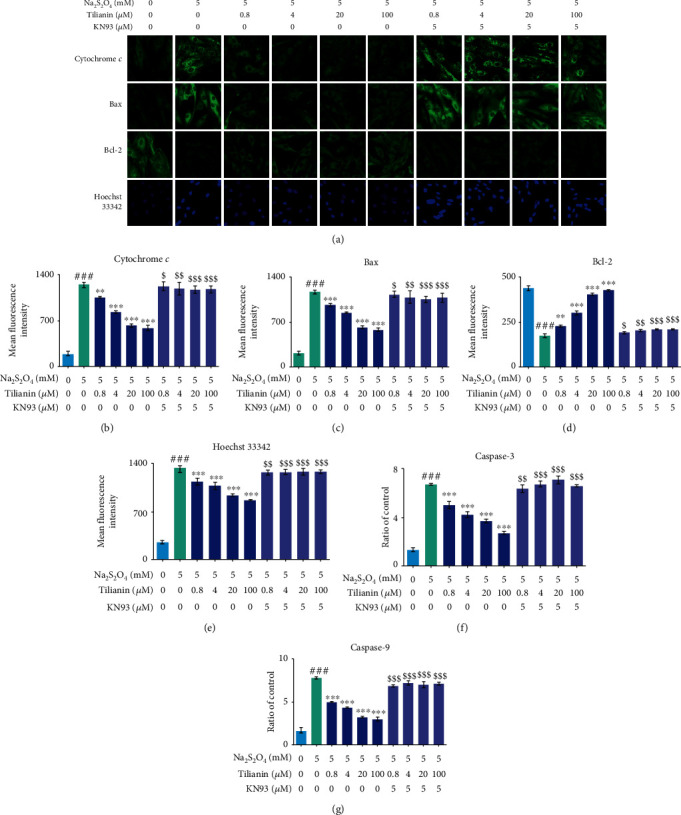
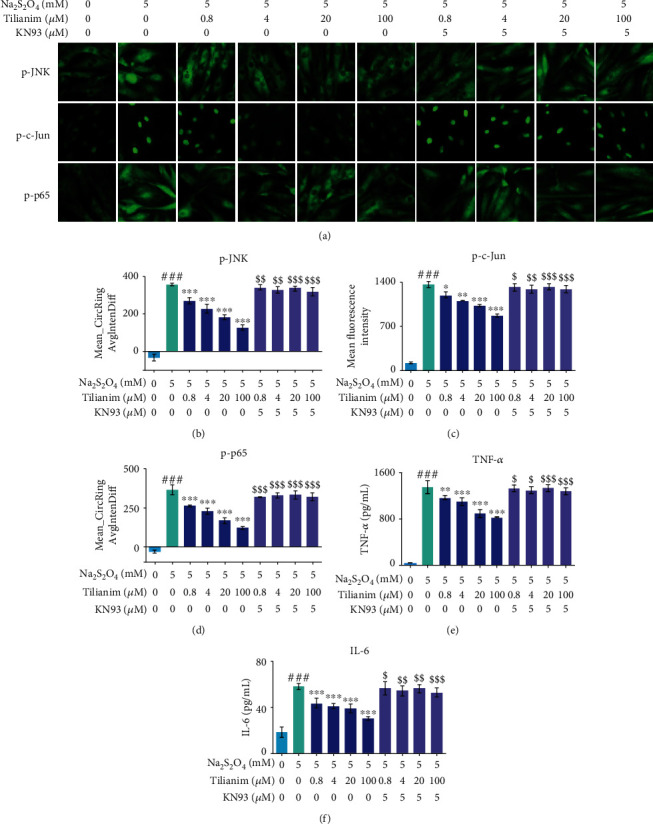
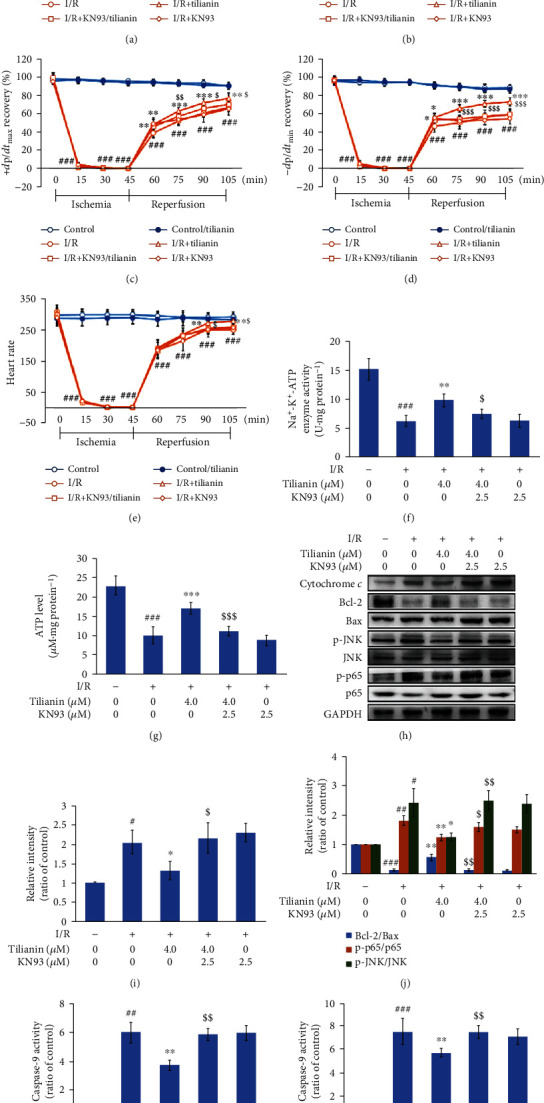
Tilianin is a naturally occurring phenolic compound with a cardioprotective effect against myocardial ischemia/reperfusion injury (MIRI). The aim of our study was to determine the potential targets and mechanism of action of tilianin against cardiac injury induced by MIRI. An docking model was used in this study for binding mode analysis between tilianin and Ca/calmodulin-dependent protein kinase II (CaMKII). Oxygen-glucose deprivation/reperfusion- (OGD/R-) injured H9c2 cardiomyocytes and ischemia/reperfusion- (I/R-) injured isolated rat hearts were developed as and models, respectively, which were both treated with tilianin in the absence or presence of a specific CaMKII inhibitor KN93 for target verification and mechanistic exploration. Results demonstrated the ability of tilianin to facilitater the recovery of OGD/R-induced cardiomyocyte injury and the maintenance of cardiac function in I/R-injured hearts. Tilianin interacted with CaMKII with an efficient binding performance, a favorable binding score, and restraining p-CaMKII and ox-CaMKII expression in cardiomyocytes injured by MIRI. Importantly, inhibition of CaMKII abolished tilianin-mediated recovery of OGD/R-induced cardiomyocyte injury and maintenance of cardiac function in I/R-injured hearts, accompanied by the disability to protect mitochondrial function. Furthermore, the protective effects of tilianin towards mitochondrion-associated proapoptotic and antiapoptotic protein counterbalance and c-Jun N-terminal kinase (JNK)/nuclear factor- (NF-) B-related inflammation suppression were both abolished after pharmacological inhibition of CaMKII. Our investigation indicated that the inhibition of CaMKII-mediated mitochondrial apoptosis and JNK/NF-B inflammation might be considered as a pivotal mechanism used by tilianin to exert its protective effects on MIRI cardiac damage.
延龄草素是一种具有心肌缺血/再灌注损伤(MIRI)保护作用的天然存在的酚类化合物。本研究旨在确定延龄草素对 MIRI 诱导的心脏损伤的潜在靶点和作用机制。本研究采用对接模型对延龄草素与钙/钙调蛋白依赖性蛋白激酶 II(CaMKII)之间的结合模式进行分析。建立氧葡萄糖剥夺/复氧-(OGD/R-)损伤的 H9c2 心肌细胞和缺血/再灌注-(I/R-)损伤的大鼠离体心脏模型,分别用延龄草素处理,同时加入或不加入特异性 CaMKII 抑制剂 KN93 进行靶点验证和机制探讨。结果表明,延龄草素能够促进 OGD/R 诱导的心肌细胞损伤的恢复,维持 I/R 损伤心脏的心脏功能。延龄草素与 CaMKII 相互作用,具有有效的结合性能、良好的结合评分,并抑制 MIRI 损伤的心肌细胞中 p-CaMKII 和 ox-CaMKII 的表达。重要的是,CaMKII 抑制消除了延龄草素介导的 OGD/R 诱导的心肌细胞损伤的恢复和 I/R 损伤心脏的心脏功能的维持,同时伴随着线粒体功能的丧失。此外,CaMKII 药理学抑制消除了延龄草素对线粒体相关促凋亡和抗凋亡蛋白平衡以及 c-Jun N-末端激酶(JNK)/核因子-(NF-)B 相关炎症抑制的保护作用。我们的研究表明,抑制 CaMKII 介导的线粒体凋亡和 JNK/NF-B 炎症可能是延龄草素发挥其对 MIRI 心脏损伤保护作用的关键机制。