Dachyar M, Zagloel Teuku Yuri M, Saragih L Ranjaliba
Department of Industrial Engineering Universitas Indonesia Depok 16424, Indonesia.
Heliyon. 2020 Oct 19;6(10):e05273. doi: 10.1016/j.heliyon.2020.e05273. eCollection 2020 Oct.
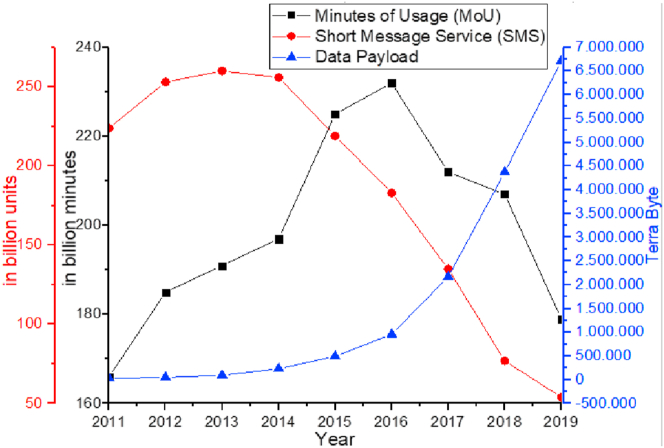
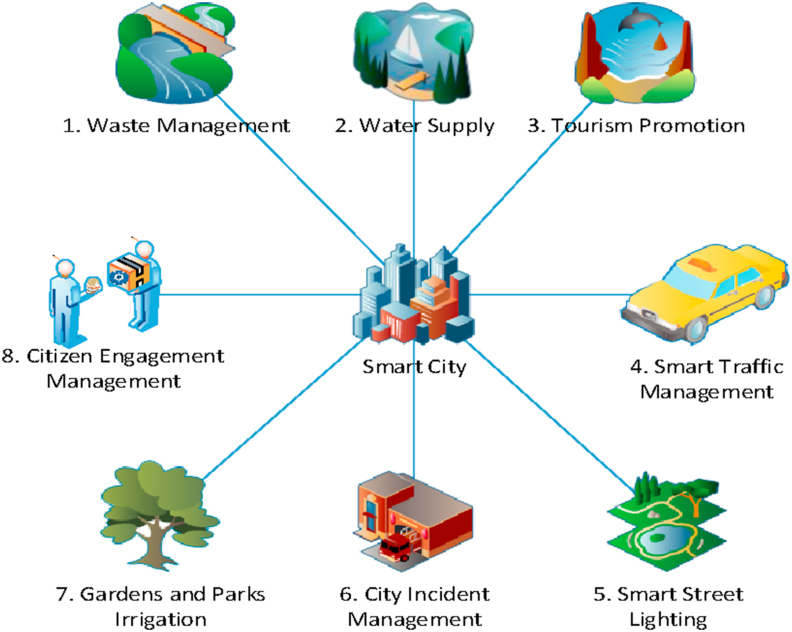
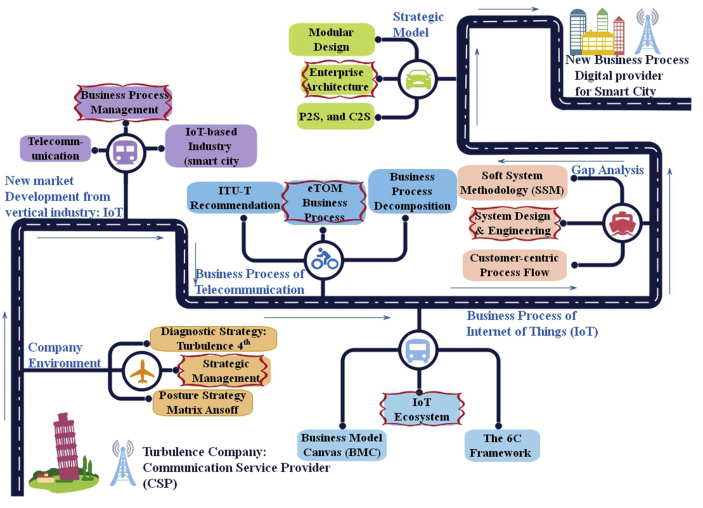
Observations of communication service providers (CSPs) over the past five years have revealed that text services have reduced radically by around 75%, followed by voice services and the average revenue per user (ARPU). This condition signifies that telecommunications companies are being affected by digital disruption. A fundamental analysis of current business processes is thus necessary for future telecommunications success. In the area of corporate strategic management, studies on conversion of the Internet of Things (IoT)-based industry as a new customer are gaining popularity. This research analyzes the breakthrough operational activities through a customer-centric approach as well as end-to-end CSP business activities towards a new customer reconciliation model. The customer-centric activities address problem to solution and complaint to solution. In the future, CSPs are expected to have large numbers of newly registered customers from IoT-based industries. The strategic mechanism for transforming leaps from old business processes into new ones is a novel research subject using the business process management (BPM) method. Business process analysis has been facilitated by the Internationa Telecommunication Union (ITU) telecommunications standards body developed by TMForum as the global telecommunications industry association. This transformation involves development of organizational structure, business activities, technical specifications, information and communication flow, and operational schemes, modeled under the enterprise architecture strategic notation, whose result is a breakthrough enterprise architecture design for future telecommunications companies. The design contributes to strategic management knowledge on how collaboration between the telecommunications industry and other IoT-based industries is determined for real operations. This research presents a transformation scheme that can solve the potential problem of bankruptcy in the telecommunications industry through a case study of a smart city in the IoT-based industry.
过去五年对通信服务提供商(CSP)的观察表明,短信服务已大幅减少了约75%,其次是语音服务和每用户平均收入(ARPU)。这种情况表明电信公司正受到数字颠覆的影响。因此,对当前业务流程进行基本面分析对于未来电信行业的成功至关重要。在企业战略管理领域,将基于物联网(IoT)的行业转变为新客户的研究越来越受欢迎。本研究通过以客户为中心的方法分析突破性运营活动,以及针对新客户协调模型的端到端CSP业务活动。以客户为中心的活动解决从问题到解决方案以及从投诉到解决方案的问题。未来,预计CSP将有大量来自基于物联网行业的新注册客户。利用业务流程管理(BPM)方法,将旧业务流程转变为新业务流程的战略机制是一个新颖的研究课题。业务流程分析由国际电信联盟(ITU)推动,ITU是由TMForum作为全球电信行业协会制定的电信标准机构。这种转变涉及组织结构、业务活动、技术规范、信息和通信流程以及运营方案的发展,这些都是根据企业架构战略符号建模的,其结果是为未来电信公司设计出突破性的企业架构。该设计有助于了解在实际运营中如何确定电信行业与其他基于物联网的行业之间的合作的战略管理知识。本研究通过对基于物联网行业的一个智慧城市的案例研究,提出了一种可以解决电信行业潜在破产问题的转型方案。