Abramowicz Jacques S
University of Chicago, Chicago, IL, USA.
World Federation for Ultrasound in Medicine and Biology, London, UK.
Ultrasonography. 2021 Jan;40(1):57-74. doi: 10.14366/usg.20088. Epub 2020 Aug 25.
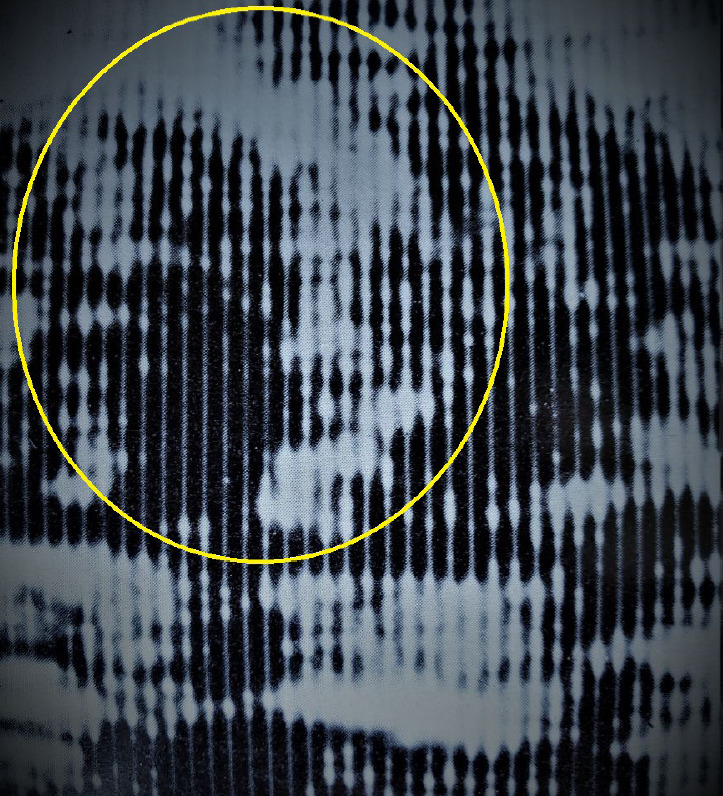
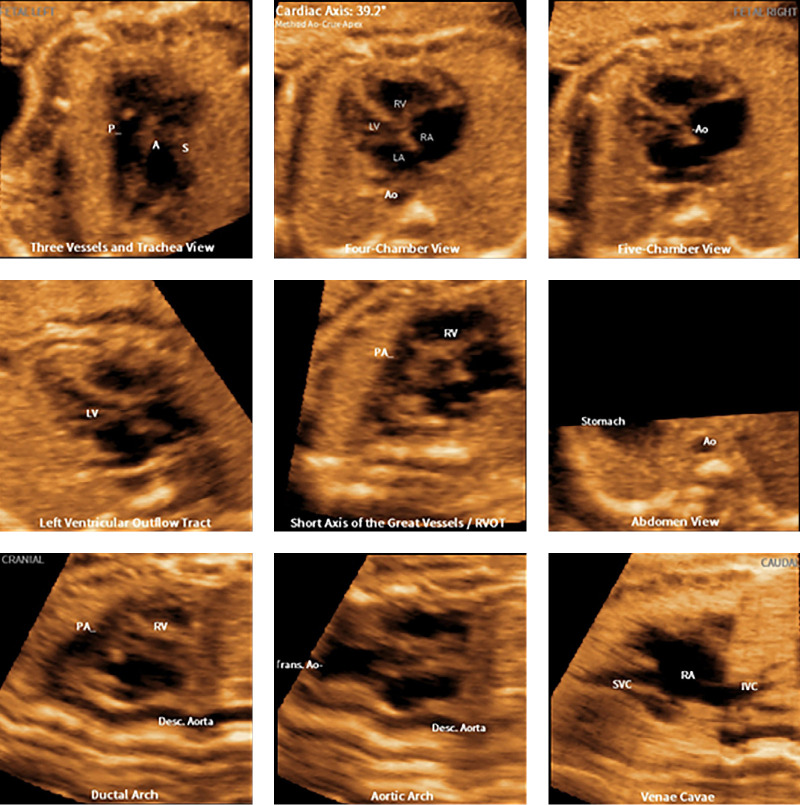
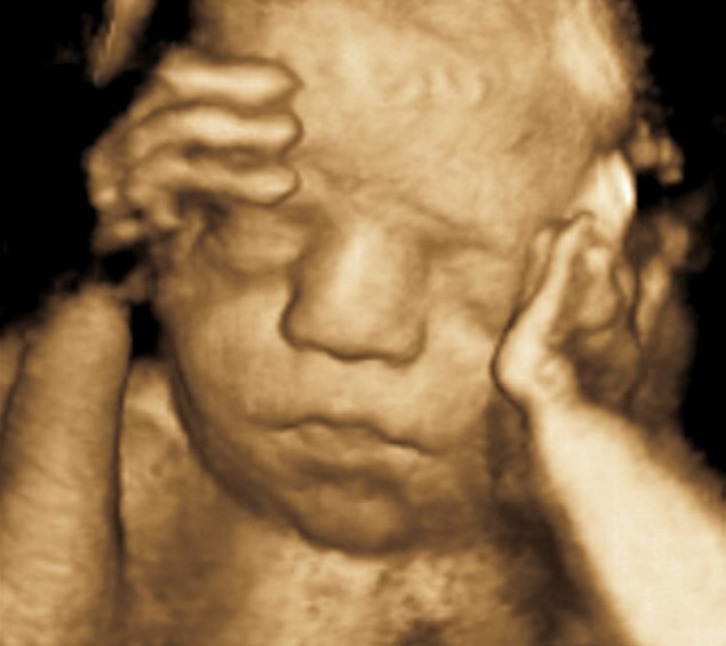
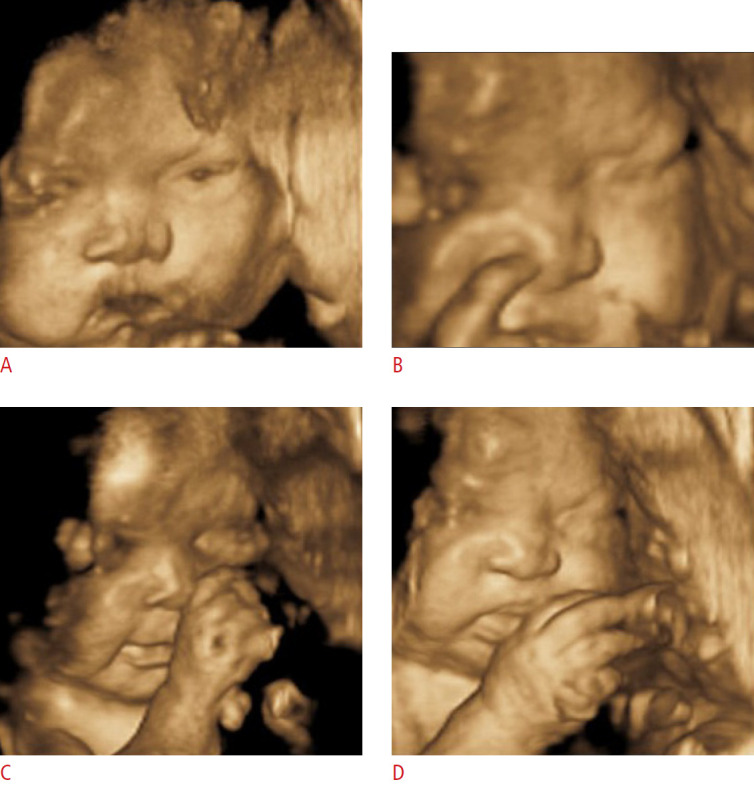
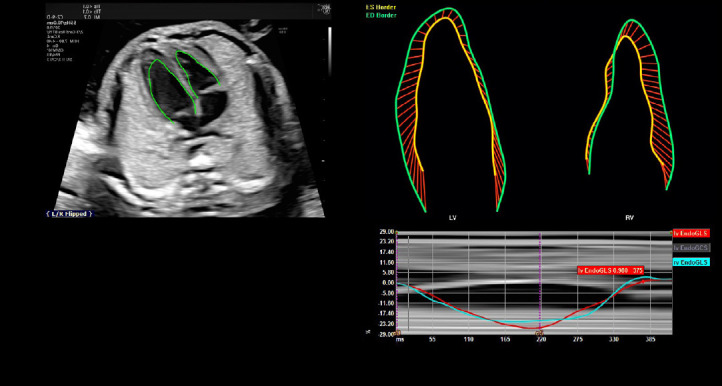
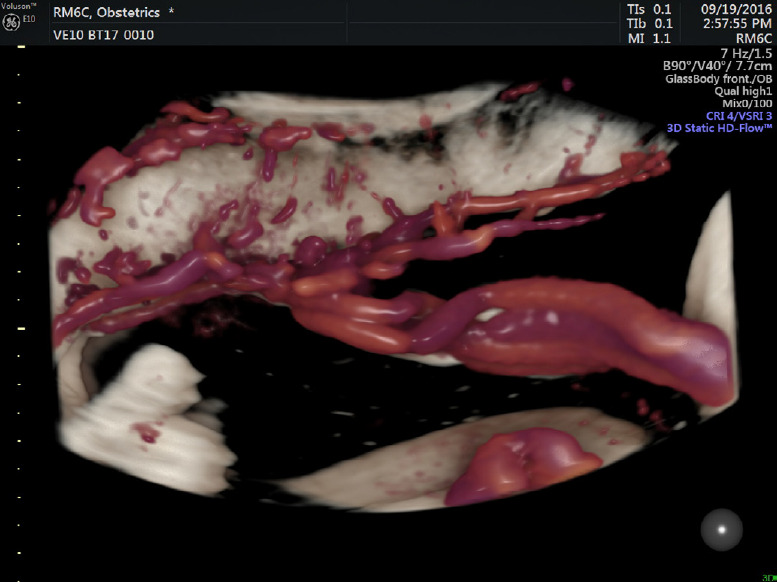
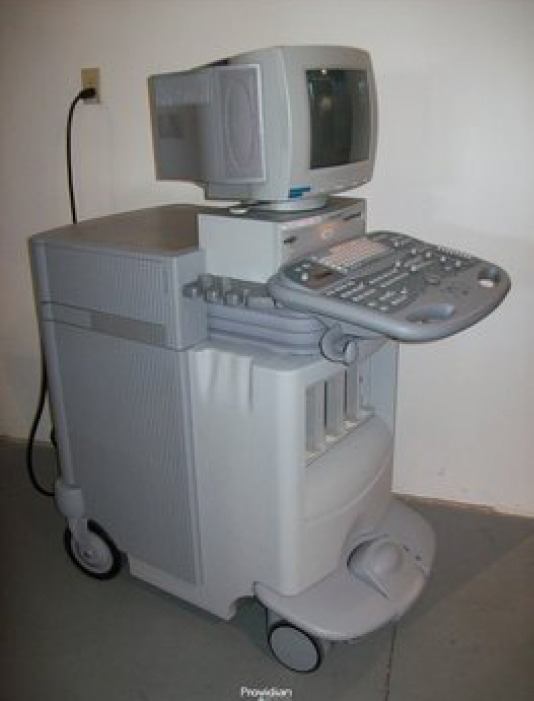
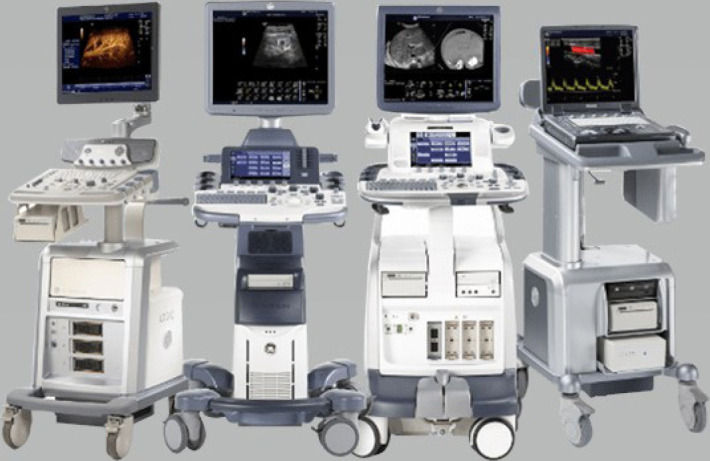
Diagnostic ultrasound (DUS) is, arguably, the most common technique used in obstetrical practice. From A mode, first described by Ian Donald for gynecology in the late 1950s, to B mode in the 1970s, real-time and gray-scale in the early 1980s, Doppler a little later, sophisticated color Doppler in the 1990s and three dimensional/four-dimensional ultrasound in the 2000s, DUS has not ceased to be closely associated with the practice of obstetrics. The latest innovation is the use of artificial intelligence which will, undoubtedly, take an increasing role in all aspects of our lives, including medicine and, specifically, obstetric ultrasound. In addition, in the future, new visualization methods may be developed, training methods expanded, and workflow and ergonomics improved.
可以说,诊断性超声(DUS)是产科实践中最常用的技术。从20世纪50年代末伊恩·唐纳德首次描述用于妇科的A模式,到70年代的B模式,80年代初的实时和灰阶模式,稍晚些的多普勒模式,90年代的先进彩色多普勒模式以及21世纪的三维/四维超声模式,DUS一直与产科实践紧密相关。最新的创新是人工智能的应用,毫无疑问,它将在我们生活的各个方面发挥越来越重要的作用,包括医学领域,特别是产科超声。此外,未来可能会开发新的可视化方法,扩展培训方法,并改善工作流程和人体工程学。