Heras-Molina Ana, Pesantez-Pacheco José Luis, Astiz Susana, Garcia-Contreras Consolación, Vazquez-Gomez Marta, Encinas Teresa, Óvilo Cristina, Isabel Beatriz, Gonzalez-Bulnes Antonio
SGIT-INIA, Ctra. De La Coruña Km. 7.5, 28040 Madrid, Spain.
School of Veterinary Medicine and Zootechnics, Faculty of Agricultural Sciences, University of Cuenca, Avda. Doce de Octubre, Cuenca 010220, Ecuador.
Animals (Basel). 2020 Oct 22;10(11):1946. doi: 10.3390/ani10111946.
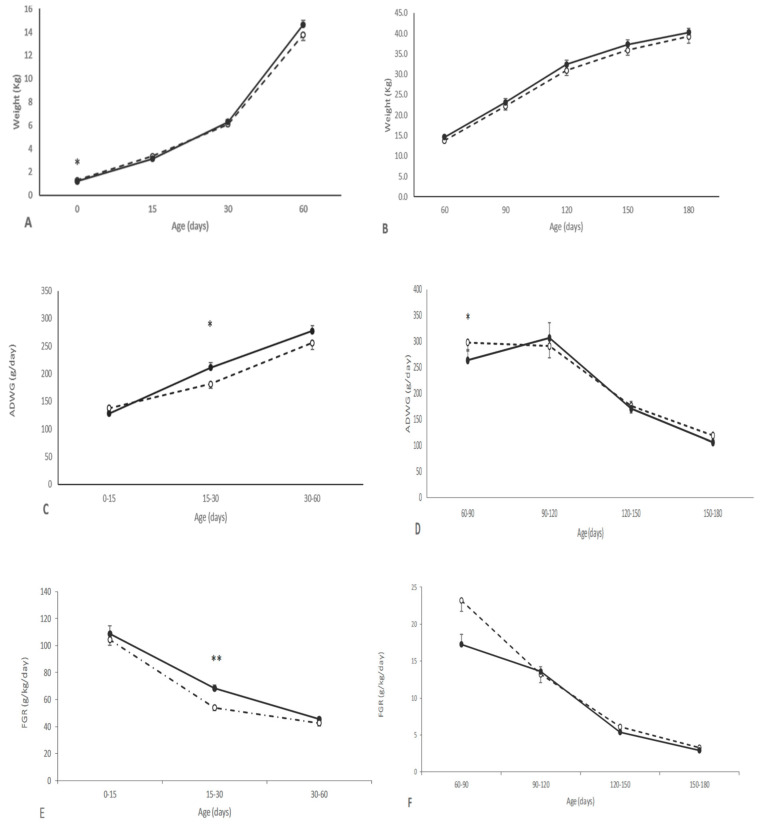
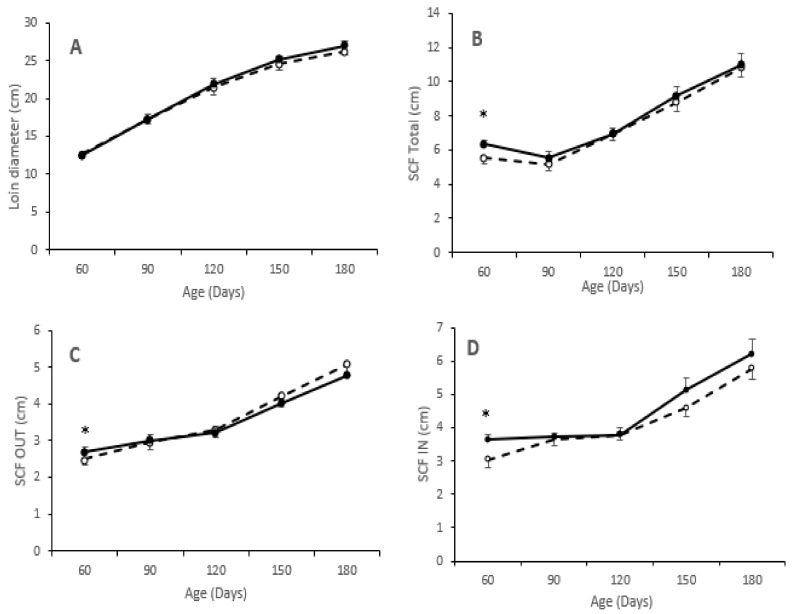
Maternal supplementation with antioxidants and n3 PUFAs may be a promising strategy to reduce the risk of intrauterine growth restriction and preterm delivery, which may diminish the appearance of low-birth-weight neonates. The present study aimed to determine benefits and risks of a dietary supplementation combining hydroxytyrosol, a polyphenol from olive leaves and fruits, and n3 PUFAs, from linseed oil, on developmental patterns and metabolic traits of offspring in swine, a model of IUGR pregnancies. The results obtained indicate that maternal supplementation with hydroxytyrosol and n-3 fatty acids during pregnancy has no deleterious effects on the reproductive traits of the sows (prolificacy, homogeneity of the litter, and percentage of stillborns and low-birth-weight, LBW, piglets) and the postnatal features of the piglets (growth patterns, adiposity, and metabolic traits). Conversely, in spite of a lower mean weight and corpulence at birth, piglets from the supplemented sows showed higher average daily weight gain and fractional growth rate. Thus, at juvenile stages afterwards, the offspring from the treated group reached higher weight and corpulence, with increased muscle development and better lipidemic and fatty acid profiles, in spite of similar adiposity, than offspring in the control group. However, much caution and more research are still needed before practical recommendation and use in human pregnancies.
孕期母体补充抗氧化剂和n-3多不饱和脂肪酸可能是一种很有前景的策略,可降低宫内生长受限和早产的风险,这可能会减少低体重新生儿的出现。本研究旨在确定将橄榄叶和果实中的多酚羟基酪醇与亚麻籽油中的n-3多不饱和脂肪酸相结合进行膳食补充,对猪(宫内生长受限妊娠模型)后代的发育模式和代谢特征的益处和风险。所得结果表明,孕期母体补充羟基酪醇和n-3脂肪酸对母猪的繁殖性状(产仔数、仔猪同质性、死产率和低体重仔猪百分比)以及仔猪的出生后特征(生长模式、肥胖和代谢特征)没有有害影响。相反,尽管出生时平均体重和肥胖程度较低,但补充组母猪的仔猪平均日增重和生长分数率较高。因此,在随后的幼年期,治疗组的后代体重和肥胖程度更高,肌肉发育增加,血脂和脂肪酸谱更好,尽管肥胖程度与对照组相似。然而,在实际推荐用于人类妊娠之前,仍需要非常谨慎并进行更多研究。