Ponte Borja, Puche Julio, Rosillo Rafael, de la Fuente David
Department of Business Administration, University of Oviedo, Gijon, Spain.
Department of Applied Economics, University of Burgos, Burgos, Spain.
Transp Res E Logist Transp Rev. 2020 Nov;143:102094. doi: 10.1016/j.tre.2020.102094. Epub 2020 Oct 17.
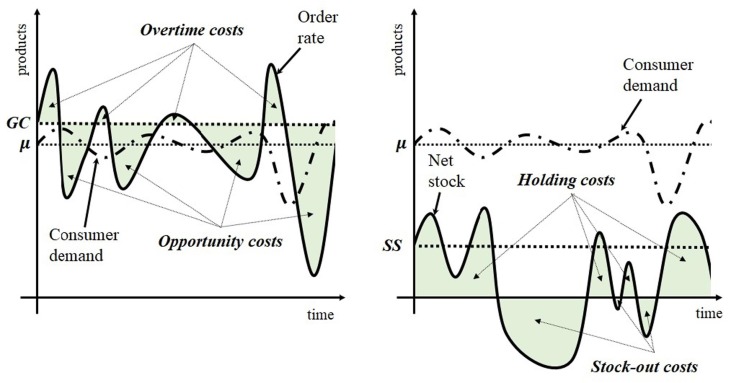
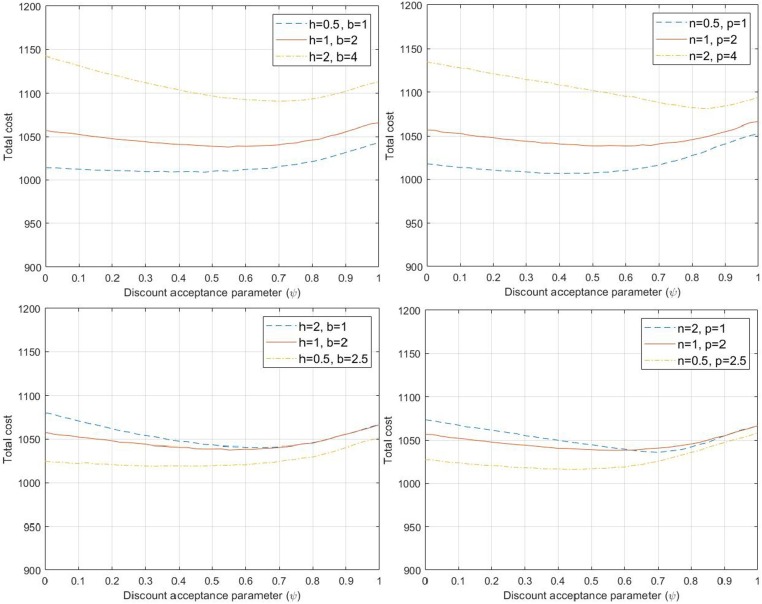
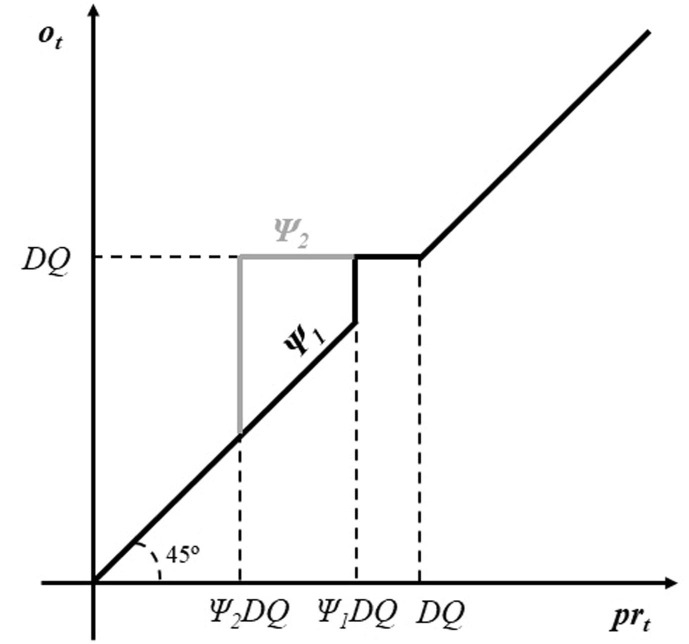
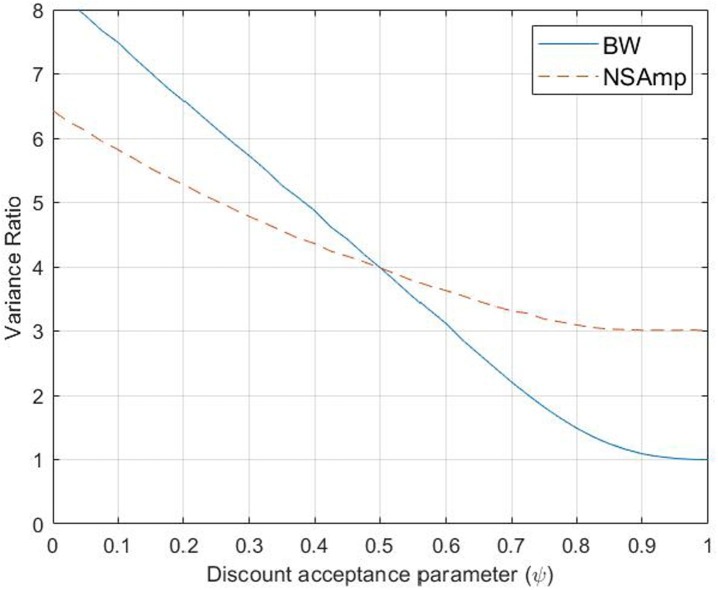
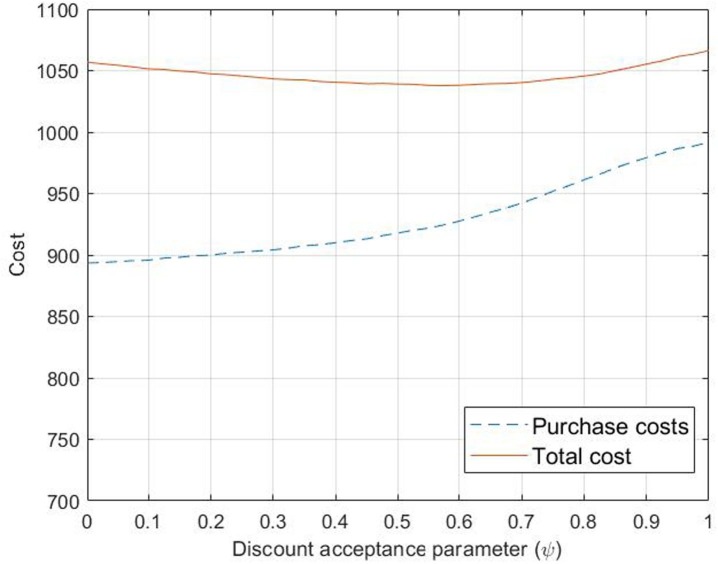
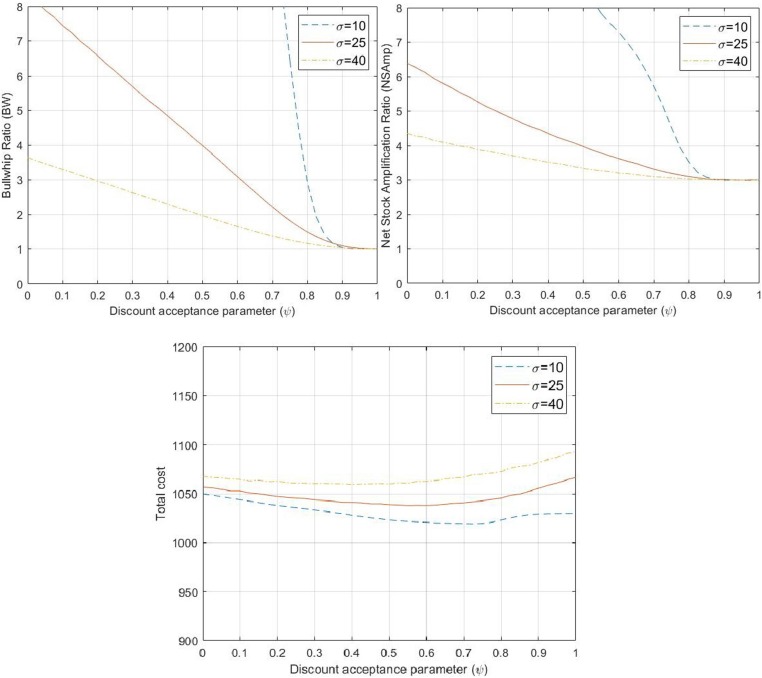
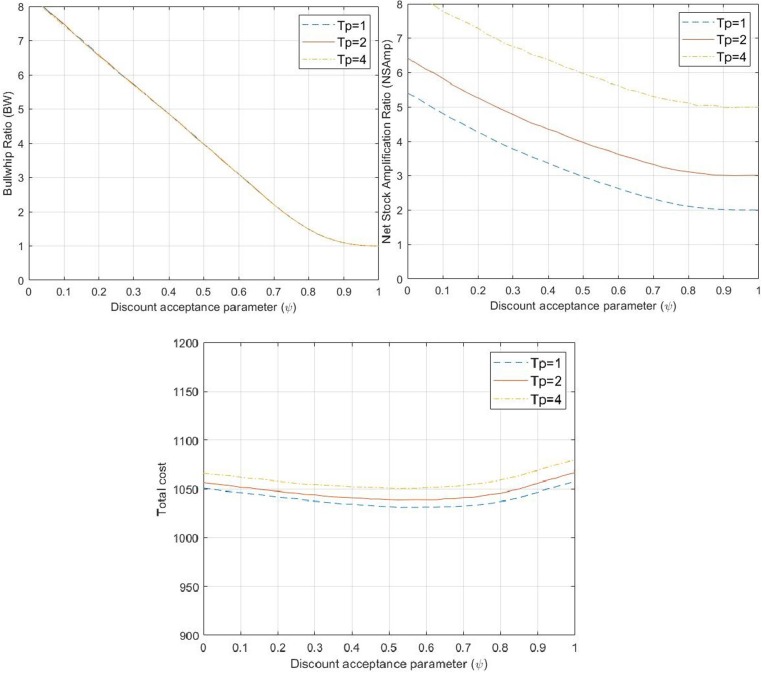
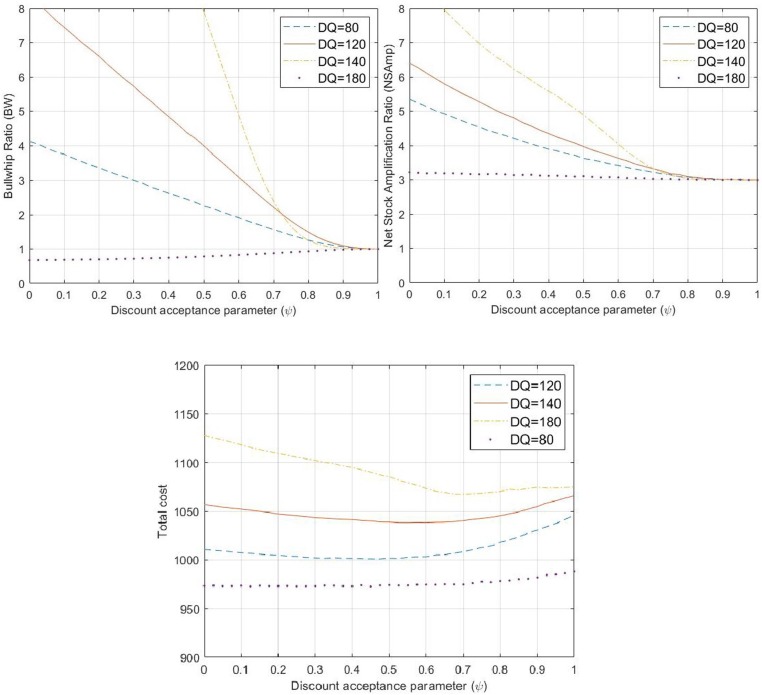
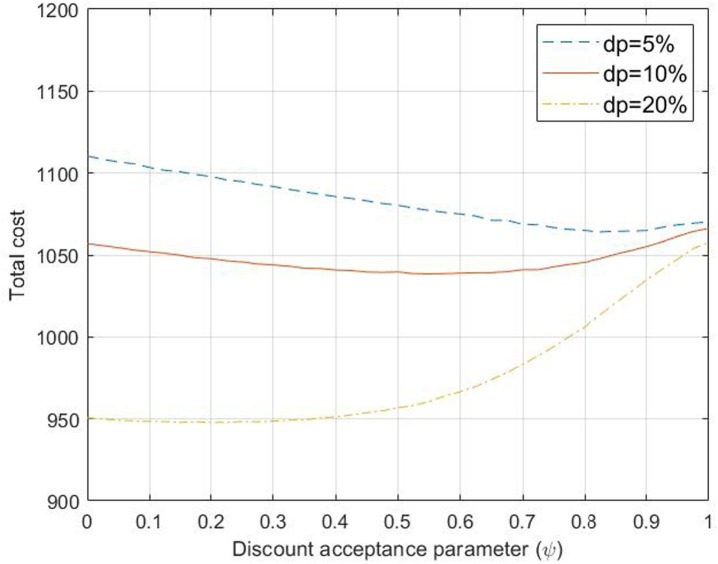
Quantity discounts are a common pricing mechanism to stimulate large orders. We explore their impact on the dynamic behaviour of production and distribution systems by studying key operational and economic metrics. In a three-echelon supply chain, we observe that the discount generally increases the Bullwhip Effect, which especially harms the manufacturer. The discount also reduces the retailer's purchase costs, but increases its inventory- and capacity-related costs. A key trade-off thus emerges, which manifests itself through a U-shaped relationship between the total cost and the discount acceptance parameter. In the light of this trade-off, we discuss how key factors should affect the retailer's willingness to pursue the discount. We observe that managers that need to deal with tougher environmental conditions, such as high demand uncertainty and long lead times, should be less reluctant to increase orders up to the discount quantity. We also discuss in detail other valuable insights for professionals, both from the perspective of sellers and buyers.
数量折扣是一种常见的定价机制,用于刺激大量订单。我们通过研究关键运营和经济指标来探讨其对生产和分销系统动态行为的影响。在一个三级供应链中,我们观察到折扣通常会加剧牛鞭效应,这对制造商尤其不利。折扣也会降低零售商的采购成本,但会增加其与库存和产能相关的成本。因此出现了一个关键的权衡,它通过总成本与折扣接受参数之间的U形关系体现出来。鉴于这种权衡,我们讨论了关键因素应如何影响零售商追求折扣的意愿。我们观察到,需要应对更严峻环境条件(如高需求不确定性和长提前期)的管理者,在增加订单至折扣数量时应减少顾虑。我们还从卖家和买家的角度详细讨论了对专业人士的其他有价值的见解。