Gutierrez Amezcua Jose Manuel, Jain Rajan, Kleinman George, Muh Carrie R, Guzzetta Melissa, Folkerth Rebecca, Snuderl Matija, Placantonakis Dimitris G, Galetta Steven L, Hochman Sarah, Zagzag David
Department of Pathology, Division of Neuropathology, NYU Langone Health, 550 First Avenue, New York, NY 10016 USA.
New York University Grossman School of Medicine, New York, NY 10016 USA.
SN Compr Clin Med. 2020;2(11):2109-2125. doi: 10.1007/s42399-020-00598-1. Epub 2020 Oct 22.
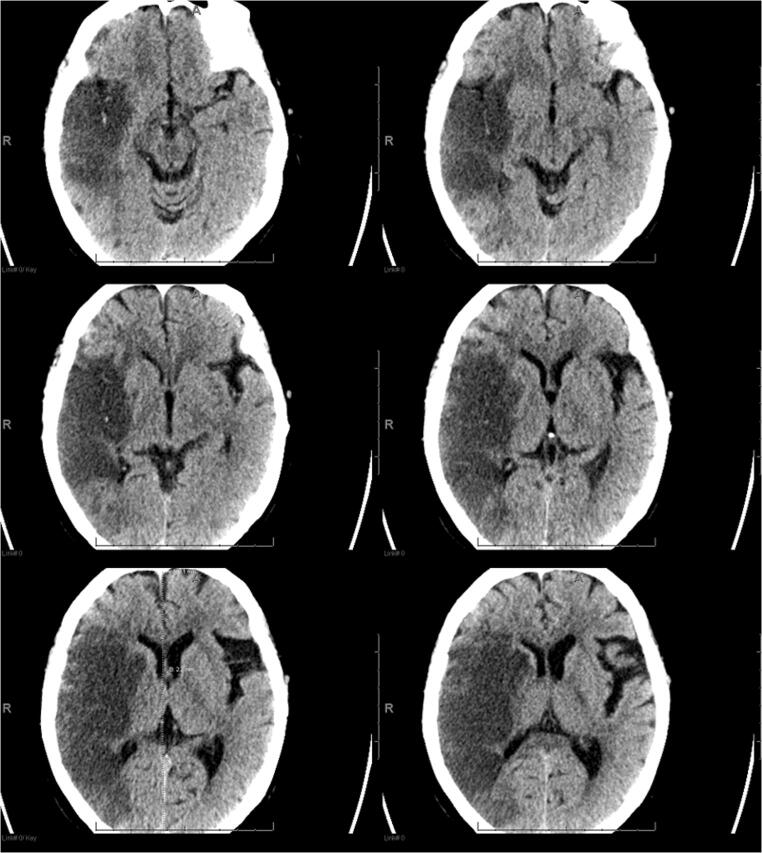
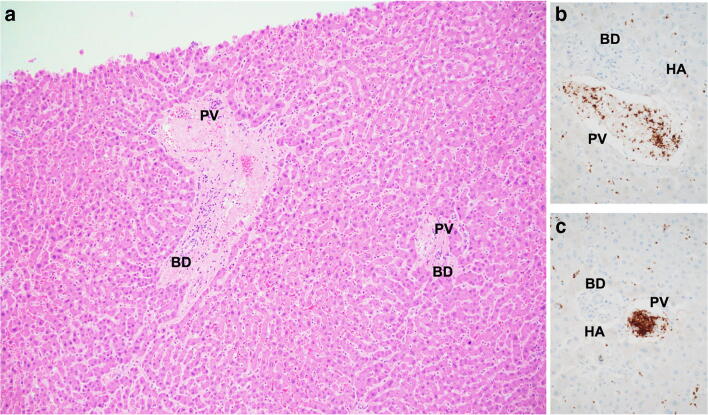
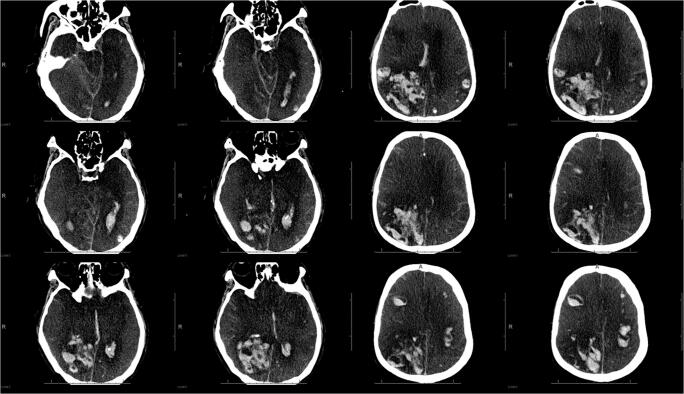
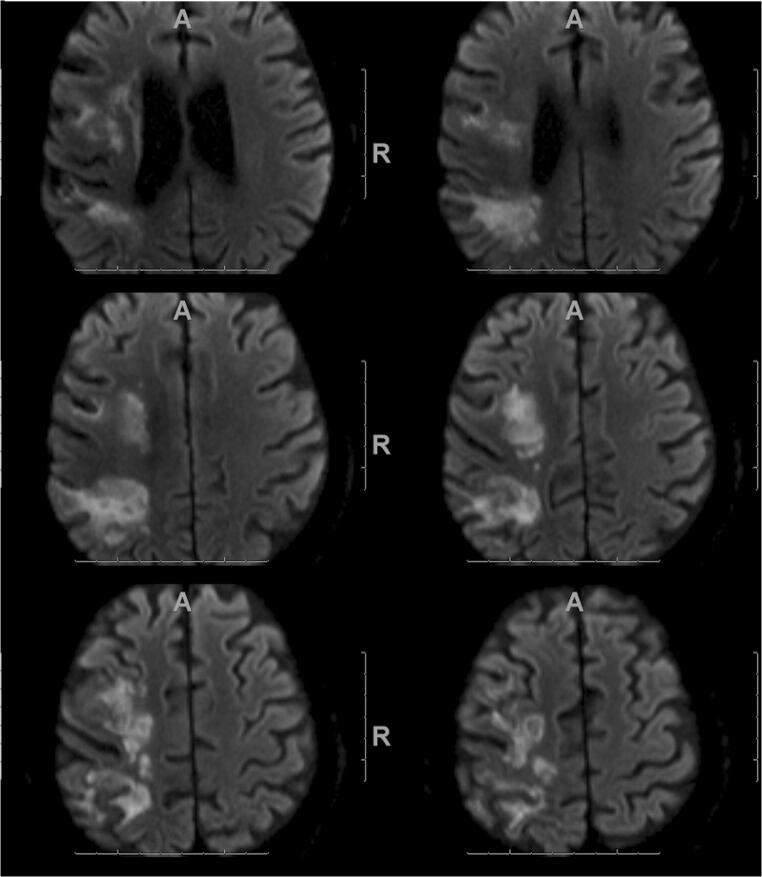
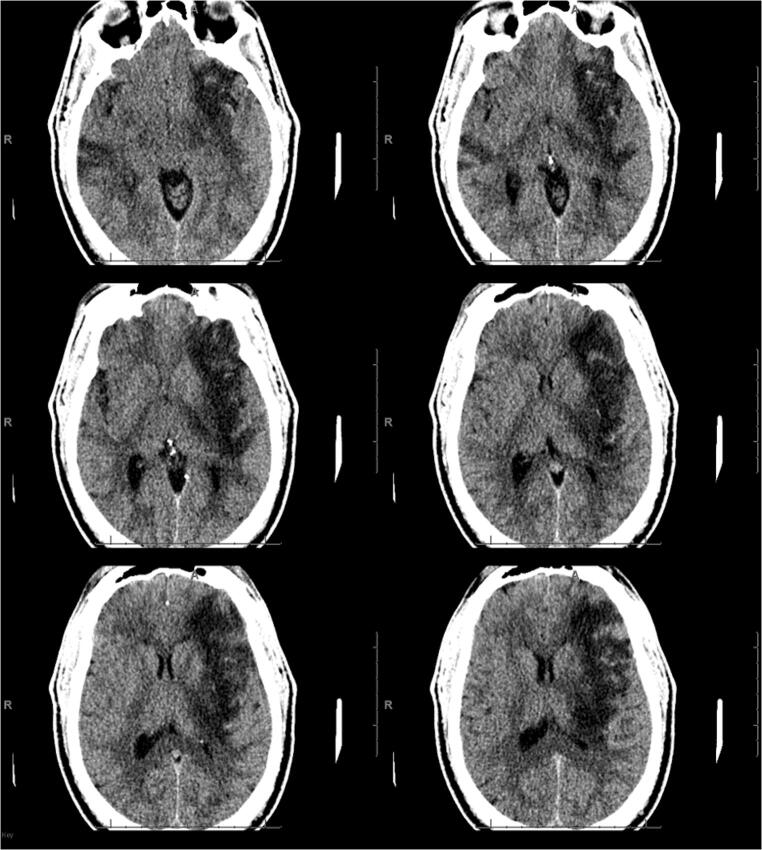
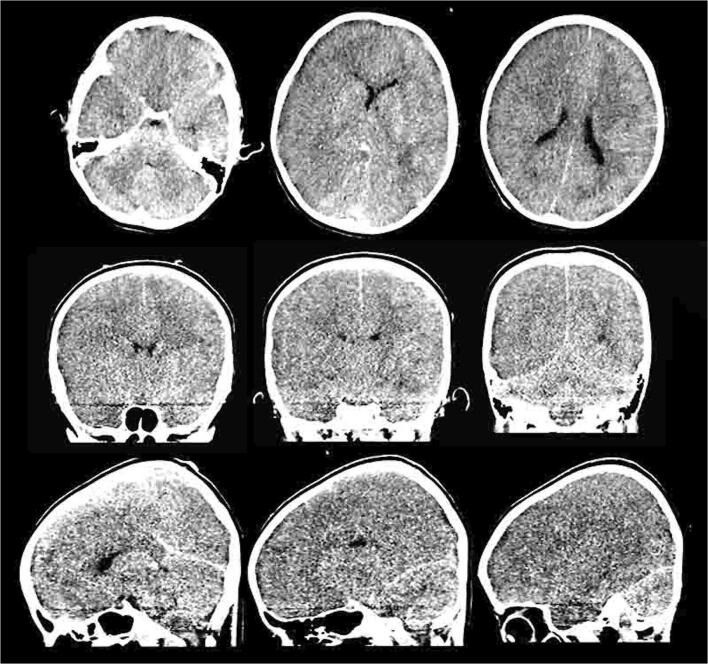
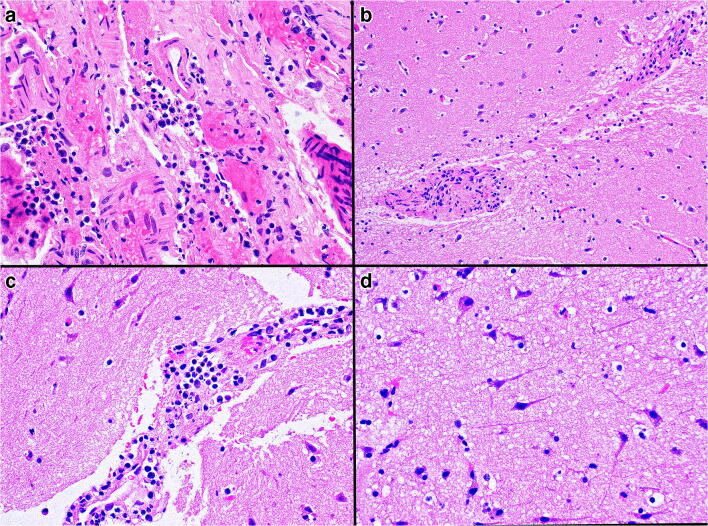
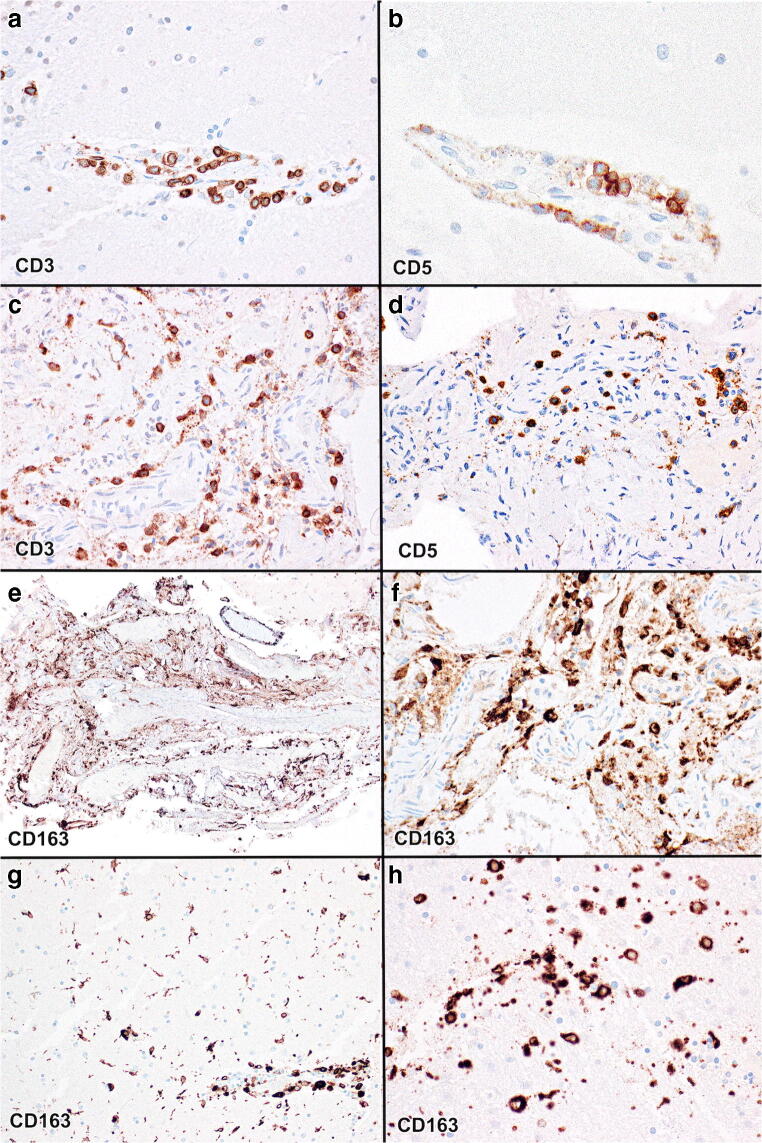
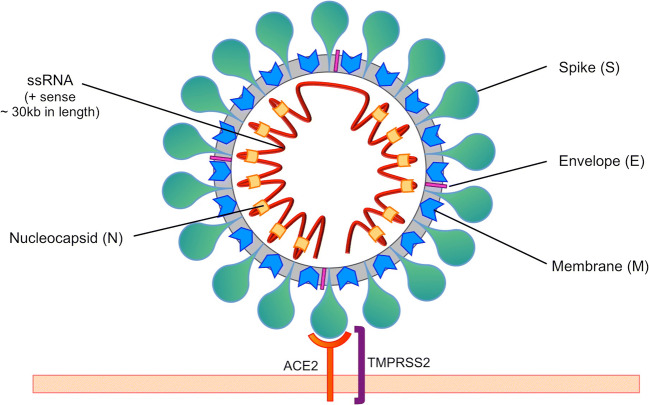
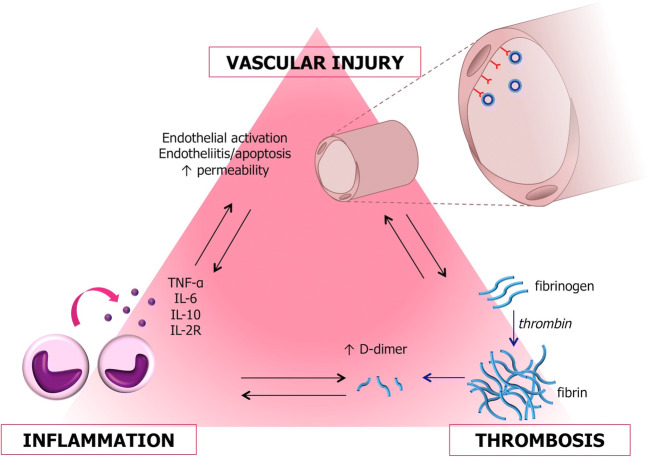
Coronavirus disease 2019 (COVID-19) is associated with a high inflammatory burden that can induce severe respiratory disease among other complications; vascular and neurological damage has emerged as a key threat to COVID-19 patients. Risk of severe infection and mortality increases with age, male sex, and comorbidities including cardiovascular disease, hypertension, obesity, diabetes, and chronic pulmonary disease. We review clinical and neuroradiological findings in five patients with COVID-19 who suffered severe neurological disease and illustrate the pathological findings in a 7-year-old boy with COVID-19-induced encephalopathy whose brain tissue sample showed angiocentric mixed mononuclear inflammatory infiltrate. We summarize the structural and functional properties of the virus including the molecular processes that govern the binding to its membrane receptors and cellular entry. In addition, we review clinical and experimental evidence in patients and animal models that suggests coronaviruses enter into the central nervous system (CNS), either via the olfactory bulb or through hematogenous spread. We discuss suspected pathophysiological mechanisms including direct cellular infection and associated recruitment of immune cells and neurovirulence, at least in part, mediated by cytokine secretion. Moreover, contributing to the vascular and neurological injury, coagulopathic disorders play an important pathogenic role. We survey the molecular events that contribute to the thrombotic microangiopathy. We describe the neurological complications associated with COVID-19 with a focus on the potential mechanisms of neurovascular injury. Our thesis is that following infection, three main pathophysiological processes-inflammation, thrombosis, and vascular injury-are responsible for the neurological damage and diverse pathology seen in COVID-19 patients.
2019冠状病毒病(COVID-19)与高炎症负荷相关,这种炎症负荷可引发严重的呼吸系统疾病及其他并发症;血管和神经损伤已成为COVID-19患者的关键威胁。严重感染和死亡风险会随着年龄增长、男性性别以及合并症(包括心血管疾病、高血压、肥胖症、糖尿病和慢性肺病)而增加。我们回顾了五例患有严重神经系统疾病的COVID-19患者的临床和神经放射学检查结果,并展示了一名患有COVID-19诱发脑病的7岁男孩的病理检查结果,其脑组织样本显示血管中心性混合单核细胞炎性浸润。我们总结了该病毒的结构和功能特性,包括其与膜受体结合及进入细胞的分子过程。此外,我们回顾了患者和动物模型中的临床及实验证据,这些证据表明冠状病毒可通过嗅球或血行播散进入中枢神经系统(CNS)。我们讨论了可疑的病理生理机制,包括直接细胞感染以及相关免疫细胞的募集和神经毒性,至少部分是由细胞因子分泌介导的。此外,凝血障碍在血管和神经损伤中起重要致病作用,我们调查了导致血栓性微血管病的分子事件。我们描述了与COVID-19相关的神经系统并发症,重点关注神经血管损伤的潜在机制。我们的论点是,感染后,炎症、血栓形成和血管损伤这三个主要病理生理过程是导致COVID-19患者出现神经损伤和多种病理变化的原因。