European Cancer Stem Cell Research Institute, Cardiff University, School of Biosciences, Cardiff, United Kingdom.
College of Applied Medical Sciences-Dawadmi, Shaqra University, Dawadmi, Saudi Arabia.
J Clin Invest. 2021 Jan 4;131(1). doi: 10.1172/JCI129115.
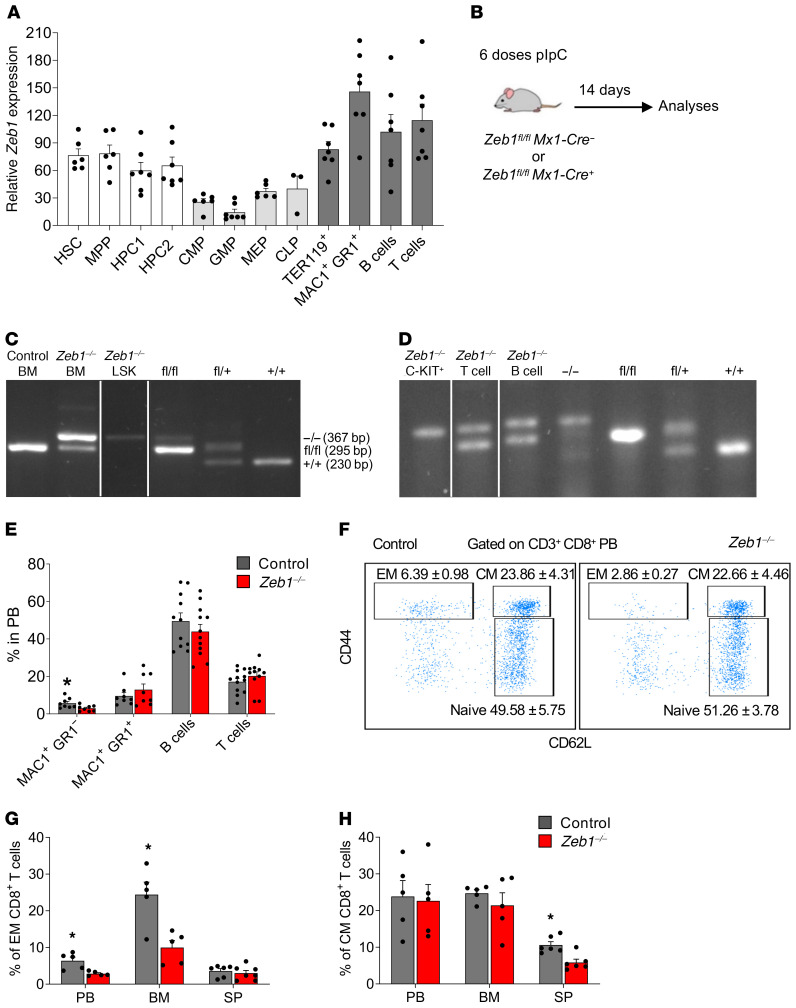
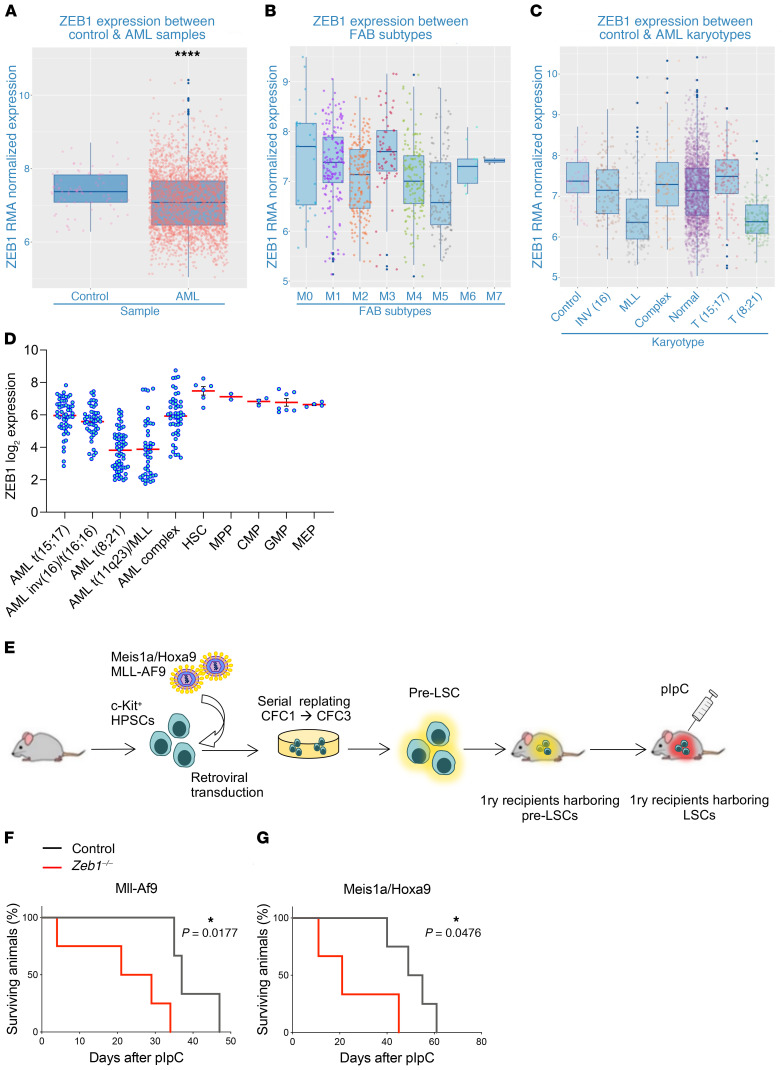
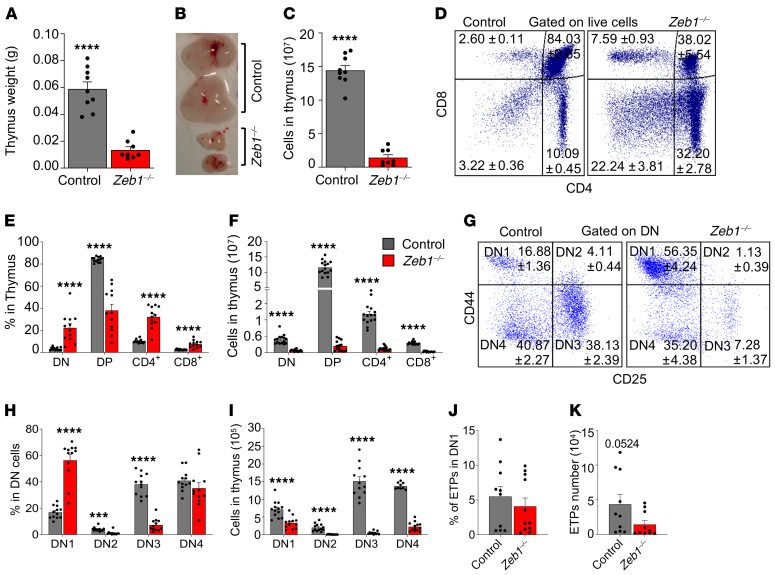
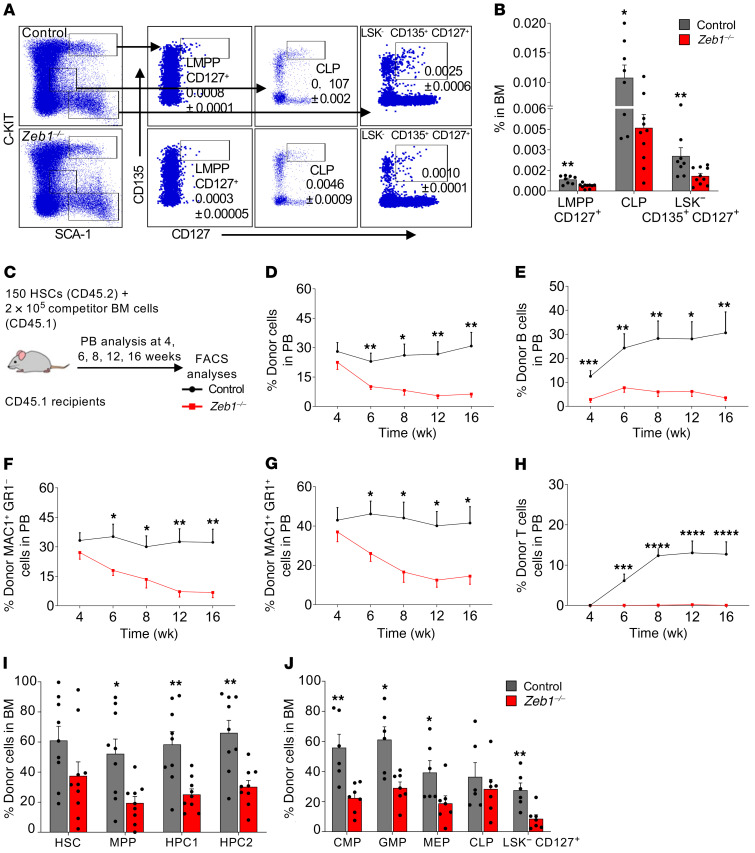
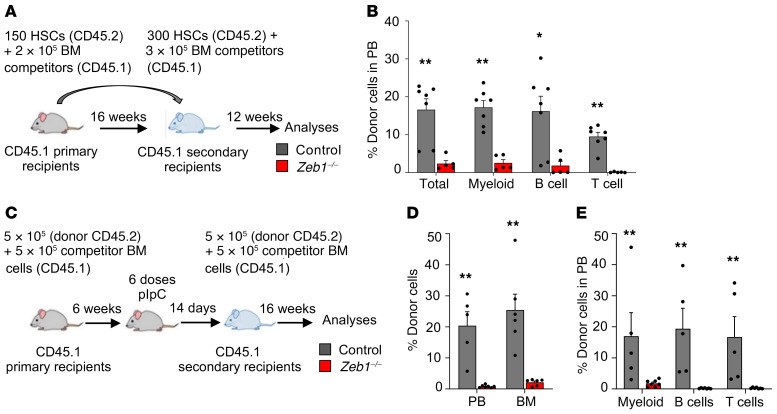
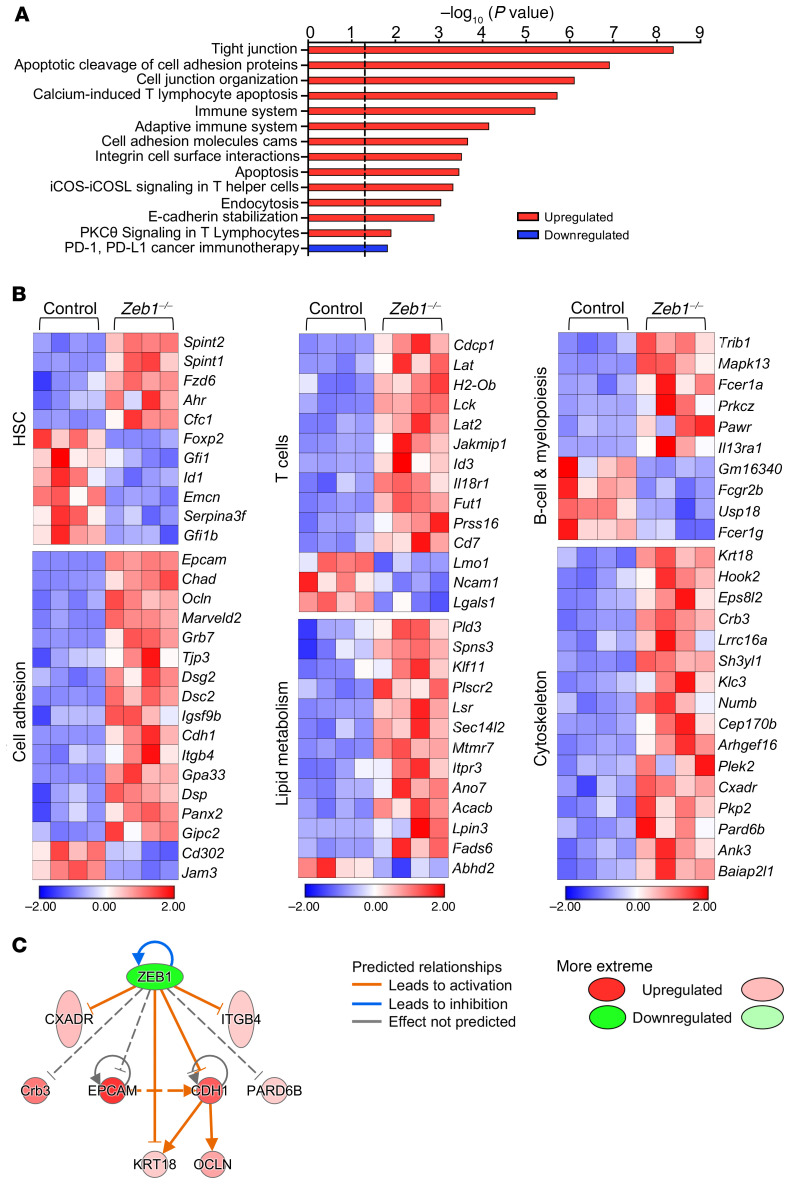
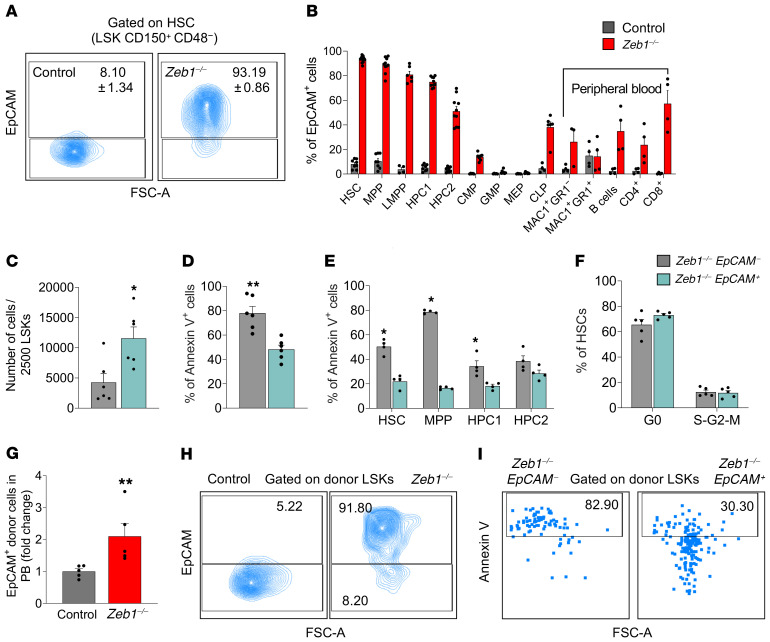
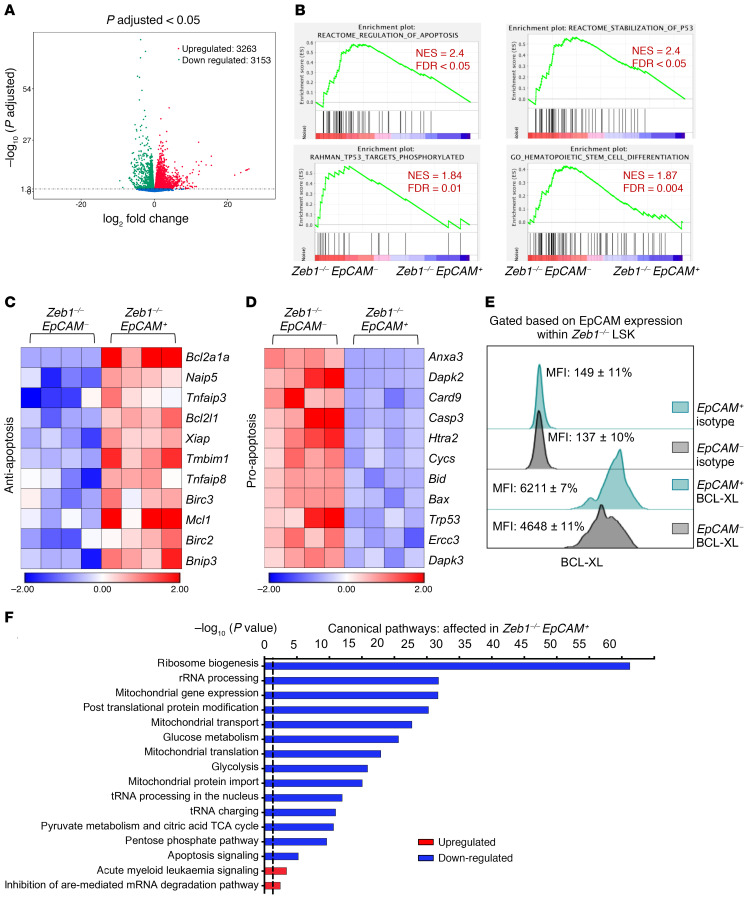
Zeb1, a zinc finger E-box binding homeobox epithelial-mesenchymal transition (EMT) transcription factor, confers properties of "stemness," such as self-renewal, in cancer. Yet little is known about the function of Zeb1 in adult stem cells. Here, we used the hematopoietic system as a well-established paradigm of stem cell biology to evaluate Zeb1-mediated regulation of adult stem cells. We employed a conditional genetic approach using the Mx1-Cre system to specifically knock out (KO) Zeb1 in adult hematopoietic stem cells (HSCs) and their downstream progeny. Acute genetic deletion of Zeb1 led to rapid-onset thymic atrophy and apoptosis-driven loss of thymocytes and T cells. A profound cell-autonomous self-renewal defect and multilineage differentiation block were observed in Zeb1-KO HSCs. Loss of Zeb1 in HSCs activated transcriptional programs of deregulated HSC maintenance and multilineage differentiation genes and of cell polarity consisting of cytoskeleton-, lipid metabolism/lipid membrane-, and cell adhesion-related genes. Notably, epithelial cell adhesion molecule (EpCAM) expression was prodigiously upregulated in Zeb1-KO HSCs, which correlated with enhanced cell survival, diminished mitochondrial metabolism, ribosome biogenesis, and differentiation capacity and an activated transcriptomic signature associated with acute myeloid leukemia (AML) signaling. ZEB1 expression was downregulated in AML patients, and Zeb1 KO in the malignant counterparts of HSCs - leukemic stem cells (LSCs) - accelerated MLL-AF9- and Meis1a/Hoxa9-driven AML progression, implicating Zeb1 as a tumor suppressor in AML LSCs. Thus, Zeb1 acts as a transcriptional regulator in hematopoiesis, critically coordinating HSC self-renewal, apoptotic, and multilineage differentiation fates required to suppress leukemic potential in AML.
Zeb1 是一种锌指 E 盒结合同源盒上皮间质转化 (EMT) 转录因子,赋予癌症“干性”等特性,如自我更新。然而,关于 Zeb1 在成人干细胞中的功能知之甚少。在这里,我们利用造血系统作为干细胞生物学的一个成熟范例,来评估 Zeb1 对成人干细胞的调节作用。我们使用 Mx1-Cre 系统的条件遗传方法,特异性地在成年造血干细胞 (HSCs) 及其下游祖细胞中敲除 (KO) Zeb1。Zeb1 的急性遗传缺失导致胸腺迅速萎缩和凋亡驱动的胸腺细胞和 T 细胞丢失。在 Zeb1-KO HSCs 中观察到严重的细胞自主自我更新缺陷和多谱系分化阻滞。HSCs 中 Zeb1 的缺失激活了未调节的 HSC 维持和多谱系分化基因以及细胞极性的转录程序,包括细胞骨架、脂质代谢/脂质膜和细胞黏附相关基因。值得注意的是,上皮细胞黏附分子 (EpCAM) 在 Zeb1-KO HSCs 中大量上调,这与增强的细胞存活、减少的线粒体代谢、核糖体生物发生以及分化能力和与急性髓系白血病 (AML) 信号相关的激活转录组特征相关。ZEB1 在 AML 患者中表达下调,并且在 HSCs 的恶性对应物 - 白血病干细胞 (LSCs) 中敲除 Zeb1 加速了 MLL-AF9 和 Meis1a/Hoxa9 驱动的 AML 进展,表明 Zeb1 是 AML LSCs 中的肿瘤抑制因子。因此,Zeb1 在造血中作为转录调节剂起作用,关键协调 HSC 自我更新、凋亡和多谱系分化命运,以抑制 AML 中的白血病潜能。