Department of Pharmacological and Biomolecular Sciences, University of Milan, Milan, Italy.
Department of Psychiatry and Psychotherapy, Central Institute of Mental Health, Medical Faculty Mannheim of Heidelberg University, Mannheim, Germany.
PLoS One. 2020 Oct 27;15(10):e0240439. doi: 10.1371/journal.pone.0240439. eCollection 2020.
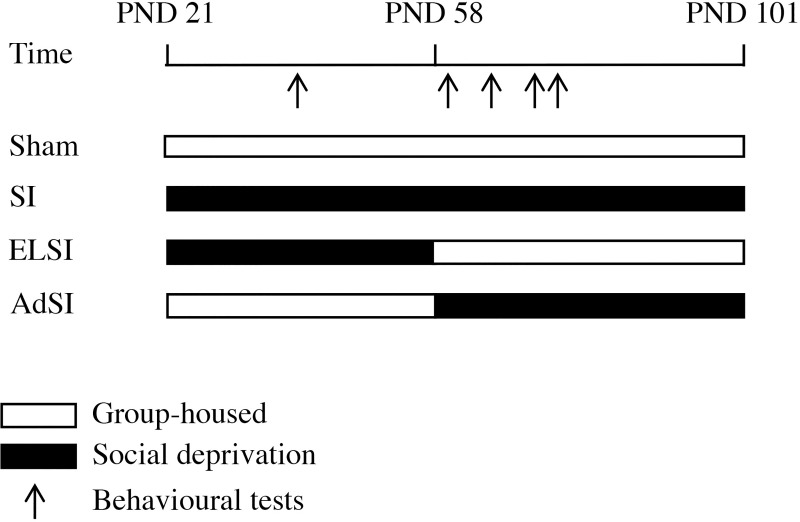
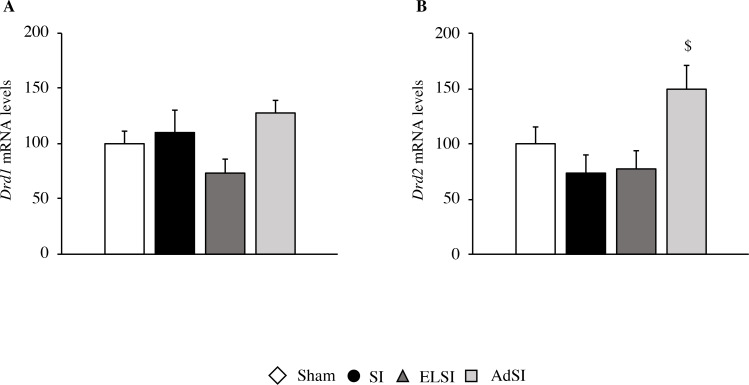
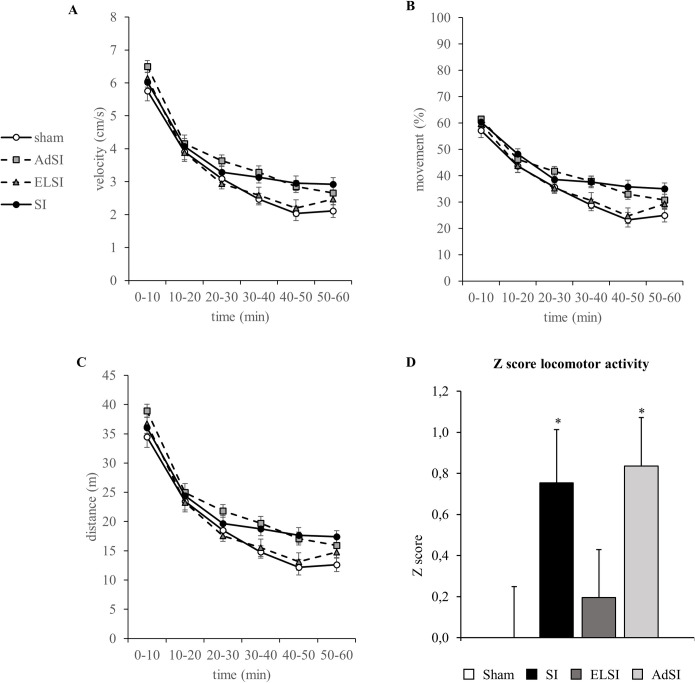
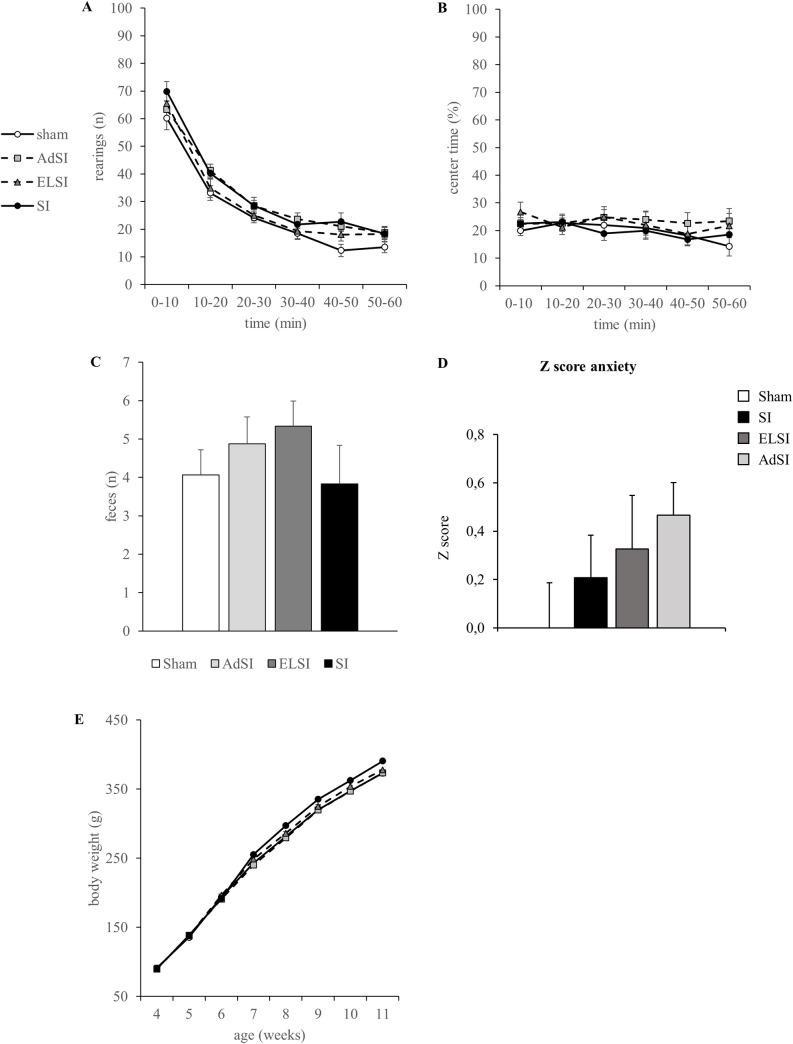
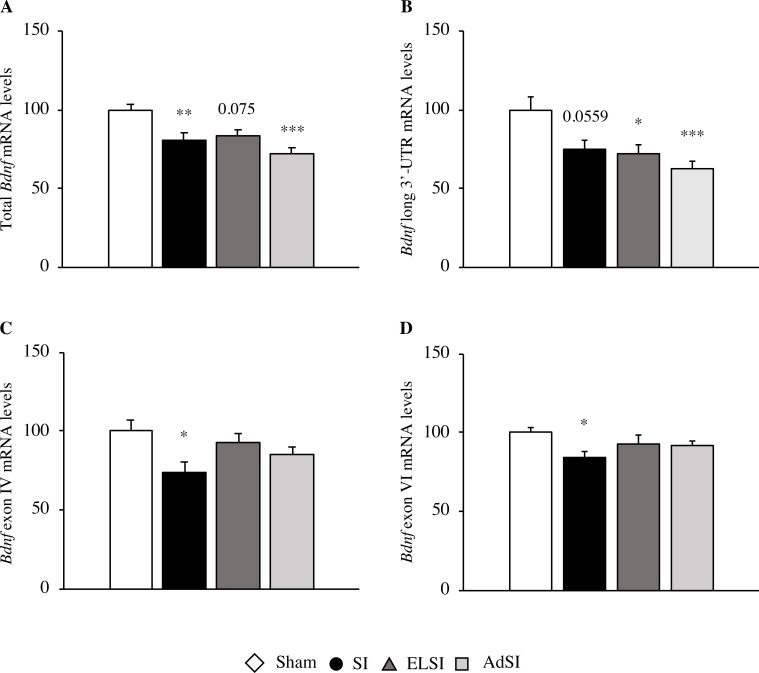
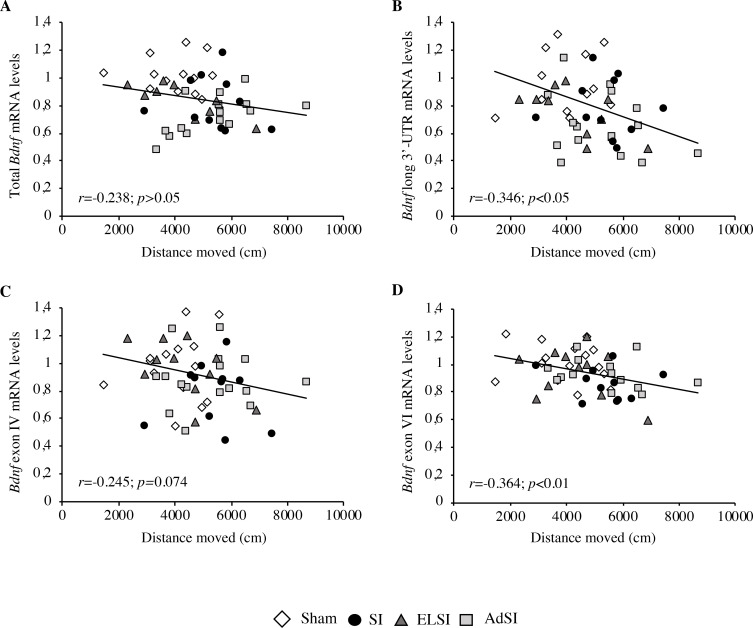
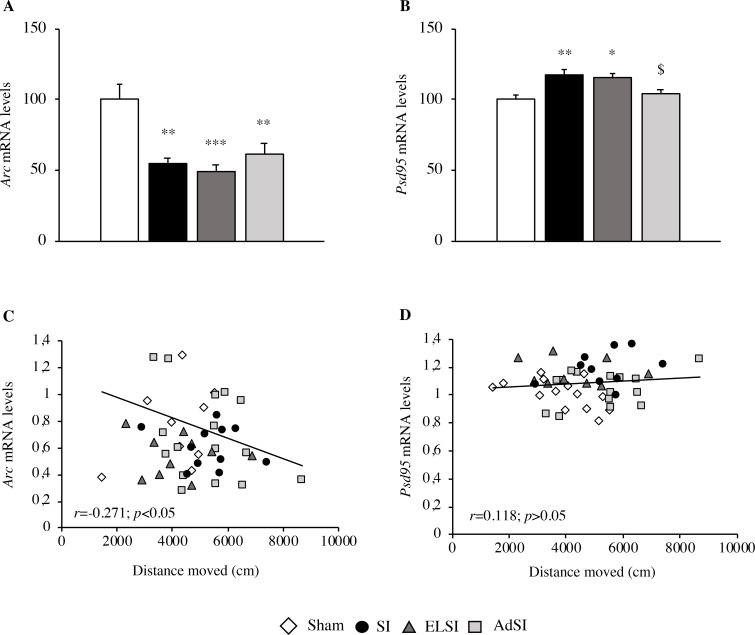
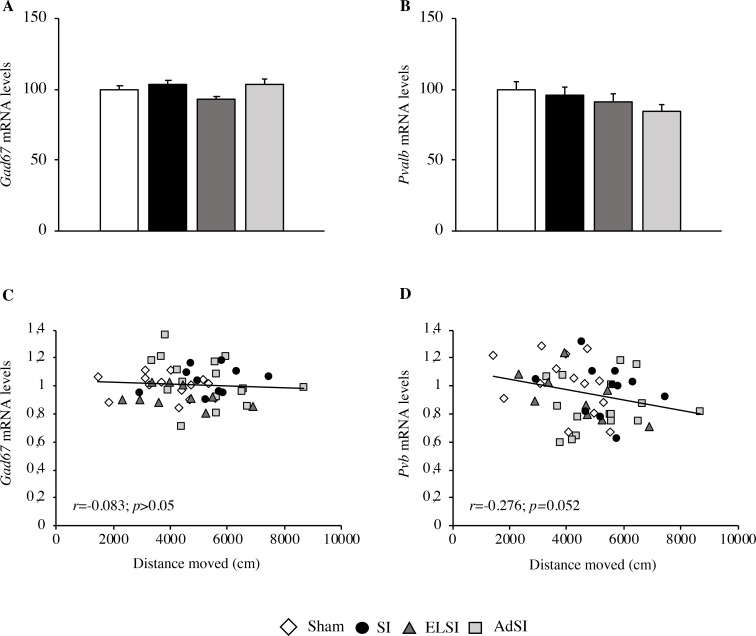
Early life stress compromises brain development and can contribute to the development of mental illnesses. A common animal model used to study different facets of psychiatric disorders is social isolation from early life on. In rats, this isolation can induce long-lasting alterations in molecular expression and in behavior. Since social isolation models severe psychiatric symptoms, it is to be expected that it affects the overall wellbeing of the animals. As also promoted by the 3Rs principle, though, it is pivotal to decrease the burden of laboratory animals by limiting the number of subjects (reduce, replace) and by improving the animals' wellbeing (refine). The aim of this study was therefore to test possible refinement strategies such as resocialization and mere adult social isolation. We examined whether the alternatives still triggered the necessary phenotype while minimizing the stress load on the animals. Interestingly, we did not find reduced wellbeing-associated burrowing performance in isolated rats. The hyperactive phenotype seen in socially isolated animals was observed for rats undergoing the adult-only isolation, but resocializing ameliorated the locomotor abnormality. Isolation strongly affected markers of neuroplasticity in the prefrontal cortex independent of timing: mRNA levels of Arc, Bdnf and the pool of Bdnf transcripts with the 3' long UTR were reduced in all groups. Bdnf splice variant IV expression was reduced in lifelong-isolated animals. Some of these deficits normalized after resocialization; likewise, exon VI Bdnf mRNA levels were reduced only in animals persistently isolated. Conversely, social deprivation did not affect the expression of Gad67 and Pvb, two GABAergic markers, whereas changes occurred in the expression of dopamine d1 and d2 receptors. As adult isolation was sufficient to trigger the hyperactive phenotype and impaired neuroplasticity in the prefrontal cortex, it could be a candidate for a refinement strategy for certain research questions. To fully grade the severity of post-weaning social isolation and the alternatives, adult isolation and resocialization, a more profound and multimodal assessment approach is necessary.
早期生活压力会损害大脑发育,并可能导致精神疾病的发展。一种常用于研究不同精神疾病方面的常见动物模型是从早期开始的社交隔离。在大鼠中,这种隔离会导致分子表达和行为的持久改变。由于社交隔离模型会引起严重的精神症状,因此可以预期它会影响动物的整体健康。不过,正如 3R 原则所提倡的那样,通过减少实验动物的数量(减少、替代)和改善动物的福利(优化)来减轻实验室动物的负担至关重要。因此,这项研究的目的是测试可能的优化策略,如再社会化和单纯的成年社交隔离。我们研究了这些替代方案是否仍能在最小化动物应激负荷的情况下引发必要的表型。有趣的是,我们没有发现孤立大鼠的福利相关挖掘行为表现降低。在仅成年时进行社交隔离的大鼠中观察到了社交隔离动物的多动表型,但再社会化改善了运动异常。隔离强烈影响前额叶皮质中的神经可塑性标志物,而与时间无关:所有组中 Arc、Bdnf 和具有 3'长 UTR 的 Bdnf 转录本池的 mRNA 水平降低。终生隔离的动物中 Bdnf 剪接变体 IV 的表达减少。一些这些缺陷在再社会化后得到了纠正;同样,只有在持续隔离的动物中,外显子 VI Bdnf mRNA 水平降低。相反,社交剥夺不会影响 GABA 能标志物 Gad67 和 Pvb 的表达,而多巴胺 d1 和 d2 受体的表达发生了变化。由于成年隔离足以引发多动表型和前额叶皮质中的神经可塑性受损,因此它可能是某些研究问题的优化策略的候选方案。为了充分评估断奶后社交隔离及其替代方案(成年隔离和再社会化)的严重程度,需要更深入和多模态的评估方法。