Asanov Igor, Flores Francisco, McKenzie David, Mensmann Mona, Schulte Mathis
University of Kassel, Germany.
World Bank, United States.
World Dev. 2021 Feb;138:105225. doi: 10.1016/j.worlddev.2020.105225. Epub 2020 Oct 22.
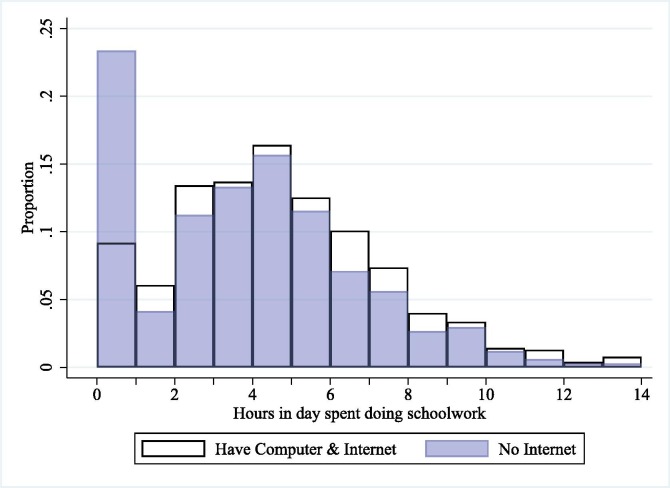
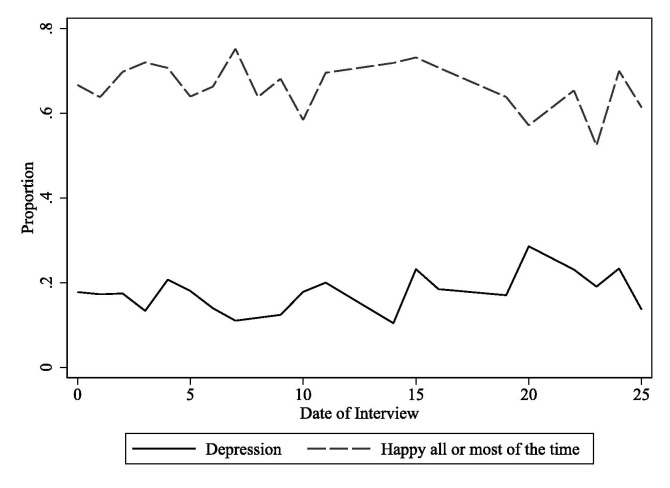
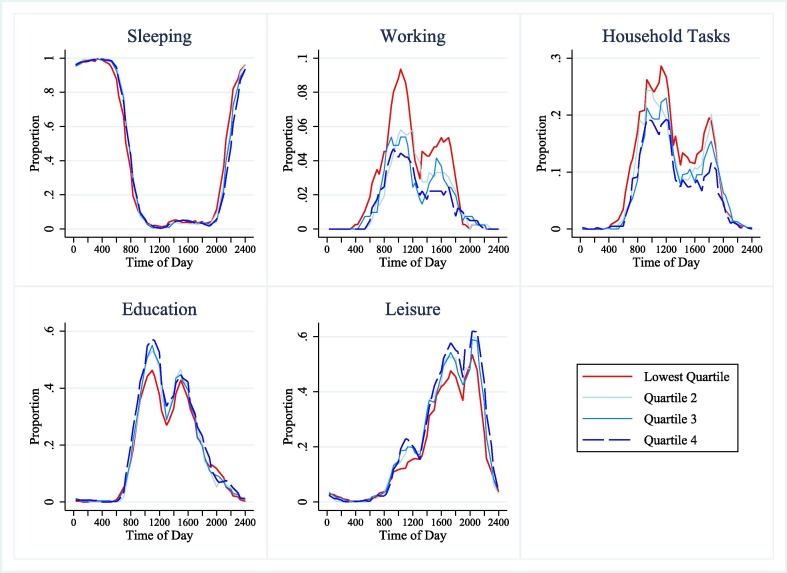
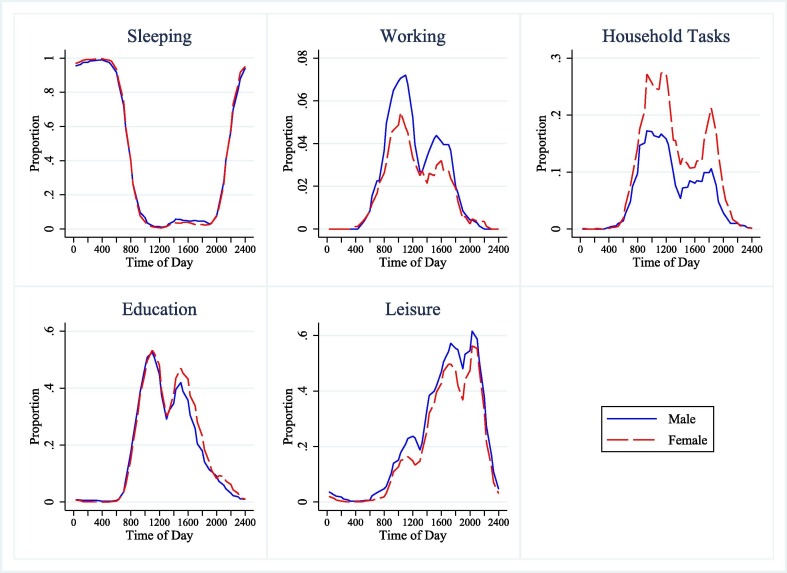
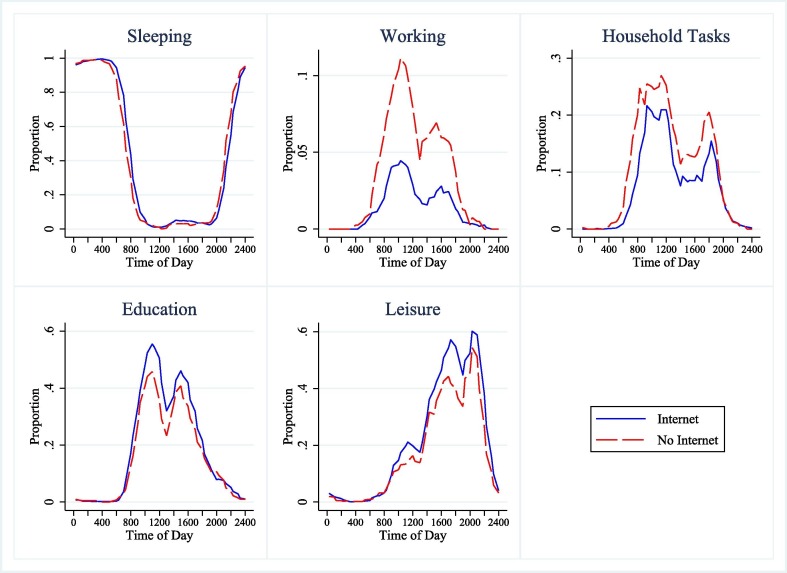
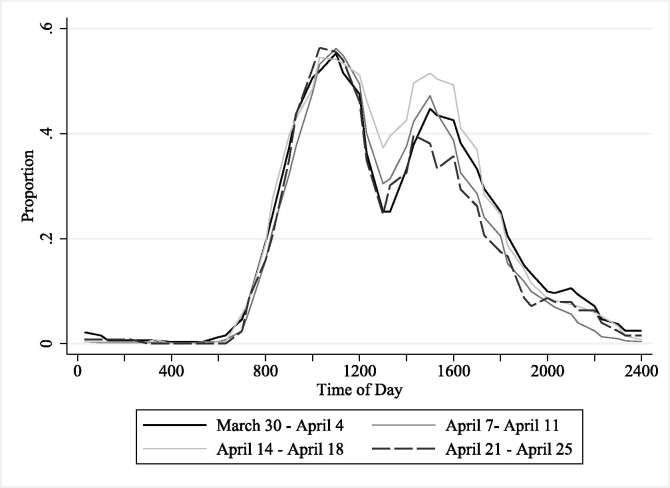
The COVID-19 pandemic has closed schools around the world, forcing school systems and students to quickly attempt remote learning. We conducted a rapid response phone survey of over 1500 high school students aged 14 to 18 in Ecuador to learn how students spend their time during the period of quarantine, examine their access to remote learning, and measure their mental health status. We find 59 percent of students have both an internet connection at home and a computer or tablet, 74 percent are engaging in some online or telelearning, and 86 percent have done some schoolwork on the last weekday. Detailed time-use data show most students have established similar daily routines around education, although gender and wealth differences emerge in time spent working and on household tasks. Closure of schools and social isolation are the two main problems students say they face, and while the majority are mostly happy, 16 percent have mental health scores that indicate depression.
新冠疫情已导致全球学校关闭,迫使教育系统和学生迅速尝试远程学习。我们对厄瓜多尔1500多名14至18岁的高中生进行了一项快速反应电话调查,以了解学生在隔离期间如何安排时间,考察他们接受远程学习的情况,并衡量他们的心理健康状况。我们发现,59%的学生家中既有网络连接又有电脑或平板电脑,74%的学生参与了一些在线学习或远程学习,86%的学生在最后一个工作日做了一些功课。详细的时间使用数据显示,大多数学生围绕学习建立了相似的日常作息,尽管在学习时间和家务劳动时间上存在性别和财富差异。学生们表示,学校关闭和社交隔离是他们面临的两个主要问题,虽然大多数人大多心情愉快,但16%的学生心理健康得分表明有抑郁症状。