Sabri Ülker Center for Metabolic Research and Department of Molecular Metabolism, Harvard T.H. Chan School of Public Health, Boston, MA, USA.
Departments of Anesthesiology and Cell Biology, New York University School of Medicine, New York, NY, USA.
FEBS Lett. 2021 Feb;595(3):415-432. doi: 10.1002/1873-3468.13973. Epub 2020 Nov 19.
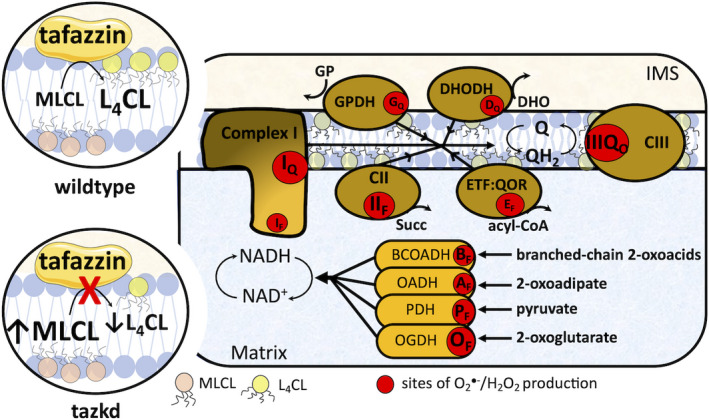
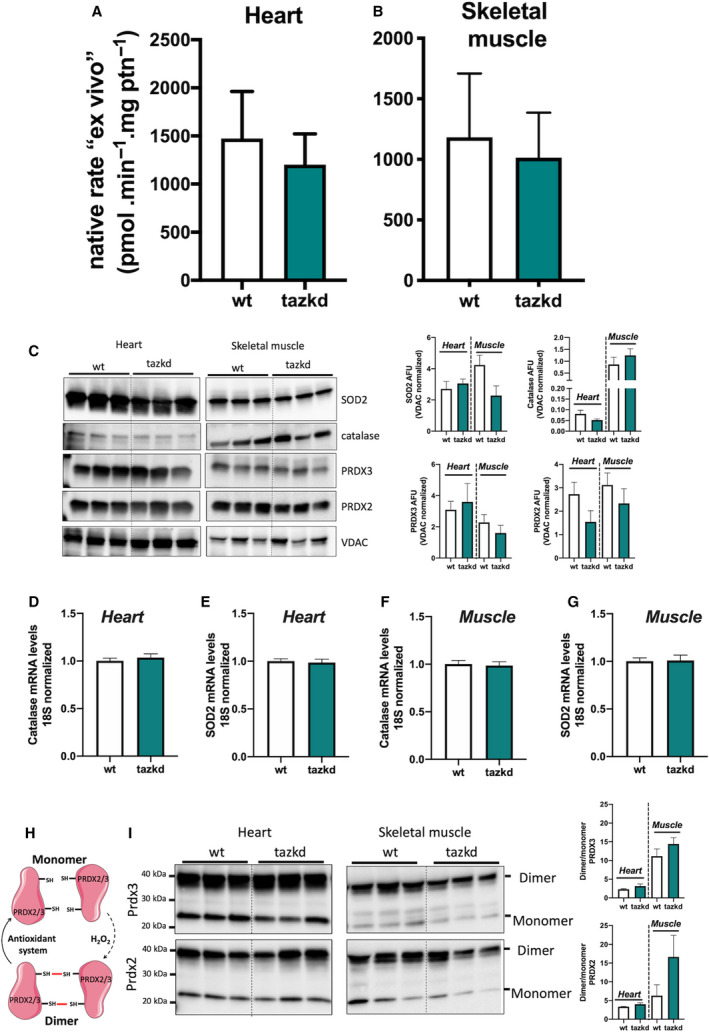
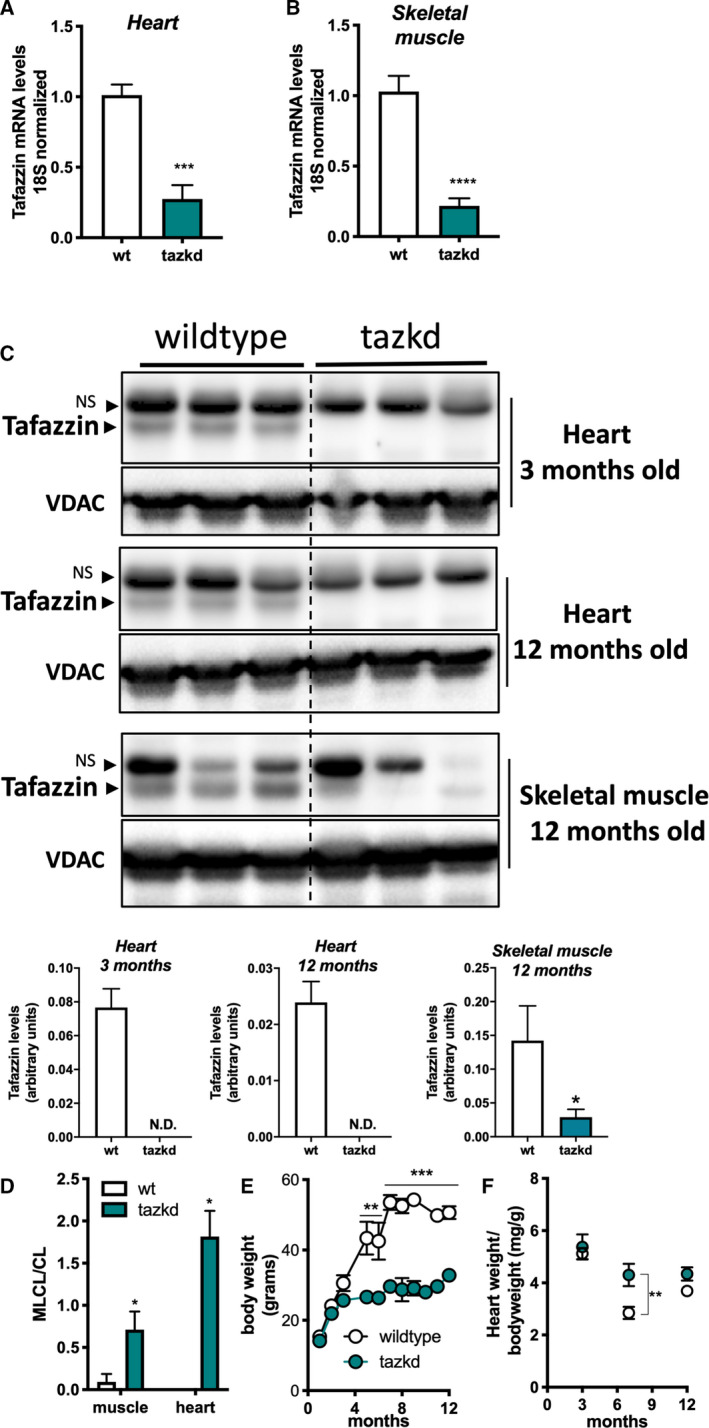
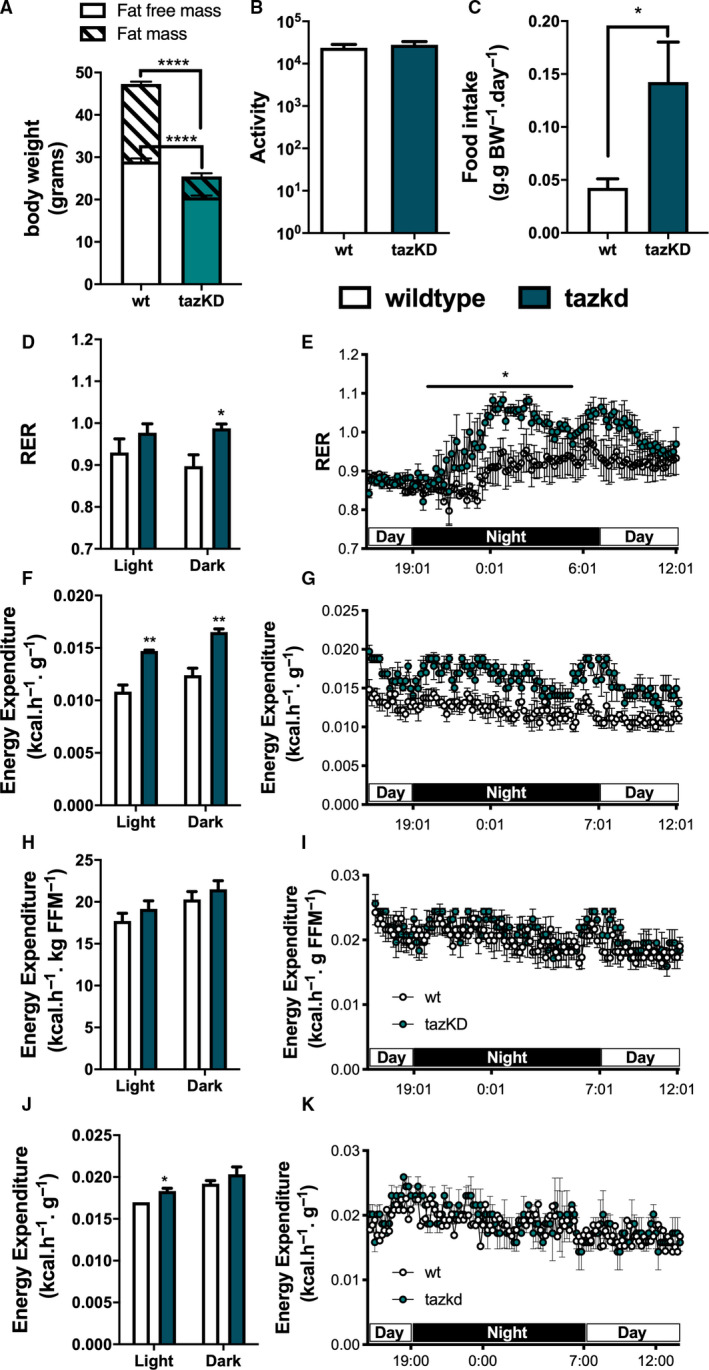
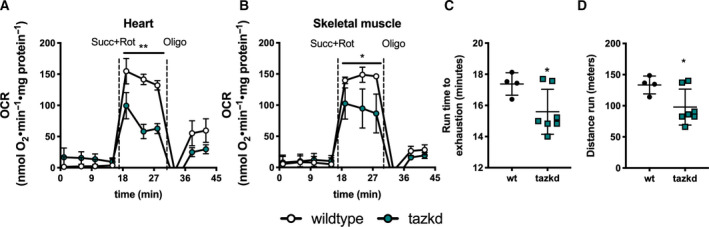
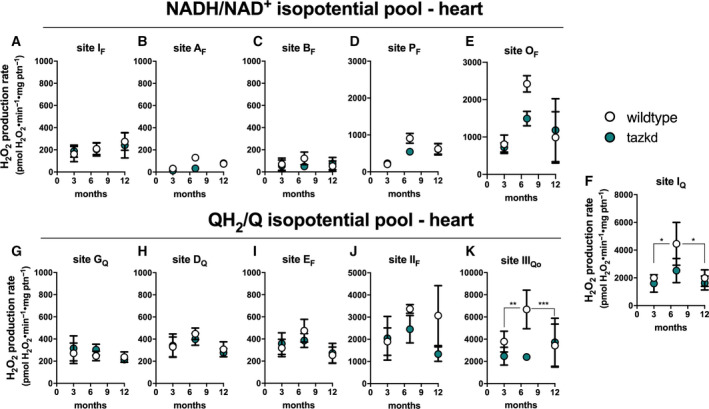
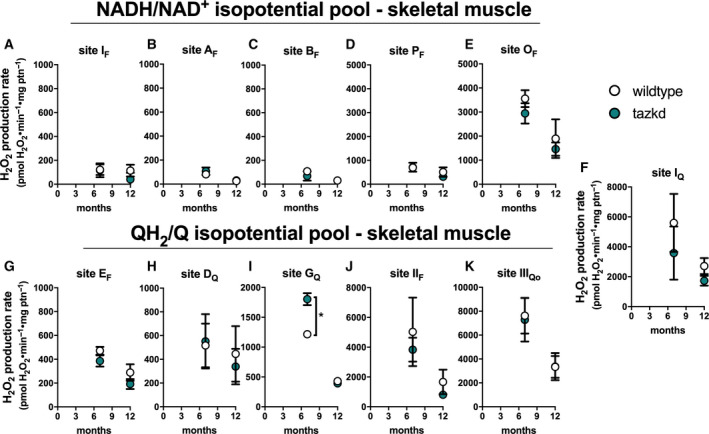
Barth syndrome (BTHS) is a rare X-linked genetic disorder caused by mutations in the gene encoding the transacylase tafazzin and characterized by loss of cardiolipin and severe cardiomyopathy. Mitochondrial oxidants have been implicated in the cardiomyopathy in BTHS. Eleven mitochondrial sites produce superoxide/hydrogen peroxide (H O ) at significant rates. Which of these sites generate oxidants at excessive rates in BTHS is unknown. Here, we measured the maximum capacity of superoxide/H O production from each site and the ex vivo rate of superoxide/H O production in the heart and skeletal muscle mitochondria of the tafazzin knockdown mice (tazkd) from 3 to 12 months of age. Despite reduced oxidative capacity, superoxide/H O production was indistinguishable between tazkd mice and wild-type littermates. These observations raise questions about the involvement of mitochondrial oxidants in BTHS pathology.
巴特综合征(Barth syndrome)是一种罕见的 X 连锁遗传性疾病,由编码转酰基酶 tafazzin 的基因突变引起,其特征是心磷脂缺失和严重的心肌病。线粒体氧化剂与 BTHS 中的心肌病有关。有 11 个线粒体部位以显著的速率产生超氧化物/过氧化氢 (H2O2)。在 BTHS 中,这些部位中的哪一个以过高的速率产生氧化剂尚不清楚。在这里,我们测量了每个部位的超氧化物/H2O2 产生的最大能力以及 tafazzin 敲低小鼠(tazkd)的心和骨骼肌线粒体中超氧化物/H2O2 产生的体外速率,这些小鼠的年龄为 3 至 12 个月。尽管氧化能力降低,但 tazkd 小鼠和野生型同窝仔之间的超氧化物/H2O2 产生没有区别。这些观察结果引发了关于线粒体氧化剂是否参与 BTHS 病理学的问题。