School of Pharmacy, Liaoning University of Traditional Chinese Medicine, Dalian 116600, China.
Liaoning Quality Monitoring and Technology Service Center for Chinese Materia Medica Raw Materials, Dalian 116600, China.
Biomed Res Int. 2020 Oct 16;2020:3536761. doi: 10.1155/2020/3536761. eCollection 2020.
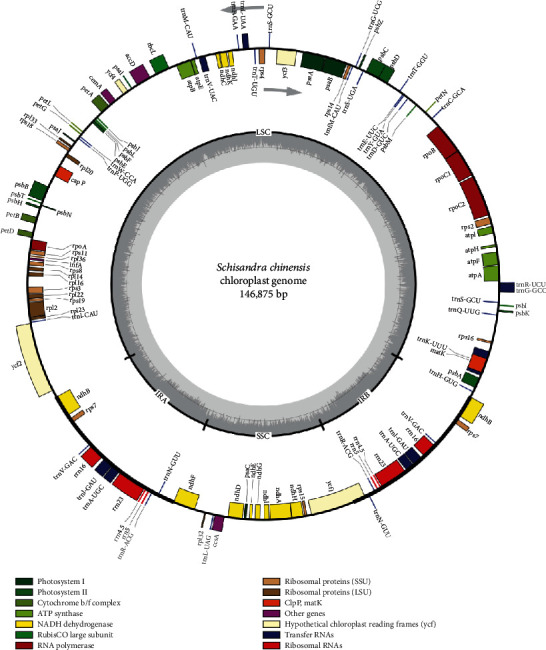
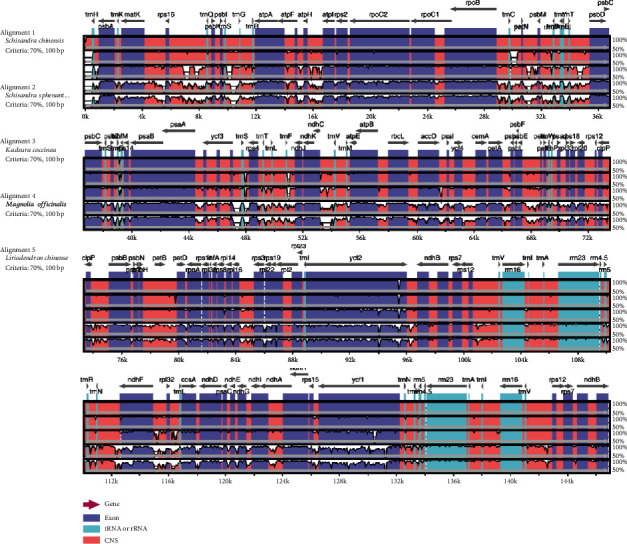
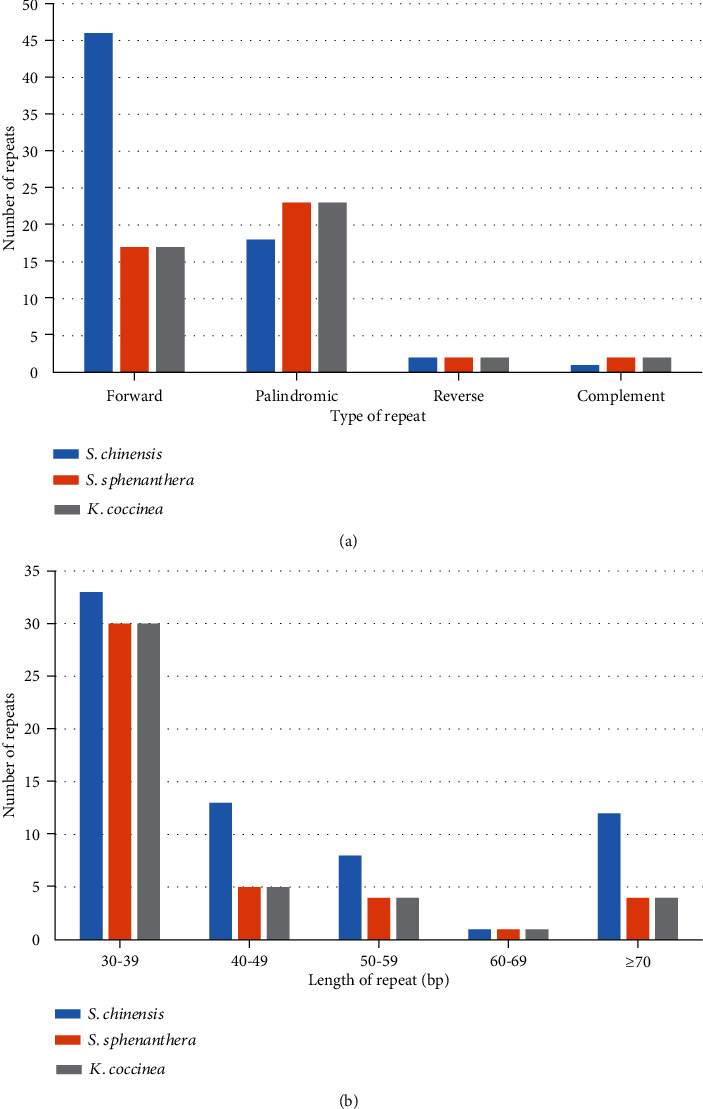
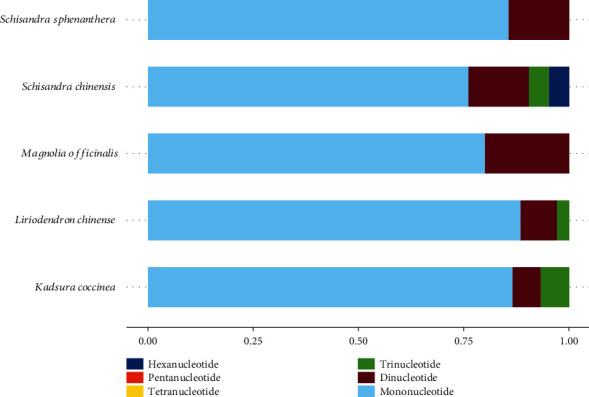
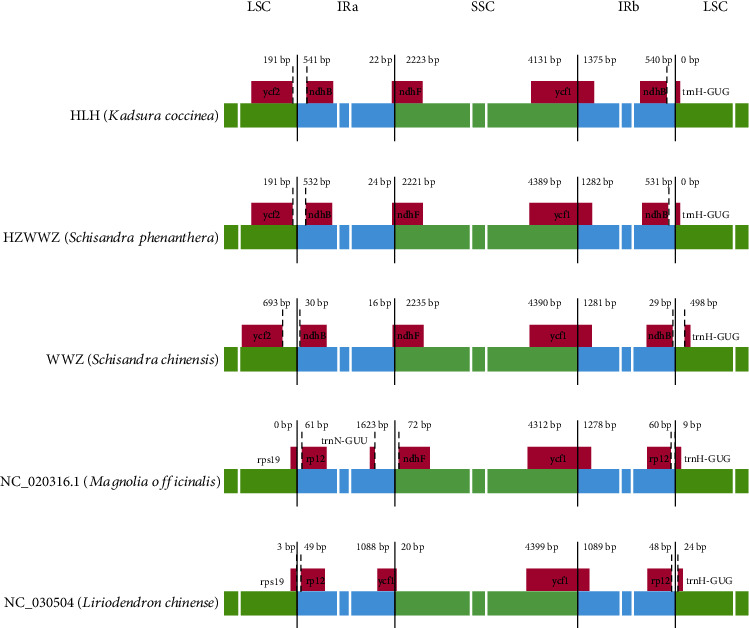
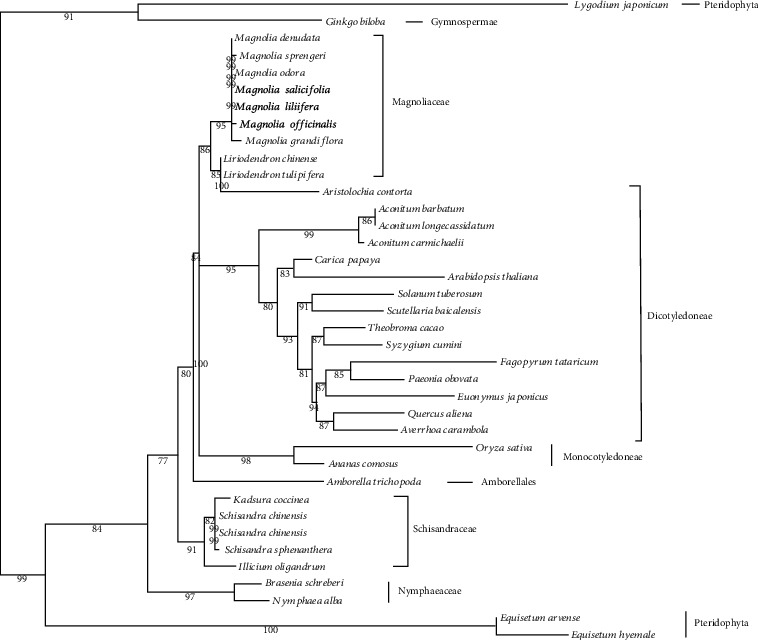
, which has a high development value, has long been used as medicine. Its mature fruits (called Wuweizi in Chinese) have long been used in the famous traditional Chinese medicine (TCM) recorded in the "Chinese Pharmacopoeia." Chloroplasts (CP) are the highly conserved primitive organelles in plants, which can serve as the foundation for plant classification and identification. This study introduced the structures of the CP genomes of three Schisandraceae species and analyzed their phylogenetic relationships. Comparative analyses on the three complete chloroplast genomes can provide us with useful knowledge to identify the three plants. In this study, approximately 5 g fresh leaves were harvested for chloroplast DNA isolation according to the improved extraction method. A total of three chloroplast DNAs were extracted. Afterwards, the chloroplast genomes were reconstructed using denovo combined with reference-guided assemblies. General characteristics of the chloroplast genome and genome comparison with three species was analyzed by corresponding software. The total sizes of complete chloroplast genomes of , , and were 146875 bp, 146842 bp, and 145399 bp, respectively. Altogether, 124 genes were annotated, including 82 protein-coding genes, 34 tRNAs, and 8 rRNAs of all 3 species. In SSR analysis, only was annotated to hexanucleotides. Moreover, comparative analysis of chloroplast genome sequences revealed that the gene order and gene content were slightly different among species. Finally, phylogenetic trees were reconstructed, based on the genome-wide SNPs of 38 species. The method can be used to identify and differentially analyze Schisandraceae plants and offer useful information for phylogenetics as well as further studies on traditional medicinal plants.
, 具有很高的开发价值,长期以来一直被用作药物。其成熟的果实(中文称为五味子)长期以来一直被用于《中国药典》中记载的著名中药。叶绿体(CP)是植物中高度保守的原始细胞器,可以作为植物分类和鉴定的基础。本研究介绍了三种五味子科植物 CP 基因组的结构,并分析了它们的系统发育关系。对这三个完整叶绿体基因组的比较分析可以为我们提供有用的知识来识别这三种植物。在这项研究中,根据改良的提取方法,采集了约 5g 新鲜叶片用于叶绿体 DNA 分离。总共提取了三个叶绿体 DNA。之后,使用从头开始与参考指导组装相结合的方法重建叶绿体基因组。通过相应的软件分析叶绿体基因组的一般特征和与三个物种的基因组比较。的总大小完整的叶绿体基因组 , , 分别为 146875bp、146842bp 和 145399bp。总共注释了 124 个基因,包括 82 个蛋白质编码基因、34 个 tRNA 和所有 3 个物种的 8 个 rRNA。在 SSR 分析中,仅注释了六核苷酸。此外,叶绿体基因组序列的比较分析表明,物种之间的基因排列和基因含量略有不同。最后,基于 38 个物种的全基因组 SNPs 重建了系统发育树。该方法可用于鉴定和差异分析五味子科植物,并为系统发育学以及传统药用植物的进一步研究提供有用信息。