1Department of Pharmacy, Faculty of Pharmacy, Al-Zaytoonah University of Jordan, Amman, Jordan.
2Department of Biopharmaceutics and Clinical Pharmacy, School of Pharmacy, The University of Jordan, Amman, Jordan.
Am J Trop Med Hyg. 2020 Dec;103(6):2391-2399. doi: 10.4269/ajtmh.20-0877. Epub 2020 Oct 27.
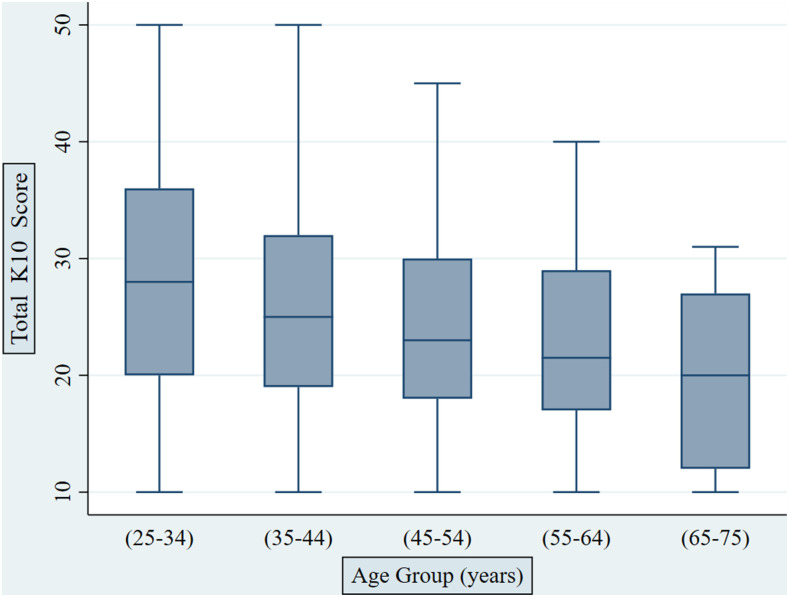
The COVID-19 pandemic has struck many countries globally. Jordan has implemented strict nationwide control measures to halt the viral spread, one of which was the closure of universities and shifting to remote teaching. The impact of this pandemic could extend beyond the risk of physical harm to substantial psychological consequences. Our study aimed at assessing 1) psychological status, 2) challenges of distance teaching, and 3) coping activities and pandemic-related concerns among university teachers in Jordan in the midst of COVID-19-related quarantine and control measures. We conducted a cross-sectional study using an anonymous online survey. The measure of psychological distress was obtained using a validated Arabic version of the Kessler Distress Scale (K10). Other information collected included sociodemographic profile, methods used to handle distress, motivation to participate in distance teaching, and challenges of distance teaching as well as the most worrisome issues during this pandemic. Three hundred eighty-two university teachers returned completed surveys. Results of K10 showed that 31.4% of respondents had severe distress and 38.2% had mild to moderate distress. Whereas gender was not associated with distress severity, age had a weak negative correlation (Rho = -0.19, < 0.0001). Interestingly, most teachers had moderate to high motivation for distance teaching. Engagement with family was the most reported self-coping activity. More than half of the participants were most concerned and fearful about SARS-CoV-2 infection. In conclusion, university teachers have shown to exhibit various levels of psychological distress and challenges during the implementation of precautionary national measures in the battle against COVID-19 in Jordan.
COVID-19 大流行已在全球许多国家爆发。约旦已实施严格的全国性控制措施以阻止病毒传播,其中包括关闭大学并转为远程教学。这场大流行的影响可能不仅限于身体伤害的风险,还会产生重大的心理后果。我们的研究旨在评估 1)心理状况,2)远程教学的挑战,以及 3)在 COVID-19 相关隔离和控制措施期间约旦大学教师的应对活动和与大流行相关的关注点。我们采用横断面研究方法,使用匿名在线调查进行。使用经过验证的阿拉伯文版 Kessler 困扰量表(K10)来衡量心理困扰程度。收集的其他信息包括社会人口统计学特征、处理困扰的方法、参与远程教学的动机以及远程教学的挑战以及在此期间最令人担忧的问题。382 名大学教师返回了已完成的调查。K10 的结果表明,31.4%的受访者有严重困扰,38.2%有轻度至中度困扰。尽管性别与困扰严重程度无关,但年龄与困扰严重程度呈弱负相关(Rho = -0.19,<0.0001)。有趣的是,大多数教师对远程教学有中度到高度的积极性。与家人互动是报告最多的自我应对活动。超过一半的参与者最关注和担心 SARS-CoV-2 感染。总之,在约旦实施预防国家措施以对抗 COVID-19 期间,大学教师表现出不同程度的心理困扰和挑战。