Panigrahy Nalinikanta, Chirla Dinesh Kumar, Shetty Rakshay, Shaikh Farhan A R, Kumar Poddutoor Preetham, Madappa Rajeshwari, Lingan Anand, Lakshminrusimha Satyan
Rainbow Children's Hospitals, Hyderabad 500034, India.
Rainbow Children's Hospital, Bengaluru 560037, India.
Children (Basel). 2020 Oct 28;7(11):199. doi: 10.3390/children7110199.
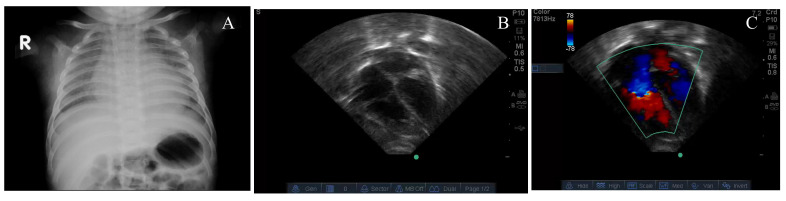
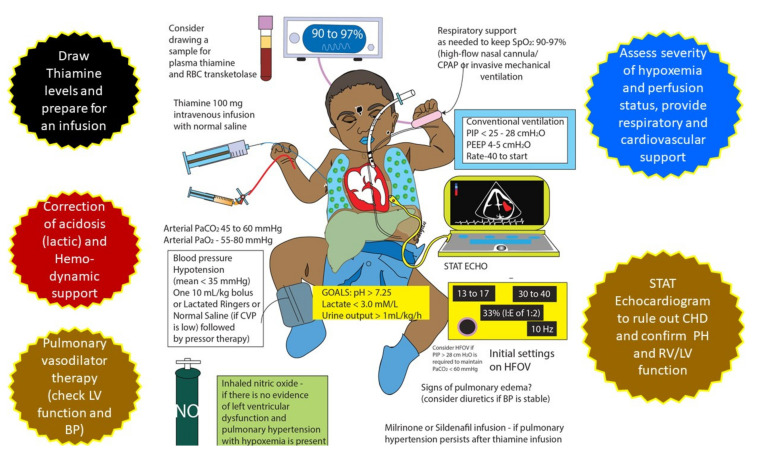
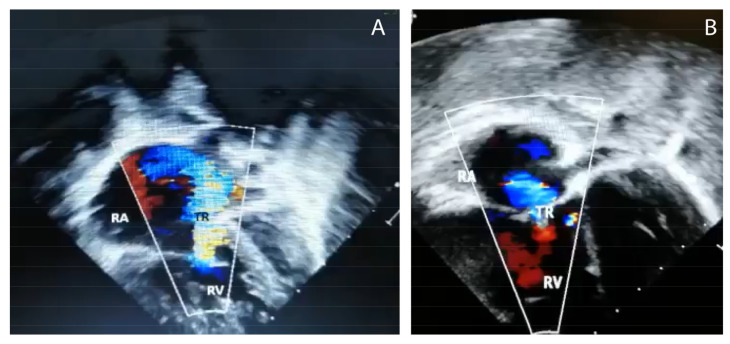
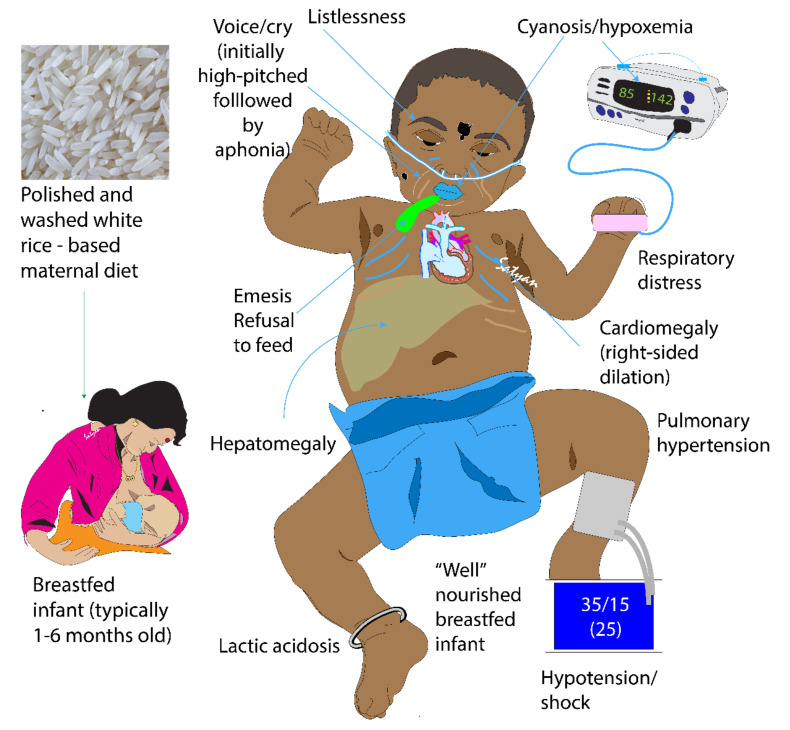
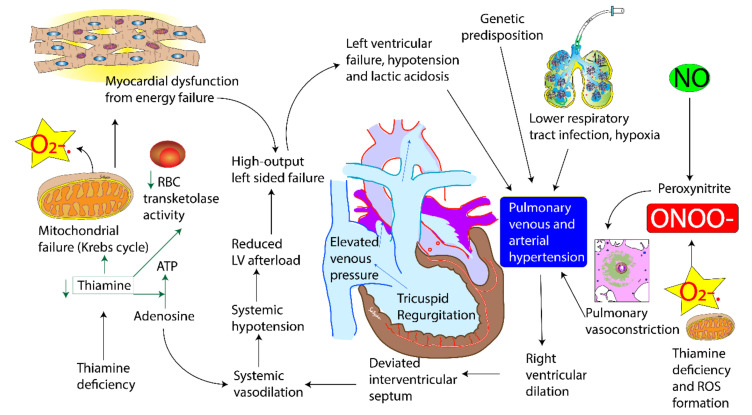
Persistent pulmonary hypertension of the newborn (PPHN) is a syndrome of high pulmonary vascular resistance (PVR) commonly seen all over the world in the immediate newborn period. Several case reports from India have recently described severe pulmonary hypertension among infants in the postneonatal period. These cases typically present with respiratory distress in 1-6-month-old infants, breastfed by mothers on a polished rice-based diet. Predisposing factors include respiratory tract infection such as acute laryngotracheobronchitis with change in voice, leading to pulmonary hypertension, right atrial and ventricular dilation, pulmonary edema and hepatomegaly. Mortality is high without specific therapy. Respiratory support, pulmonary vasodilator therapy, inotropes, diuretics and thiamine infusion have improved the outcome of these infants. This review outlines four typical patients with thiamine-responsive acute pulmonary hypertension of early infancy (TRAPHEI) due to thiamine deficiency and discusses pathophysiology, clinical features, diagnostic criteria and therapeutic options.
新生儿持续性肺动脉高压(PPHN)是一种肺血管阻力(PVR)升高的综合征,在全球新生儿早期均较为常见。印度最近的几例病例报告描述了新生儿后期婴儿中的严重肺动脉高压。这些病例通常表现为1至6个月大的婴儿出现呼吸窘迫,这些婴儿由食用精米为主食的母亲进行母乳喂养。诱发因素包括呼吸道感染,如伴有声音改变的急性喉气管支气管炎,可导致肺动脉高压、右心房和心室扩张、肺水肿和肝肿大。若无特异性治疗,死亡率很高。呼吸支持、肺血管扩张剂治疗、强心剂、利尿剂和硫胺素输注改善了这些婴儿的预后。本综述概述了4例因硫胺素缺乏导致的婴儿早期硫胺素反应性急性肺动脉高压(TRAPHEI)典型病例,并讨论了其病理生理学、临床特征、诊断标准和治疗选择。