Decourcelle Amélie, Very Ninon, Djouina Madjid, Loison Ingrid, Thévenet Julien, Body-Malapel Mathilde, Lelièvre Eric, Coqueret Olivier, Leprince Dominique, El Yazidi-Belkoura Ikram, Dehennaut Vanessa
Université de Lille, CNRS, Inserm, CHU Lille, UMR9020-U1277-CANTHER-Cancer Heterogeneity, Plasticity and Resistance to Therapies, F-59000 Lille, France.
Université de Lille, CNRS, UMR 8576-UGSF-Unité de Glycobiologie Structurale et Fonctionnelle, F-59000 Lille, France.
Cancers (Basel). 2020 Oct 28;12(11):3168. doi: 10.3390/cancers12113168.
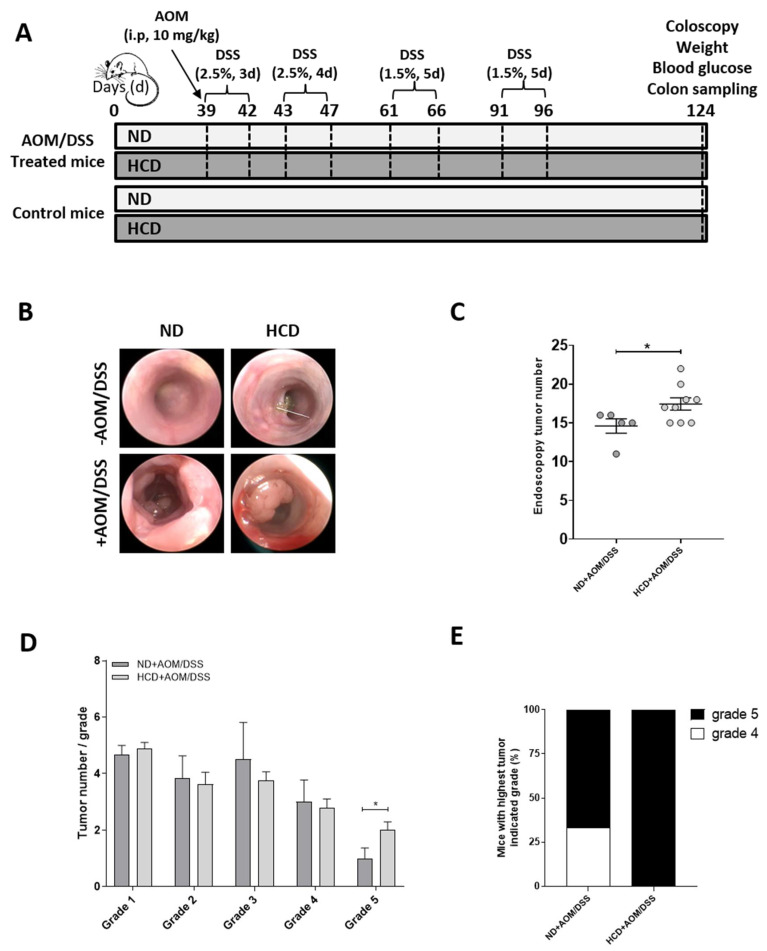
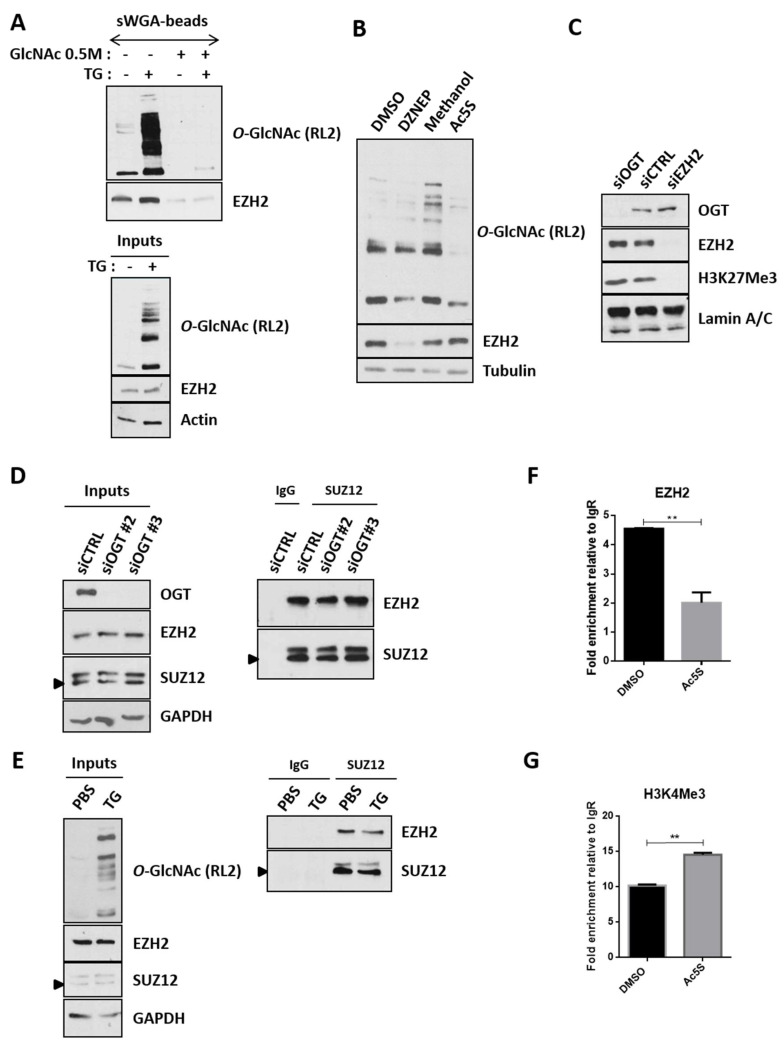
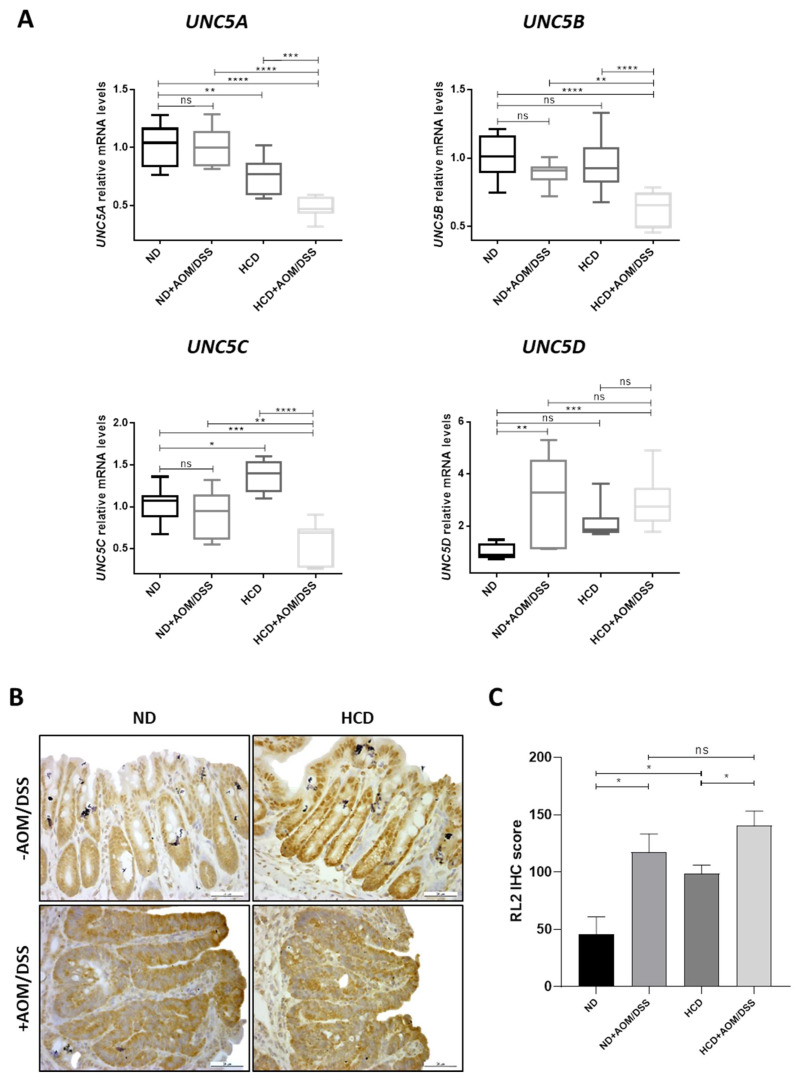
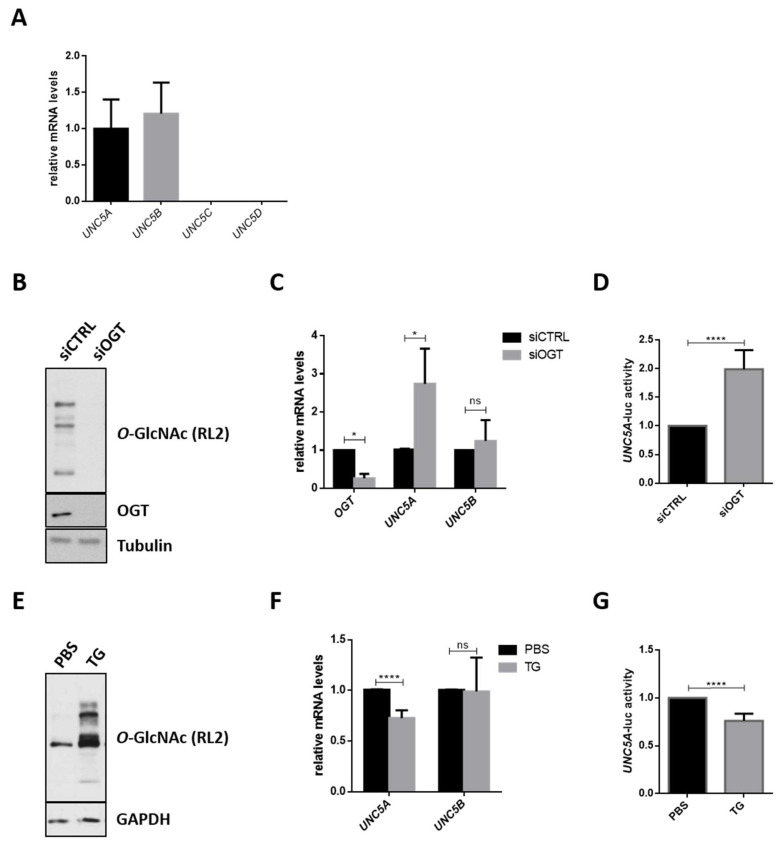
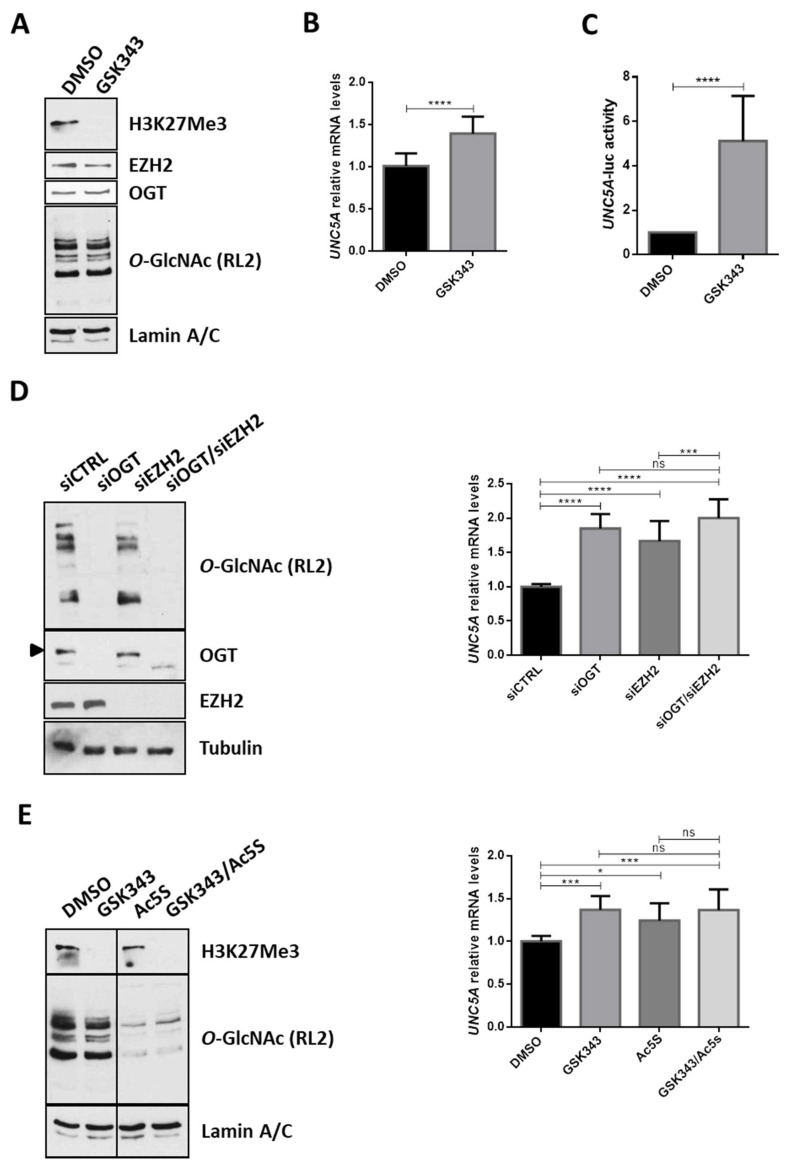
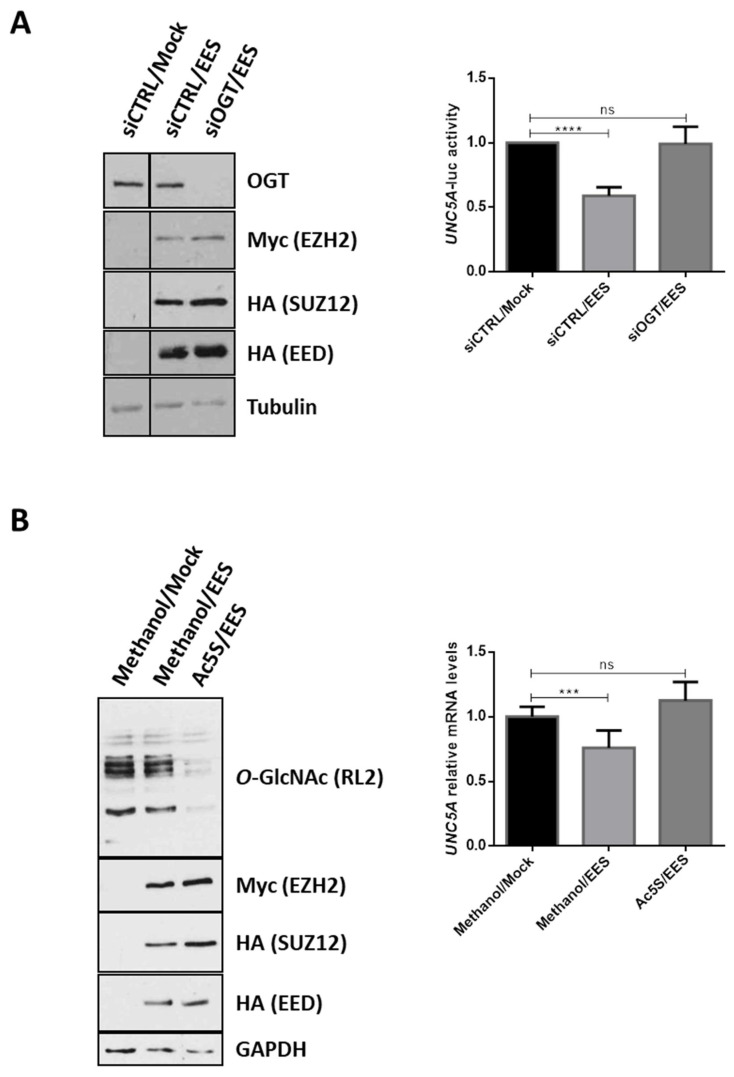
While it is now accepted that nutrition can influence the epigenetic modifications occurring in colorectal cancer (CRC), the underlying mechanisms are not fully understood. Among the tumor suppressor genes frequently epigenetically downregulated in CRC, the four related genes of the family: , , and encode dependence receptors that regulate the apoptosis/survival balance. Herein, in a mouse model of CRC, we found that the expression of , and was diminished in tumors but only in mice subjected to a High Carbohydrate Diet (HCD) thus linking nutrition to their repression in CRC. -GlcNAcylation is a nutritional sensor which has enhanced levels in CRC and regulates many cellular processes amongst epigenetics. We then investigated the putative involvement of -GlcNAcylation in the epigenetic downregulation of the family members. By a combination of pharmacological inhibition and RNA interference approaches coupled to RT-qPCR (Reverse Transcription-quantitative Polymerase Chain Reaction) analyses, promoter luciferase assay and CUT&RUN (Cleavage Under Target & Release Using Nuclease) experiments, we demonstrated that the -GlcNAcylated form of the histone methyl transferase EZH2 (Enhancer of Zeste Homolog 2) represses the transcription of in human colon cancer cells. Collectively, our data support the hypothesis that -GlcNAcylation could represent one link between nutrition and epigenetic downregulation of key tumor suppressor genes governing colon carcinogenesis including .
虽然现在人们已经认识到营养可以影响结直肠癌(CRC)中发生的表观遗传修饰,但其潜在机制尚未完全了解。在CRC中经常发生表观遗传下调的肿瘤抑制基因中,家族的四个相关基因:、、和编码调节细胞凋亡/存活平衡的依赖受体。在此,在CRC小鼠模型中,我们发现、和的表达在肿瘤中降低,但仅在接受高碳水化合物饮食(HCD)的小鼠中降低,从而将营养与它们在CRC中的抑制联系起来。-N-乙酰葡糖胺化是一种营养传感器,在CRC中水平升高,并在表观遗传学中调节许多细胞过程。然后,我们研究了-N-乙酰葡糖胺化在家族成员表观遗传下调中的假定作用。通过药理学抑制和RNA干扰方法与RT-qPCR(逆转录定量聚合酶链反应)分析、启动子荧光素酶测定和CUT&RUN(使用核酸酶在靶标下切割并释放)实验相结合,我们证明组蛋白甲基转移酶EZH2(Zeste同源物2增强子)的-N-乙酰葡糖胺化形式在人结肠癌细胞中抑制的转录。总体而言,我们的数据支持这样的假设,即-N-乙酰葡糖胺化可能代表营养与调控结肠癌发生的关键肿瘤抑制基因(包括)表观遗传下调之间的一个联系。