Dalian Key Laboratory of Conservation Biology for Endangered Marine Mammals, Liaoning Ocean and Fisheries Science Research Institute, 50 Heishijiao Street, Shahekou District, Dalian, 116023, China.
Dalian Sun Asia Tourism Holding Co., Ltd., 608-6-8 Zhongshan Road, Shahekou District, Dalian, 116023, China.
Sci Rep. 2020 Oct 30;10(1):18727. doi: 10.1038/s41598-020-75759-2.
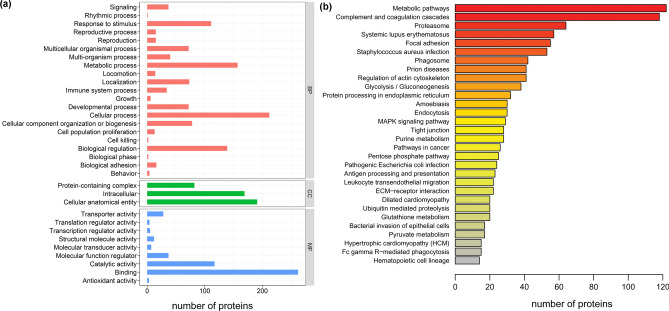
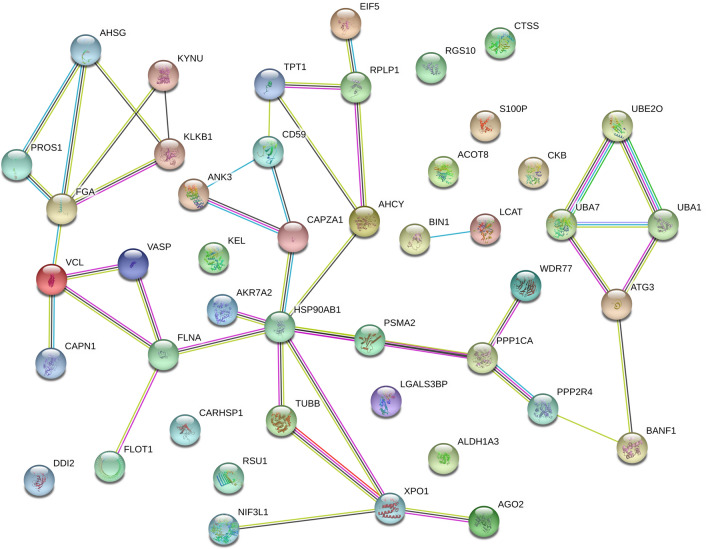
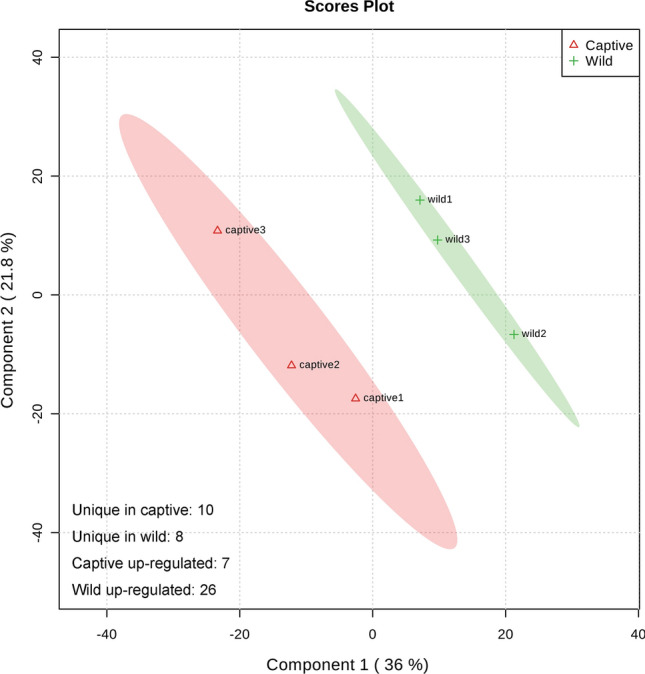
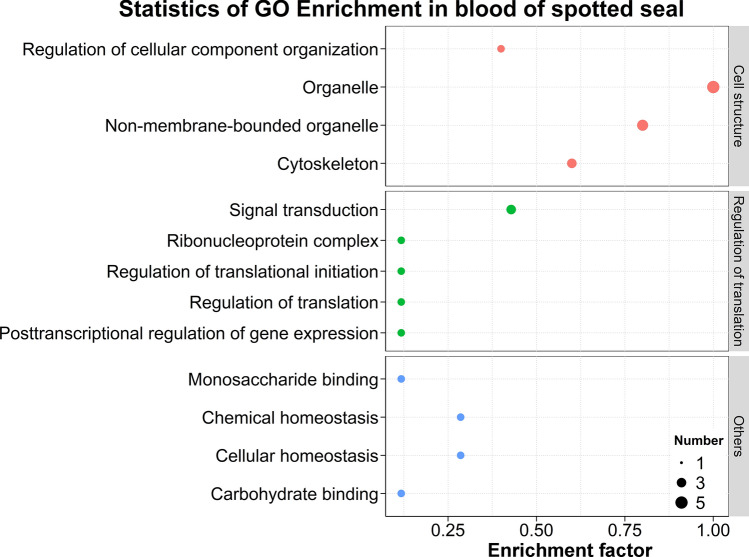
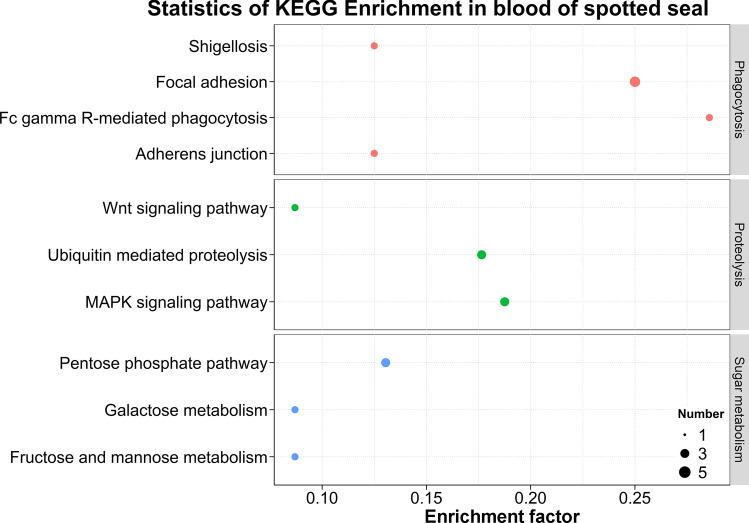
Spotted seal (Phoca largha) is a critically endangered pinniped in China and South Korea. The conventional method to protect and maintain the P. largha population is to keep them captive in artificially controlled environments. However, little is known about the physiological differences between wild and captive P. largha. To generate a preliminary protein expression profile for P. largha, whole blood from wild and captive pups were subjected to a label-free comparative proteomic analysis. According to the results, 972 proteins were identified and predicted to perform functions related to various metabolic, immune, and cellular processes. Among the identified proteins, the expression level of 51 were significantly different between wild and captive P. large pups. These differentially expressed proteins were enriched in a wide range of cellular functions, including cytoskeleton, phagocytosis, proteolysis, the regulation of gene expression, and carbohydrate metabolism. The abundances of proteins involved in phagocytosis and ubiquitin-mediated proteolysis were significantly higher in the whole blood of wild P. largha pups than in captive individuals. In addition, heat shock protein 90-beta, were determined as the key protein associated with the differences in the wild and captive P. largha pups due to the most interactions of it with various differentially expressed proteins. Moreover, wild P. largha pups could be more nutritionally stressed and have more powerful immune capacities than captive pups. This study provides the first data on the protein composition of P. largha and provides useful information on the physiological characteristics for research in this species.
斑海豹(Phoca largha)在中国和韩国属于极度濒危的鳍足类动物。保护和维持斑海豹种群的传统方法是将它们圈养在人为控制的环境中。然而,人们对野生和圈养斑海豹之间的生理差异知之甚少。为了生成斑海豹的初步蛋白质表达谱,对野生和圈养幼崽的全血进行了无标记的比较蛋白质组学分析。结果表明,鉴定出了 972 种蛋白质,这些蛋白质被预测具有与各种代谢、免疫和细胞过程相关的功能。在鉴定出的蛋白质中,51 种蛋白质在野生和圈养斑海豹幼崽之间的表达水平存在显著差异。这些差异表达的蛋白质富集在广泛的细胞功能中,包括细胞骨架、吞噬作用、蛋白水解、基因表达调控和碳水化合物代谢。参与吞噬作用和泛素介导的蛋白水解的蛋白质在野生斑海豹幼崽的全血中的丰度明显高于圈养个体。此外,热休克蛋白 90-β被确定为与野生和圈养斑海豹幼崽差异相关的关键蛋白,因为它与各种差异表达蛋白的相互作用最多。此外,野生斑海豹幼崽可能比圈养幼崽面临更大的营养压力,具有更强的免疫能力。本研究首次提供了斑海豹蛋白质组成的数据,并为该物种的研究提供了有关生理特征的有用信息。