Xu Mingdi, Minagawa Yasuyo, Kumazaki Hirokazu, Okada Ken-Ichi, Naoi Nozomi
Faculty of Letters, Keio University, Tokyo, Japan.
Center of Life-Span Development of Communication Skills, Keio University, Yokohama, Japan.
Front Hum Neurosci. 2020 Oct 8;14:523456. doi: 10.3389/fnhum.2020.523456. eCollection 2020.
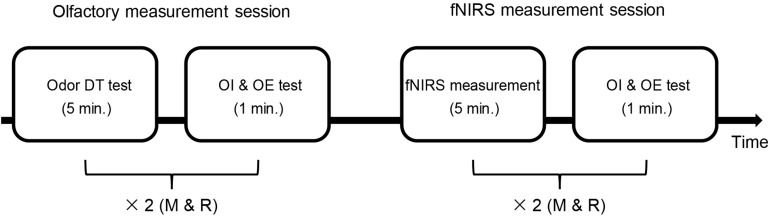
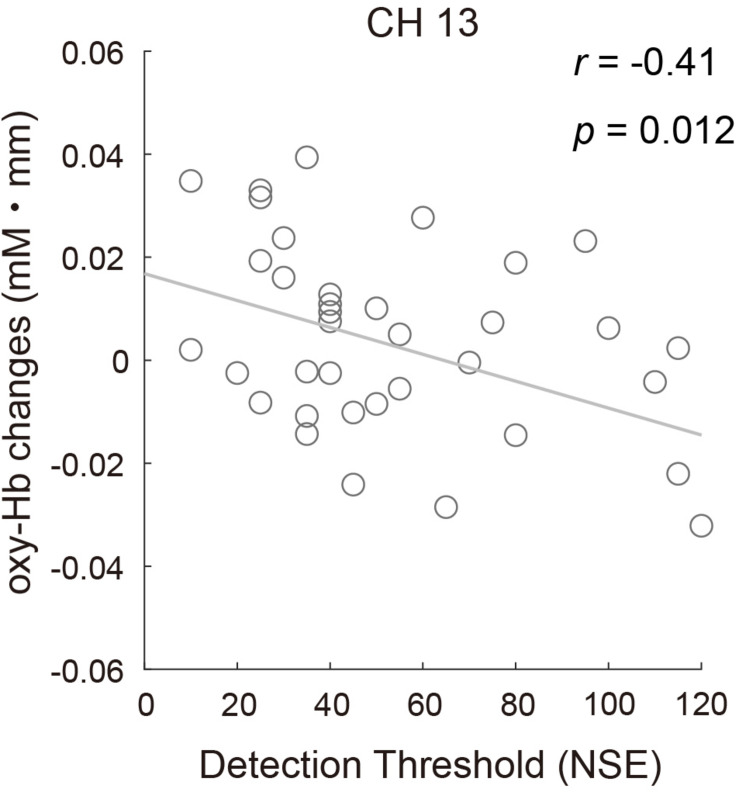
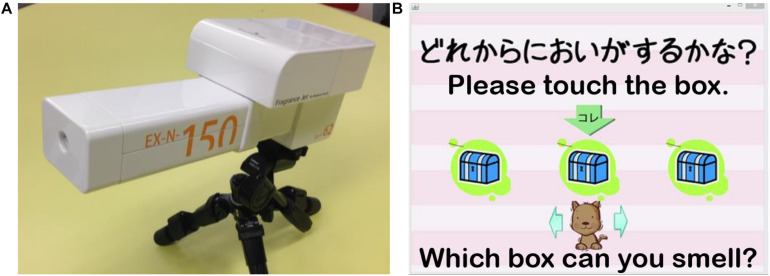
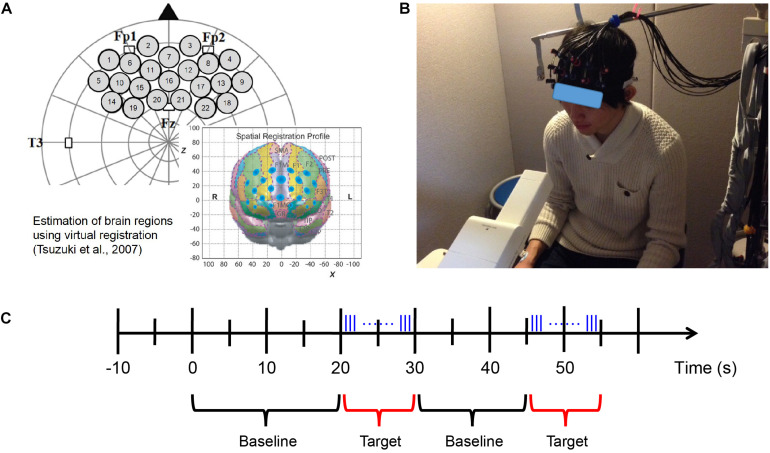
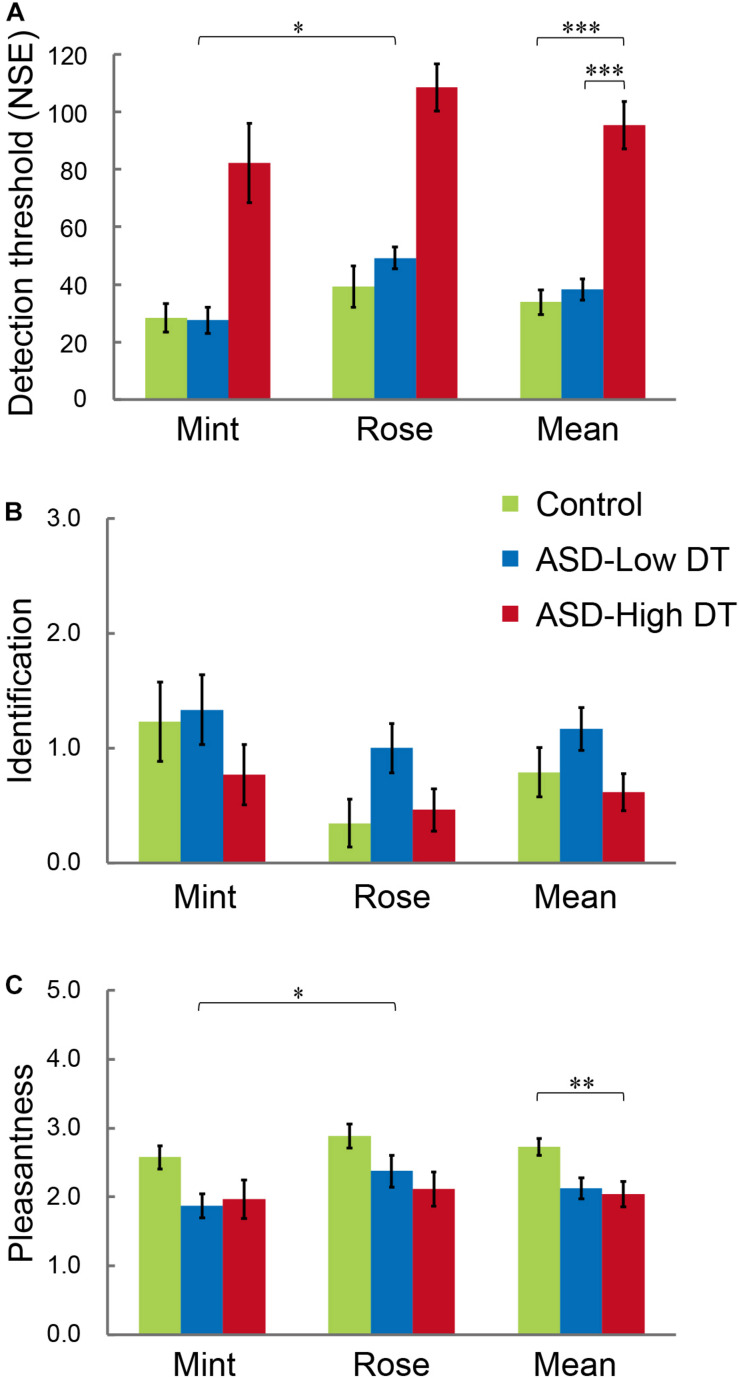
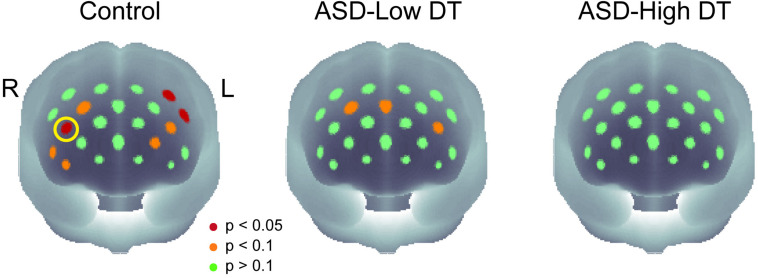
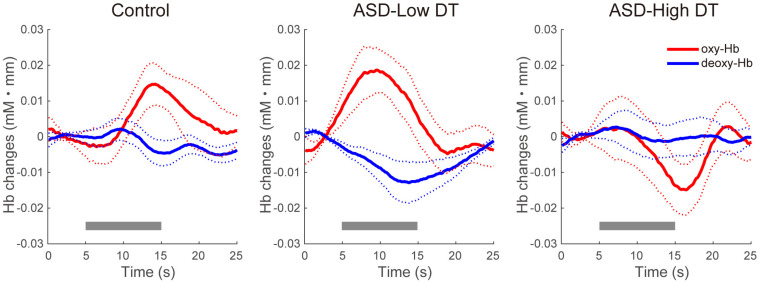
Individuals with autism spectrum disorders (ASD) are impaired not only in social competencies but also in sensory perception, particularly olfaction. The olfactory ability of individuals with ASD has been examined in several psychophysical studies, but the results have been highly variable, which might be primarily due to methodological difficulties in the control of odor stimuli (e.g., the problem of lingering scents). In addition, the neural correlates of olfactory specificities in individuals with ASD remain largely unknown. To date, only one study has investigated this issue using functional magnetic resonance imaging (fMRI). The present study utilized a sophisticated method-a pulse ejection system-to present well-controlled odor stimuli to participants with ASD using an ASD-friendly application. With this advantageous system, we examined their odor detection, identification, and evaluation abilities and measured their brain activity evoked by odors using functional near-infrared spectroscopy (fNIRS). As the odor detection threshold (DT) of participants with ASD was highly variable, these participants were divided into two groups according to their DT: an ASD-Low DT group and an ASD-High DT group. Behavioral results showed that the ASD-High DT group had a significantly higher DT than the typically developing (control) group and the ASD-Low DT group, indicating their insensitivity to the tested odors. In addition, while there was no significant difference in the odor identification ability between groups, there was some discrepancy between the groups' evaluations of odor pleasantness. The brain data identified, for the first time, that neural activity in the right dorsolateral prefrontal cortex (DLPFC) was significantly weaker in the ASD-High DT group than in the control group. Moreover, the strength of activity in the right DLPFC was negatively correlated with the DT. These findings suggest that participants with ASD have impairments in the higher-order function of olfactory processing, such as olfactory working memory and/or attention.
患有自闭症谱系障碍(ASD)的个体不仅在社交能力方面存在缺陷,在感官知觉方面也有问题,尤其是嗅觉。已有多项心理物理学研究考察了ASD个体的嗅觉能力,但结果差异很大,这可能主要是由于在控制气味刺激方面存在方法上的困难(例如,残留气味的问题)。此外,ASD个体嗅觉特异性的神经关联在很大程度上仍然未知。迄今为止,只有一项研究使用功能磁共振成像(fMRI)调查了这个问题。本研究采用了一种先进的方法——脉冲喷射系统——通过一个对ASD友好的应用程序向ASD参与者呈现控制良好的气味刺激。借助这个有利的系统,我们检查了他们的气味检测、识别和评估能力,并使用功能近红外光谱(fNIRS)测量了气味诱发的大脑活动。由于ASD参与者的气味检测阈值(DT)差异很大,这些参与者根据其DT被分为两组:ASD低DT组和ASD高DT组。行为结果表明,ASD高DT组的DT显著高于正常发育(对照)组和ASD低DT组,表明他们对测试气味不敏感。此外,虽然各组之间在气味识别能力上没有显著差异,但在气味愉悦度评价方面存在一些差异。大脑数据首次确定,ASD高DT组右侧背外侧前额叶皮质(DLPFC)的神经活动明显弱于对照组。此外,右侧DLPFC的活动强度与DT呈负相关。这些发现表明,ASD参与者在嗅觉处理的高阶功能方面存在缺陷,如嗅觉工作记忆和/或注意力。