Dakheli Majid Javanmard
Food Technologies Group Department of Chemical Engineering Iranian Research Organization for Science and Technology (IROST) Tehran Iran.
Food Sci Nutr. 2020 Sep 4;8(10):5622-5630. doi: 10.1002/fsn3.1840. eCollection 2020 Oct.
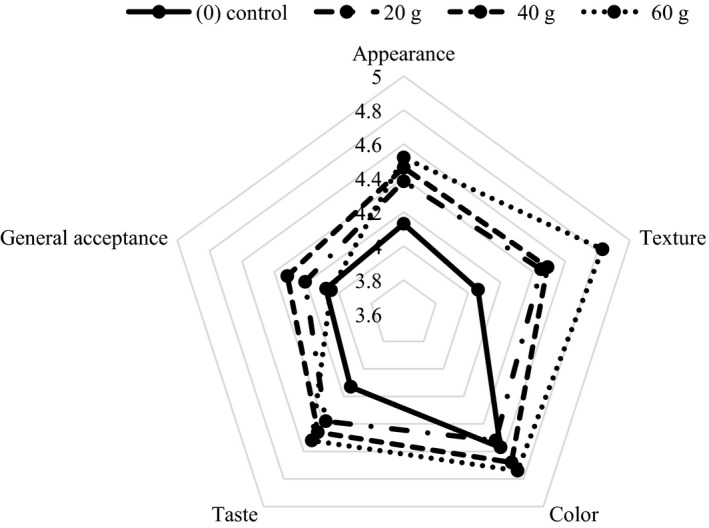
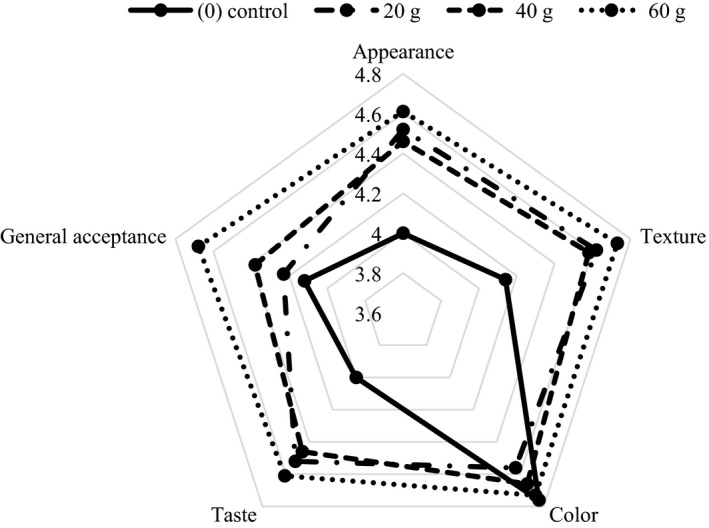
Contamination of poultry carcasses is considered as a critical point in the evaluation of poultry meat safety. The present study aimed at determining the decontamination effects of natural antimicrobial derived from grape waste extract and pomegranate waste extract (GWE and PWE) on poultry carcasses in a slaughterhouse. Poultry carcasses were treated in chiller with concentrations of 0, 2, 4 and 6% of pomegranate and grape waste extracts. Pomegranate and grape waste extracts contained 432.20 and 328.43 mg GAE/g total phenolic compounds. These extracts showed significant antimicrobial effect on the main poultry bacteria in vitro. On the first day of cold storage, significant reduction in total bacterial counts ( < .05) was observed in treated carcasses. After 3 days of storage time, total bacteria, , and reduced significantly ( < .05) compared to untreated samples. At sixth and ninth days of storage time, significant reduction in total volatile nitrogen (TVN), total bacteria counts, , coliforms, and were observed. Sensory attributes in treated carcasses with PWE and GWE have been enhanced significantly compared to untreated during acceptable shelf time ( < .05). Based on the results, pomegranate and grape waste extracts can be used to preserve and improve the shelf life of the poultry carcasses close to the standard range until the ninth day of storage. Application of pomegranate and grape waste extracts in slaughterhouse could be considered as an environmentally, natural and safe decontamination intervention in integral food safety system.
家禽胴体的污染被认为是评估禽肉安全性的一个关键点。本研究旨在确定葡萄废渣提取物和石榴废渣提取物(GWE和PWE)中天然抗菌剂对屠宰场家禽胴体的去污效果。将家禽胴体在冷却器中用浓度为0%、2%、4%和6%的石榴和葡萄废渣提取物进行处理。石榴和葡萄废渣提取物中总酚化合物含量分别为432.20和328.43 mg GAE/g。这些提取物在体外对主要的家禽细菌显示出显著的抗菌作用。在冷藏第一天,处理过的胴体中细菌总数显著减少(P<0.05)。储存3天后,与未处理的样品相比,总细菌、大肠杆菌和金黄色葡萄球菌显著减少(P<0.05)。在储存第六天和第九天,总挥发性氮(TVN)、细菌总数、大肠杆菌、大肠菌群和金黄色葡萄球菌显著减少。与未处理的相比,在可接受的货架期内,用PWE和GWE处理的胴体的感官特性显著增强(P<0.05)。根据结果,石榴和葡萄废渣提取物可用于保存和延长家禽胴体的保质期,使其接近标准范围直至储存第九天。在屠宰场应用石榴和葡萄废渣提取物可被视为整体食品安全系统中一种环境友好、天然且安全的去污干预措施。