Luan Di, Zhao Ming-Ge, Shi Ya-Chen, Li Ling, Cao Yu-Jia, Feng Hai-Xia, Zhang Zhi-Jun
Department of Neurology, Affiliated Zhongda Hospital, Research Institution of Neuropsychiatry, School of Medicine, Southeast University, Nanjing 210009, Jiangsu Province, China.
Department of Nursing, School of Medicine, Southeast University, Nanjing 210009, Jiangsu Province, China.
World J Psychiatry. 2020 Oct 19;10(10):223-233. doi: 10.5498/wjp.v10.i10.223.
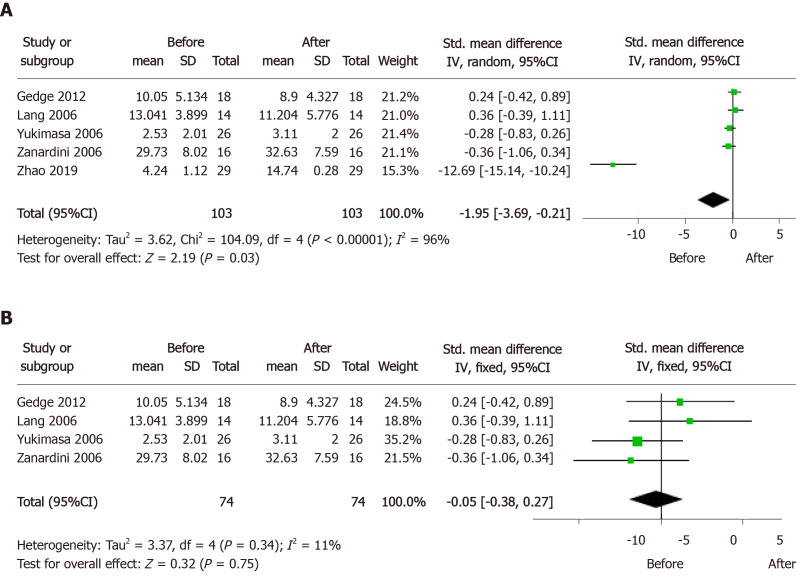
This review summarizes the anti-depressant mechanisms of repetitive transcranial magnetic stimulation in preclinical studies, including anti-inflammatory effects mediated by activation of nuclear factor-E2-related factor 2 signaling pathway, anti-oxidative stress effects, enhancement of synaptic plasticity and neurogenesis activation of the endocannabinoid system and brain derived neurotrophic factor signaling pathway, increasing the content of monoamine neurotransmitters inhibition of Sirtuin 1/monoamine oxidase A signaling pathway, and reducing the activity of the hypothalamic-pituitary-adrenocortical axis. We also discuss the shortcomings of transcranial magnetic stimulation in preclinical studies such as inaccurate positioning, shallow depth of stimulation, and difficulty in elucidating the neural circuit mechanism up- and down-stream of the stimulation target brain region.
本综述总结了重复经颅磁刺激在临床前研究中的抗抑郁机制,包括通过激活核因子E2相关因子2信号通路介导的抗炎作用、抗氧化应激作用、增强突触可塑性和神经发生、激活内源性大麻素系统和脑源性神经营养因子信号通路、增加单胺类神经递质含量、抑制沉默调节蛋白1/单胺氧化酶A信号通路以及降低下丘脑-垂体-肾上腺皮质轴的活性。我们还讨论了经颅磁刺激在临床前研究中的缺点,如定位不准确、刺激深度浅以及难以阐明刺激目标脑区上下游的神经回路机制。