Schönegger Carmen Maria, Gietl Sarah, Heinzle Bernhard, Freudenschuss Kurt, Walder Gernot
Department of Virology, Dr. Gernot Walder GmbH, 9931 Außervillgraten 30, Austria.
Radiology Private Clinic Kursana, Wörgl, Austria.
SN Compr Clin Med. 2020;2(12):2535-2539. doi: 10.1007/s42399-020-00606-4. Epub 2020 Oct 24.
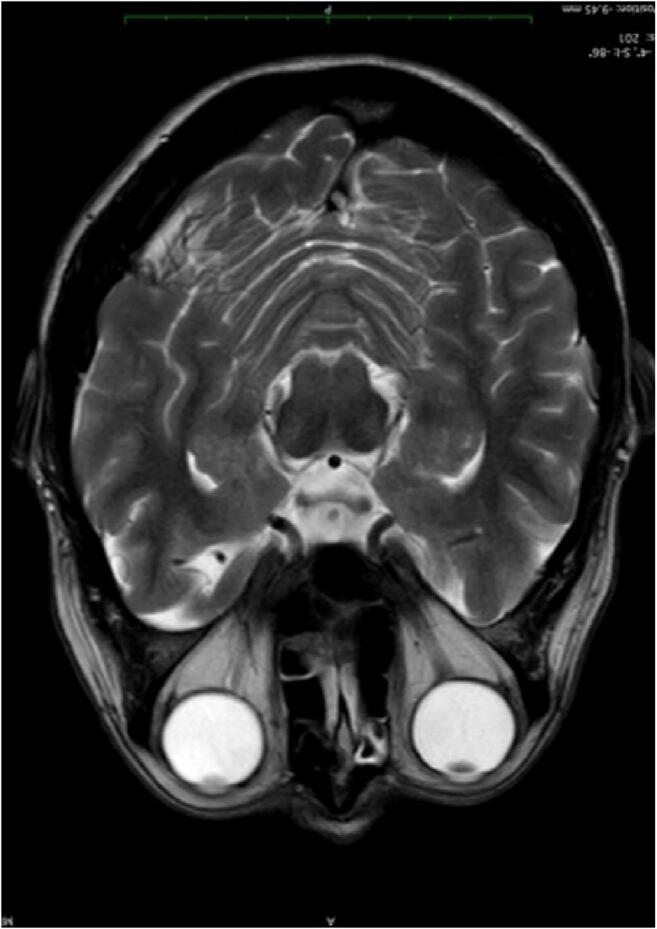
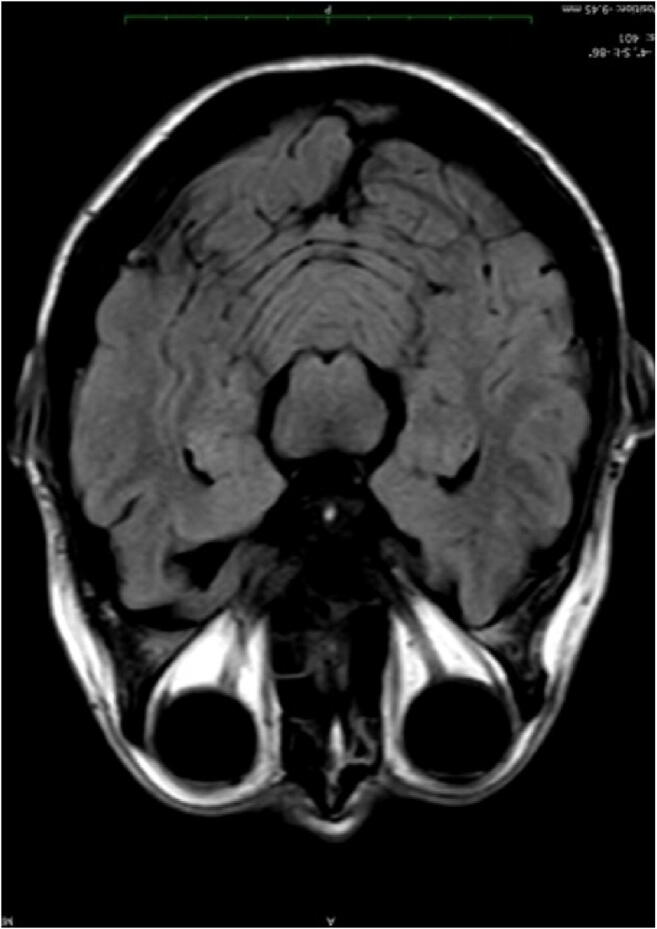
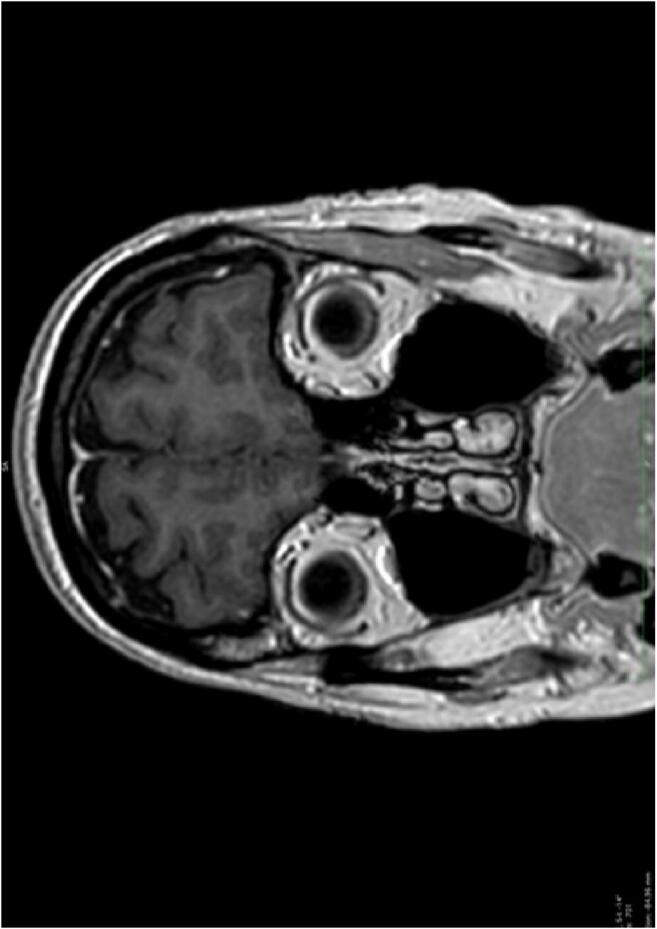
Smell and taste disorders are acknowledged as characteristic symptoms for SARS-CoV-2 infection by now. These symptoms have been linked to a neuroinvasive course of disease. In this study, we investigated five consecutive COVID-19 patients with a prolonged course of dysosmia and dysgeusia. Those with objectifiable alteration in taste or smell were subjected to MRI with contrast agent to investigate possible involvement of the central nervous system. We found dysosmia and dysgeusia to be mostly objectifiable, but no evidence for neuroinvasiveness could be detected by MRI in the late stage of the disease. Alterations in taste and smell could be objectified in most patients. Nevertheless, no evidence for a neuroinvasive potential could be identified by MRI, at least in the late stage of disease We encourage medical professionals to conduct specialized examinations and MRIs in the acute stage of disease, which guarantees an optimum patient care.
目前,嗅觉和味觉障碍被认为是新型冠状病毒感染的典型症状。这些症状与疾病的神经侵袭过程有关。在本研究中,我们调查了五名连续出现嗅觉障碍和味觉障碍且病程延长的新冠肺炎患者。对那些味觉或嗅觉有可客观化改变的患者进行了增强磁共振成像(MRI)检查,以研究中枢神经系统可能受到的影响。我们发现嗅觉障碍和味觉障碍大多是可客观化的,但在疾病后期的MRI检查中未发现神经侵袭的证据。大多数患者的味觉和嗅觉改变可以客观化。然而,至少在疾病后期,MRI检查未发现神经侵袭潜能的证据。我们鼓励医学专业人员在疾病急性期进行专门检查和MRI检查,以确保为患者提供最佳护理。