The University of Texas Health Science Center, Houston, TX, USA.
The University of Texas a MD Anderson Cancer Center, Houston, TX, USA.
Inquiry. 2020 Jan-Dec;57:46958020968780. doi: 10.1177/0046958020968780.
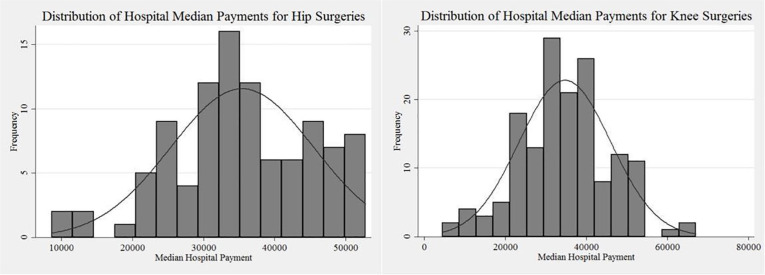
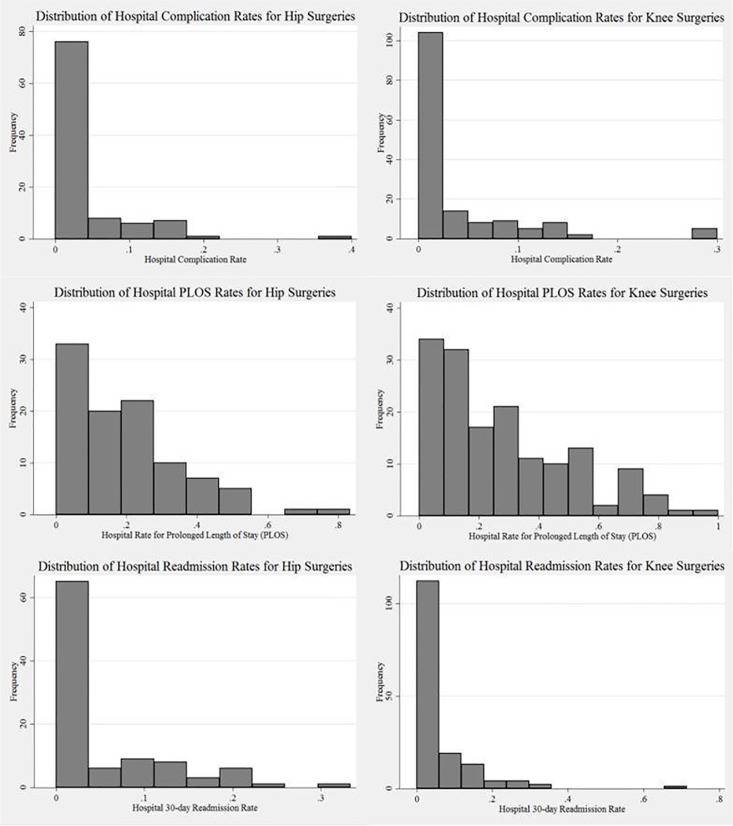
Studies evaluating the cost and quality of healthcare services have produced inconsistent results. We seek to determine if higher paid hospitals have higher quality outcomes compared to those receiving lower payments, after accounting for clinical and market level factors. Using inpatient commercial claims from the IBM MarketScan Research Databases, we used an ordinal logistic regression to analyze the association between hospital median payments for elective hip and knee procedures and 3 quality outcomes: prolonged length of stay, complication rate, and 30-day readmission rate. Patient-level and market factor covariates were appropriately adjusted. Hospital-level payments were found to be not significantly correlated with hospital quality of care. This research suggests that higher payments cannot predict higher quality outcomes. This finding has implications for provider-payer negotiations, value-based insurance designs, strategies to increase high-value care provision, and consumer choices in an increasingly consumer-oriented healthcare landscape.
研究评估医疗保健服务的成本和质量得出的结果不一致。我们试图确定在考虑临床和市场水平因素后,薪酬较高的医院与薪酬较低的医院相比,其治疗结果是否具有更高的质量。本研究使用 IBM MarketScan 研究数据库中的住院商业索赔数据,采用有序逻辑回归分析了择期髋关节和膝关节手术的医院中位数支付额与 3 个质量结果(住院时间延长、并发症发生率和 30 天再入院率)之间的关系。适当调整了患者水平和市场因素协变量。研究发现,医院支付额与医院护理质量没有显著相关性。这一研究结果表明,高支付并不能预测高质量的治疗结果。这一发现对医疗服务提供者和付款人之间的谈判、基于价值的保险设计、增加高质量医疗服务供应的策略以及在日益以消费者为导向的医疗保健环境中消费者的选择都具有重要意义。