Comprehensive Pneumology Center (CPC), Institute of Lung Biology and Disease, Helmholtz Zentrum München, Member of the German Center for Lung Research (DZL), Neuherberg, Germany.
German Cancer Research Center (DKFZ), Division of Chronic Inflammation and Cancer, Heidelberg, Germany.
Nature. 2020 Dec;588(7836):151-156. doi: 10.1038/s41586-020-2882-8. Epub 2020 Nov 4.
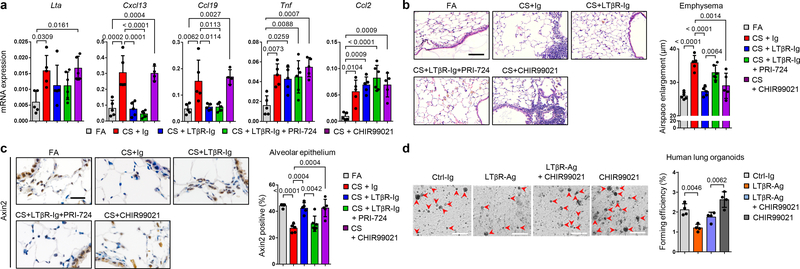
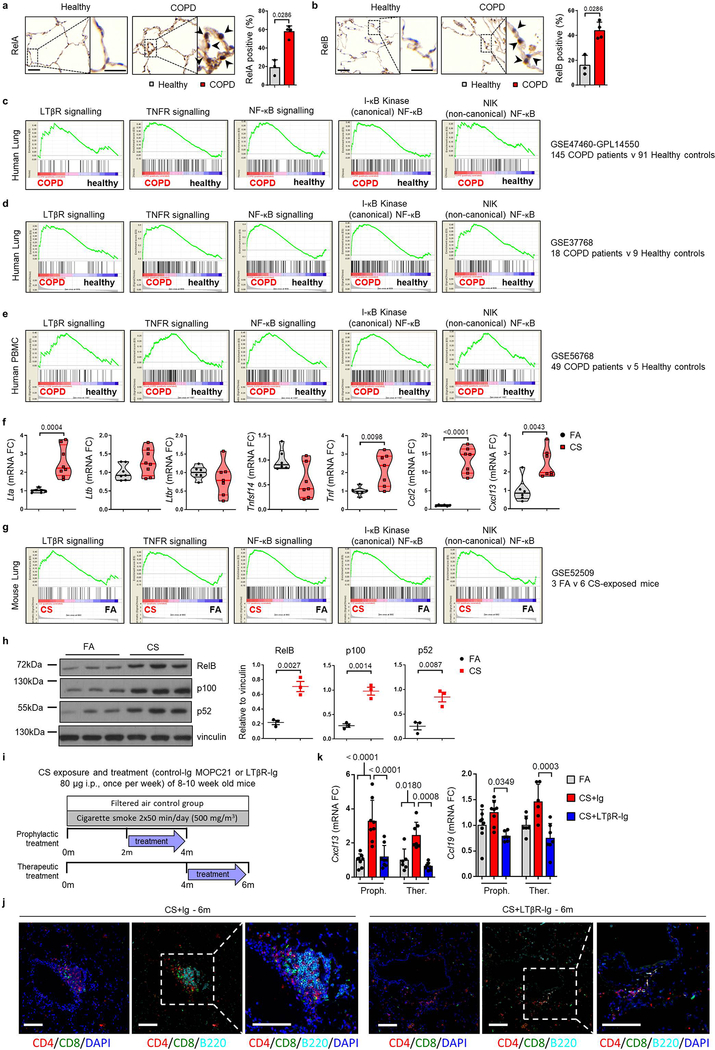
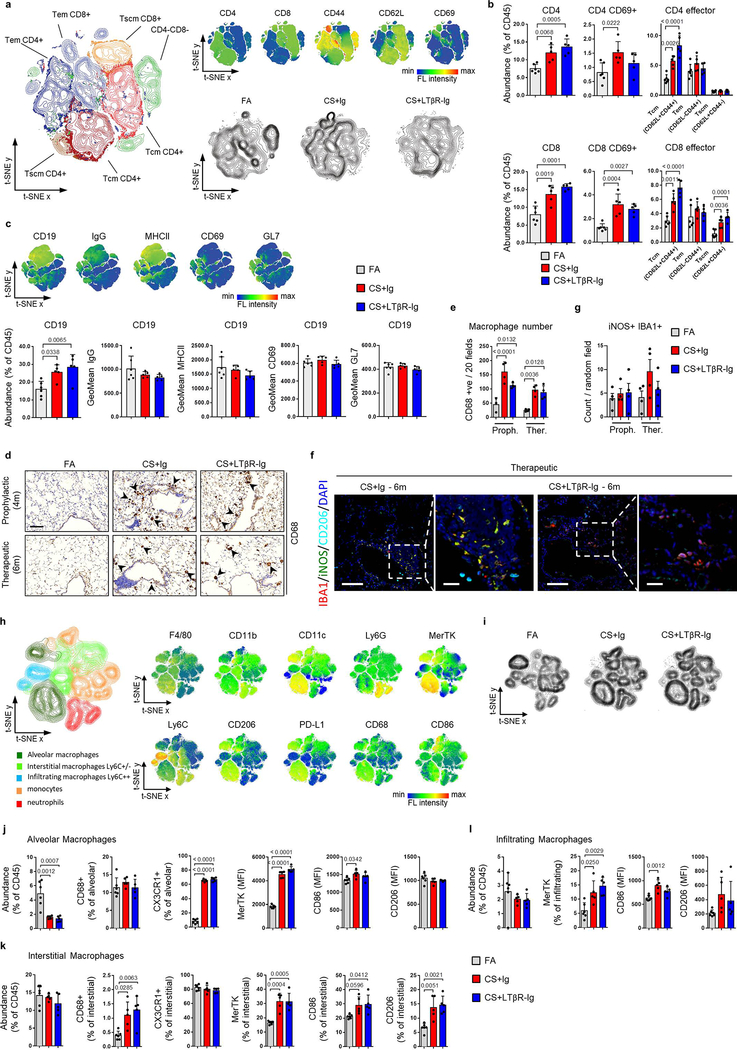
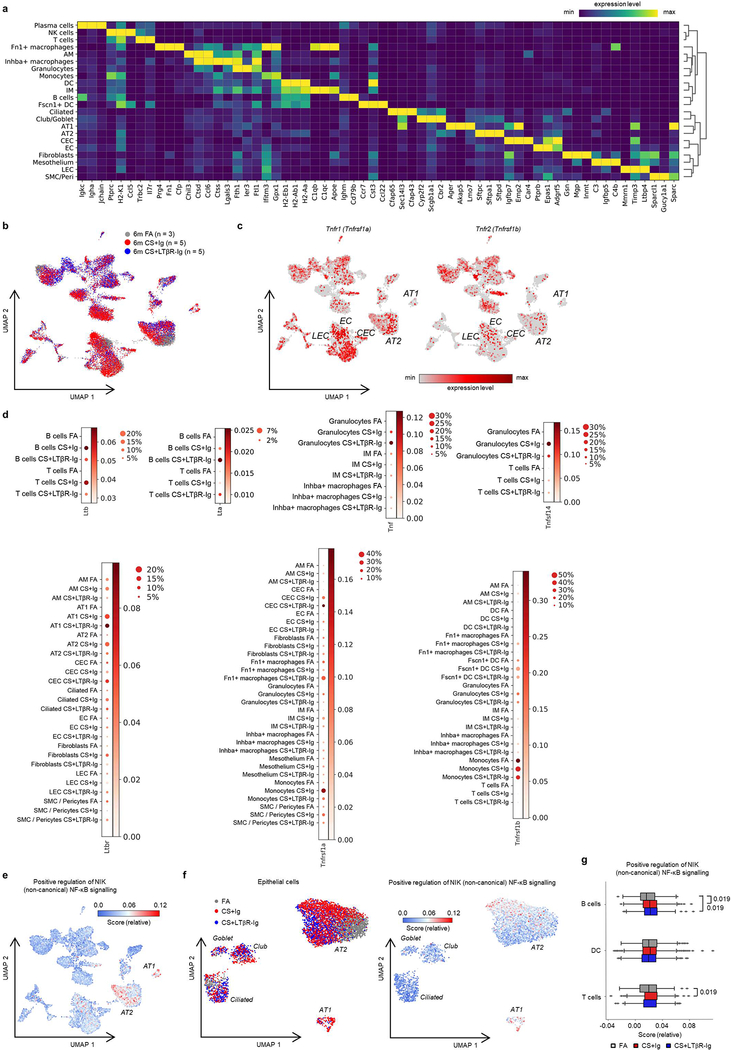
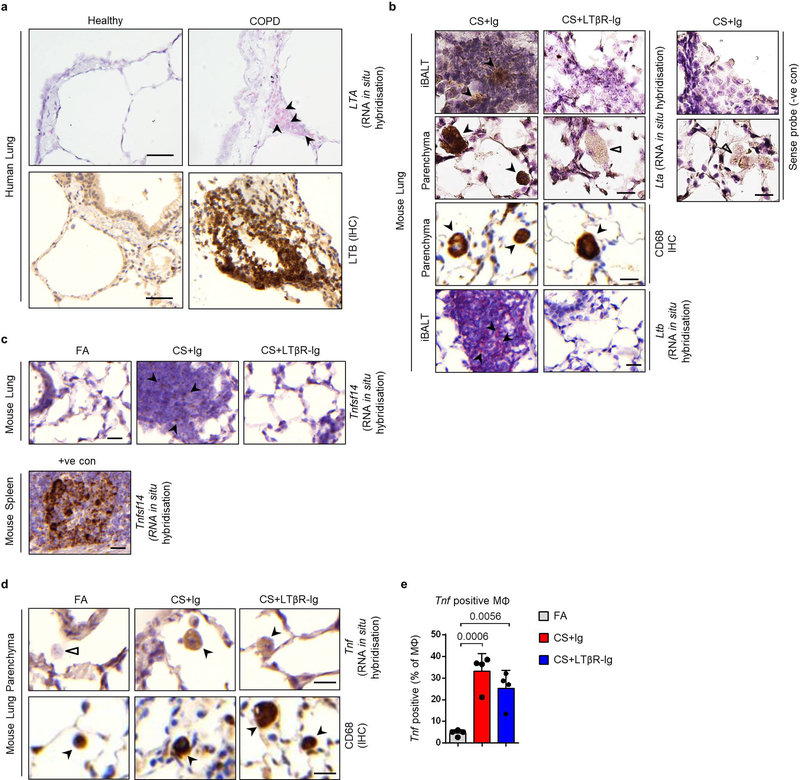
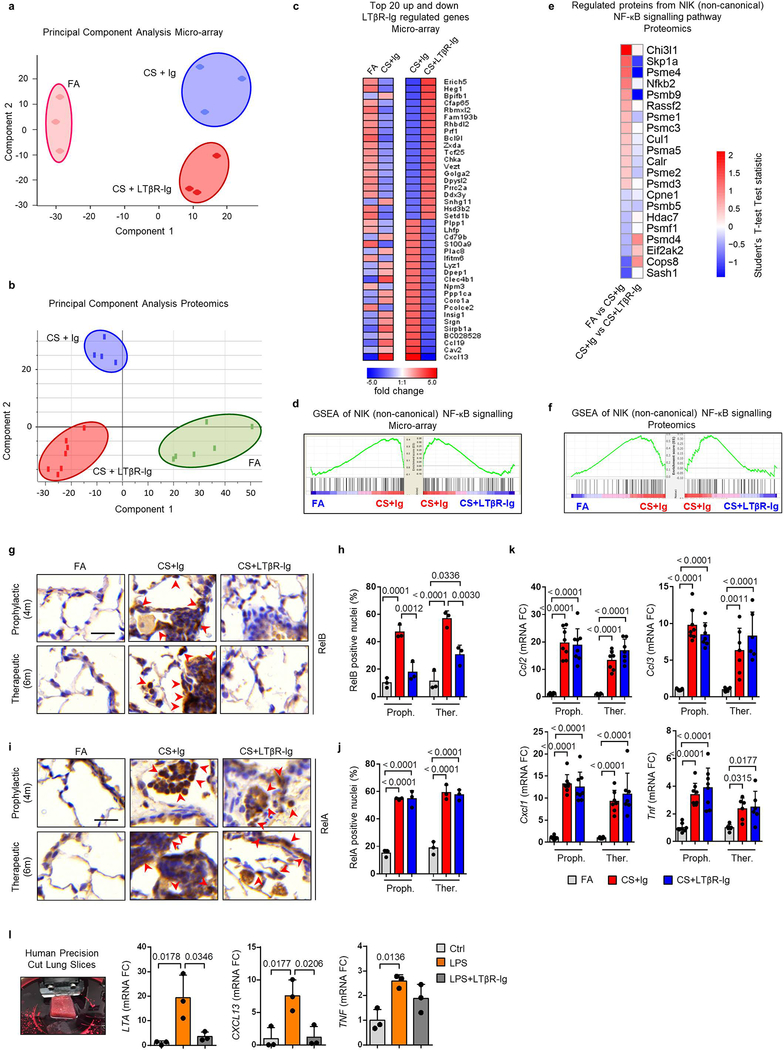
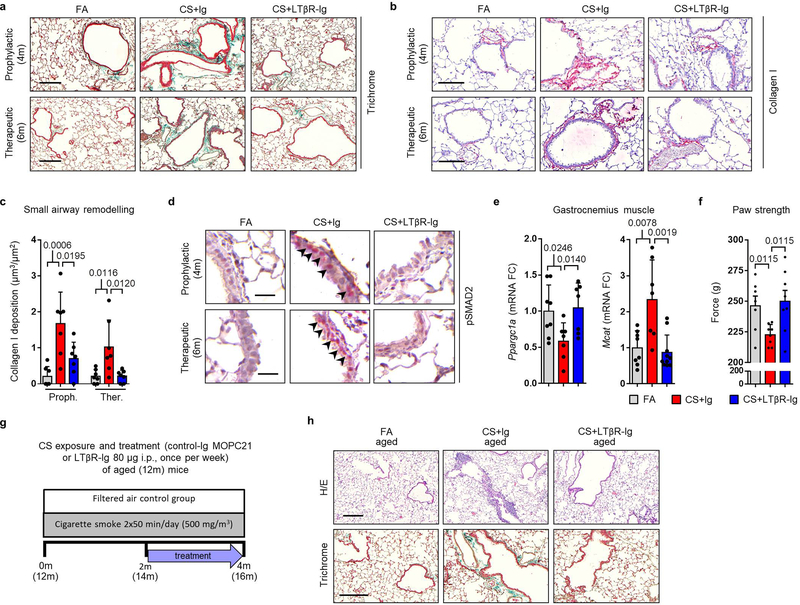
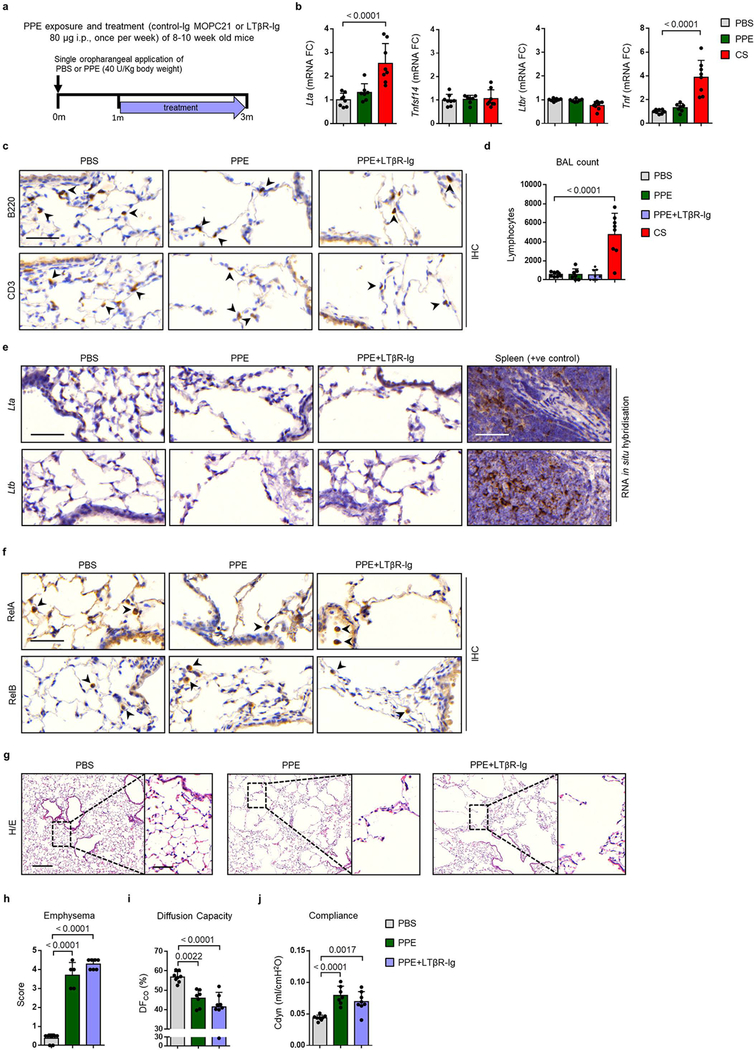
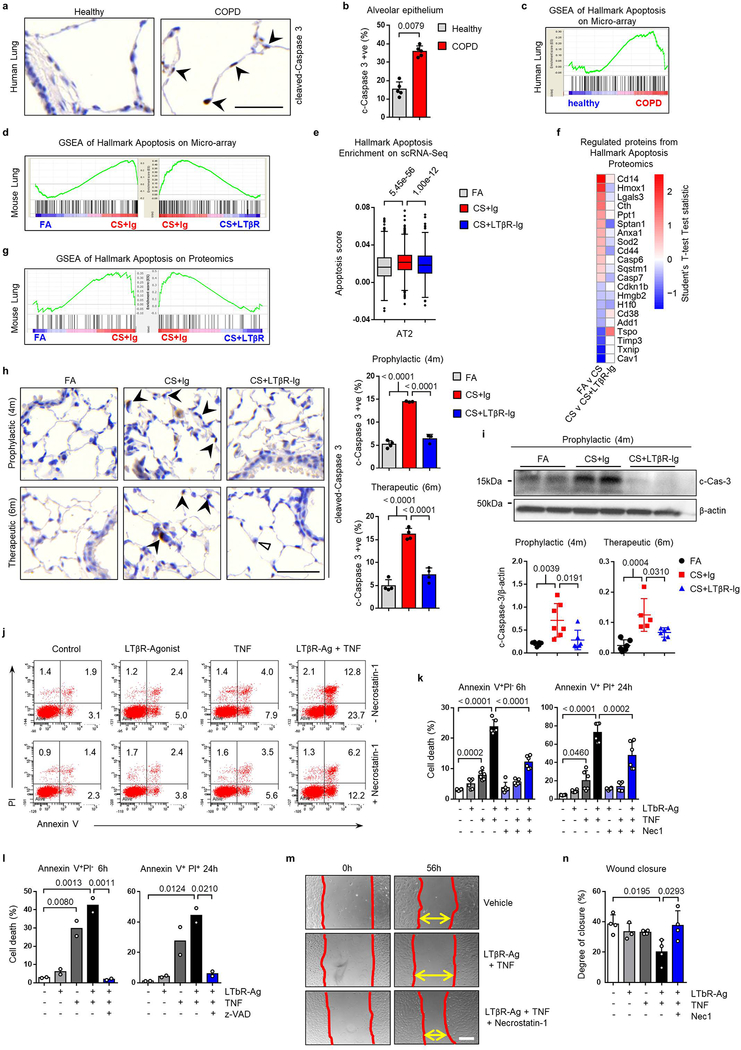
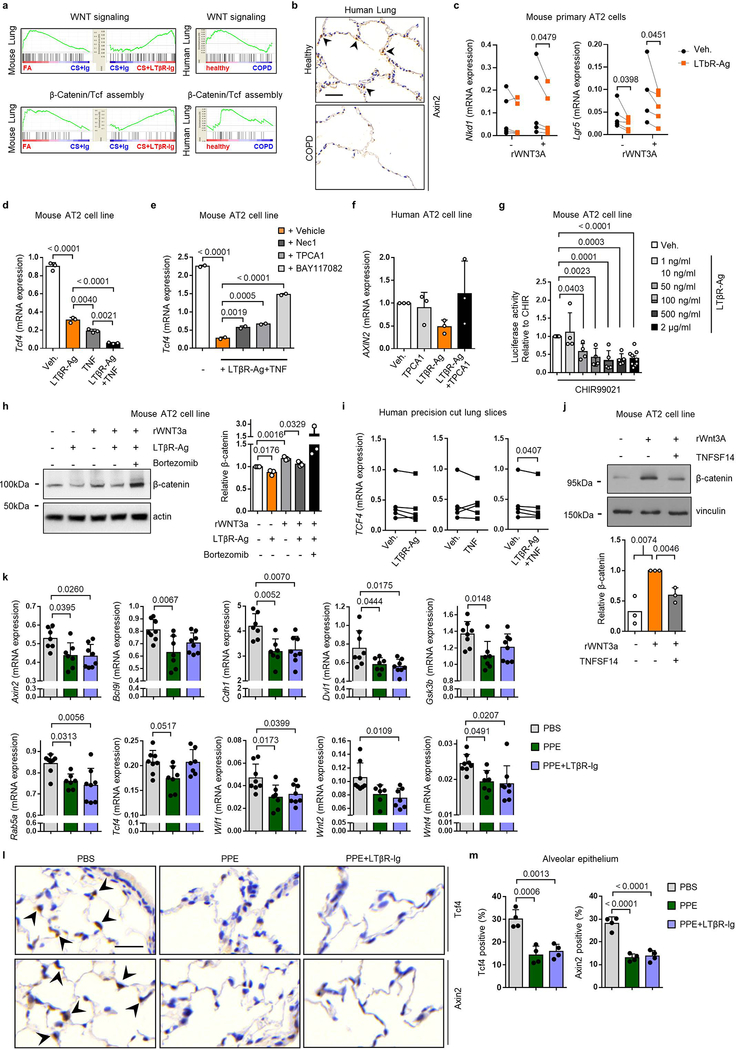
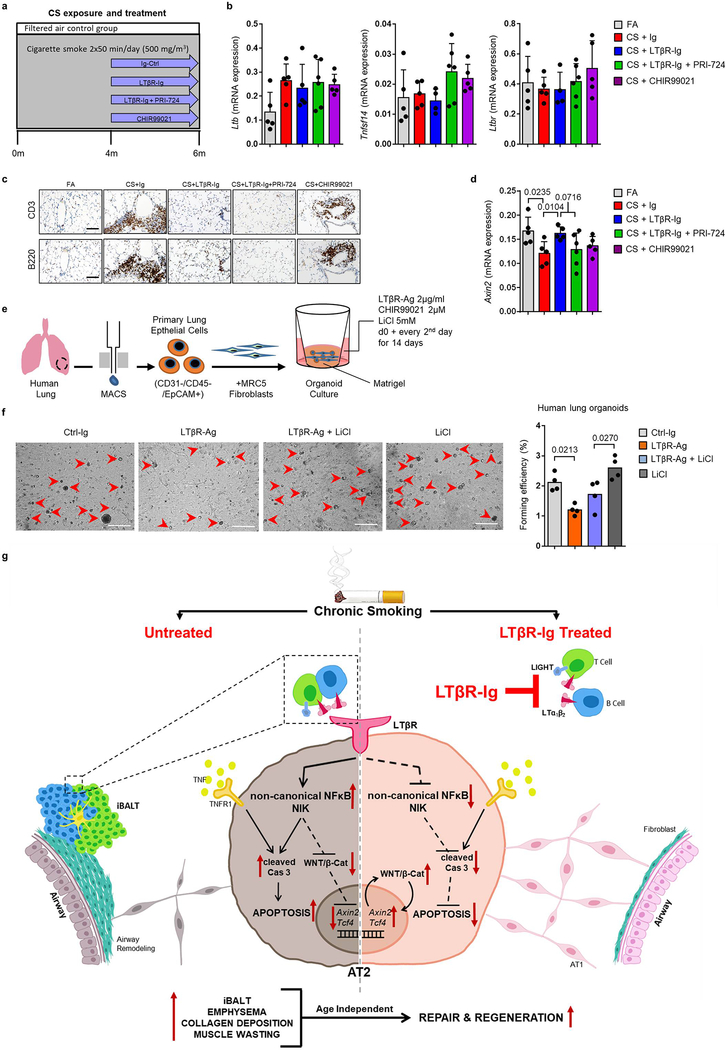
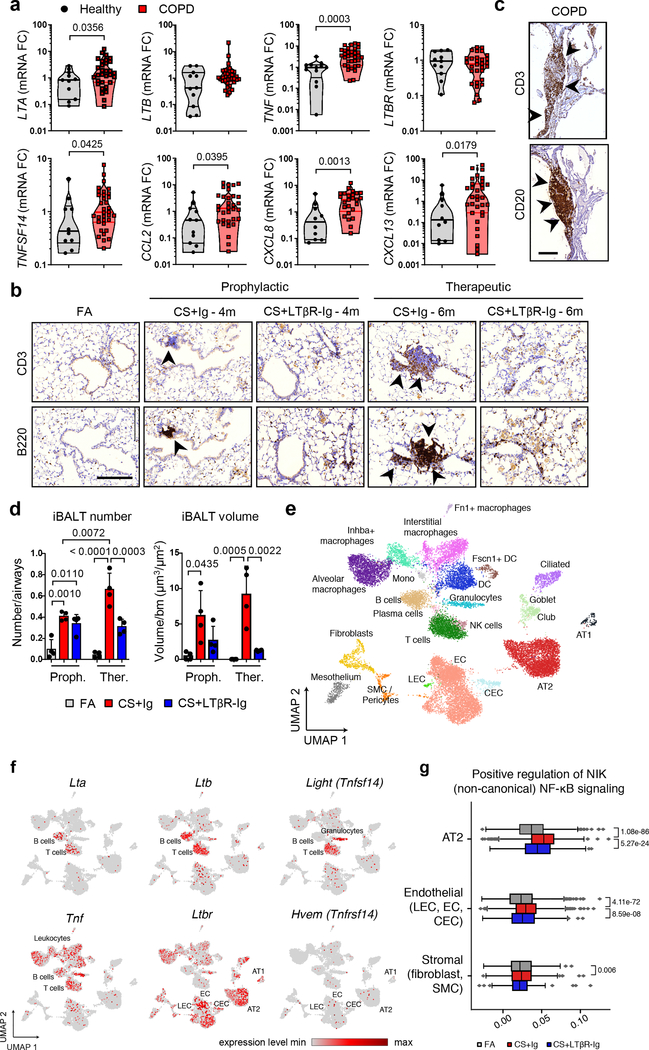
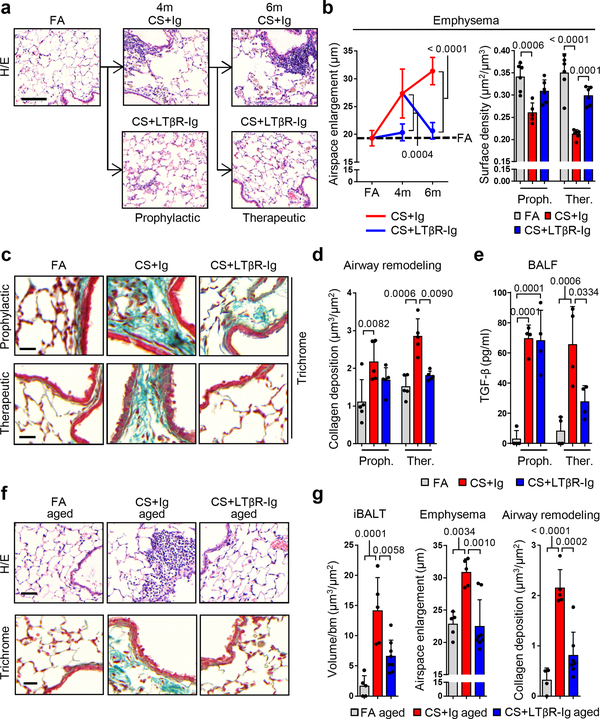
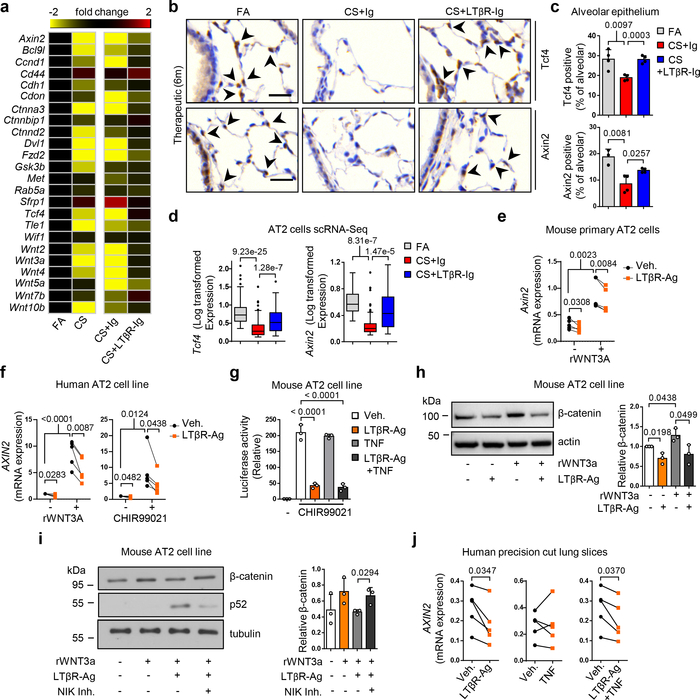
Lymphotoxin β-receptor (LTβR) signalling promotes lymphoid neogenesis and the development of tertiary lymphoid structures, which are associated with severe chronic inflammatory diseases that span several organ systems. How LTβR signalling drives chronic tissue damage particularly in the lung, the mechanism(s) that regulate this process, and whether LTβR blockade might be of therapeutic value have remained unclear. Here we demonstrate increased expression of LTβR ligands in adaptive and innate immune cells, enhanced non-canonical NF-κB signalling, and enriched LTβR target gene expression in lung epithelial cells from patients with smoking-associated chronic obstructive pulmonary disease (COPD) and from mice chronically exposed to cigarette smoke. Therapeutic inhibition of LTβR signalling in young and aged mice disrupted smoking-related inducible bronchus-associated lymphoid tissue, induced regeneration of lung tissue, and reverted airway fibrosis and systemic muscle wasting. Mechanistically, blockade of LTβR signalling dampened epithelial non-canonical activation of NF-κB, reduced TGFβ signalling in airways, and induced regeneration by preventing epithelial cell death and activating WNT/β-catenin signalling in alveolar epithelial progenitor cells. These findings suggest that inhibition of LTβR signalling represents a viable therapeutic option that combines prevention of tertiary lymphoid structures and inhibition of apoptosis with tissue-regenerative strategies.
淋巴毒素 β 受体 (LTβR) 信号促进淋巴新生和三级淋巴结构的发育,这些结构与跨越多个器官系统的严重慢性炎症性疾病有关。LTβR 信号如何驱动慢性组织损伤,特别是在肺部,调节这一过程的机制,以及 LTβR 阻断是否具有治疗价值,这些仍然不清楚。在这里,我们证明了适应性和先天免疫细胞中 LTβR 配体的表达增加,非经典 NF-κB 信号增强,以及来自吸烟相关慢性阻塞性肺疾病 (COPD) 患者和长期暴露于香烟烟雾的小鼠的肺上皮细胞中 LTβR 靶基因表达丰富。在年轻和老年小鼠中抑制 LTβR 信号会破坏与吸烟相关的诱导性支气管相关淋巴组织,诱导肺组织再生,并逆转气道纤维化和全身肌肉萎缩。从机制上讲,LTβR 信号阻断抑制了上皮细胞中非经典 NF-κB 的激活,减少了气道中的 TGFβ 信号,并通过防止上皮细胞死亡和激活肺泡上皮祖细胞中的 WNT/β-catenin 信号来诱导组织再生。这些发现表明,抑制 LTβR 信号代表了一种可行的治疗选择,它结合了预防三级淋巴结构和抑制细胞凋亡与组织再生策略。