Weber Gregor, Caricchi Luca, Arce José L, Schmitt Axel K
Department of Earth Sciences, University of Geneva, Rue des Maraîchers 13, CH-1205, Geneva, Switzerland.
Instituto de Geología, Universidad Nacional Autónoma de México, Coyoacán, 04360, Ciudad de México, México.
Nat Commun. 2020 Nov 5;11(1):5477. doi: 10.1038/s41467-020-19084-2.
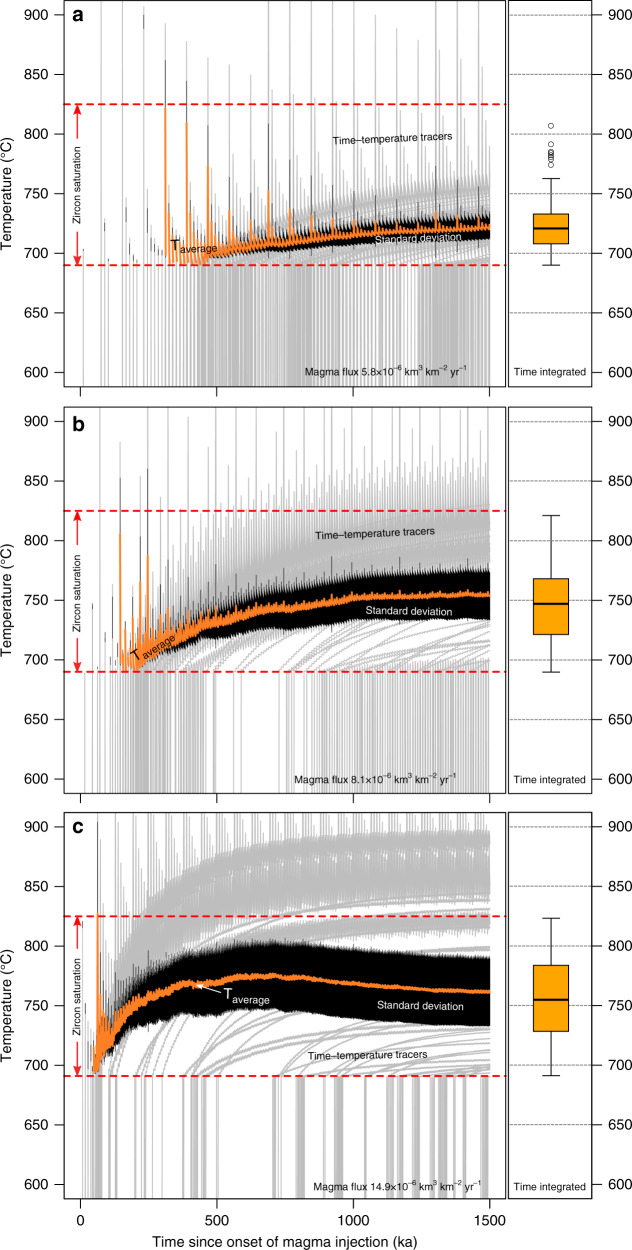
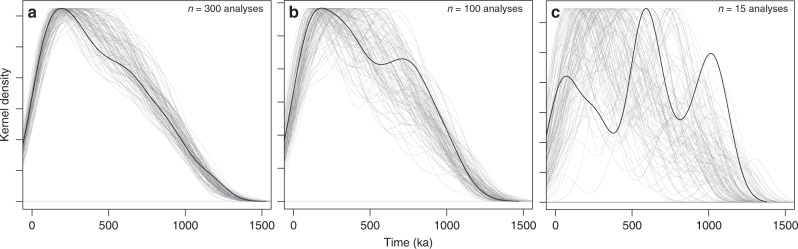
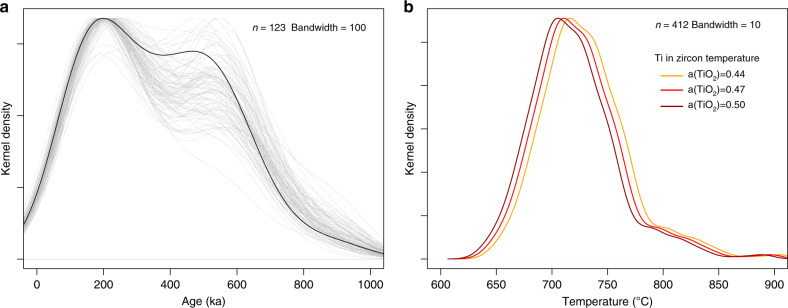
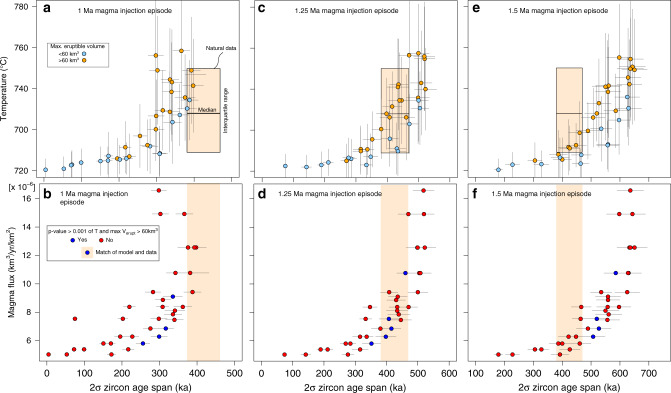
Determining the state of magma reservoirs is essential to mitigate volcanic hazards. However, geophysical methods lack the spatial resolution to quantify the volume of eruptible magma present in the system, and the study of the eruptive history of a volcano does not constrain the current state of the magma reservoir. Here, we apply a novel approach to Nevado de Toluca volcano (Mexico) to tightly constrain the rate of magma input and accumulation in the subvolcanic reservoir. We show that only a few percent of the supplied magma erupted and a melt volume of up to 350 km is currently stored under the volcano. If magma input resumes, the volcano can reawake from multi-millennial dormancy within a few years and produce a large eruption, due to the thermal maturity of the system. Our approach is widely applicable and provides essential quantitative information to better assess the state and hazard potential of volcanoes.
确定岩浆储层的状态对于减轻火山灾害至关重要。然而,地球物理方法缺乏足够的空间分辨率来量化系统中可喷发岩浆的体积,而且对火山喷发历史的研究也无法确定岩浆储层的当前状态。在此,我们对托卢卡山火山(墨西哥)采用了一种新方法,以严格限制次火山储层中岩浆的输入和积累速率。我们发现,所供应的岩浆中只有百分之几喷发出来,目前火山下方储存着高达350立方千米的熔体。如果岩浆输入恢复,由于该系统的热成熟度,这座火山可能在几年内从长达数千年的休眠中苏醒并引发大规模喷发。我们的方法具有广泛的适用性,并提供了重要的定量信息,以便更好地评估火山的状态和潜在危害。