Department of Agricultural and Food Sciences (DISTAL), Plant Pathology, Alma Mater Studiorum-University of Bologna, V. le Fanin, 40, 40127, Bologna, Italy.
Department of Industrial Engineering (DIN), Alma Mater Studiorum-University of Bologna, Via Terracini 24, 40131, Bologna, Italy.
Sci Rep. 2020 Nov 5;10(1):19211. doi: 10.1038/s41598-020-76247-3.
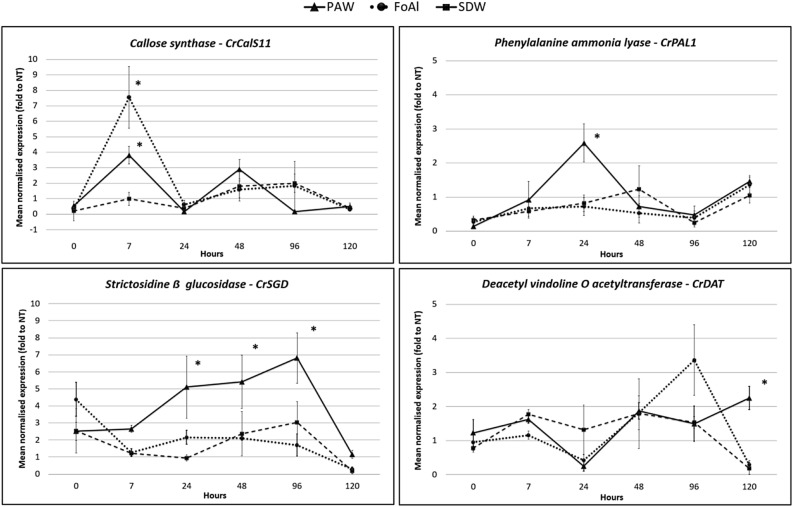
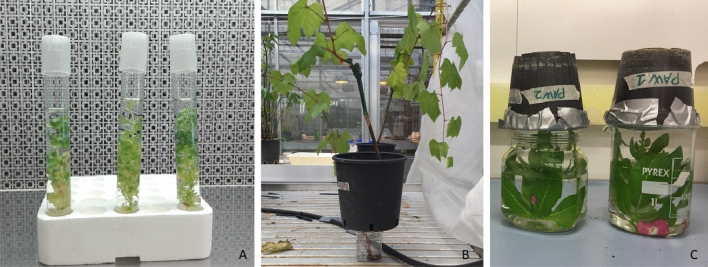
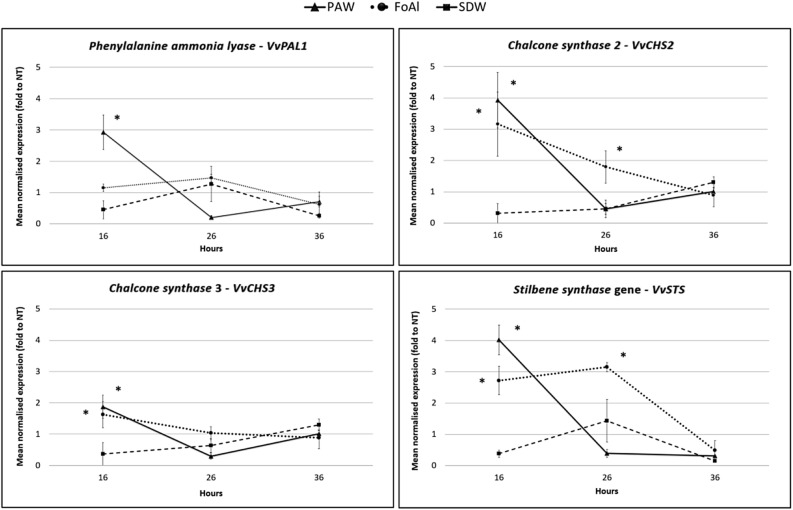
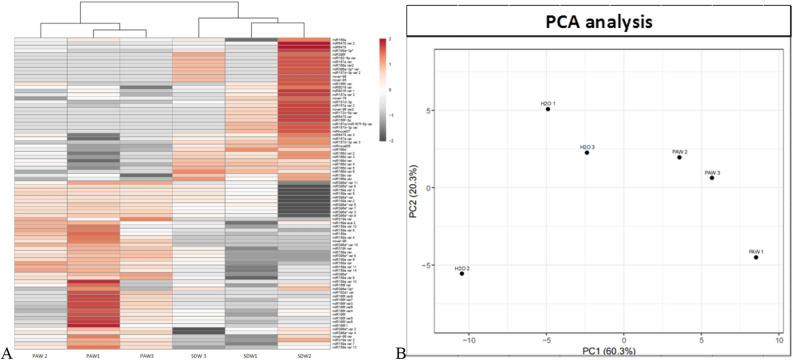
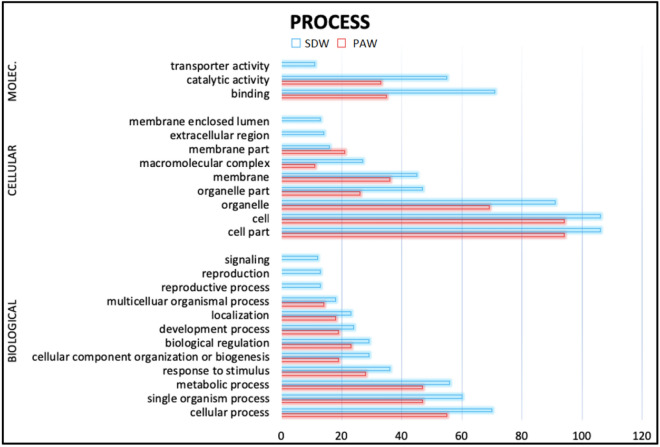
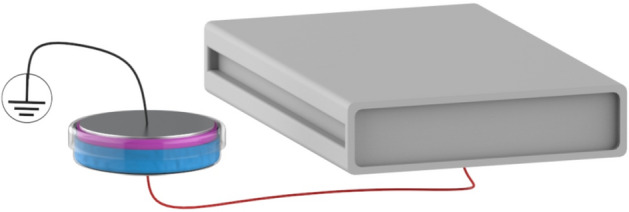
Nowadays, one of the main challenges is moving towards an eco-sustainable agriculture, able to preserve the food production through a reduced use of pesticides. Current global food sustenance by intensive agriculture is mainly based on economic crop monocultures and drastically reduces the biodiversity, increasing the yield losses due to the presence of biotic and abiotic stresses. A technology based on plasma activated water (PAW), characterized by the presence in liquid of reactive oxygen and nitrogen species, was tested to try to ensure yield stability also enhancing the plant resistance responses and to promote an eco-sustainable management of plant diseases. In PAW-treated micropropagated periwinkle shoots, periwinkle and grapevine plants, qRT-PCR and small RNAs high-throughput sequencing were used to analyse the differential expression of genes involved in the major plant defence pathways. The results indicate that PAW treatment enhances the plant defence responses and provide an encouraging framework for future applications in plant disease management programs.
如今,主要挑战之一是朝着生态可持续农业发展,通过减少农药使用来维持粮食生产。目前,集约化农业的全球粮食供应主要基于经济作物的单一栽培,这极大地降低了生物多样性,增加了因生物和非生物胁迫而导致的产量损失。一种基于等离子体激活水 (PAW) 的技术得到了测试,该技术的特点是液体中存在活性氧和氮物种,试图确保产量稳定,同时增强植物的抗性反应,并促进植物病害的生态可持续管理。在经 PAW 处理的长春花微繁殖芽、长春花和葡萄植株中,qRT-PCR 和小 RNA 高通量测序用于分析参与主要植物防御途径的基因的差异表达。结果表明,PAW 处理增强了植物的防御反应,为未来在植物病害管理计划中的应用提供了令人鼓舞的框架。