Matsushita Yuki, Ono Wanida, Ono Noriaki
University of Michigan School of Dentistry, Ann Arbor, Michigan, 48109, USA.
Bioessays. 2021 Jan;43(1):e2000202. doi: 10.1002/bies.202000202. Epub 2020 Nov 6.
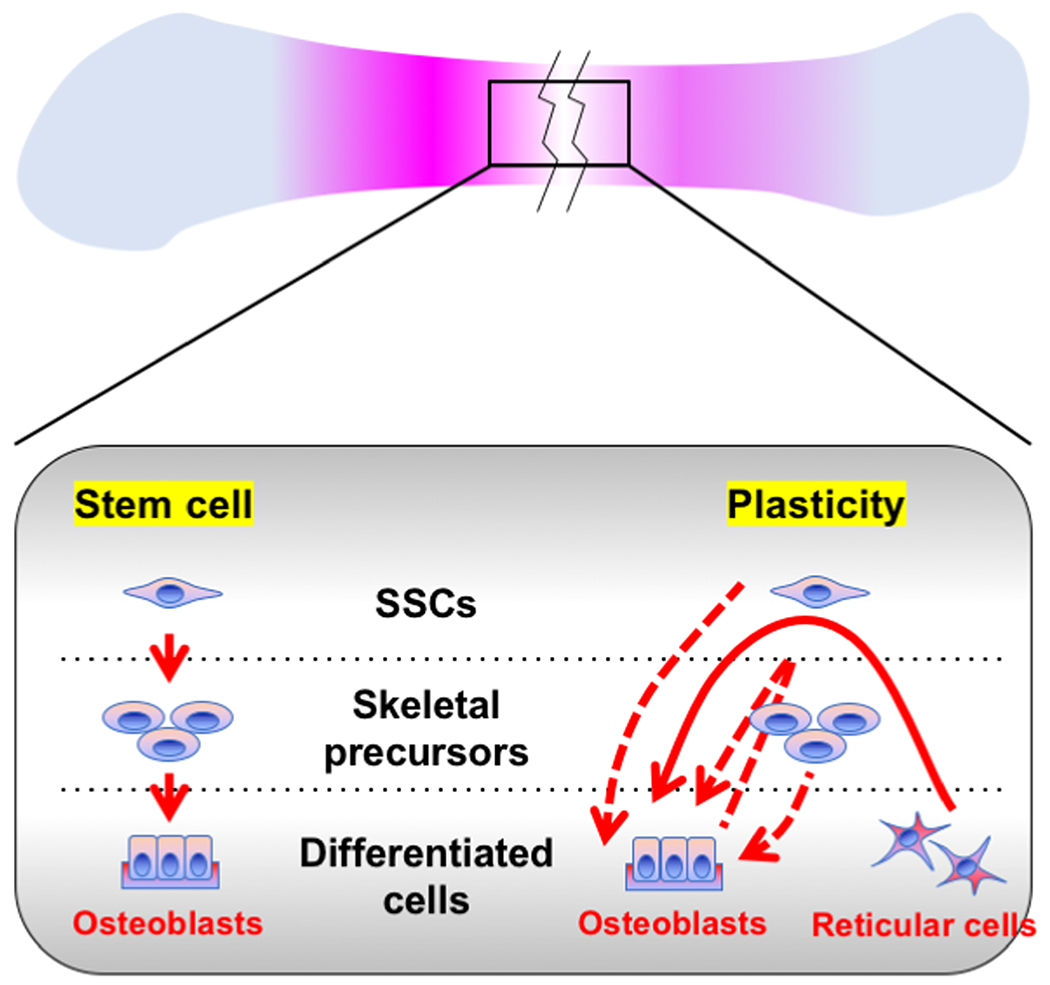
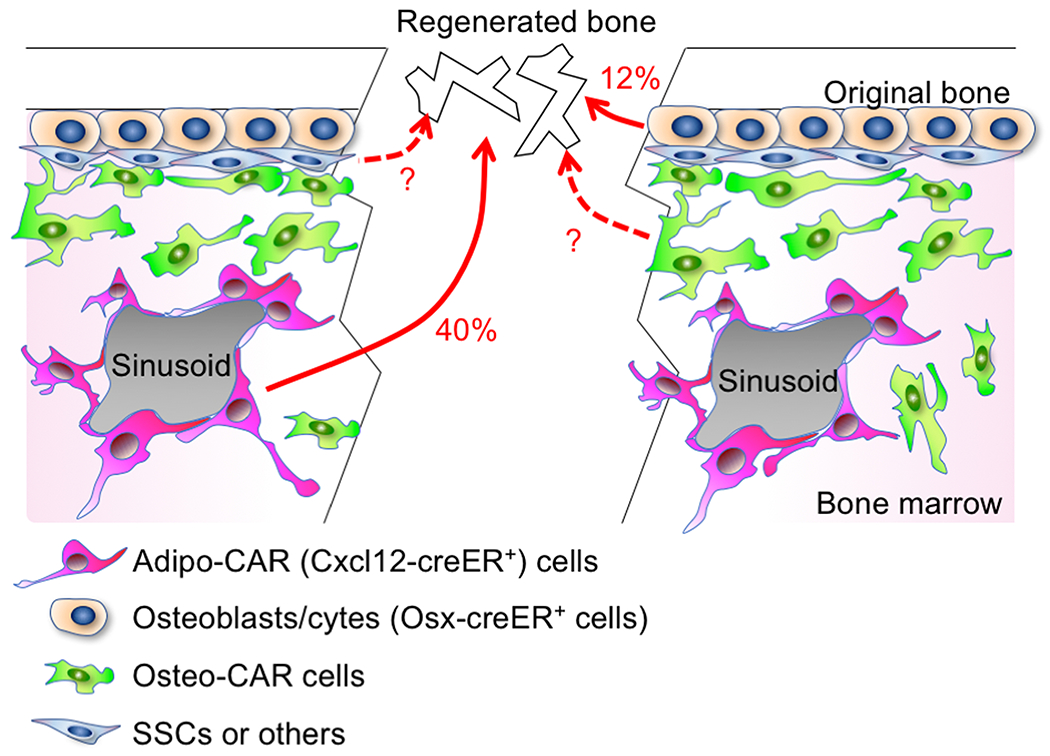
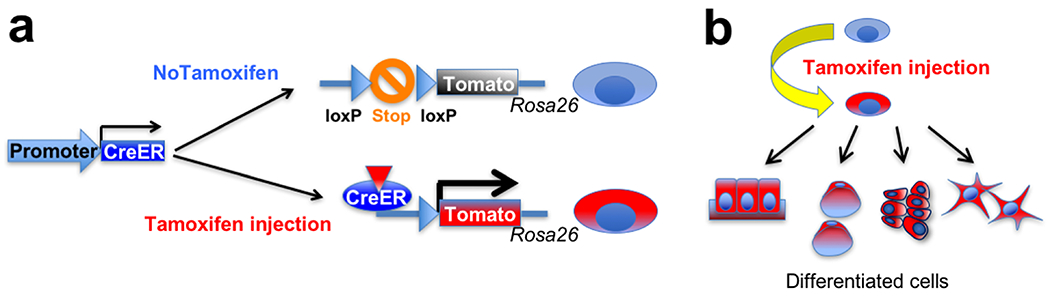
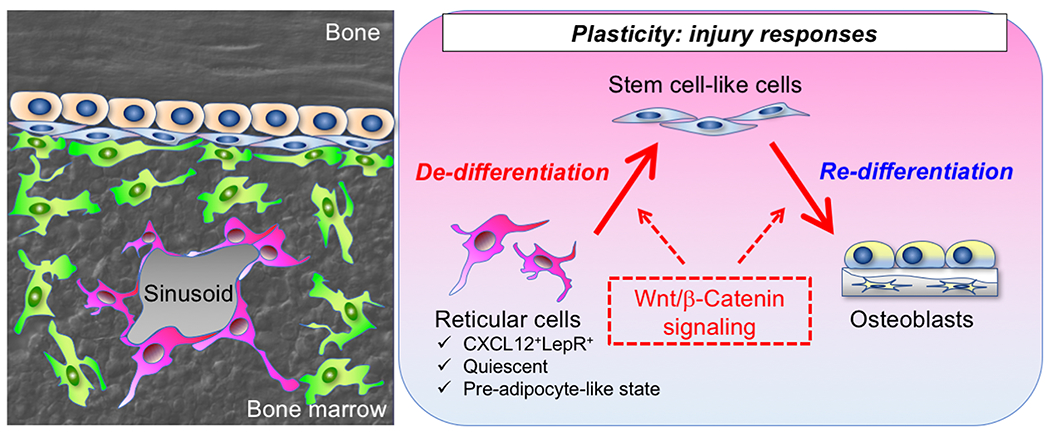
An emerging concept is that quiescent mature skeletal cells provide an important cellular source for bone regeneration. It has long been considered that a small number of resident skeletal stem cells are solely responsible for the remarkable regenerative capacity of adult bones. However, recent in vivo lineage-tracing studies suggest that all stages of skeletal lineage cells, including dormant pre-adipocyte-like stromal cells in the marrow, osteoblast precursor cells on the bone surface and other stem and progenitor cells, are concomitantly recruited to the injury site and collectively participate in regeneration of the damaged skeletal structure. Lineage plasticity appears to play an important role in this process, by which mature skeletal cells can transform their identities into skeletal stem cell-like cells in response to injury. These highly malleable, long-living mature skeletal cells, readily available throughout postnatal life, might represent an ideal cellular resource that can be exploited for regenerative medicine.
一个新出现的概念是,静止的成熟骨骼细胞为骨再生提供了重要的细胞来源。长期以来,人们一直认为少数驻留的骨骼干细胞是成年骨骼显著再生能力的唯一责任者。然而,最近的体内谱系追踪研究表明,骨骼谱系细胞的所有阶段,包括骨髓中休眠的前脂肪细胞样基质细胞、骨表面的成骨细胞前体细胞以及其他干细胞和祖细胞,都会同时被招募到损伤部位,并共同参与受损骨骼结构的再生。谱系可塑性似乎在这个过程中发挥着重要作用,通过这个过程,成熟骨骼细胞可以在损伤时将其身份转变为骨骼干细胞样细胞。这些高度可塑、寿命长的成熟骨骼细胞在出生后的整个生命过程中都很容易获得,可能代表了一种可用于再生医学的理想细胞资源。