Department of Biochemistry, University of Washington, Seattle, WA 98195, USA.
Department of Biochemistry, University of Washington, Seattle, WA 98195, USA; Institute for Protein Design, University of Washington, Seattle, WA 98195, USA.
Cell. 2020 Nov 25;183(5):1367-1382.e17. doi: 10.1016/j.cell.2020.10.043. Epub 2020 Oct 31.
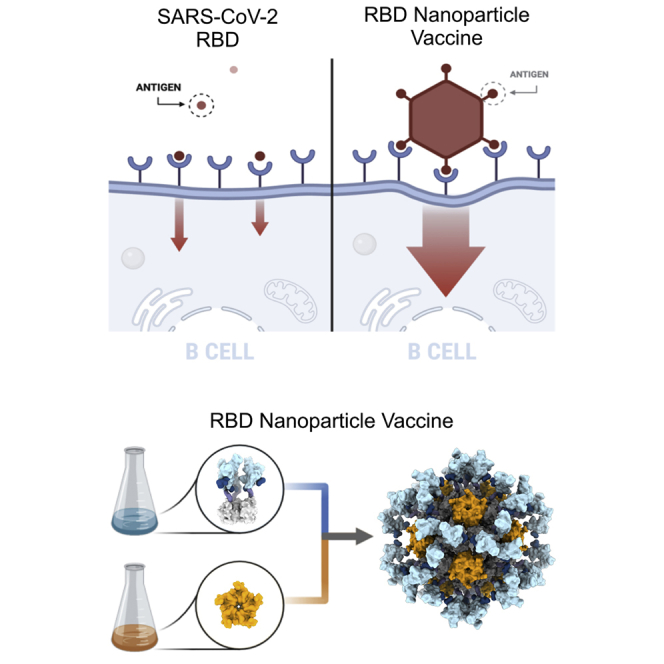
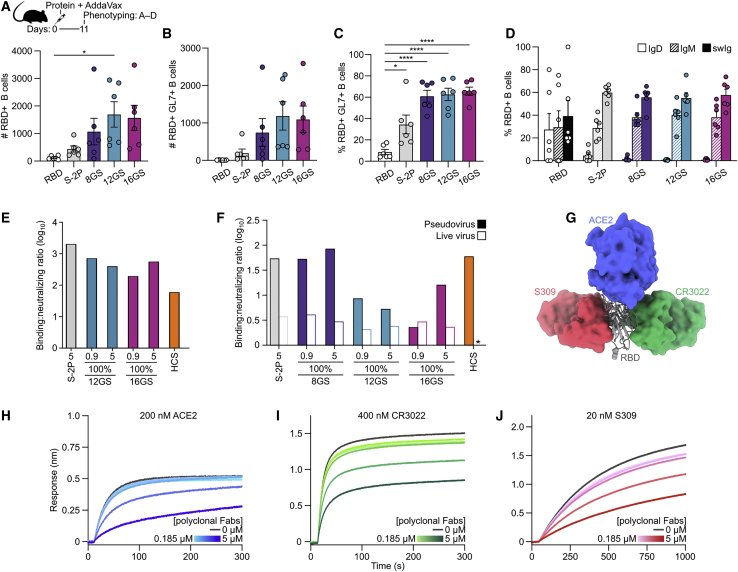
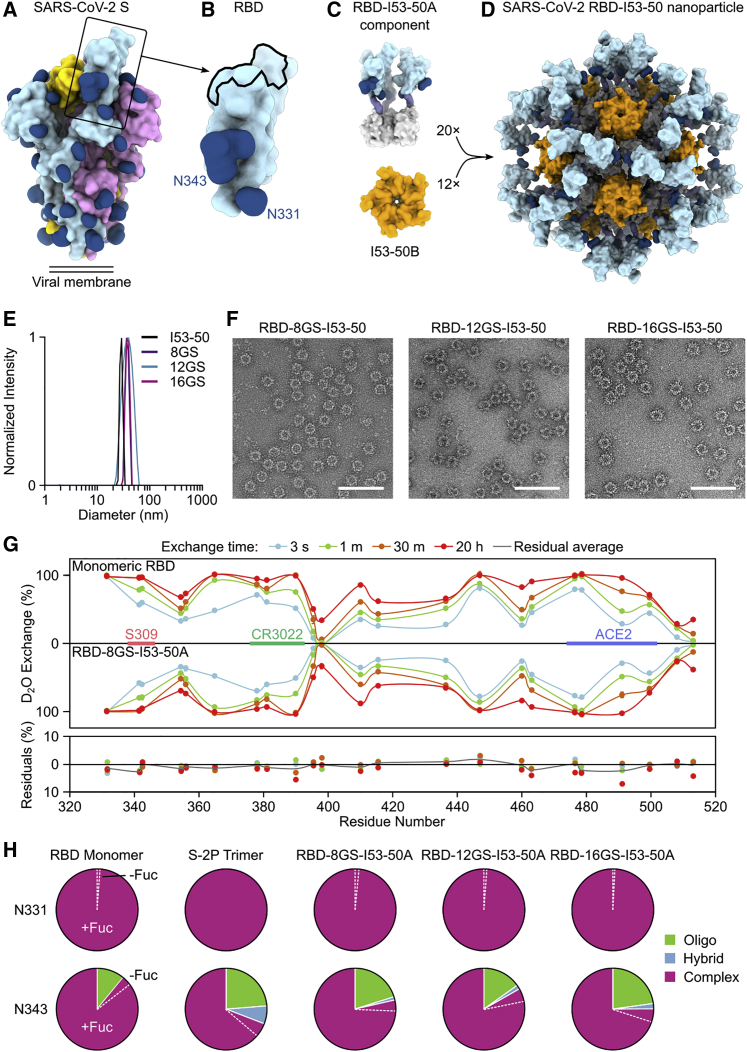
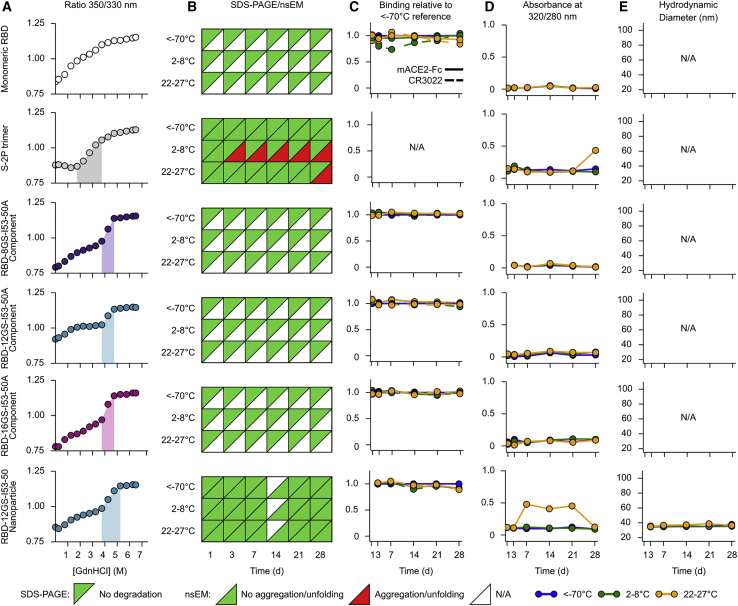
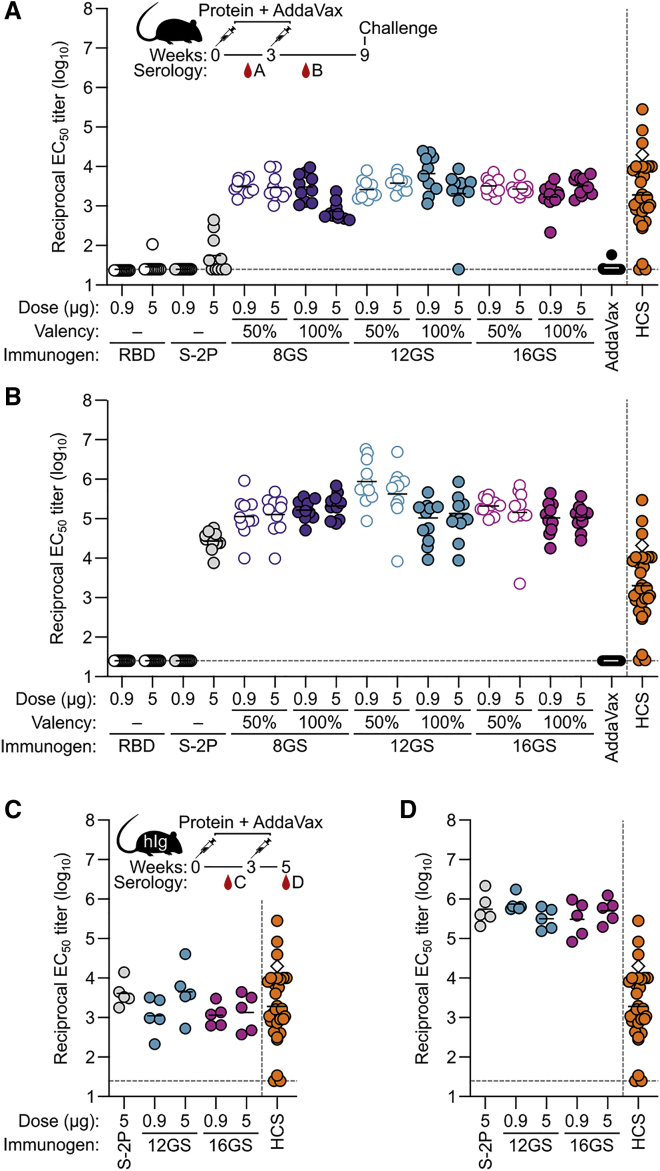
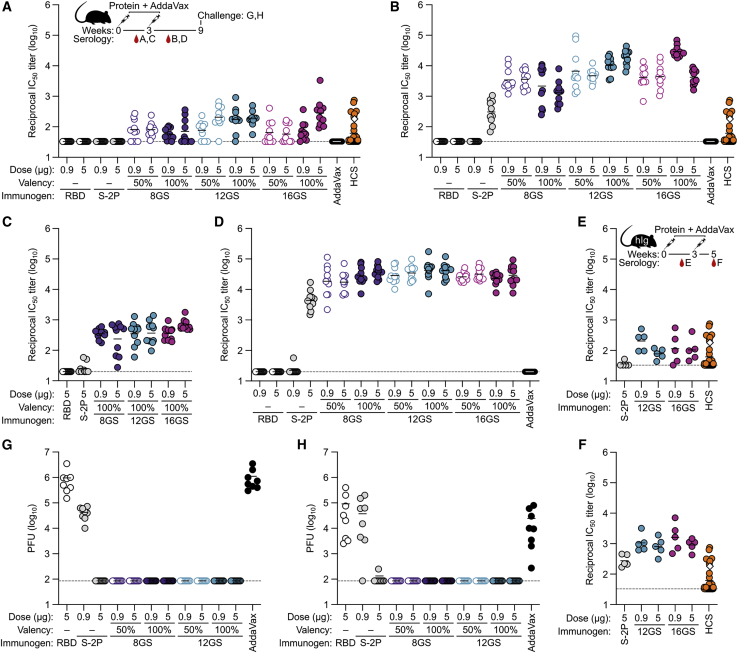
A safe, effective, and scalable vaccine is needed to halt the ongoing SARS-CoV-2 pandemic. We describe the structure-based design of self-assembling protein nanoparticle immunogens that elicit potent and protective antibody responses against SARS-CoV-2 in mice. The nanoparticle vaccines display 60 SARS-CoV-2 spike receptor-binding domains (RBDs) in a highly immunogenic array and induce neutralizing antibody titers 10-fold higher than the prefusion-stabilized spike despite a 5-fold lower dose. Antibodies elicited by the RBD nanoparticles target multiple distinct epitopes, suggesting they may not be easily susceptible to escape mutations, and exhibit a lower binding:neutralizing ratio than convalescent human sera, which may minimize the risk of vaccine-associated enhanced respiratory disease. The high yield and stability of the assembled nanoparticles suggest that manufacture of the nanoparticle vaccines will be highly scalable. These results highlight the utility of robust antigen display platforms and have launched cGMP manufacturing efforts to advance the SARS-CoV-2-RBD nanoparticle vaccine into the clinic.
需要一种安全、有效且可大规模生产的疫苗来阻止当前的 SARS-CoV-2 大流行。我们描述了基于结构设计的自组装蛋白纳米颗粒免疫原,该免疫原在小鼠中引发针对 SARS-CoV-2 的强烈和保护性抗体反应。该纳米颗粒疫苗以高度免疫原性的方式展示了 60 个 SARS-CoV-2 刺突受体结合域(RBD),尽管剂量降低了 5 倍,但诱导的中和抗体滴度仍比预融合稳定的刺突高 10 倍。RBD 纳米颗粒诱导的抗体针对多个不同的表位,表明它们可能不容易发生逃逸突变,并且与恢复期人类血清相比具有更低的结合中和比,这可能最大程度地降低了与疫苗相关的增强呼吸道疾病的风险。组装纳米颗粒的高产量和稳定性表明,该纳米颗粒疫苗的生产具有很高的可扩展性。这些结果突出了稳健抗原展示平台的实用性,并已启动 cGMP 制造工作,将 SARS-CoV-2-RBD 纳米颗粒疫苗推进临床应用。