Demirci Yeliz, Cucun Gokhan, Poyraz Yusuf Kaan, Mohammed Suhaib, Heger Guillaume, Papatheodorou Irene, Ozhan Gunes
İzmir Biomedicine and Genome Center (IBG), Dokuz Eylül University Health Campus, İzmir, Turkey.
İzmir International Biomedicine and Genome Institute (IBG-İzmir), Dokuz Eylül University, İzmir, Turkey.
Front Cell Dev Biol. 2020 Oct 9;8:584604. doi: 10.3389/fcell.2020.584604. eCollection 2020.
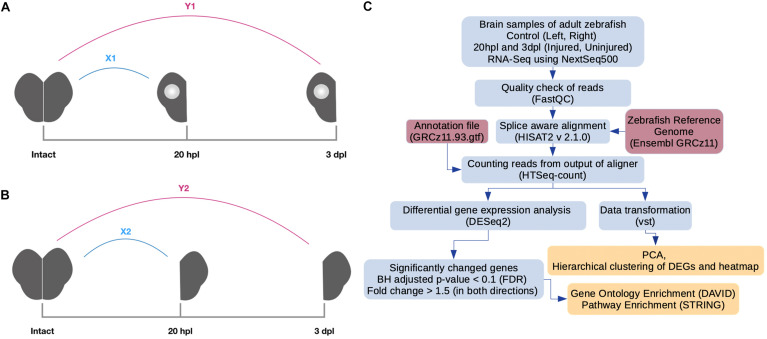
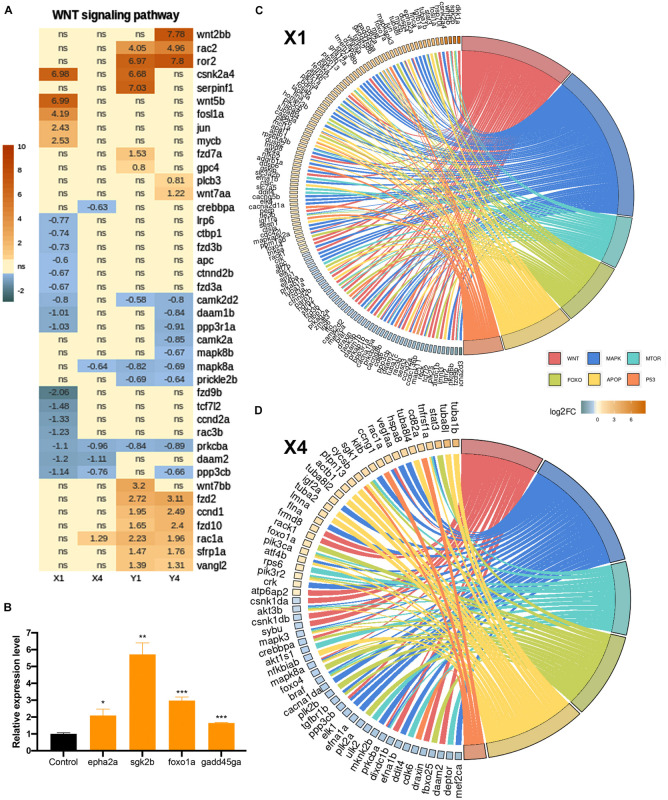
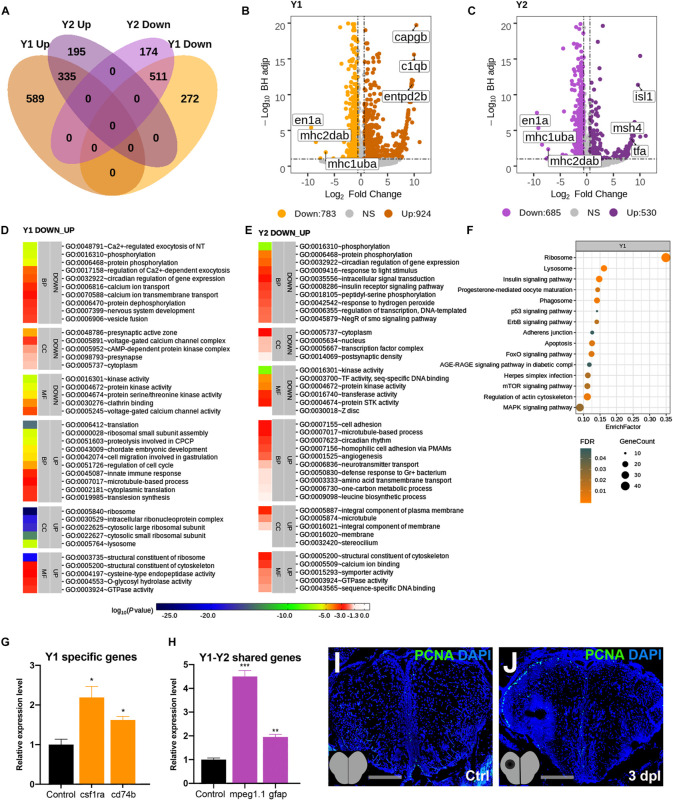
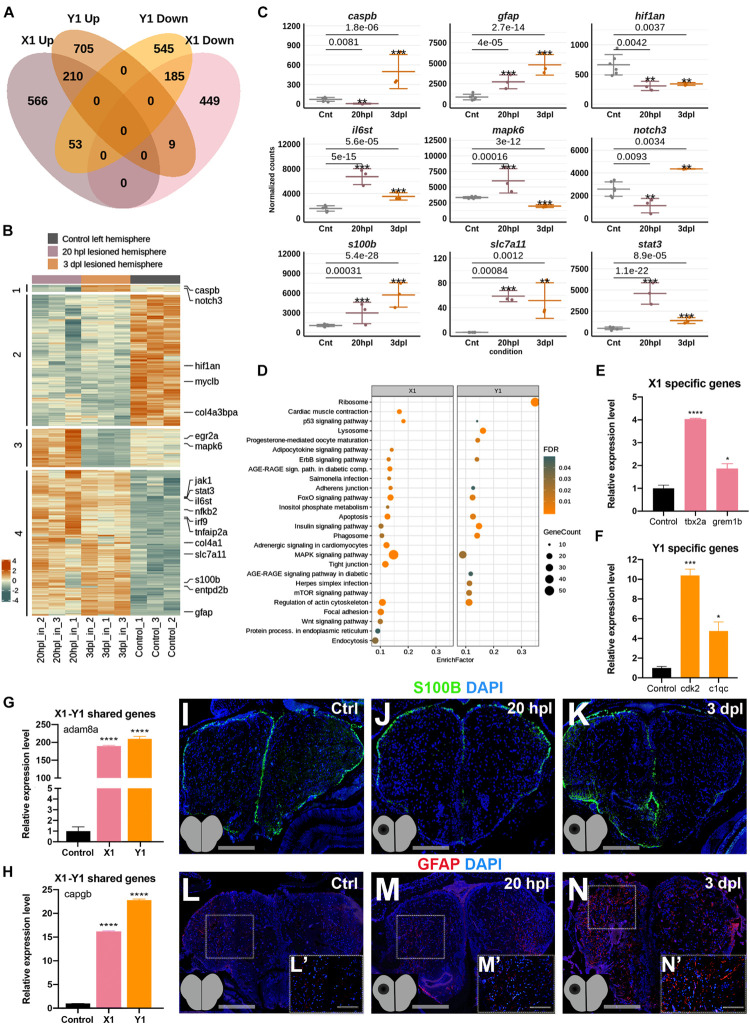
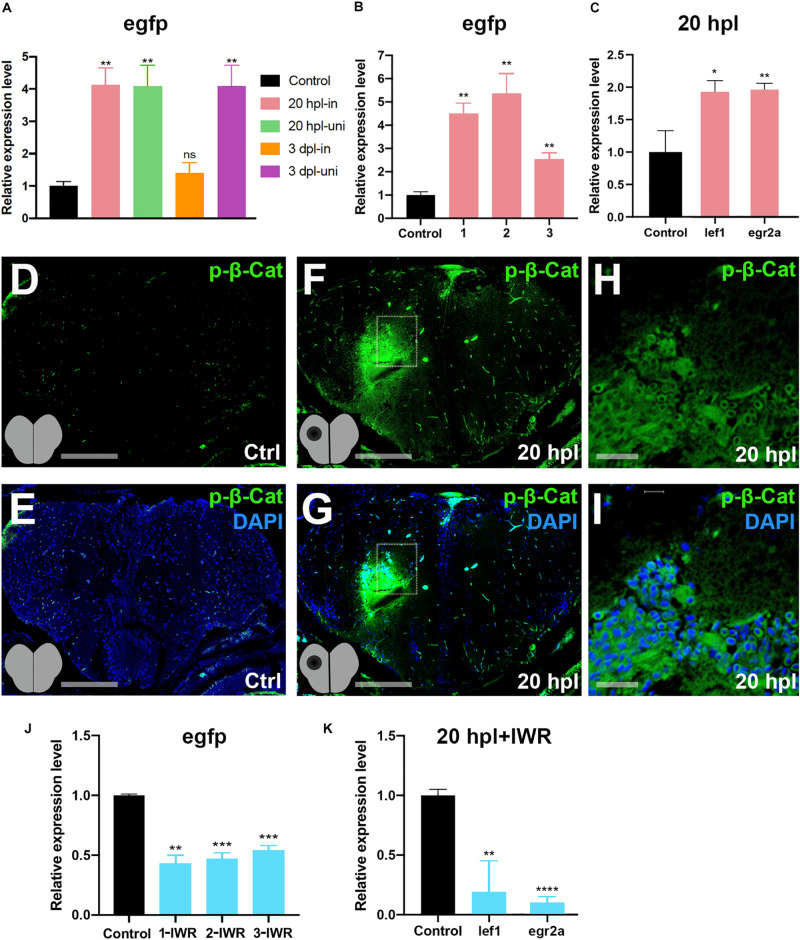
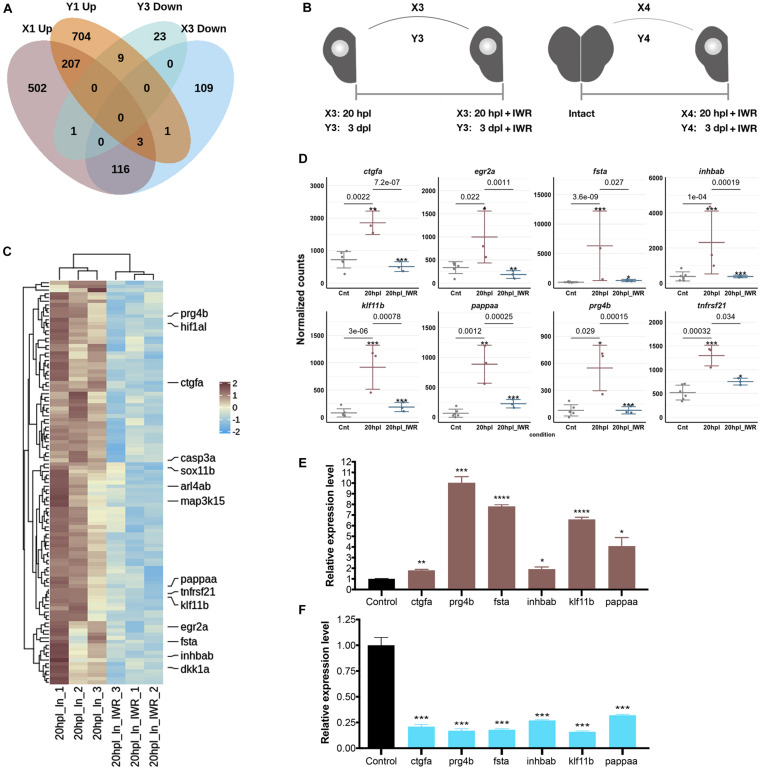
Owing to its pronounced regenerative capacity in many tissues and organs, the zebrafish brain represents an ideal platform to understand the endogenous regeneration mechanisms that restore tissue integrity and function upon injury or disease. Although radial glial and neuronal cell populations have been characterized with respect to specific marker genes, comprehensive transcriptomic profiling of the regenerating telencephalon has not been conducted so far. Here, by processing the lesioned and unlesioned hemispheres of the telencephalon separately, we reveal the differentially expressed genes (DEGs) at the early wound healing and early proliferative stages of regeneration, i.e., 20 h post-lesion (hpl) and 3 days post-lesion (dpl), respectively. At 20 hpl, we detect a far higher number of DEGs in the lesioned hemisphere than in the unlesioned half and only 7% of all DEGs in both halves. However, this difference disappears at 3 dpl, where the lesioned and unlesioned hemispheres share 40% of all DEGs. By performing an extensive comparison of the gene expression profiles in these stages, we unravel that the lesioned hemispheres at 20 hpl and 3 dpl exhibit distinct transcriptional profiles. We further unveil a prominent activation of Wnt/β-catenin signaling at 20 hpl, returning to control level in the lesioned site at 3 dpl. Wnt/β-catenin signaling indeed appears to control a large number of genes associated primarily with the p53, apoptosis, forkhead box O (FoxO), mitogen-activated protein kinase (MAPK), and mammalian target of rapamycin (mTOR) signaling pathways specifically at 20 hpl. Based on these results, we propose that the lesioned and unlesioned hemispheres react to injury dynamically during telencephalon regeneration and that the activation of Wnt/β-catenin signaling at the early wound healing stage plays a key role in the regulation of cellular and molecular events.
由于斑马鱼大脑在许多组织和器官中具有显著的再生能力,它是理解内源性再生机制的理想平台,这些机制可在损伤或疾病后恢复组织完整性和功能。尽管已经根据特定标记基因对放射状胶质细胞和神经元细胞群体进行了表征,但迄今为止尚未对再生端脑进行全面的转录组分析。在这里,通过分别处理端脑的损伤半球和未损伤半球,我们揭示了再生早期伤口愈合和早期增殖阶段(即损伤后20小时(hpl)和损伤后3天(dpl))的差异表达基因(DEG)。在20 hpl时,我们在损伤半球中检测到的DEG数量远高于未损伤半球,且仅占两半中所有DEG的7%。然而,这种差异在3 dpl时消失,此时损伤半球和未损伤半球共享所有DEG的40%。通过对这些阶段的基因表达谱进行广泛比较,我们发现20 hpl和3 dpl时的损伤半球表现出不同的转录谱。我们进一步揭示了Wnt/β-连环蛋白信号在20 hpl时显著激活,在3 dpl时在损伤部位恢复到对照水平。事实上,Wnt/β-连环蛋白信号似乎在20 hpl时特异性地控制了大量主要与p53、凋亡、叉头框O(FoxO)、丝裂原活化蛋白激酶(MAPK)和雷帕霉素哺乳动物靶标(mTOR)信号通路相关的基因。基于这些结果,我们提出在端脑再生过程中,损伤半球和未损伤半球对损伤的反应是动态的,并且在早期伤口愈合阶段Wnt/β-连环蛋白信号的激活在细胞和分子事件的调节中起关键作用。