Gigante Vito, Cinelli Patrizia, Righetti Maria Cristina, Sandroni Marco, Polacco Giovanni, Seggiani Maurizia, Lazzeri Andrea
Inter University Consortium of Material Science and Technology, c/o Unit Department of Civil and Industrial Engineering, University of Pisa, Largo Lucio Lazzarino 1, 56122 Pisa, Italy.
CNR-IPCF, National Research Council-Institute for Chemical and Physical Processes, Via Moruzzi 1, 56124 Pisa, Italy.
Polymers (Basel). 2020 Nov 6;12(11):2615. doi: 10.3390/polym12112615.
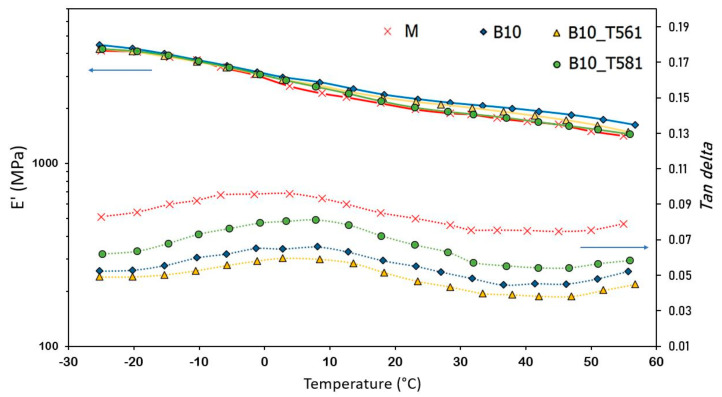
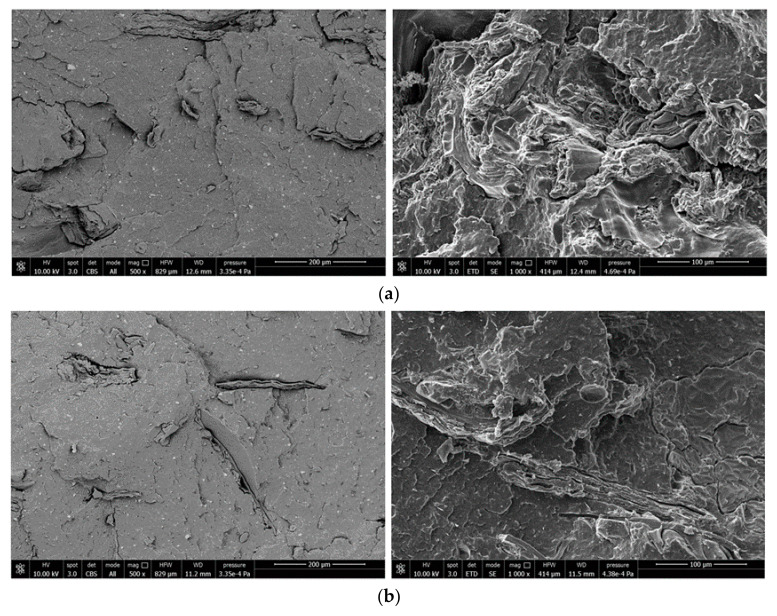
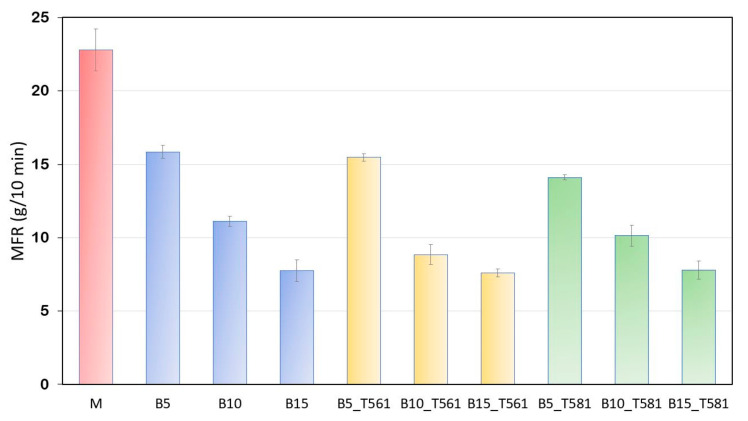
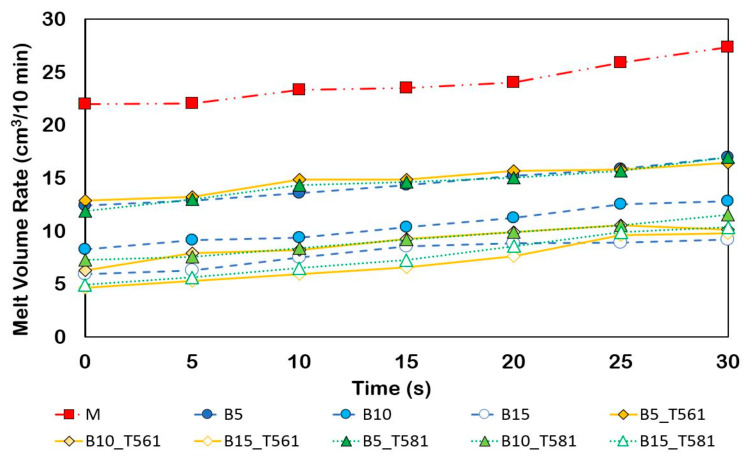
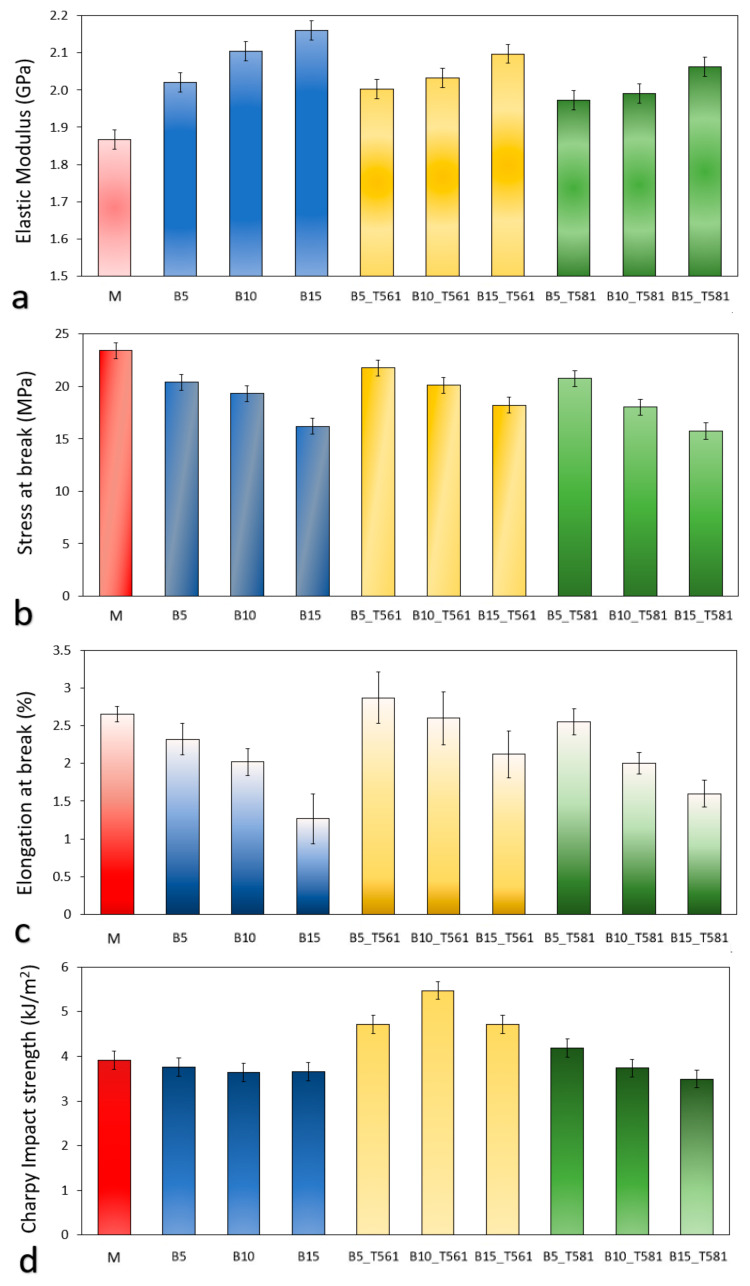
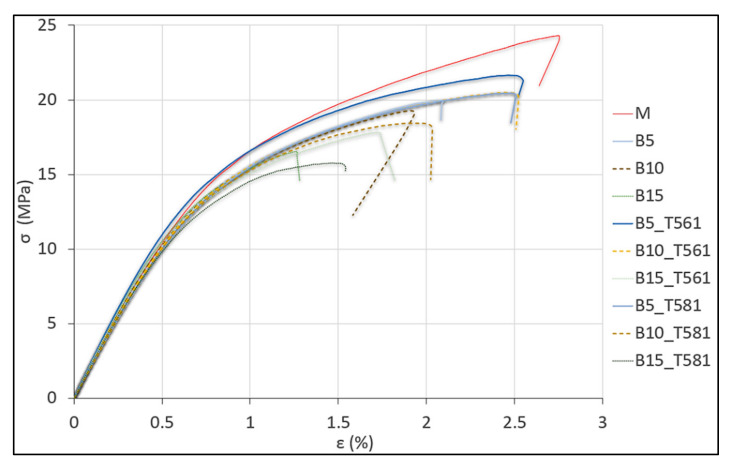
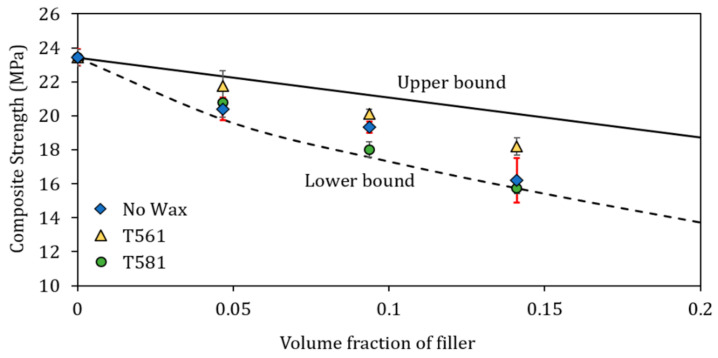
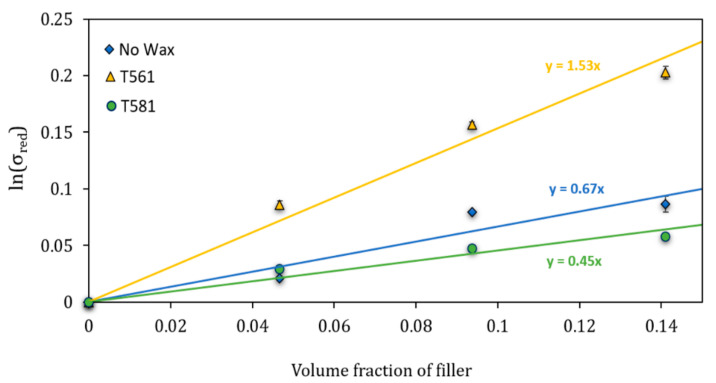
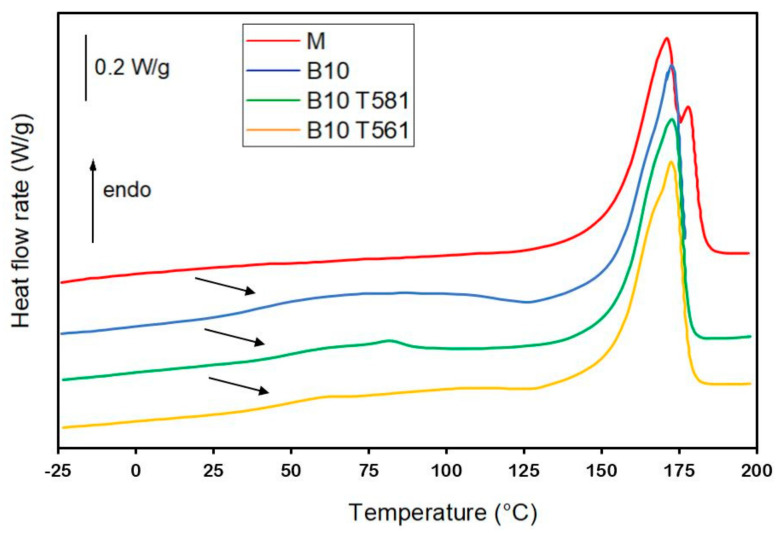
In this work, processability and mechanical performances of bio-composites based on poly(3-hydroxybutyrate-co-3-hydroxyvalerate) (PHBV) containing 5, 10, and 15 wt % of bran fibers, untreated and treated with natural carnauba and bee waxes were evaluated. Wheat bran, the main byproduct of flour milling, was used as filler to reduce the final cost of the PHBV-based composites and, in the same time, to find a potential valorization to this agro-food by-product, widely available at low cost. The results showed that the wheat bran powder did not act as reinforcement, but as filler for PHBV, due to an unfavorable aspect ratio of the particles and poor adhesion with the polymeric matrix, with consequent moderate loss in mechanical properties (tensile strength and elongation at break). The surface treatment of the wheat bran particles with waxes, and in particular with beeswax, was found to improve the mechanical performance in terms of tensile properties and impact resistance of the composites, enhancing the adhesion between the PHBV-based polymeric matrix and the bran fibers, as confirmed by predictive analytic models and dynamic mechanical analysis results.
在这项工作中,对基于聚(3-羟基丁酸酯-co-3-羟基戊酸酯)(PHBV)的生物复合材料的加工性能和机械性能进行了评估,该复合材料含有5%、10%和15%(重量)的麸皮纤维,麸皮纤维未经处理以及经过天然巴西棕榈蜡和蜂蜡处理。小麦麸皮是面粉加工的主要副产品,用作填料以降低基于PHBV的复合材料的最终成本,同时为这种广泛可得且成本低廉的农业食品副产品寻找潜在的增值利用途径。结果表明,由于颗粒的长径比不利且与聚合物基体的粘附性差,小麦麸皮粉并未起到增强作用,而是充当了PHBV的填料,导致机械性能(拉伸强度和断裂伸长率)出现一定程度的损失。发现用蜡,特别是用蜂蜡对小麦麸皮颗粒进行表面处理,可改善复合材料在拉伸性能和抗冲击性方面的机械性能,增强基于PHBV的聚合物基体与麸皮纤维之间的粘附性,预测分析模型和动态力学分析结果证实了这一点。