Xu Xiao, Xu Limei, Zhang Peng, Ouyang Kan, Xiao Yin, Xiong Jianyi, Wang Daping, Liang Yujie, Duan Li
Department of Orthopedics, Shenzhen Intelligent Orthopaedics and Biomedical Innovation Platform, Guangdong Artificial Intelligence Biomedical Innovation Platform, Shenzhen Second People's Hospital, The First Affiliated Hospital of Shenzhen University Health Science Center, Shenzhen, Guangdong 518035, China.
Shenzhen Institute of Advanced Technology, Chinese Academy of Sciences, Shenzhen, Guangdong 518055, China.
Oxid Med Cell Longev. 2020 Oct 29;2020:8865499. doi: 10.1155/2020/8865499. eCollection 2020.
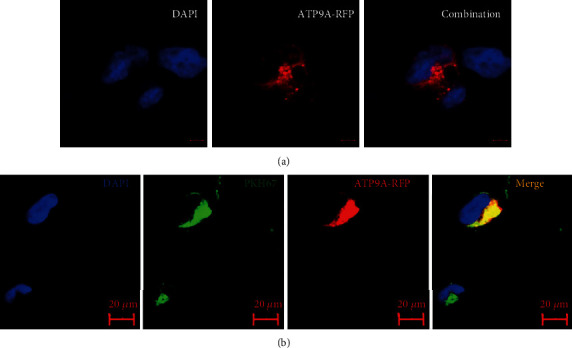
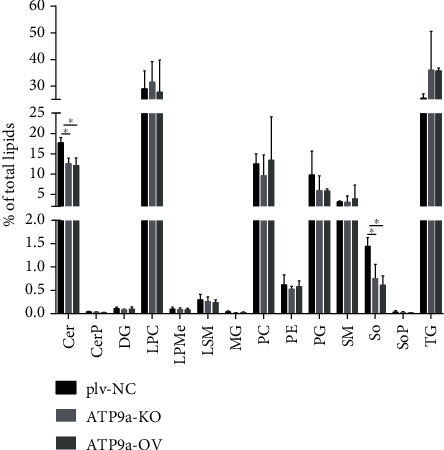
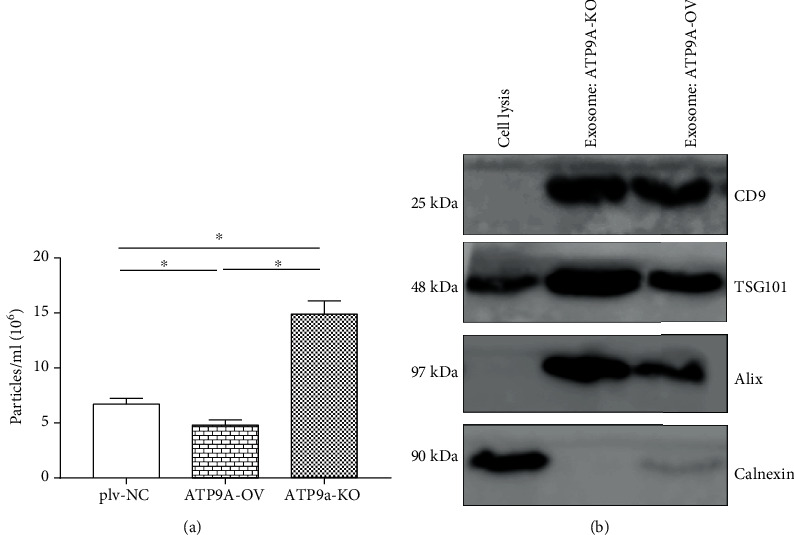
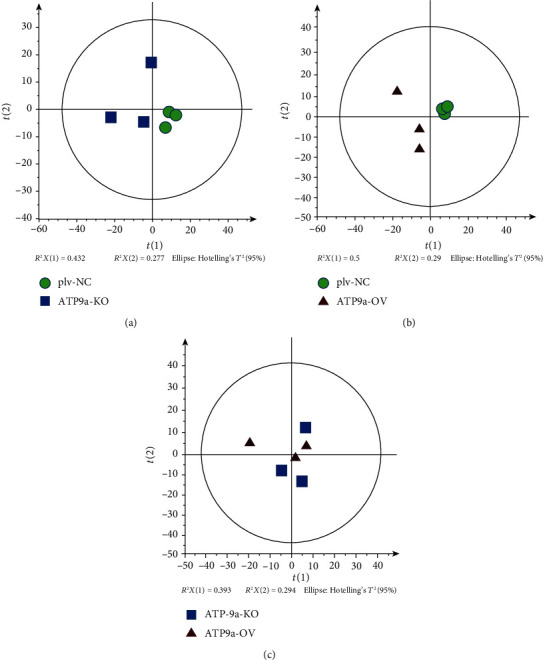
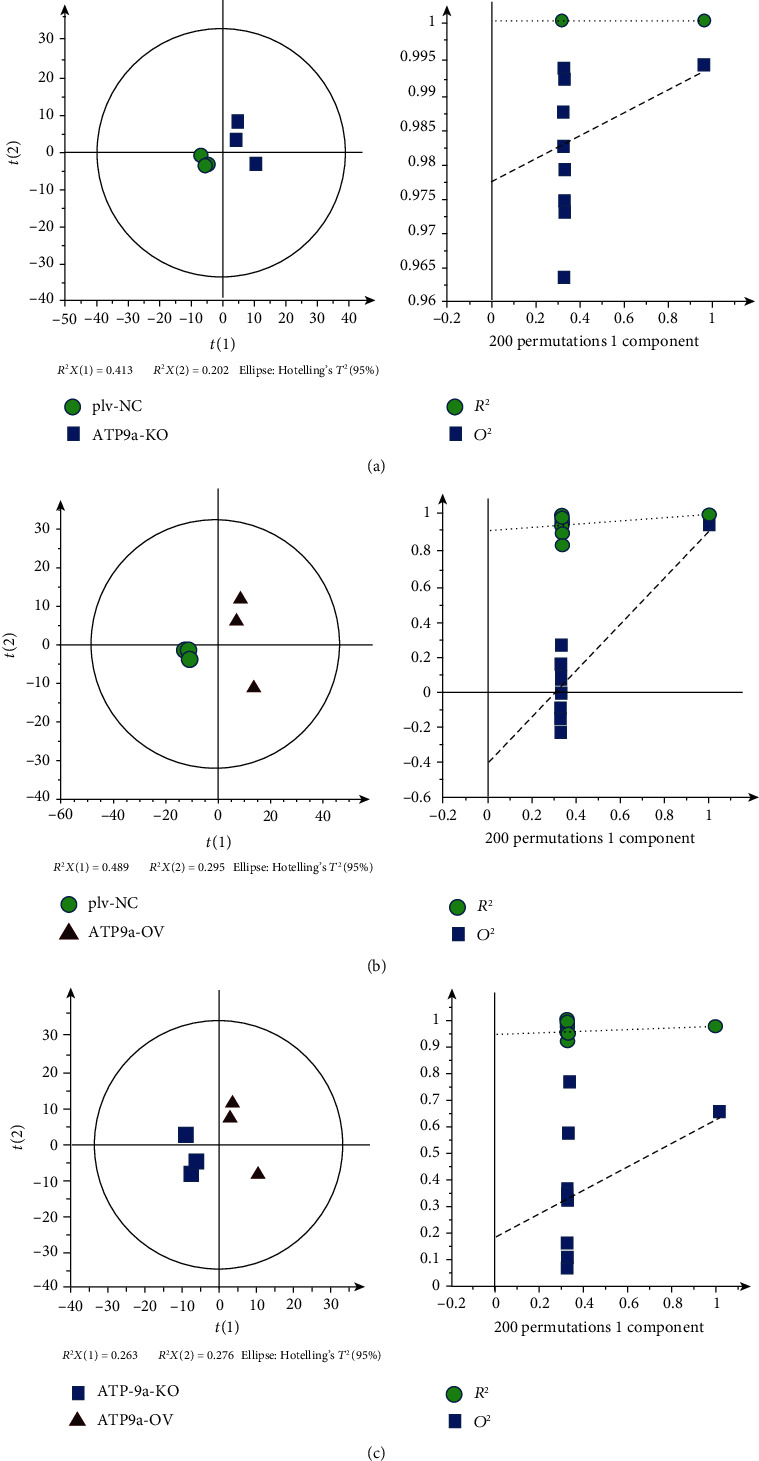
Numerous biological processes are regulated by the intercellular communications arising from extracellular vesicles (EVs) released from cells. However, the mechanisms that regulate the quantity of EV discharged have yet to be understood. While it is known that ATP9A, a P4-ATPase, is involved in endosomal recycling, it is not clear whether it also contributes to the release of EVs and the makeup of exosomal lipids. This study is aimed at exploring the role of human ATP9A in the process of EV release and, further, to analyze the profiles of EV lipids regulated by ATP9A. Our results demonstrate that ATP9A is located in both the intracellular compartments and the plasma membrane. The percentage of ceramides and sphingosine was found to be significantly greater in the control cells than in the ATP9A overexpression and ATP9A knockout groups. However, EV release was greater in ATP9A knockout cells, indicating that ATP9A inhibits the release of EVs. This study revealed the effects of ATP9A on the release of EVs and the lipid composition of exosomes.
许多生物过程受细胞释放的细胞外囊泡(EV)介导的细胞间通讯调控。然而,调节EV释放量的机制尚不清楚。虽然已知P4-ATP酶ATP9A参与内体循环,但尚不清楚它是否也有助于EV的释放和外泌体脂质的组成。本研究旨在探索人ATP9A在EV释放过程中的作用,并进一步分析由ATP9A调节的EV脂质谱。我们的结果表明,ATP9A位于细胞内区室和质膜中。发现对照细胞中神经酰胺和鞘氨醇的百分比显著高于ATP9A过表达和ATP9A敲除组。然而,ATP9A敲除细胞中的EV释放量更大,表明ATP9A抑制EV的释放。本研究揭示了ATP9A对EV释放和外泌体脂质组成的影响。