PrecisionLife Ltd, Long Hanborough, Oxford, UK.
J Transl Med. 2022 Dec 14;20(1):598. doi: 10.1186/s12967-022-03815-8.
Myalgic encephalomyelitis/chronic fatigue syndrome (ME/CFS) is a debilitating chronic disease that lacks known pathogenesis, distinctive diagnostic criteria, and effective treatment options. Understanding the genetic (and other) risk factors associated with the disease would begin to help to alleviate some of these issues for patients.
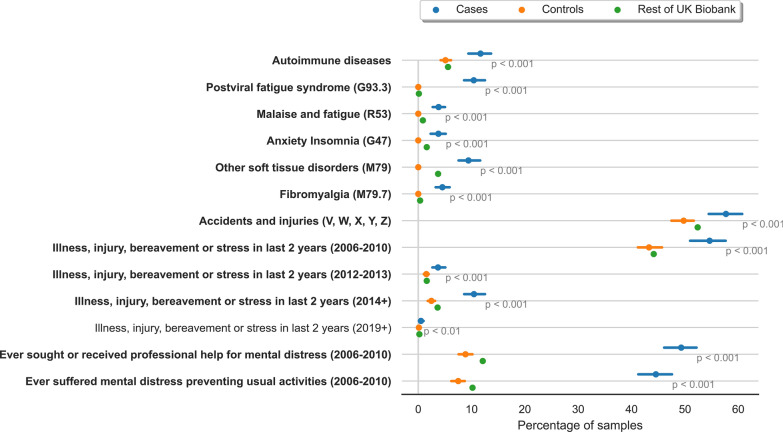
We applied both GWAS and the PrecisionLife combinatorial analytics platform to analyze ME/CFS cohorts from UK Biobank, including the Pain Questionnaire cohort, in a case-control design with 1000 cycles of fully random permutation. Results from this study were supported by a series of replication and cohort comparison experiments, including use of disjoint Verbal Interview CFS, post-viral fatigue syndrome and fibromyalgia cohorts also derived from UK Biobank, and compared results for overlap and reproducibility.
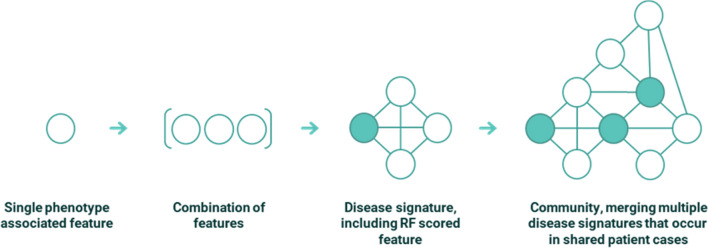
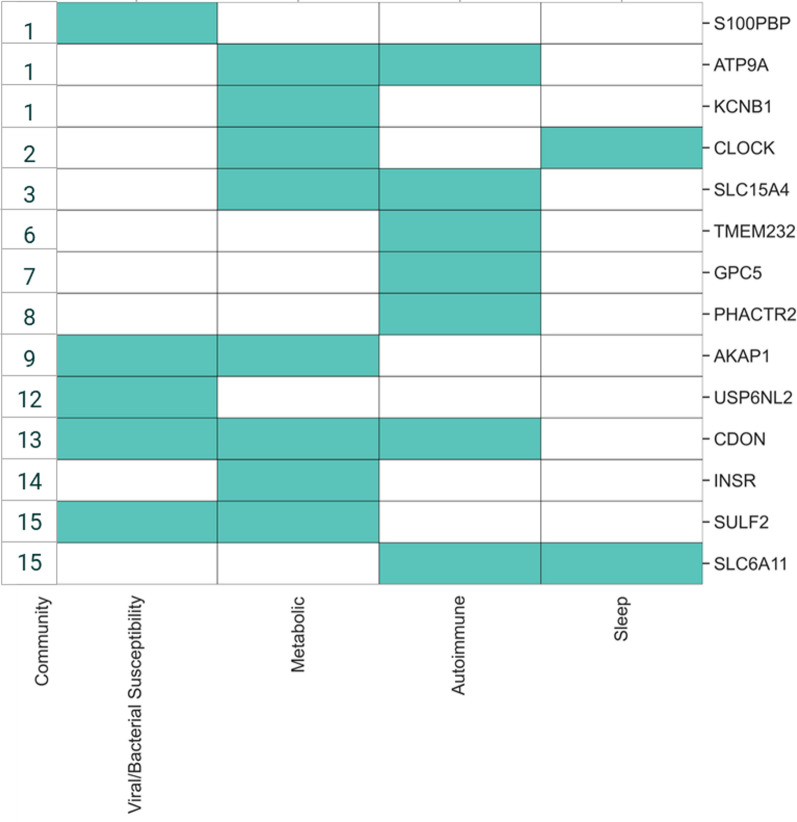
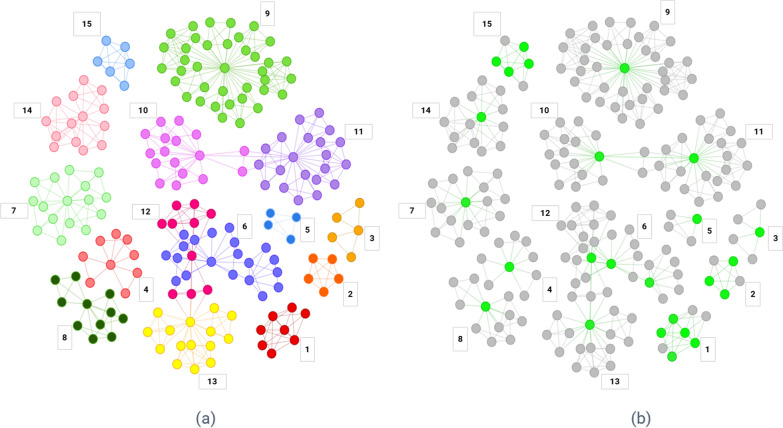
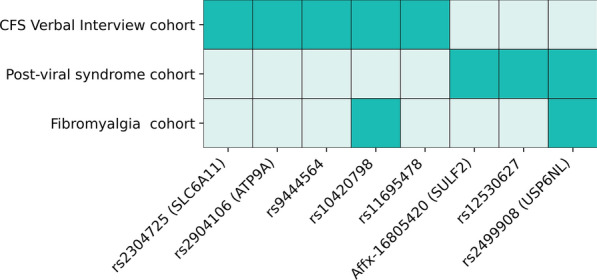
Combinatorial analysis revealed 199 SNPs mapping to 14 genes that were significantly associated with 91% of the cases in the ME/CFS population. These SNPs were found to stratify by shared cases into 15 clusters (communities) made up of 84 high-order combinations of between 3 and 5 SNPs. p-values for these communities range from 2.3 × 10 to 1.6 × 10. Many of the genes identified are linked to the key cellular mechanisms hypothesized to underpin ME/CFS, including vulnerabilities to stress and/or infection, mitochondrial dysfunction, sleep disturbance and autoimmune development. We identified 3 of the critical SNPs replicated in the post-viral fatigue syndrome cohort and 2 SNPs replicated in the fibromyalgia cohort. We also noted similarities with genes associated with multiple sclerosis and long COVID, which share some symptoms and potentially a viral infection trigger with ME/CFS.
This study provides the first detailed genetic insights into the pathophysiological mechanisms underpinning ME/CFS and offers new approaches for better diagnosis and treatment of patients.
肌痛性脑脊髓炎/慢性疲劳综合征(ME/CFS)是一种使人虚弱的慢性疾病,其发病机制、独特的诊断标准和有效的治疗方法尚不清楚。了解与该疾病相关的遗传(和其他)风险因素将有助于缓解患者的一些问题。
我们应用全基因组关联分析(GWAS)和 PrecisionLife 组合分析平台,对来自英国生物库的 ME/CFS 队列(包括疼痛问卷队列)进行病例对照设计分析,采用 1000 次完全随机置换的全基因组关联分析。这项研究的结果得到了一系列复制和队列比较实验的支持,包括使用来自英国生物库的不相交的言语访谈慢性疲劳综合征、病毒性疲劳综合征和纤维肌痛队列,并比较了重叠和可重复性的结果。
组合分析显示,有 199 个 SNP 映射到 14 个基因,这些基因与 ME/CFS 人群中的 91%的病例显著相关。这些 SNP 被发现通过共享病例分为 15 个聚类(社区),由 3 到 5 个 SNP 之间的 84 个高阶组合组成。这些社区的 p 值范围从 2.3×10 到 1.6×10。鉴定出的许多基因与假设为 ME/CFS 提供基础的关键细胞机制有关,包括对压力和/或感染、线粒体功能障碍、睡眠障碍和自身免疫发展的脆弱性。我们在病毒性疲劳综合征队列中复制了 3 个关键 SNP,在纤维肌痛队列中复制了 2 个 SNP。我们还注意到与多发性硬化症和长新冠相关的基因的相似性,它们与 ME/CFS 有一些共同的症状和潜在的病毒感染触发因素。
这项研究首次详细地揭示了 ME/CFS 潜在的病理生理机制中的遗传见解,并为更好地诊断和治疗患者提供了新的方法。