Peticone Carlotta, Thompson David De Silva, Dimov Nikolay, Jevans Ben, Glass Nick, Micheletti Martina, Knowles Jonathan C, Kim Hae-Won, Cooper-White Justin J, Wall Ivan B
Department of Biochemical Engineering, University College London, London, UK.
Centre for Engineering Research, University of Hertfordshire, Hatfield, Hertfordshire, UK.
J Tissue Eng. 2020 Oct 24;11:2041731420954712. doi: 10.1177/2041731420954712. eCollection 2020 Jan-Dec.
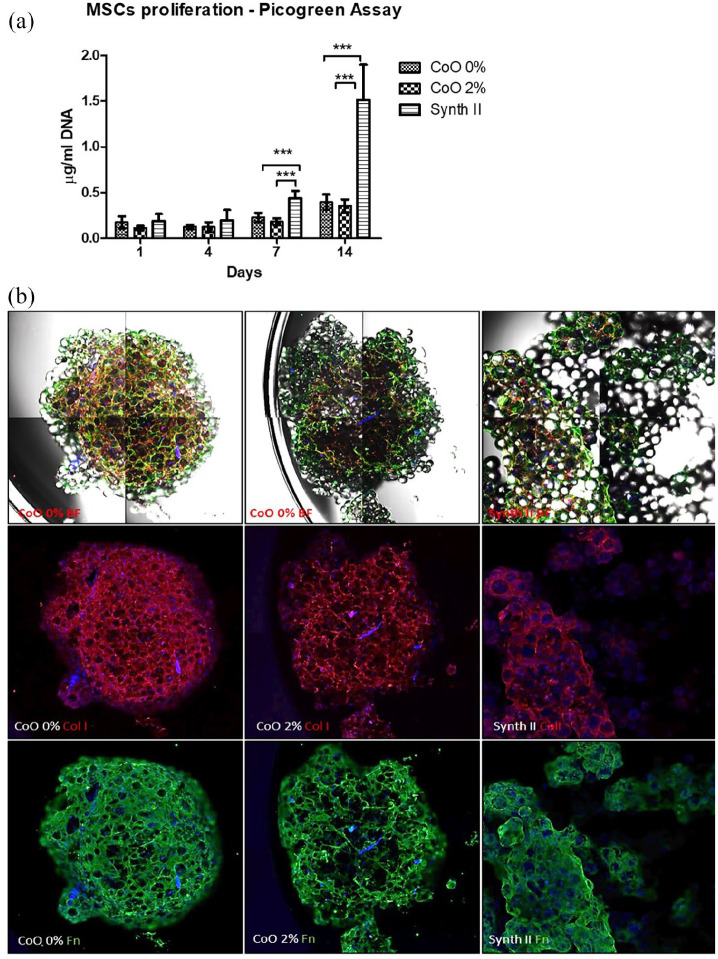
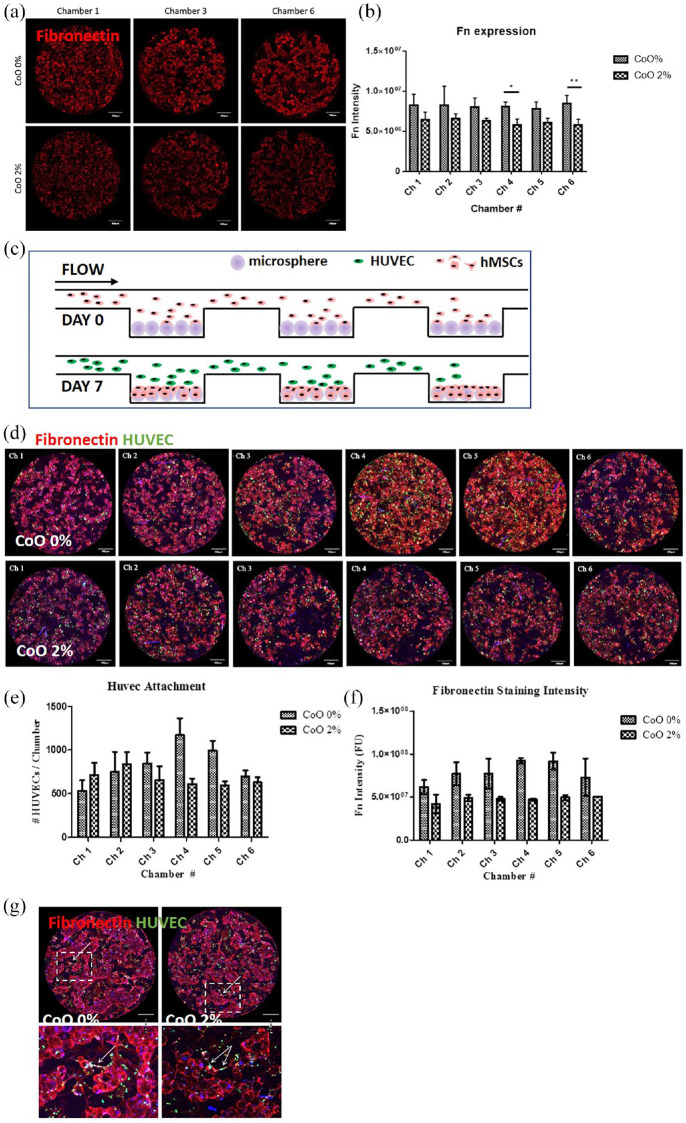
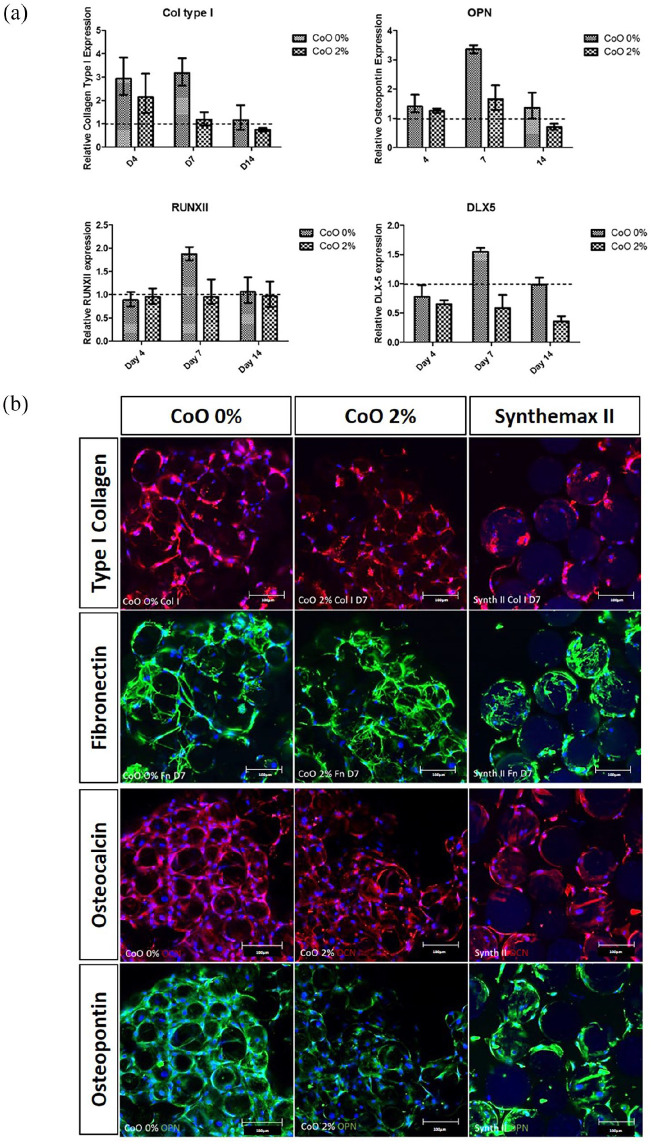
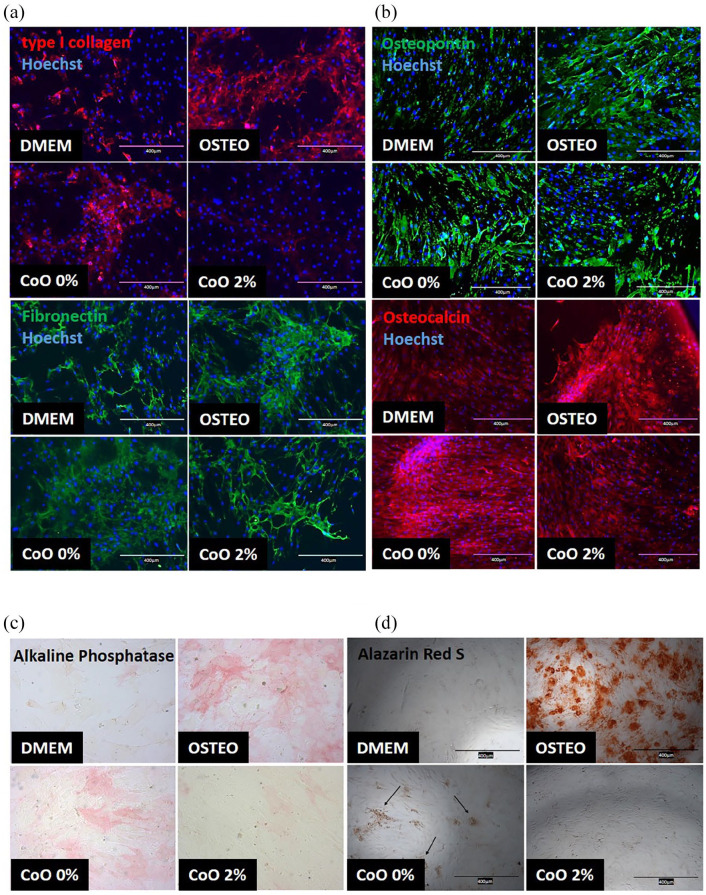
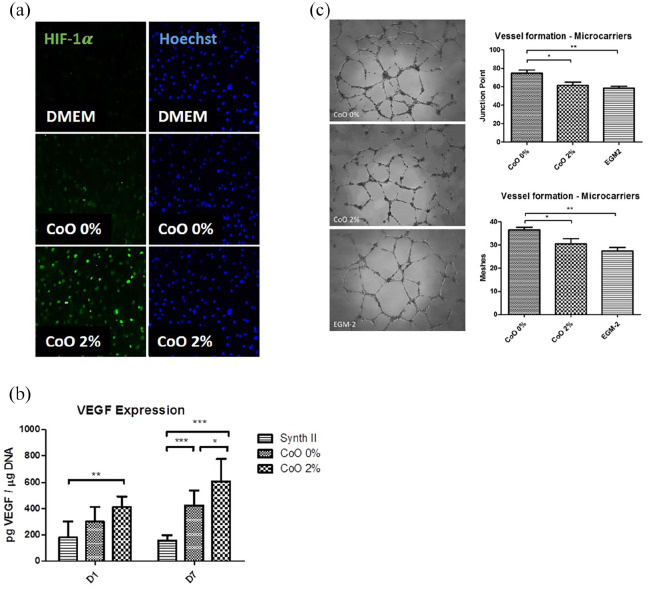
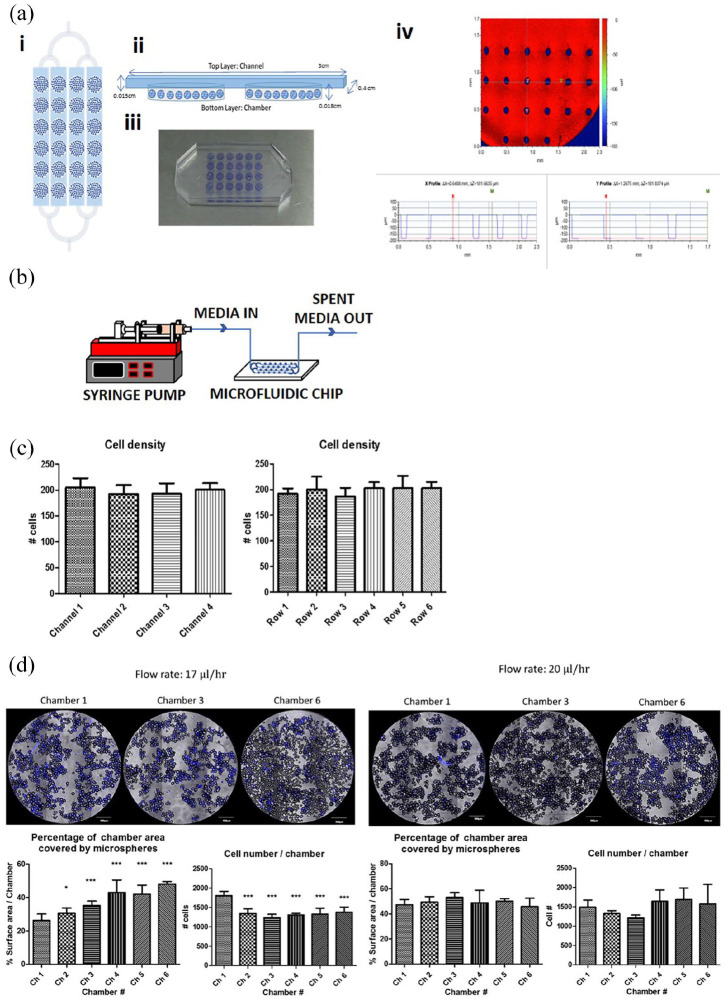
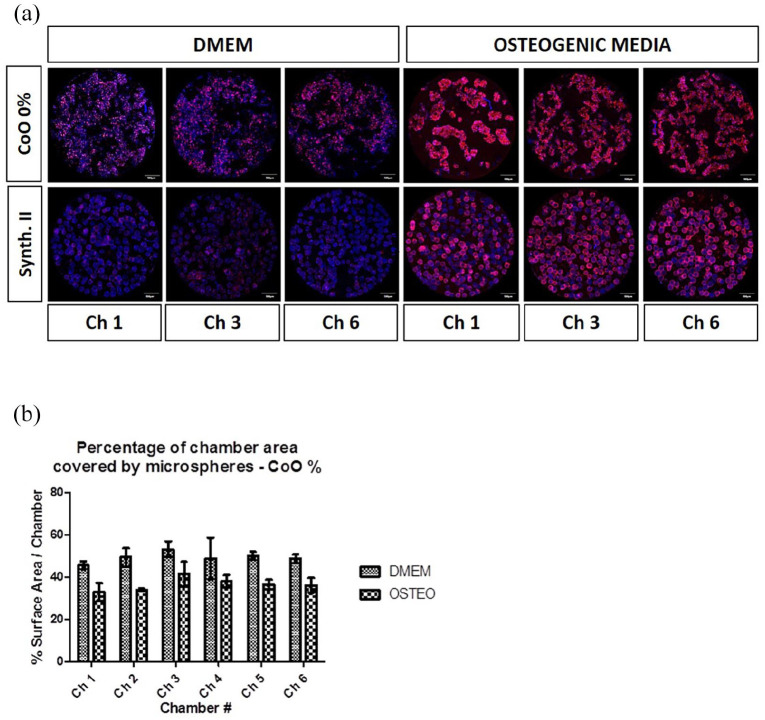
Using microspherical scaffolds as building blocks to repair bone defects of specific size and shape has been proposed as a tissue engineering strategy. Here, phosphate glass (PG) microcarriers doped with 5 mol % TiO and either 0 mol % CoO (CoO 0%) or 2 mol % CoO (CoO 2%) were investigated for their ability to support osteogenic and vascular responses of human mesenchymal stem cells (hMSCs). Together with standard culture techniques, cell-material interactions were studied using a novel perfusion microfluidic bioreactor that enabled cell culture on microspheres, along with automated processing and screening of culture variables. While titanium doping was found to support hMSCs expansion and differentiation, as well as endothelial cell-derived vessel formation, additional doping with cobalt did not improve the functionality of the microspheres. Furthermore, the microfluidic bioreactor enabled screening of culture parameters for cell culture on microspheres that could be potentially translated to a scaled-up system for tissue-engineered bone manufacturing.
使用微球支架作为构建模块来修复特定尺寸和形状的骨缺损已被提出作为一种组织工程策略。在此,研究了掺杂5 mol% TiO且CoO含量为0 mol%(CoO 0%)或2 mol% CoO(CoO 2%)的磷酸盐玻璃(PG)微载体支持人间充质干细胞(hMSCs)成骨和血管反应的能力。结合标准培养技术,使用新型灌注微流控生物反应器研究细胞与材料的相互作用,该反应器能够在微球上进行细胞培养,并能自动处理和筛选培养变量。虽然发现钛掺杂能支持hMSCs的扩增和分化以及内皮细胞衍生血管的形成,但额外的钴掺杂并未改善微球的功能。此外,微流控生物反应器能够筛选微球上细胞培养的培养参数,这些参数有可能转化为用于组织工程骨制造的放大系统。