Carrasco-Pozo Catalina, Tan Kah Ni, Avery Vicky M
Discovery Biology, Griffith Institute for Drug Discovery, Griffith University, Nathan, Brisbane 4111, Queensland, Australia.
CRC for Cancer Therapeutics, Griffith University, Nathan, Brisbane 4111, Queensland, Australia.
Antioxidants (Basel). 2020 Nov 11;9(11):1109. doi: 10.3390/antiox9111109.
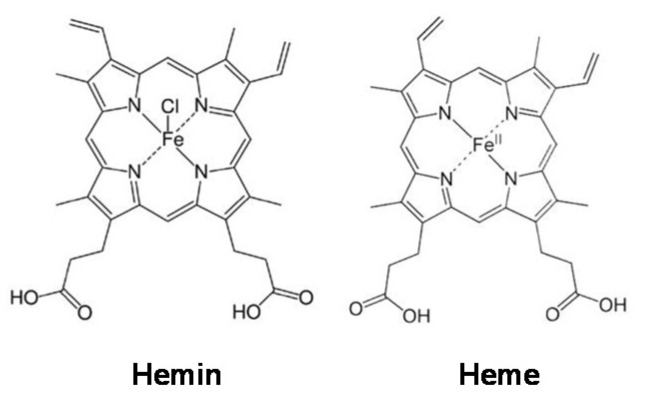
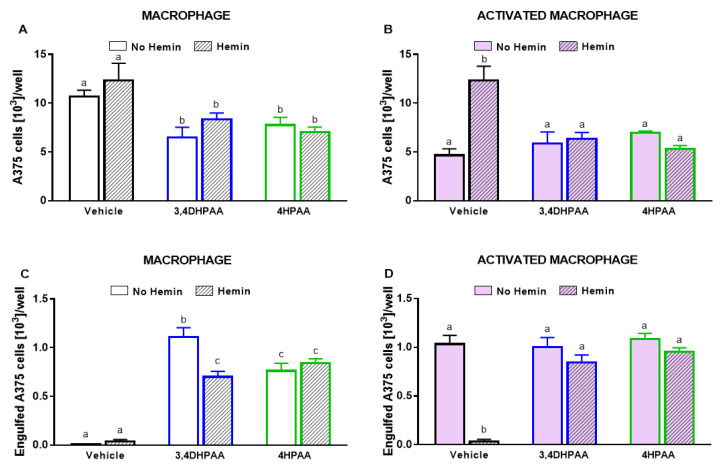
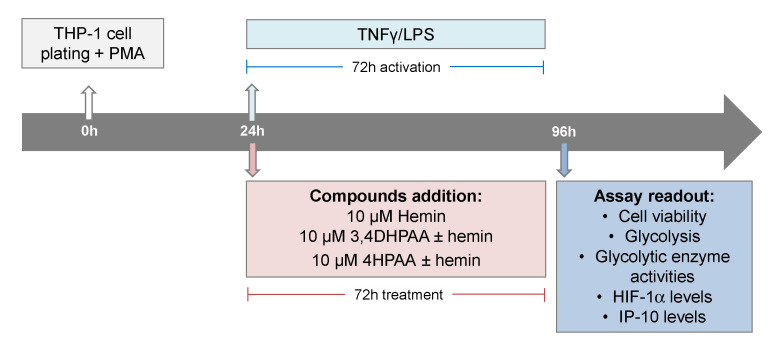
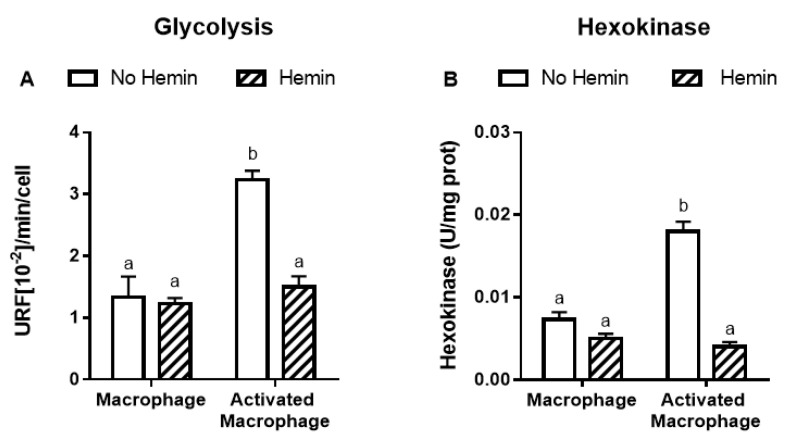
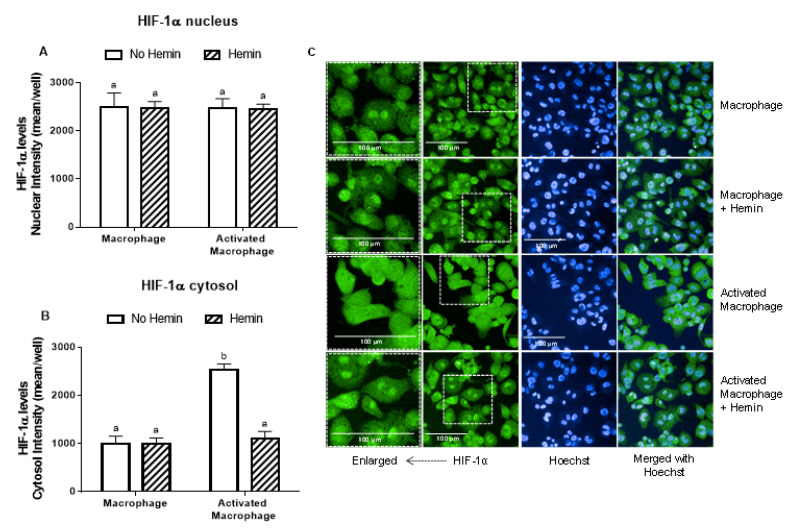
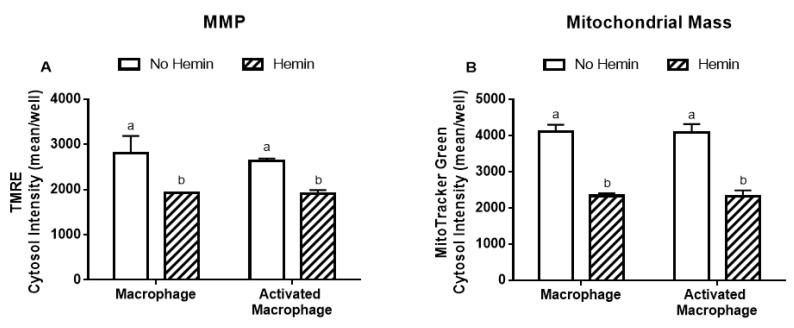
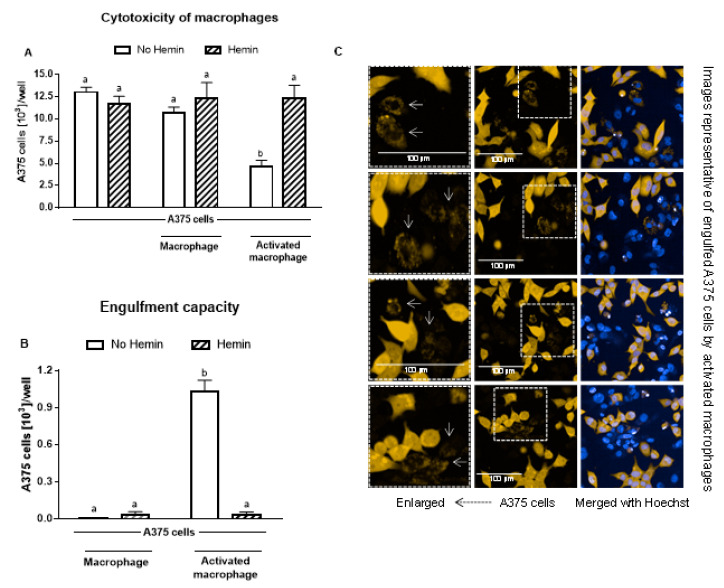
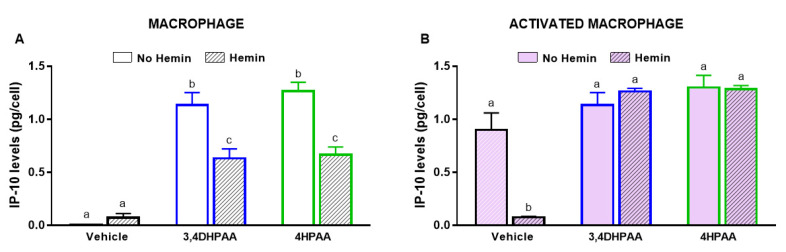
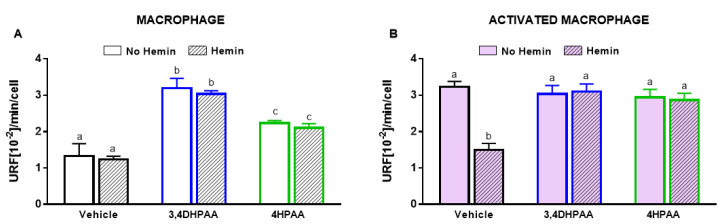
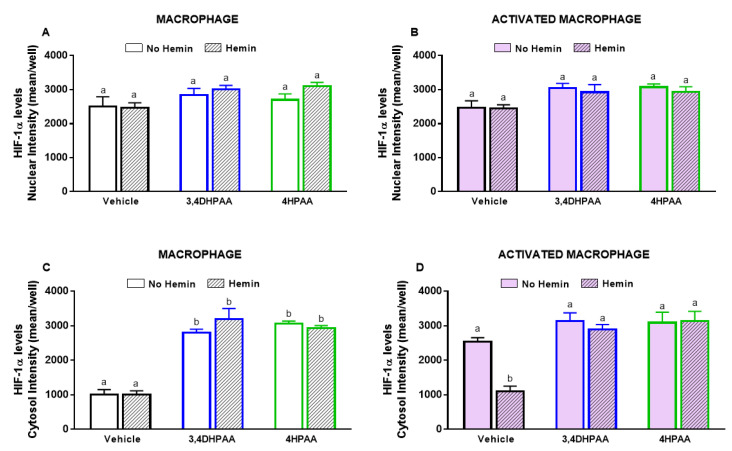
Meat consumption plays a critical role in the development of several types of cancer. Hemin, a metabolite of myoglobin produced after meat intake, has been demonstrated to be involved in the cancer initiation phase. Macrophages are key components of the innate immunity, which, upon activation, can prevent cancer development by eliminating neoplastic cells. Metabolic reprogramming, characterized by high glycolysis and low oxidative phosphorylation, is critical for macrophage activation. 3,4-dihydroxyphenylacetic acid (3,4DHPAA) and 4-hydroxyphenylacetic acid (4HPAA), both microbiota-derived metabolites of flavonoids, have not been extensively studied although they exert antioxidant properties. The aim of this study was to determine the effect of hemin on the anticancer properties of macrophages and the role of 3,4DHPAA and 4HPAA in metabolic reprogramming and activation of macrophages leading to the elimination of cancer cells. The results showed that hemin inhibited glycolysis, glycolytic, and pentose phosphate pathway (PPP) enzyme activities and hypoxia-inducible factor-1 alpha (HIF-1α) stabilization, which interferes with macrophage activation (evidenced by decreased interferon-γ-inducible protein 10 (IP-10) release) and their ability to eliminate cancer cells (via cytotoxic mediators and phagocytosis). Hemin also reduced the mitochondrial membrane potential (MMP) and mitochondrial mass in macrophages. 3,4DHPAA and 4HPAA, by stimulating glycolysis and PPP, prevented the impairment of the macrophage anticancer activity induced by hemin. In conclusion, 3,4HPAA and 4HPAA administration could represent a promising strategy for preventing the reduction of macrophage activation induced by hemin.
肉类消费在多种癌症的发展过程中起着关键作用。血红素是肉类摄入后产生的肌红蛋白代谢产物,已被证明参与癌症起始阶段。巨噬细胞是先天免疫的关键组成部分,激活后可通过清除肿瘤细胞来预防癌症发展。以高糖酵解和低氧化磷酸化为特征的代谢重编程对巨噬细胞激活至关重要。3,4-二羟基苯乙酸(3,4DHPAA)和4-羟基苯乙酸(4HPAA)均为微生物群衍生的类黄酮代谢产物,尽管它们具有抗氧化特性,但尚未得到广泛研究。本研究的目的是确定血红素对巨噬细胞抗癌特性的影响,以及3,4DHPAA和4HPAA在导致癌细胞清除的巨噬细胞代谢重编程和激活中的作用。结果表明,血红素抑制糖酵解、糖酵解和磷酸戊糖途径(PPP)酶活性以及缺氧诱导因子-1α(HIF-1α)的稳定,这会干扰巨噬细胞激活(通过干扰素-γ诱导蛋白10(IP-10)释放减少证明)及其清除癌细胞的能力(通过细胞毒性介质和吞噬作用)。血红素还降低了巨噬细胞的线粒体膜电位(MMP)和线粒体质量。3,4DHPAA和4HPAA通过刺激糖酵解和PPP,防止了血红素诱导的巨噬细胞抗癌活性受损。总之,给予3,4HPAA和4HPAA可能是一种有前景的策略,可防止血红素诱导的巨噬细胞激活减少。