El Hassab Mahmoud A, Shoun Aly A, Al-Rashood Sara T, Al-Warhi Tarfah, Eldehna Wagdy M
Department of Pharmaceutical Chemistry, School of Pharmacy, Badr University in Cairo (BUC), Cairo, Egypt.
Department of Microbiology and Immunology, Faculty of Pharmacy, Damanhour University, Damanhour, Egypt.
Front Chem. 2020 Oct 30;8:584894. doi: 10.3389/fchem.2020.584894. eCollection 2020.
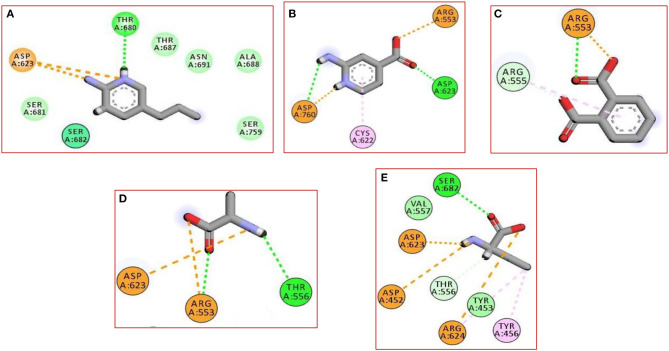
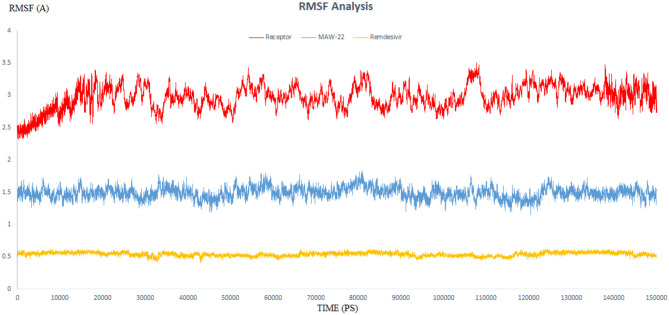
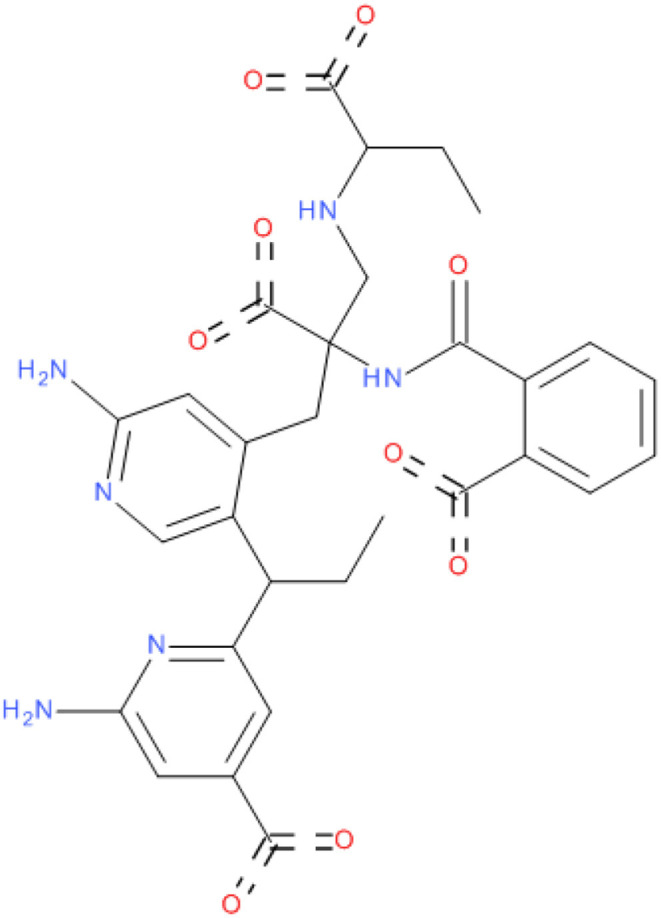
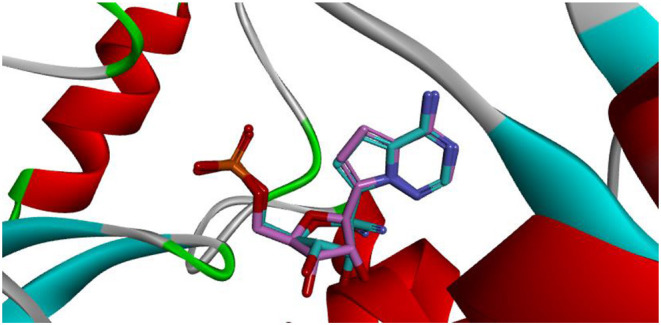
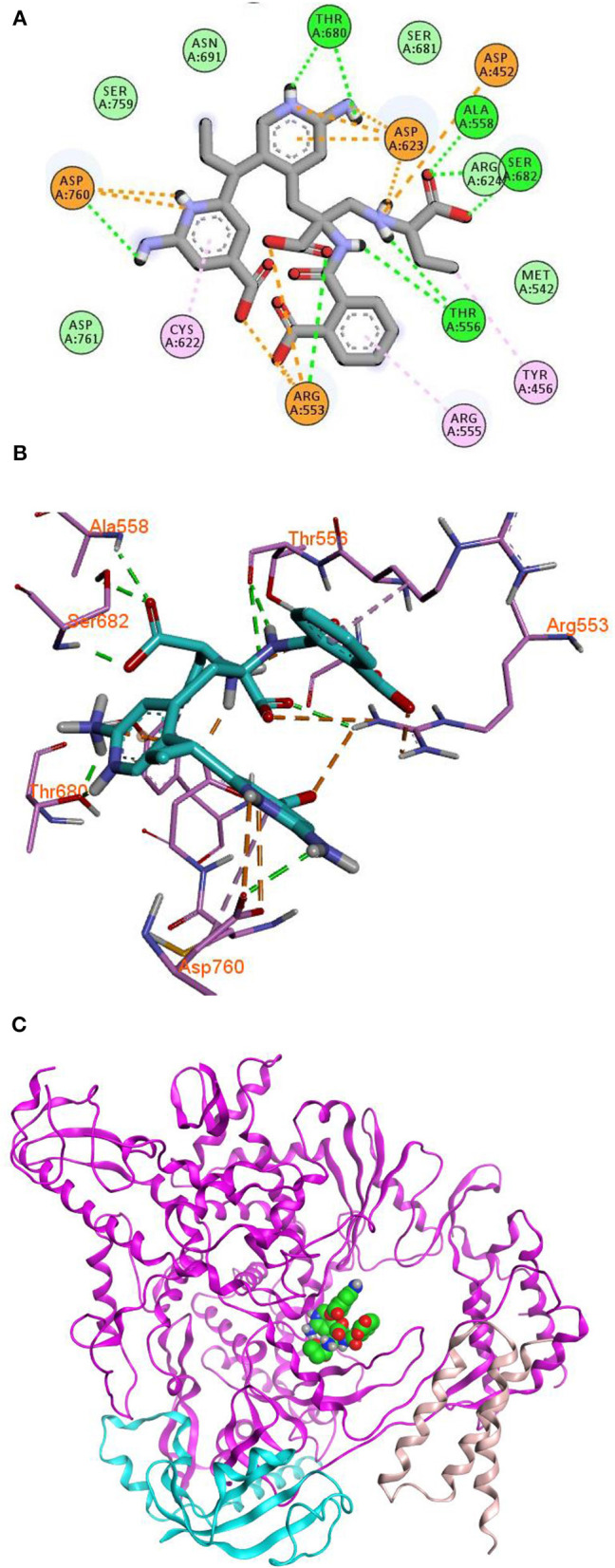
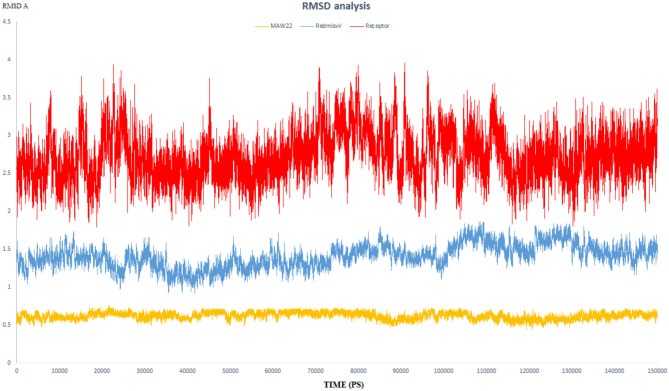
The world has recently been struck by the SARS-Cov-2 pandemic, a situation that people have never before experienced. Infections are increasing without reaching a peak. The WHO has reported more than 25 million infections and nearly 857,766 confirmed deaths. Safety measures are insufficient and there are still no approved drugs for the COVID-19 disease. Thus, it is an urgent necessity to develop a specific inhibitor for COVID-19. One of the most attractive targets in the virus life cycle is the polymerase enzyme responsible for the replication of the virus genome. Here, we describe our Structure-Based Drug Design (SBDD) protocol for designing of a new potential inhibitor for SARS-COV-2 RNA-dependent RNA Polymerase. Firstly, the crystal structure of the enzyme was retrieved from the protein data bank PDB ID (7bv2). Then, Fragment-Based Drug Design (FBDD) strategy was implemented using Discovery Studio 2016. The five best generated fragments were linked together using suitable carbon linkers to yield compound . Thereafter, the strength of the binds between compound and the SARS-COV-2 RNA-dependent RNA Polymerase was predicted by docking strategy using docking software. achieved a high docking score, even more so than the score achieved by Remdesivir, indicating very strong binding between and its target. Finally, three molecular dynamic simulation experiments were performed for 150 ns to validate our concept of design. The three experiments revealed that has a great potentiality to inhibit the SARS-COV-2 RNA-dependent RNA Polymerase compared to Remdesivir. Also, it is thought that this study has proven SBDD to be the most suitable avenue for future drug development for the COVID-19 infection.
最近,世界受到了新冠病毒(SARS-CoV-2)大流行的冲击,这种情况是人们以前从未经历过的。感染人数不断增加,尚未达到峰值。世界卫生组织报告的感染人数已超过2500万,确诊死亡人数近857766人。安全措施不足,目前仍没有针对新冠病毒疾病的获批药物。因此,迫切需要开发一种针对新冠病毒的特异性抑制剂。病毒生命周期中最具吸引力的靶点之一是负责病毒基因组复制的聚合酶。在此,我们描述了基于结构的药物设计(SBDD)方案,用于设计一种针对SARS-CoV-2 RNA依赖性RNA聚合酶的新型潜在抑制剂。首先,从蛋白质数据库中检索该酶的晶体结构,其PDB ID为(7bv2)。然后,使用Discovery Studio 2016实施基于片段的药物设计(FBDD)策略。使用合适的碳连接体将产生的五个最佳片段连接在一起,得到化合物 。此后,使用对接软件通过对接策略预测化合物 与SARS-CoV-2 RNA依赖性RNA聚合酶之间的结合强度。 获得了很高的对接分数,甚至比瑞德西韦的得分还要高,这表明 与其靶点之间具有很强的结合力。最后,进行了三次150纳秒的分子动力学模拟实验,以验证我们的设计理念。这三次实验表明,与瑞德西韦相比, 具有很大的潜力来抑制SARS-CoV-2 RNA依赖性RNA聚合酶。此外,人们认为这项研究已证明基于结构的药物设计是未来新冠病毒感染药物开发的最合适途径。