Yang JiYoung, Takayama Koji, Youn Jin-Suk, Pak Jae-Hong, Kim Seung-Chul
Research Institute for Dok-do and Ulleung-do Island, Department of Biology, School of Life Sciences, Kyungpook National University, 80 Daehak-ro, Buk-gu, Gyeongsangbuk-do, Daegu 41566, Korea.
Department of Botany, Graduate School of Science, Kyoto University, Oiwake-cho, Kitashirakawa, Sakyo-ku, Kyoto 606-8502, Japan.
Genes (Basel). 2020 Nov 12;11(11):1338. doi: 10.3390/genes11111338.
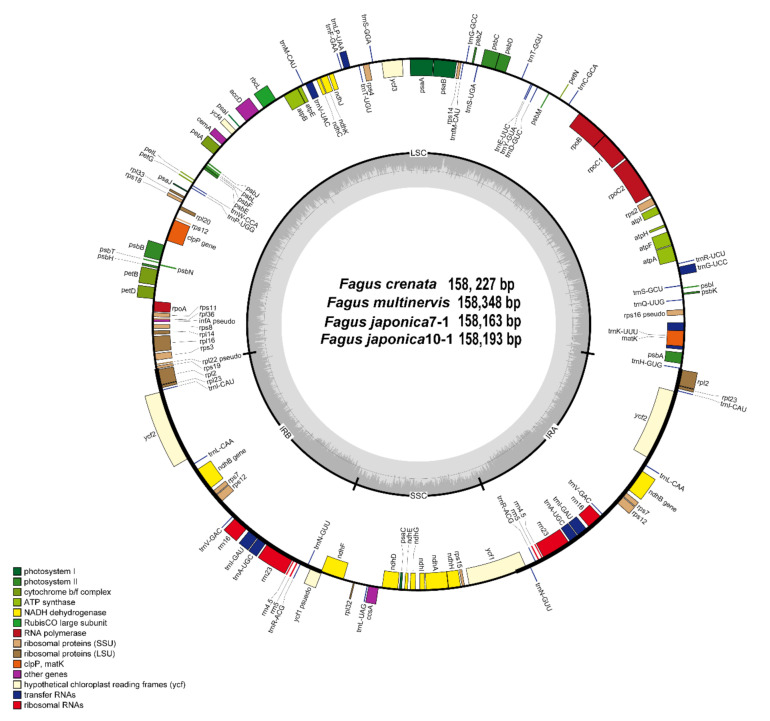
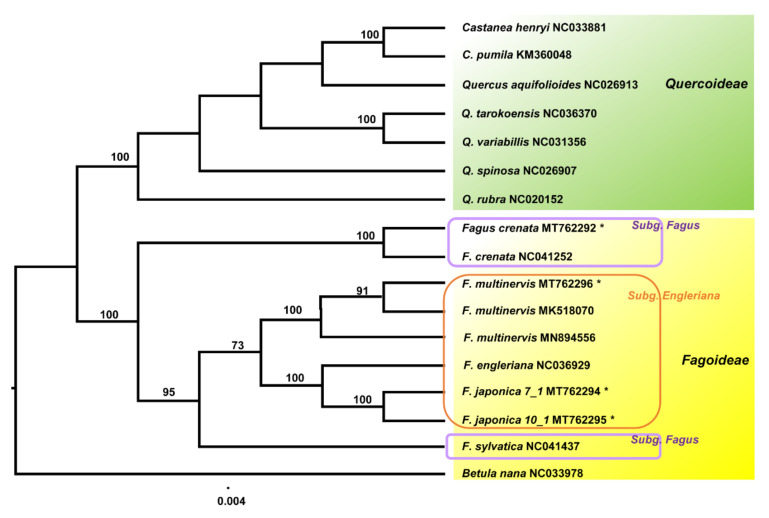
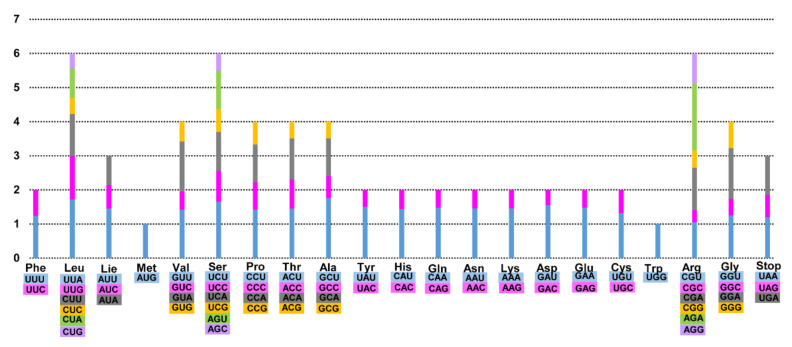
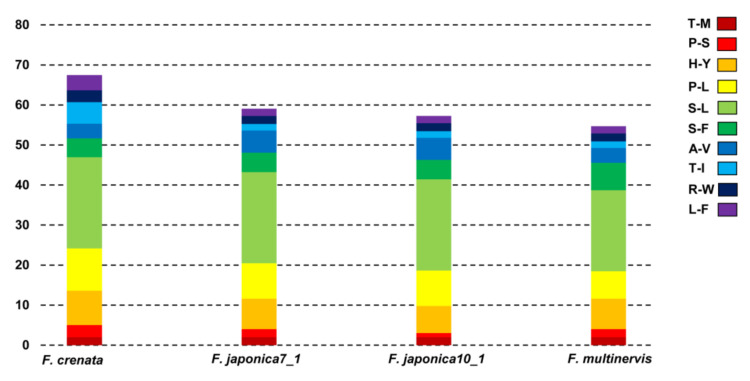
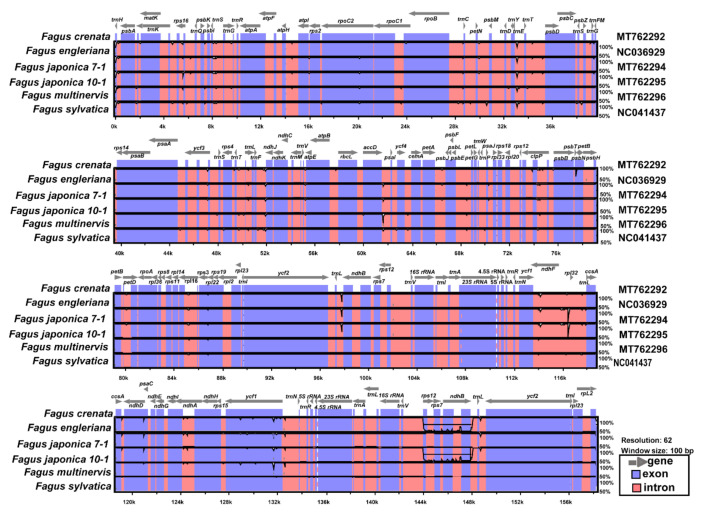
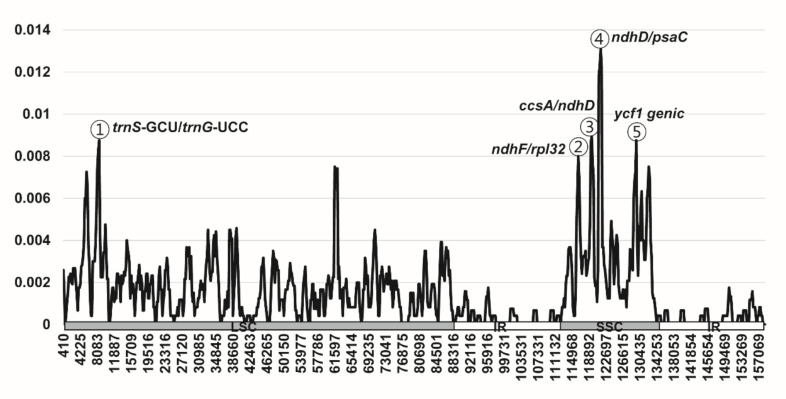
Beech trees of the genus (Fagaceae) are monoecious and distributed in the Northern Hemisphere. They represent an important component of mixed broad-leaved evergreen-deciduous forests and are an economically important source of timber. Despite their ecological and economical importance, however, little is known regarding the overall plastome evolution among species in East Asia. In particular, the taxonomic position and status of . , a beech species endemic to Ulleung Island of Korea, remains unclear even today. Therefore, in this study, we characterized four newly completed plastomes of East Asian species (one accession each of . and . and two accessions of . ). Moreover, we performed phylogenomic analyses comparing these four plastomes with (European beech) plastome. The four plastomes were highly conserved, and their size ranged from 158,163 to 158,348 base pair (bp). The overall GC content was 37.1%, and the sequence similarity ranged from 99.8% to 99.99%. Codon usage patterns were similar among species, and 7 of 77 common protein-coding genes were under positive selection. Furthermore, we identified five highly variable hotspot regions of the plastomes (/, , /, -GCU/-UCC, and ). Phylogenetic analysis revealed the monophyly of as well as early divergence of the subgenus and monophyletic Finally, phylogenetic results supported the taxonomic distinction of from its close relatives and . However, the sister species and geographic origin of on Ulleung Island could not be determined.
壳斗科(Fagaceae)的山毛榉属树木为雌雄同株,分布于北半球。它们是常绿落叶阔叶林的重要组成部分,也是重要的经济木材来源。然而,尽管它们具有生态和经济重要性,但对于东亚山毛榉属物种的整体质体基因组进化却知之甚少。特别是,韩国郁陵岛特有的山毛榉物种——郁陵岛山毛榉(Fagus × telfairii)的分类地位至今仍不明确。因此,在本研究中,我们对东亚山毛榉属物种的四个新完成的质体基因组进行了特征分析(每个物种各一个序列,分别为台湾山毛榉(Fagus hayatae)、日本山毛榉(Fagus crenata)以及郁陵岛山毛榉的两个序列)。此外,我们进行了系统基因组分析,将这四个质体基因组与欧洲山毛榉(Fagus sylvatica)的质体基因组进行比较。这四个质体基因组高度保守,大小范围为158,163至158,348碱基对(bp)。总体GC含量为37.1%,序列相似性范围为99.8%至99.99%。各物种间密码子使用模式相似,77个常见蛋白质编码基因中有7个受到正选择。此外,我们还确定了山毛榉属质体基因组的五个高变热点区域(trnL-F、trnS-G、rps16-trnQ、ycf1-GCU/UCC和ndhF)。系统发育分析揭示了山毛榉属的单系性,以及水青冈亚属(subgenus Waterston)的早期分化和单系的青冈亚属(subgenus Quercus)。最后,系统发育结果支持郁陵岛山毛榉与其近缘种台湾山毛榉和日本山毛榉在分类上的区别。然而,郁陵岛山毛榉在郁陵岛的姐妹种和地理起源仍无法确定。