Vargas José Eduardo, Puga Renato, Lenz Guido, Trindade Cristiano, Filippi-Chiela Eduardo
Instituto de Ciências Biológicas, Universidade de Passo Fundo, Brazil.
Hospital de Clínicas de Porto Alegre, Porto Alegre, Brazil.
Oxid Med Cell Longev. 2020 Nov 1;2020:5432651. doi: 10.1155/2020/5432651. eCollection 2020.
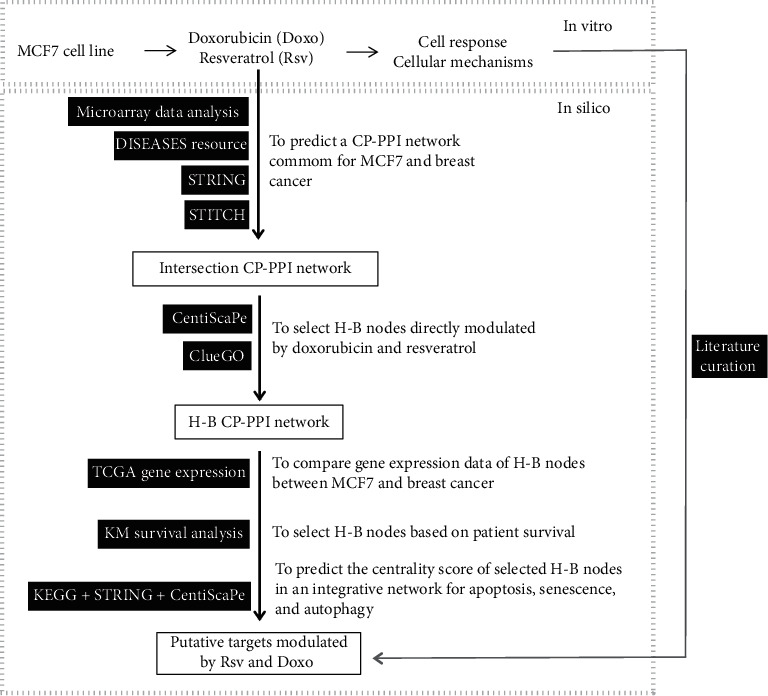
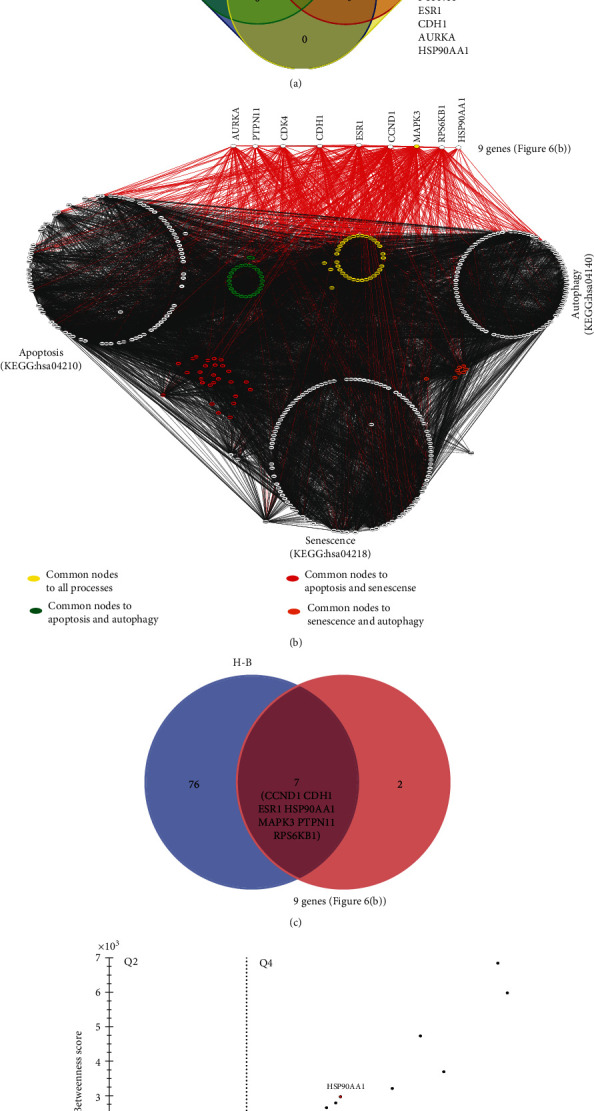
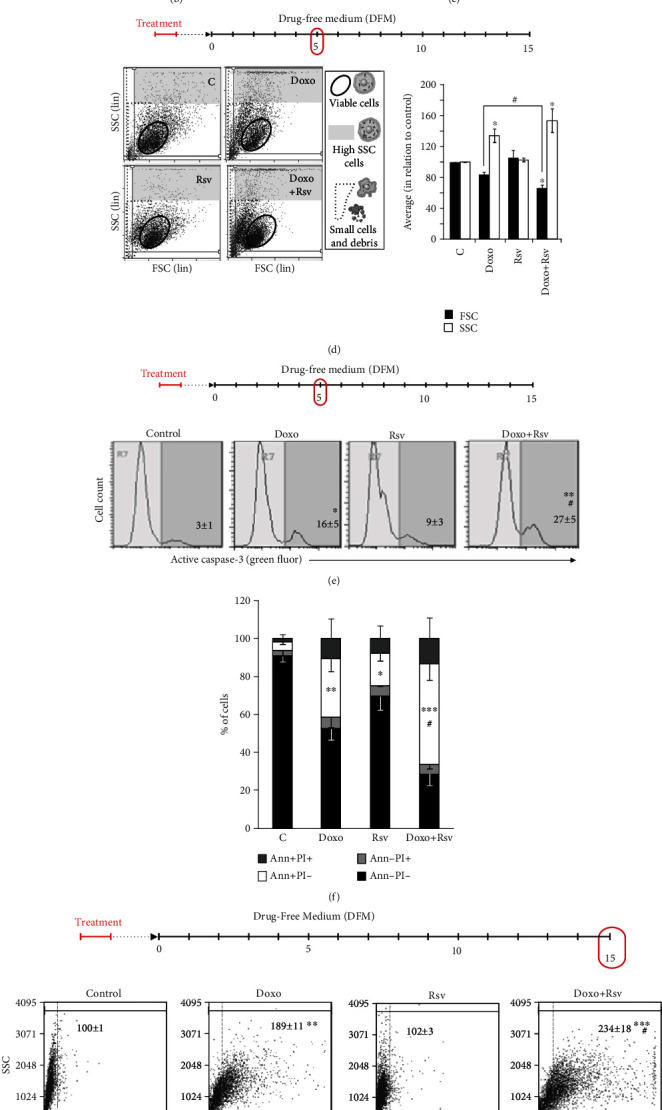
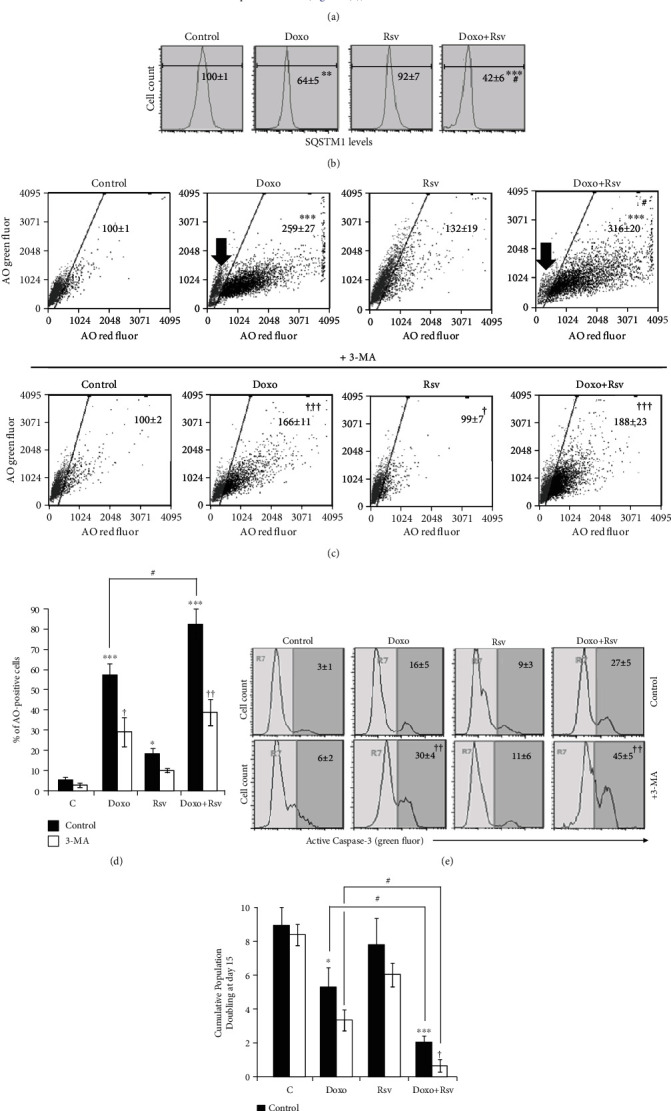
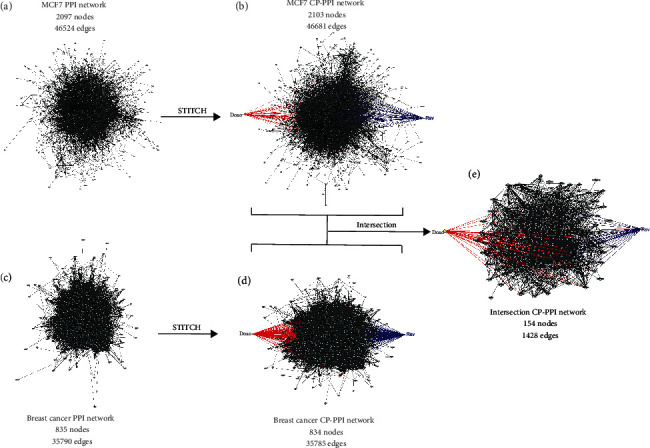
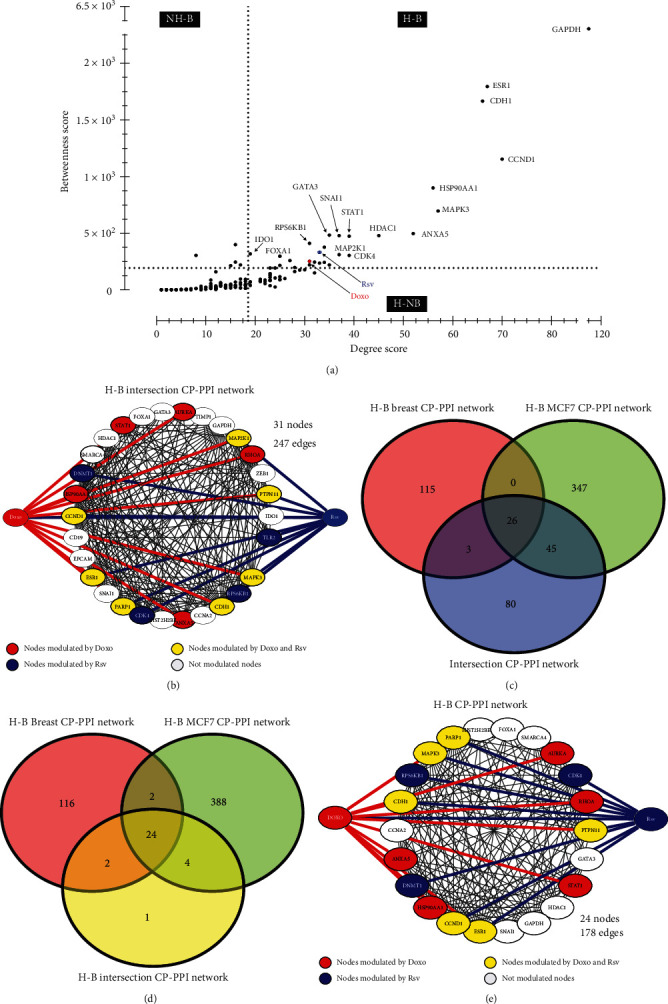
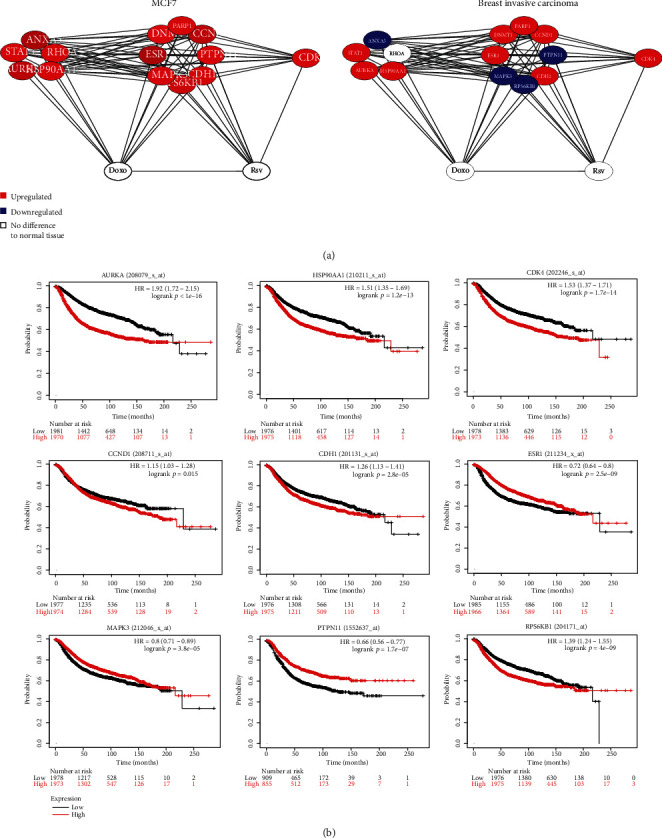
Doxorubicin (Doxo) is the most effective chemotherapeutic agent for the treatment of breast cancer. However, resistance to Doxo is common. Adjuvant compounds capable of modulating mechanisms involved in Doxo resistance may potentiate the effectiveness of the drug. Resveratrol (Rsv) has been tested as an adjuvant in mammary malignancies. However, the cellular and molecular mechanisms underlying the effects of cotreatment with Doxo and Rsv in breast cancer are poorly understood. Here, we combined in vitro and in silico analysis to characterize these mechanisms. In vitro, we employed a clinically relevant experimental design consisting of acute (24 h) treatment followed by 15 days of analysis. Acute Rsv potentiated the long-lasting effect of Doxo through the induction of apoptosis and senescence. Cells that survived to the cotreatment triggered high levels of autophagy. Autophagy inhibition during its peak of activation but not concomitant with Doxo+Rsv increased the long-term toxicity of the cotreatment. To uncover key proteins potentially associated with in vitro effects, an in silico multistep strategy was implemented. Chemical-protein networks were predicted based on constitutive gene expression of MCF7 cells and interatomic data from breast cancer. Topological analysis, KM survival analysis, and a quantitative model based on the connectivity between apoptosis, senescence, and autophagy were performed. We found seven putative genes predicted to be modulated by Rsv in the context of Doxo treatment: CCND1, CDH1, ESR1, HSP90AA1, MAPK3, PTPN11, and RPS6KB1. Six out of these seven genes have been experimentally proven to be modulated by Rsv in cancer cells, with 4 of the 6 genes in MCF7 cells. In conclusion, acute Rsv potentiated the long-term toxicity of Doxo in breast cancer potentially through the modulation of genes and mechanisms involved in Doxo resistance. Rational autophagy inhibition potentiated the effects of Rsv+Doxo, a strategy that should be further tested in animal models.
阿霉素(Doxo)是治疗乳腺癌最有效的化疗药物。然而,对Doxo产生耐药性很常见。能够调节与Doxo耐药相关机制的辅助化合物可能会增强该药物的疗效。白藜芦醇(Rsv)已作为乳腺恶性肿瘤的辅助药物进行了测试。然而,Doxo与Rsv联合治疗乳腺癌的细胞和分子机制尚不清楚。在此,我们结合体外和计算机分析来表征这些机制。在体外,我们采用了一种与临床相关的实验设计,包括急性(24小时)治疗,随后进行15天的分析。急性Rsv通过诱导细胞凋亡和衰老增强了Doxo的长期作用。联合治疗后存活的细胞触发了高水平的自噬。在自噬激活高峰期而非与Doxo+Rsv同时抑制自噬会增加联合治疗的长期毒性。为了揭示可能与体外效应相关的关键蛋白质,我们实施了一种计算机多步骤策略。基于MCF7细胞的组成型基因表达和乳腺癌的原子间数据预测化学-蛋白质网络。进行了拓扑分析、KM生存分析以及基于细胞凋亡、衰老和自噬之间连通性的定量模型分析。我们发现有七个假定基因预计在Doxo治疗的背景下会受到Rsv的调节:CCND1、CDH1、ESR1、HSP90AA1、MAPK3、PTPN11和RPS6KB1。这七个基因中有六个已通过实验证明在癌细胞中会受到Rsv的调节,其中四个基因在MCF7细胞中。总之,急性Rsv可能通过调节与Doxo耐药相关的基因和机制增强了Doxo对乳腺癌的长期毒性。合理的自噬抑制增强了Rsv+Doxo的作用,这一策略应在动物模型中进一步测试。